


 Sapa Tours & Activities
Sapa Map: Your Ultimate Guide to Sapa’s Wonders
A good Sapa map is really three maps in one. Layer one: villages fanning out from town. Layer two: markets that move by day of the week. Layer three: waterfalls strung along the pass road. This guide lays out all three layers — with distances from town for every stop, so you can build routes that fit a real day.
Step Off the Beaten Path: Discover 7 Sapa’s Hidden Villages
Seven villages ring the town, each a different culture and a different distance — nearest first:
Cat Cat Village: Sapa’s Closest Gem

Cat Cat is the nearest village — a Hmong settlement an easy downhill walk from town, with wooden houses, a waterfall and craft workshops along one loop path.
You can catch cool H’mong shows, try your hand at weaving and embroidery, and munch on tasty local dishes. Plus, you’ll get a fun peek into the everyday lives of the friendly H’mong people!
Lao Chai Village: Where Tradition Meets Beauty
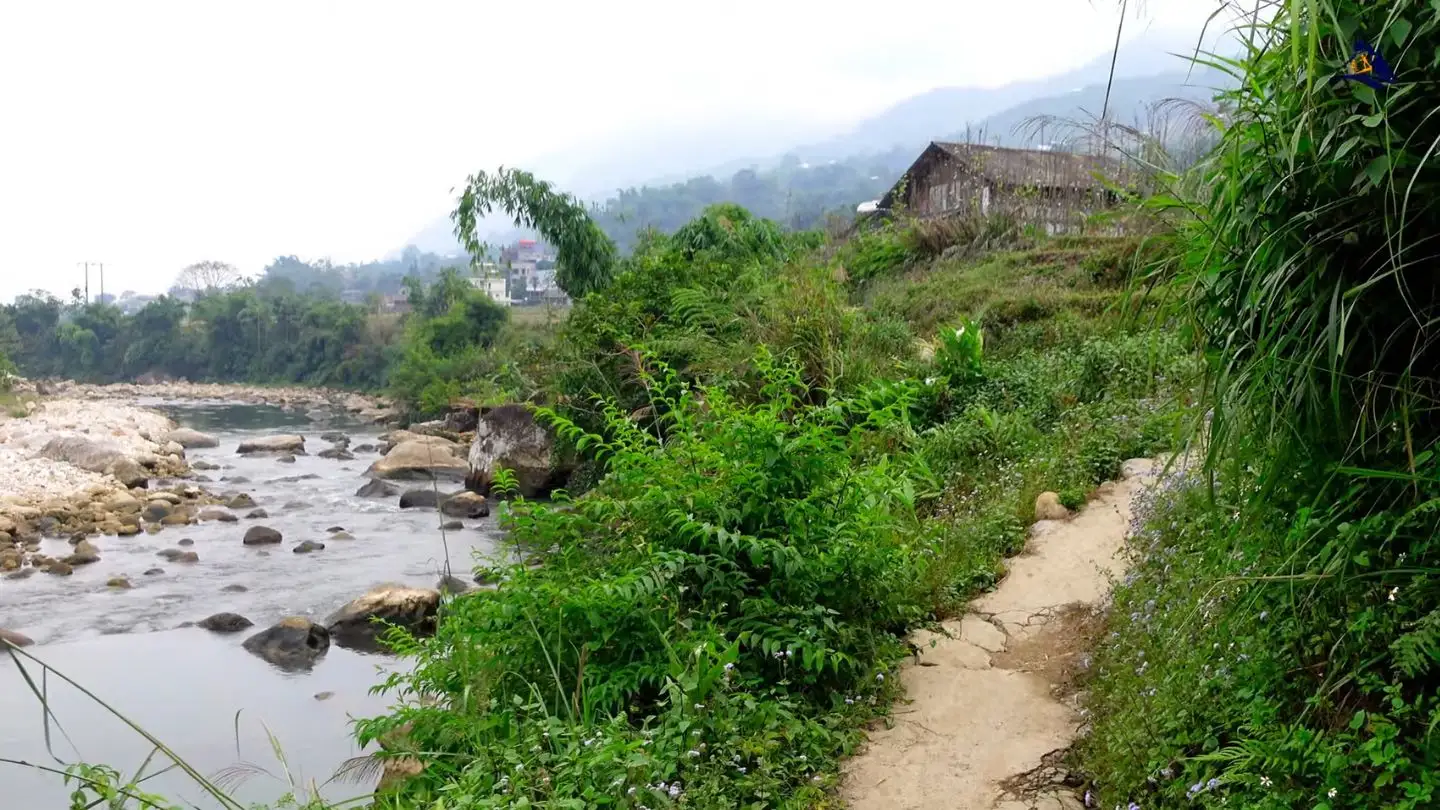
Lao Chai Village, about 9 to 12 kilometers from Sapa town, is home to the Red Dao and Black H’Mong people. It’s one of the biggest villages in Sapa, covering over 29 square kilometers. When you arrive, you’ll be amazed by its natural beauty – from the wild upper slopes to the terraced fields below.
Ta Van Village: Tranquil Beauty in Sapa’s Heart
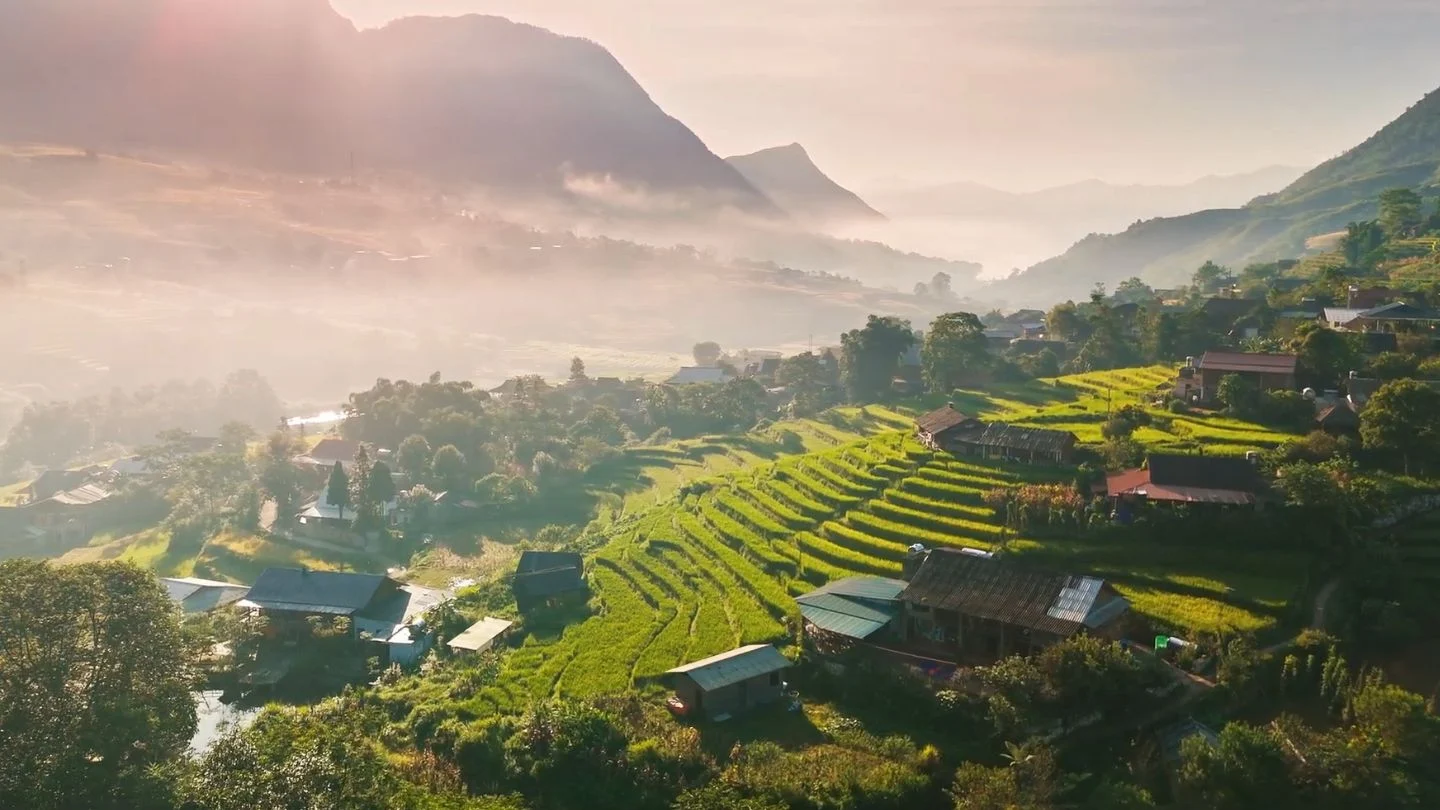
Ta Van Village sits mid-valley on the Muong Hoa River – the homestay capital of Sapa, home to the Giay people, with rice terraces and streams on every side.
Ta Phin Village: The Mystical Red Dao Village
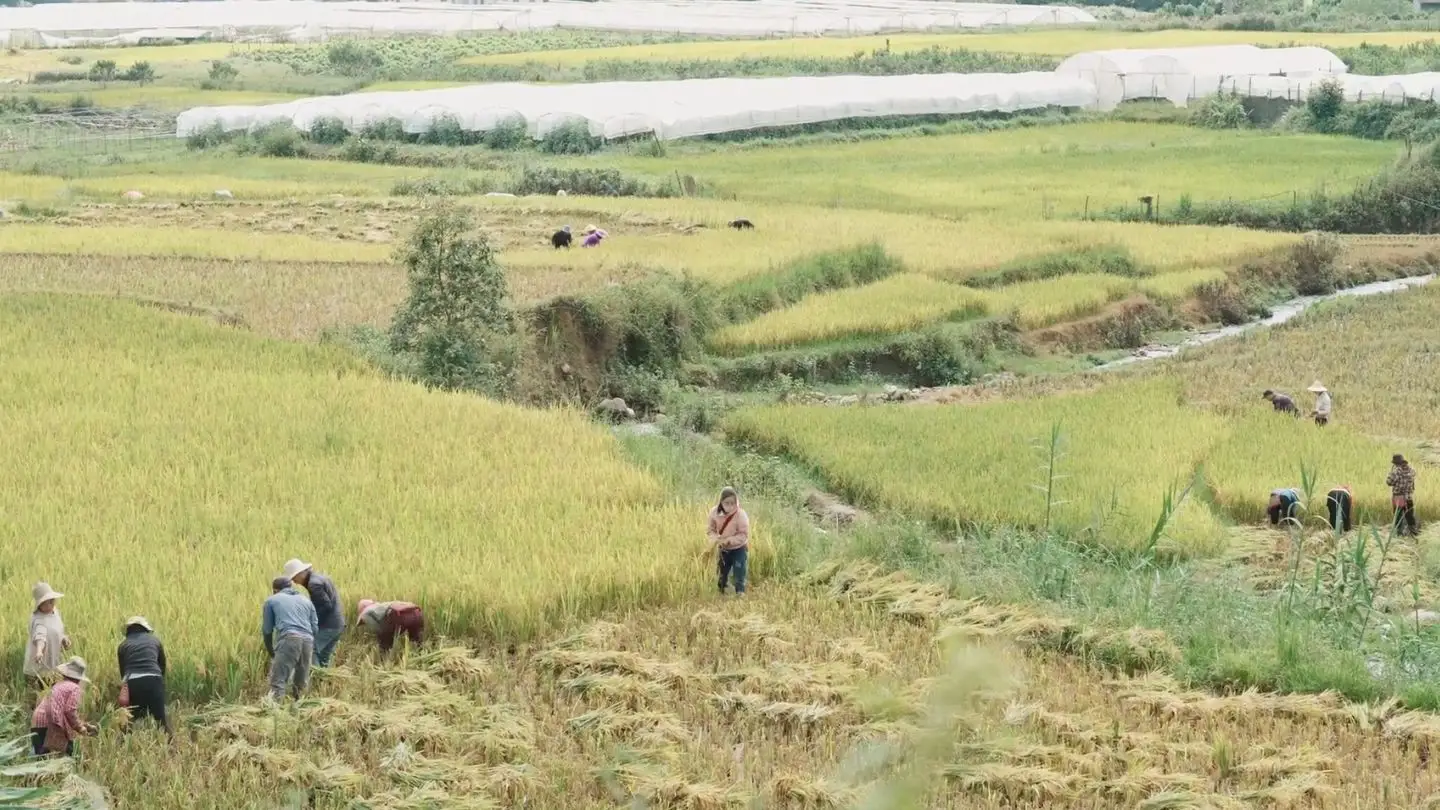
Ta Phin lies 12 km from town in its own side valley — Red Dao country, famous for herbal baths, brocade weaving and an easy cave visit.
Sin Chai Village: A Quiet Escape in the Hills
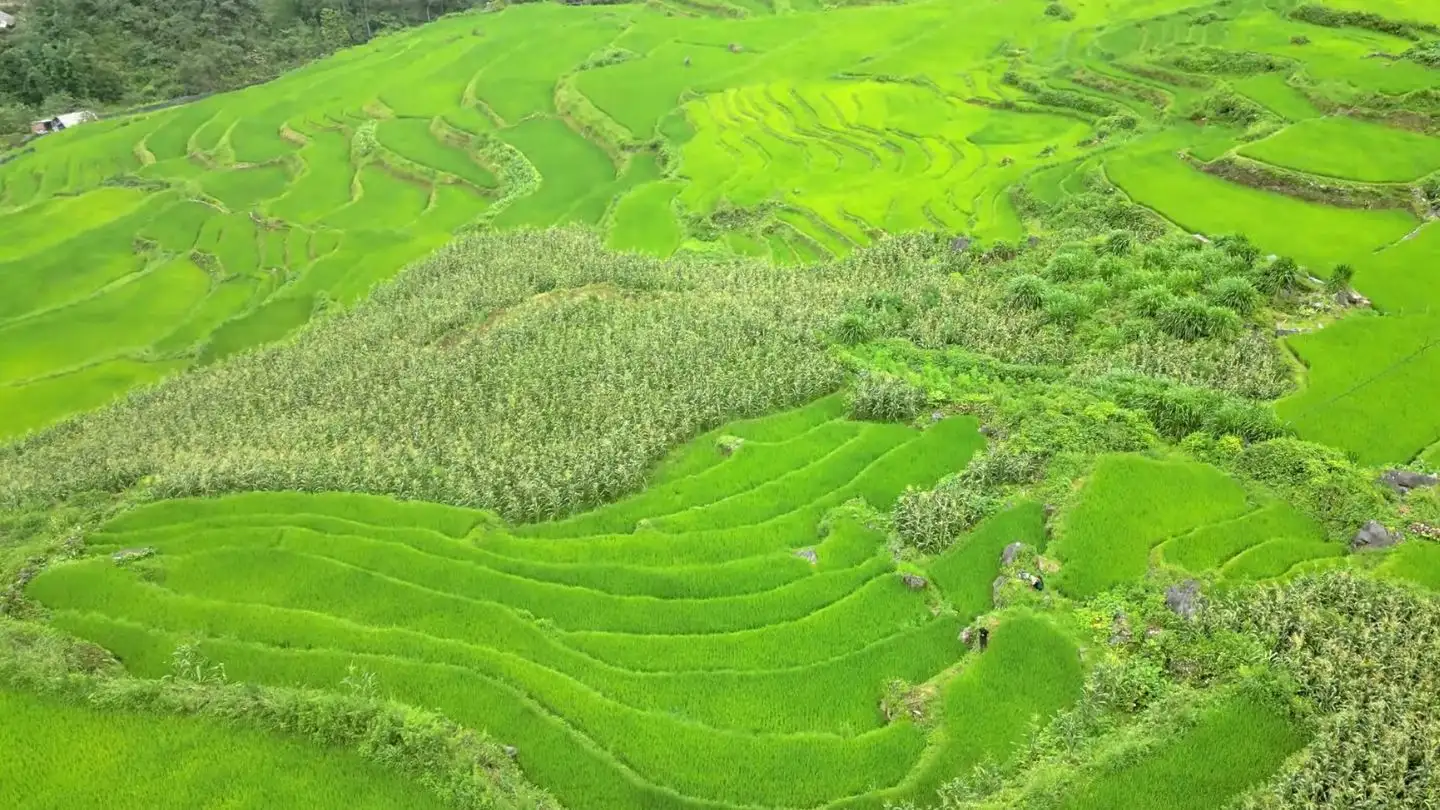
Sin Chai keeps its original rhythm better than any village this close to town. Just 4 kilometers from Sapa town, this ancient village at the foot of Hoang Lien Son mountain is full of history. When you visit, you’ll see lush rice and corn fields, plus colorful veggie gardens that make the place look like a painting. It’s like stepping back in time – and it’s absolutely beautiful!
Y Linh Ho Village: Sapa’s Secret Paradise
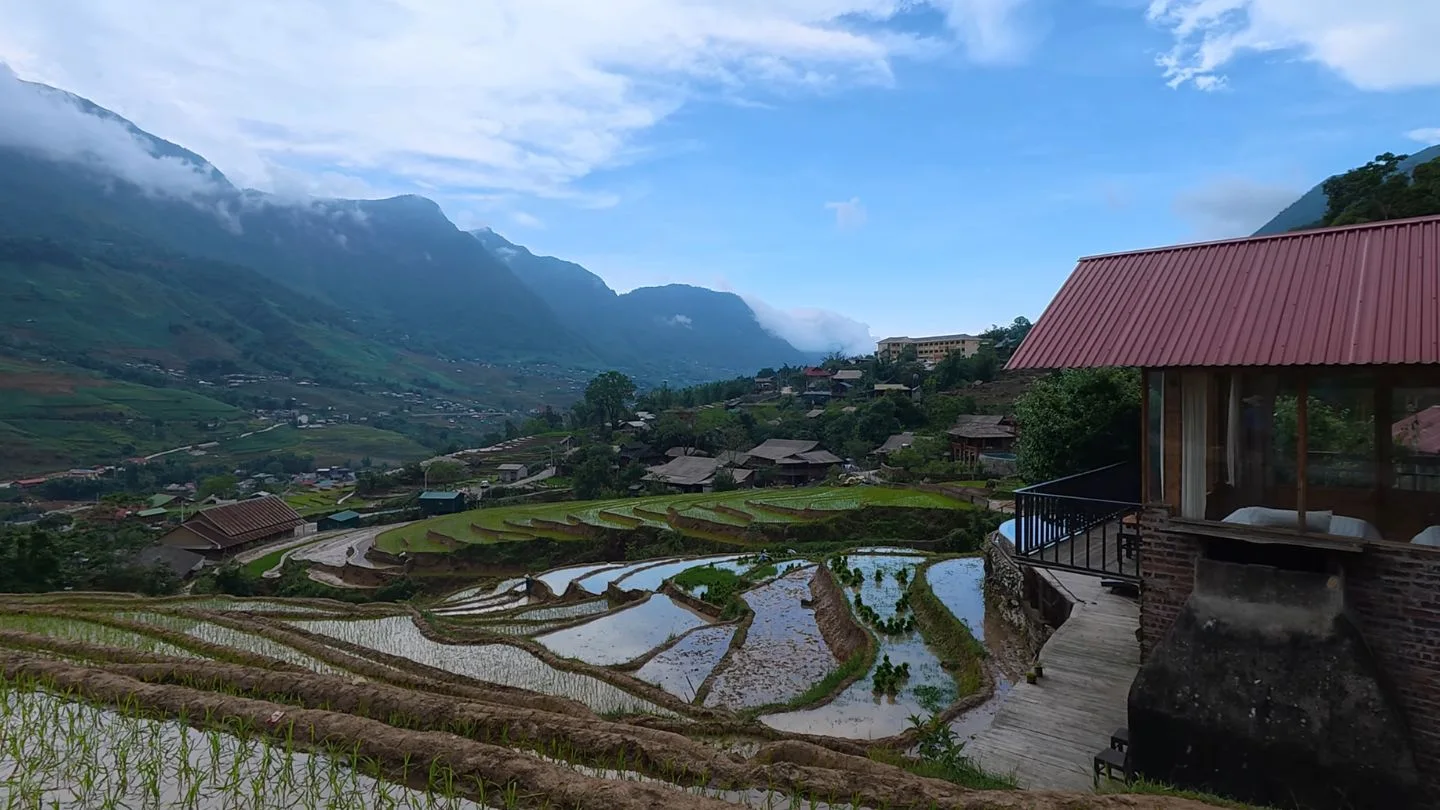
Y Linh Ho village is home to the Black H’mong people, with just a few hundred families living next to the beautiful Muong Hoa stream. It’s a peaceful spot, but don’t be fooled – the weather can be tough, thanks to the high mountains! As you walk through the village, you’ll reach the Ancient Stone Field, then head on to Lao Chai and Ta Van. It’s a fun and scenic route, where you’ll meet some fascinating people and see amazing views along the way!
Ban Ho Village: A Rustic Retreat Among Rice Fields
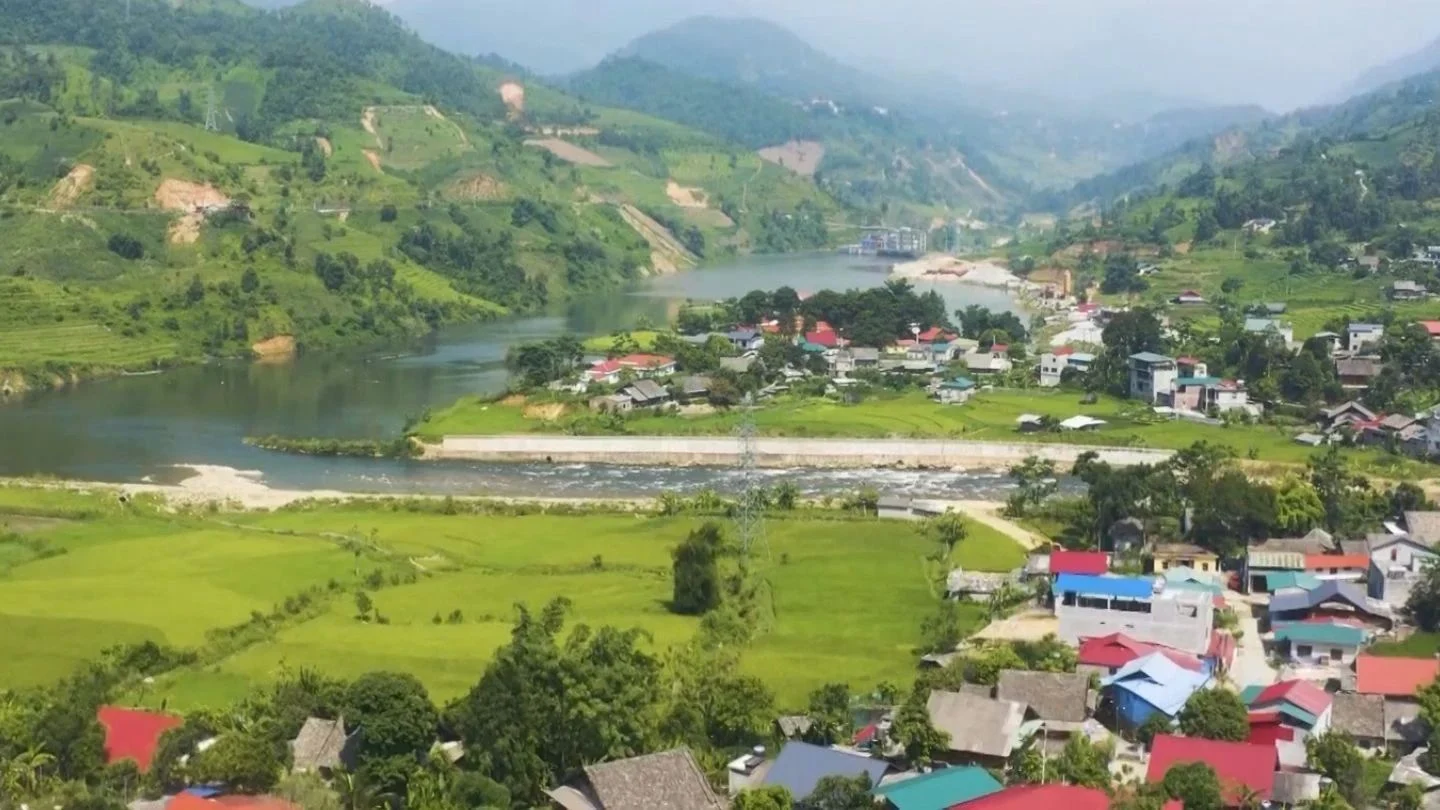
Ban Ho sits low and warm in the valley south of town — a Tay village of stilt houses, swimmable streams, and homestays that cook like grandmothers. It also hosts the Long Tong festival each spring, one of the area’s most authentic celebrations.
4 Local Markets in Sapa Worth Planning Around
Four markets, four rhythms — know which day is which:
Sapa Love Market: Where Tradition and Romance Meet
The Love Market is Saturday night’s tradition — courtship songs and gatherings on the square by the Stone Church. Set expectations honestly: today’s version is part heritage, part performance, but the history is real and the evening is lively.
Sapa Market: The Heartbeat of Sapa’s Culture
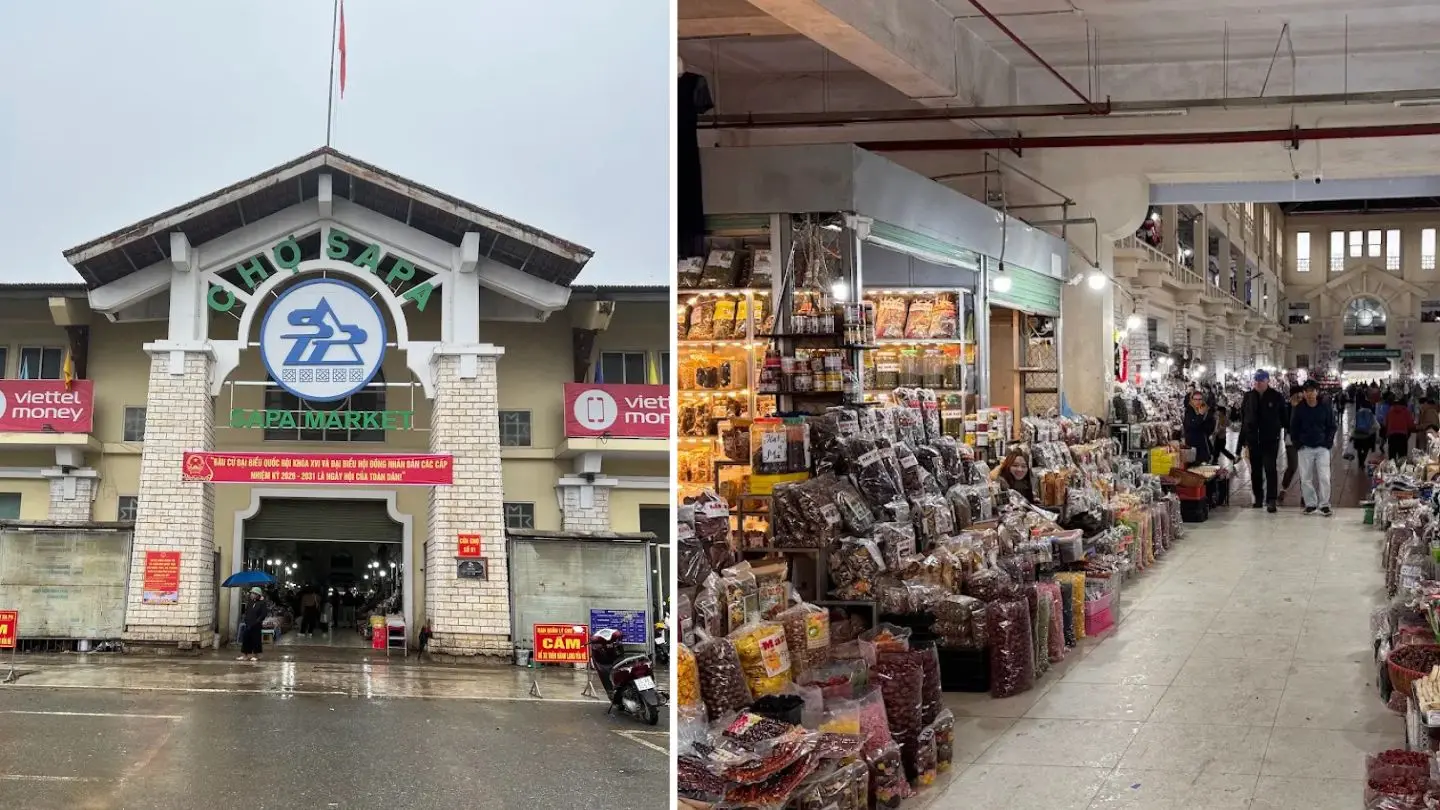
The main Sapa Market runs every day near the bus station — produce and brocade downstairs, food court upstairs. This is where locals actually shop; mornings give the full show.
Sapa Night Market: Weekend Evenings
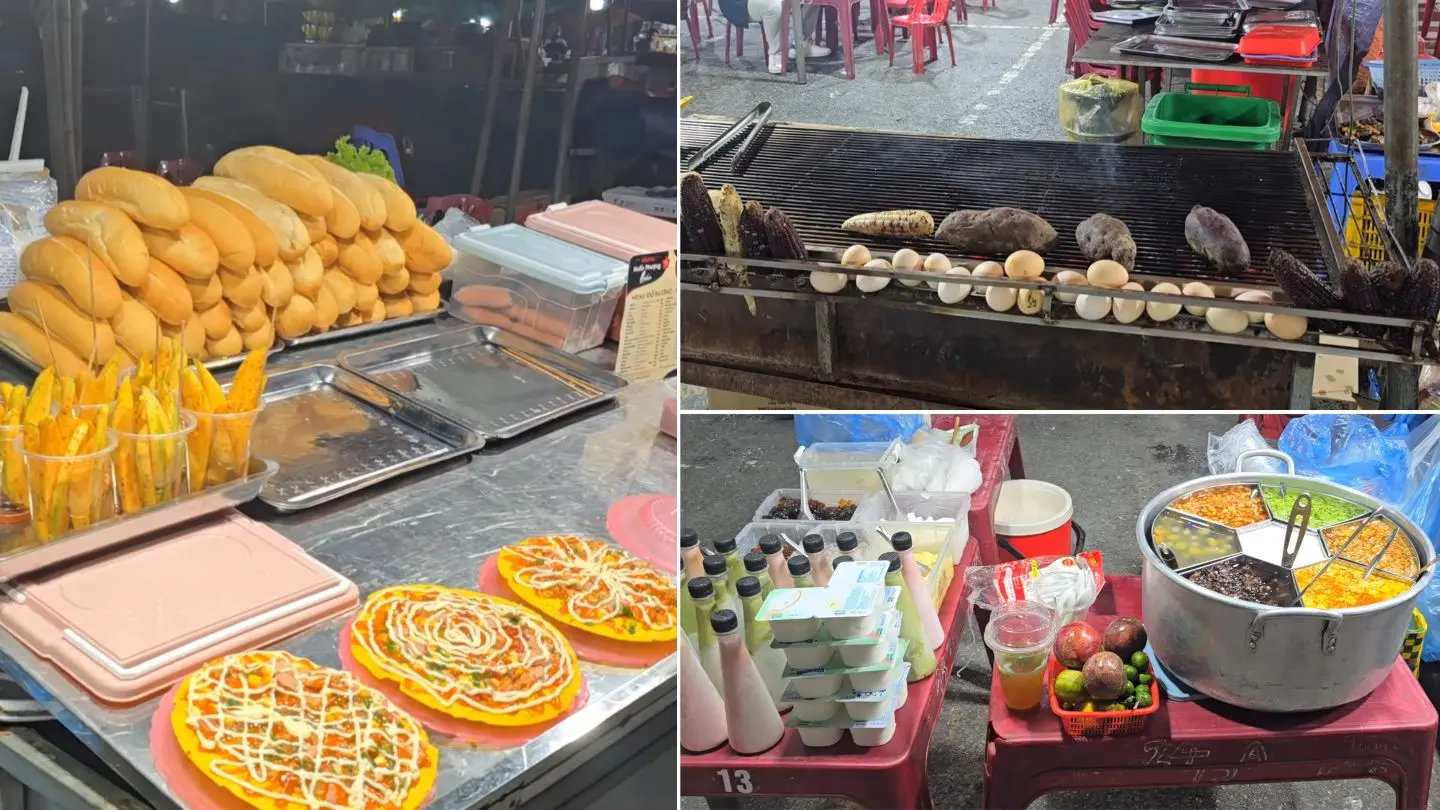
- Location: In front of Sapa market
- Opening hours: 6 p.m. – 11:30 p.m. from Friday to Sunday every week
The Sapa Night Market takes over the walking streets on weekend evenings — grilled skewers, handmade stalls, and the town at its most social. A different animal from the day market: come for dinner, not shopping lists.
Bac Ha Market: A Colorful Celebration of Local Life
Bac Ha is the biggest market in Lao Cai’s mountains — every ethnic group in the region trading everything from farm tools to livestock to brocade. Sunday mornings only, and worth the early alarm.
Our Bac Ha day-tour handles the early Sunday start and the guiding — you just wander.


Sapa’s 3 Best-Known Waterfalls
Three waterfalls anchor the pass-road side of the map — all reachable in one half-day loop:
Tien Sa Waterfall: The Tranquil Jewel of Cat Cat Village
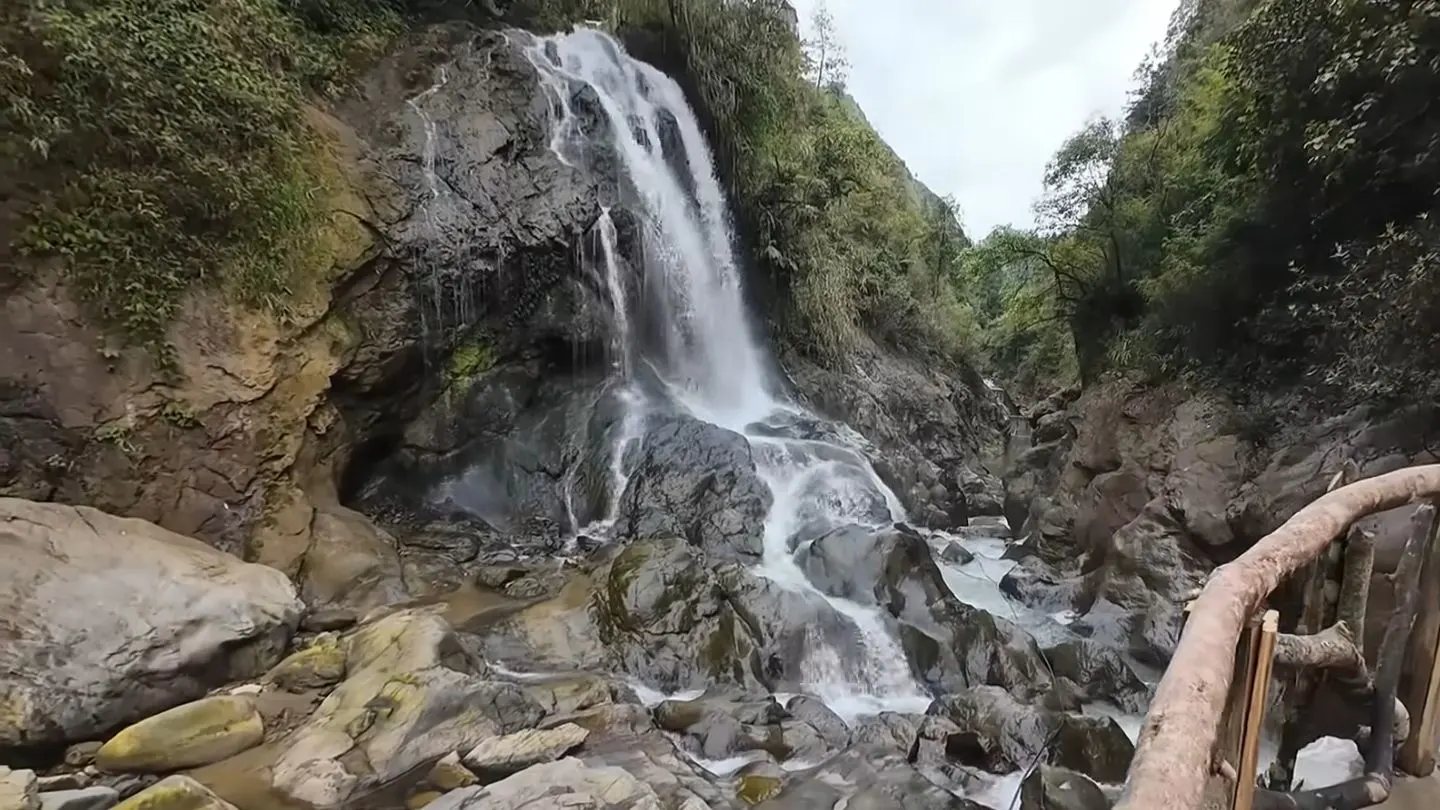
Tien Sa Waterfall, also known as Cat Cat Waterfall, is about 4 kilometers north of Sapa town, right in the Cat Cat village area. This spot is special because it’s near a village with a rich history of the H’Mong people. When you visit, you can admire the beautiful scenery and feel the peaceful vibes from the rushing water. It’s like the waterfall washes away all your worries – perfect for a little escape from everyday life!
Thac Bac (Silver Waterfall): Sapa’s Most Powerful Waterfall
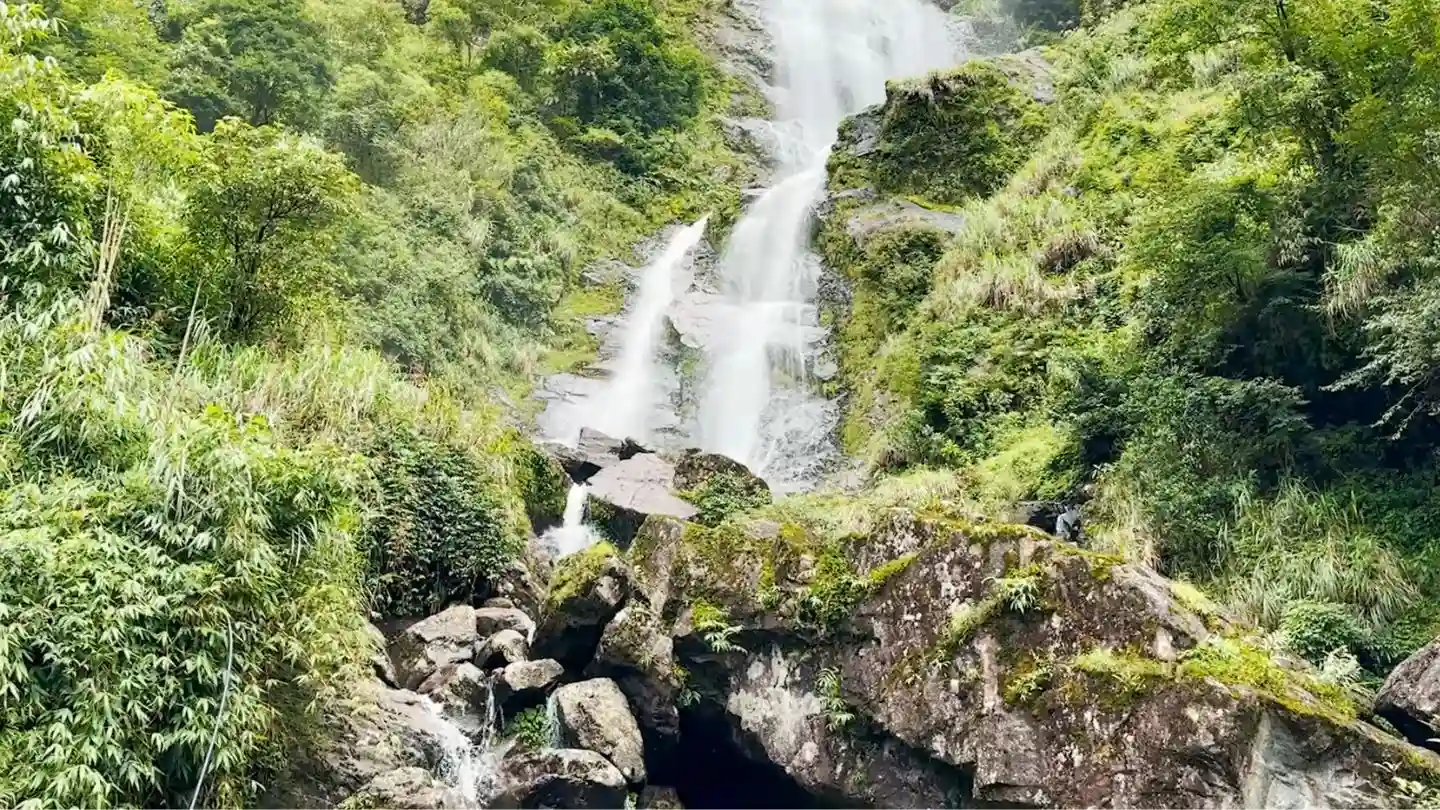
Just a short trip from the O Quy Ho Pass, the Silver Waterfall is a must-see in Sapa. The water crashes down the mountain with so much energy! You can kick back by the stream below or climb the steps for an awesome view from the top. Plus, don’t forget to try some fresh fish – it’s delicious!
Love Waterfall: A Romantic Escape in the Mountains
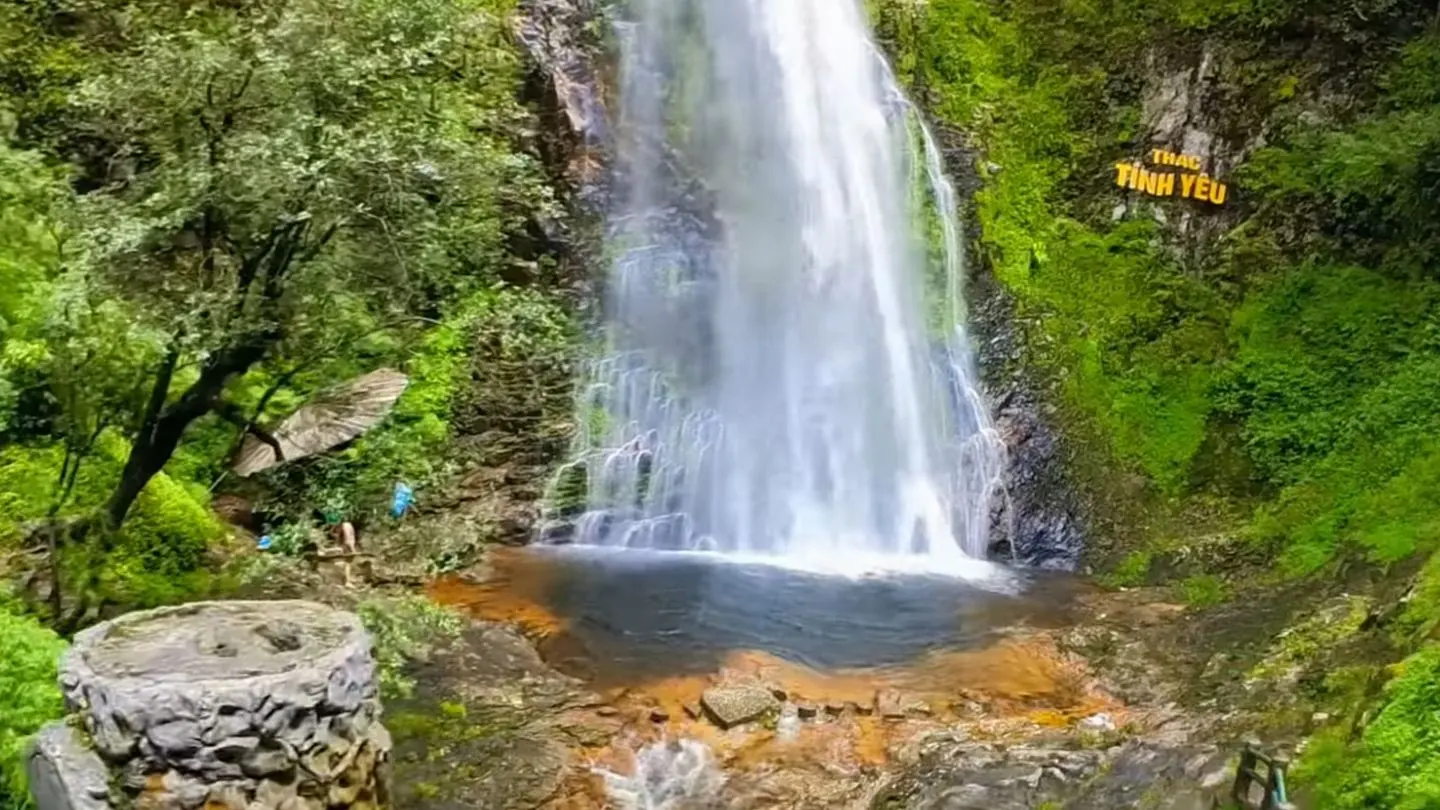
Love Waterfall hides in San Sa Ho commune, about 14 km from town off the pass road. A forest walk brings you to the falls — the same trail that once started the Fansipan trek.
Visit Fansipan Mountain – Roof of Indochina
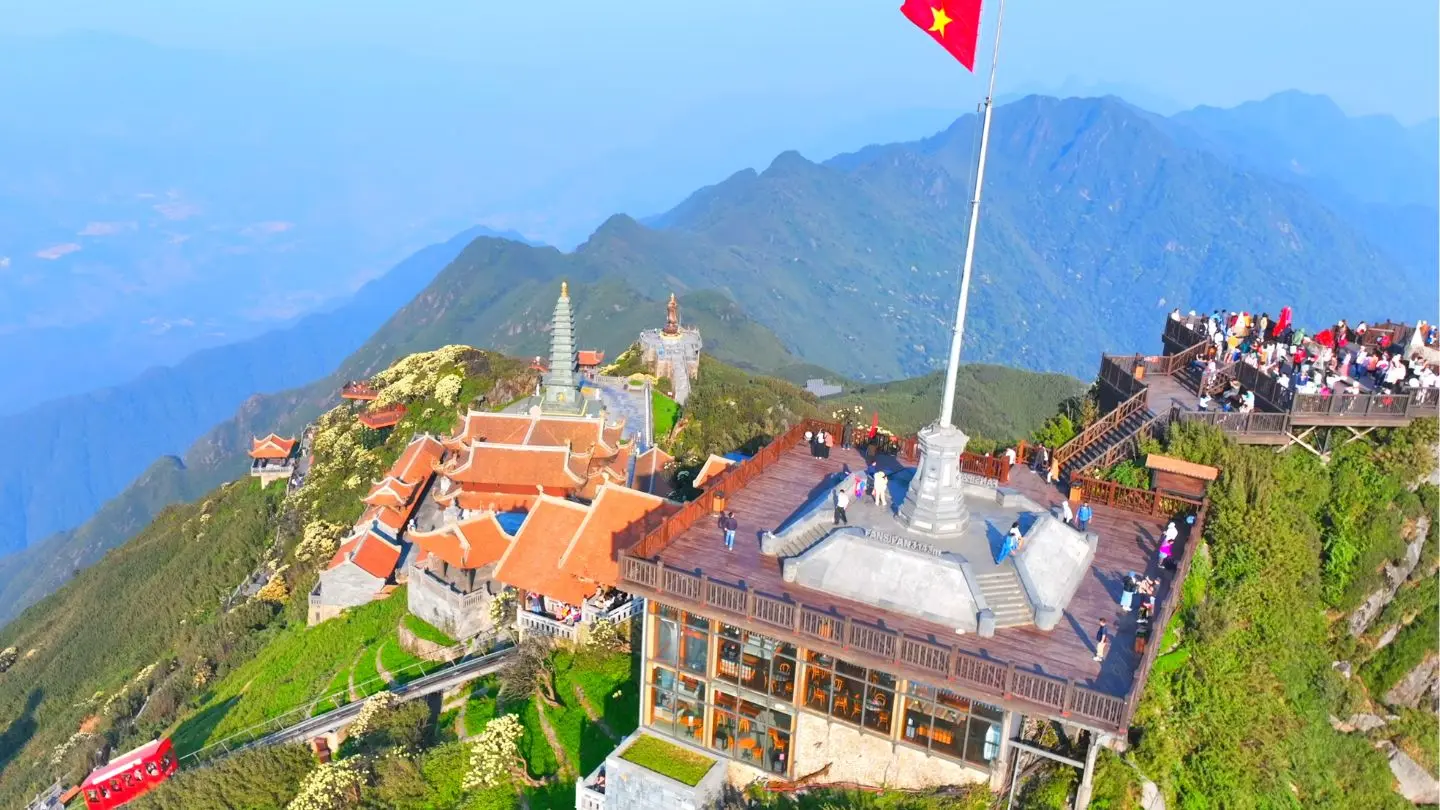
Fansipan Mountain, known as the “Roof of Indochina,” is a popular place to visit on the map of Sapa, Vietnam. It is the tallest mountain in Vietnam, standing at 3,143 meters above sea level. Fansipan is a famous spot for adventure lovers in the Hoang Lien Son mountain range.
The hike to the top takes about two days and gives amazing views of the area, including beautiful sights of Muong Hoa Valley and Hoang Lien National Park. If you don’t want to hike, you can take a cable car, which was built in 2016, to reach the top comfortably.
Travel Tips For Your Trip to Sapa
- Plan your transport: Tourist spots in Sapa are far apart, so check transport options before you go. You can ask your hotel or homestay host to call a taxi, but it might take time.
- Driving yourself?: Be ready for winding mountain roads in some areas. You’ll need good driving skills for those tricky spots.
- Pack warm clothes: Sapa’s weather can be chilly, especially in the mountains. Even in summer, it’s good to bring a jacket or sweater.
- Prepare for walking: Many of Sapa’s scenic spots are best explored on foot, so wear comfortable shoes for walking.
- Bring cash: Some local markets and villages may not accept credit cards, so it’s a good idea to carry cash for small purchases.
How To Get To Sapa From Hanoi?
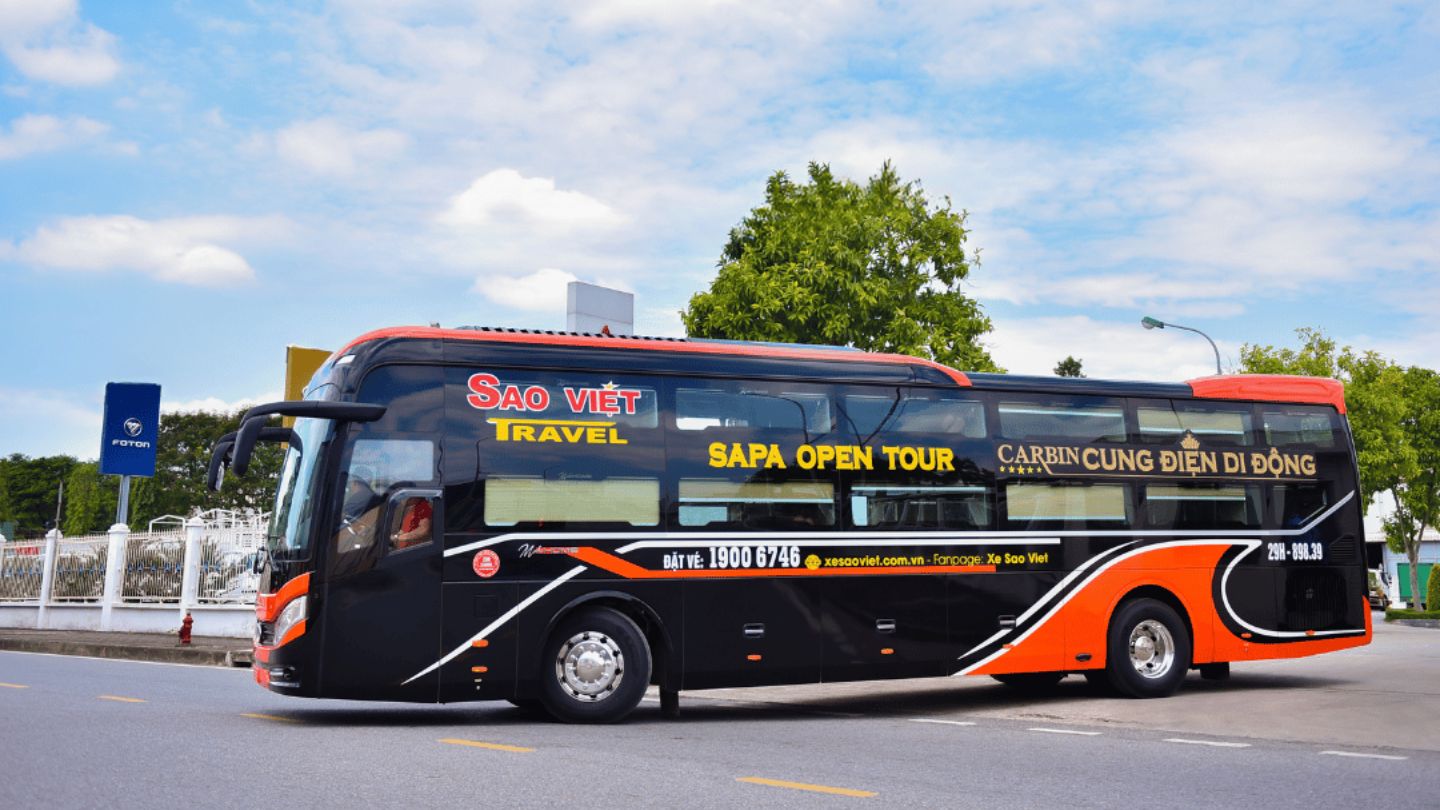
Everything begins in Hanoi. Most travelers leave after dark on an overnight cabin bus. By the time the curtains open again, the Hoang Lien mountains have already replaced the city skyline.


The overnight train takes a quieter path. Dawn arrives in Lao Cai, and one last winding hour carries you into Sapa.


If you’d rather travel on your own schedule, a private car gives you the freedom to stop whenever the mountains ask you to. Experienced riders still choose the motorbike route for the journey itself.


→ Compare every route, ticket price, and practical tip in our complete Hanoi to Sapa transport guide.
Conclusion
Hold the three layers in your head — valley villages southeast, pass-road waterfalls northwest, Fansipan above — and Sapa stops being confusing. Every good itinerary here is just those layers, visited in the right order.
→ Route chosen? Time it with the best time to visit Sapa guide.
FAQs
How many days in Sapa is enough?
If you want to visit Sapa for a short time, 2 or 3 days is enough to see the main things. You can look at the mountains, walk around, and take some nice pictures. But if you want to learn more about the people, the food, and the beautiful nature, it’s better to stay for 5 days or more. Then you can relax, enjoy more, and see the real Sapa!
Why is Sapa so famous?
Bac Ha rewards the journey by any route — a half-day drive or the overnight train — but only on Sundays, so build the week around it.
Is Sapa too touristy?
Sapa can feel a bit touristy, and the main town isn’t the most exciting. But if you avoid the busy spots like Cat Cat Village and Love Waterfall, you’ll find quieter corners. Tourism here funds real village enterprises, much of it run by local women there.
Related Tours & Transport
