


 Sapa Tours & Activities
Lao Chai Village: The Heart of the Muong Hoa Trek
Somewhere on the path down, a H’mong woman falls into step beside you. She asks where you’re from, points out which terraces are hers, and walks the whole way to Lao Chai Village – where, at the bottom, she hopes you’ll buy a bag. That’s the arrangement here, and it’s a fair one.
What the village is like

Lao Chai sits at around 1,000 metres in the Muong Hoa valley, a Black H’mong village wrapped in the widest terraces in the area. It is bigger and busier than Y Linh Ho up the trail, with homestays and a small market.
It is busier because it is the middle of the trek, where day-walkers and homestay guests overlap. Come early or stay the night, and you get the quiet hours on either side of the crowd.
The Vietnam National Authority of Tourism highlights Lao Chai for its sweeping rice terraces, mountain views, and clusters of traditional homes nestled throughout the valley. Together, they create the quiet, rural character that makes Lao Chai one of Sapa’s most memorable villages.
On the Lao Chai trek
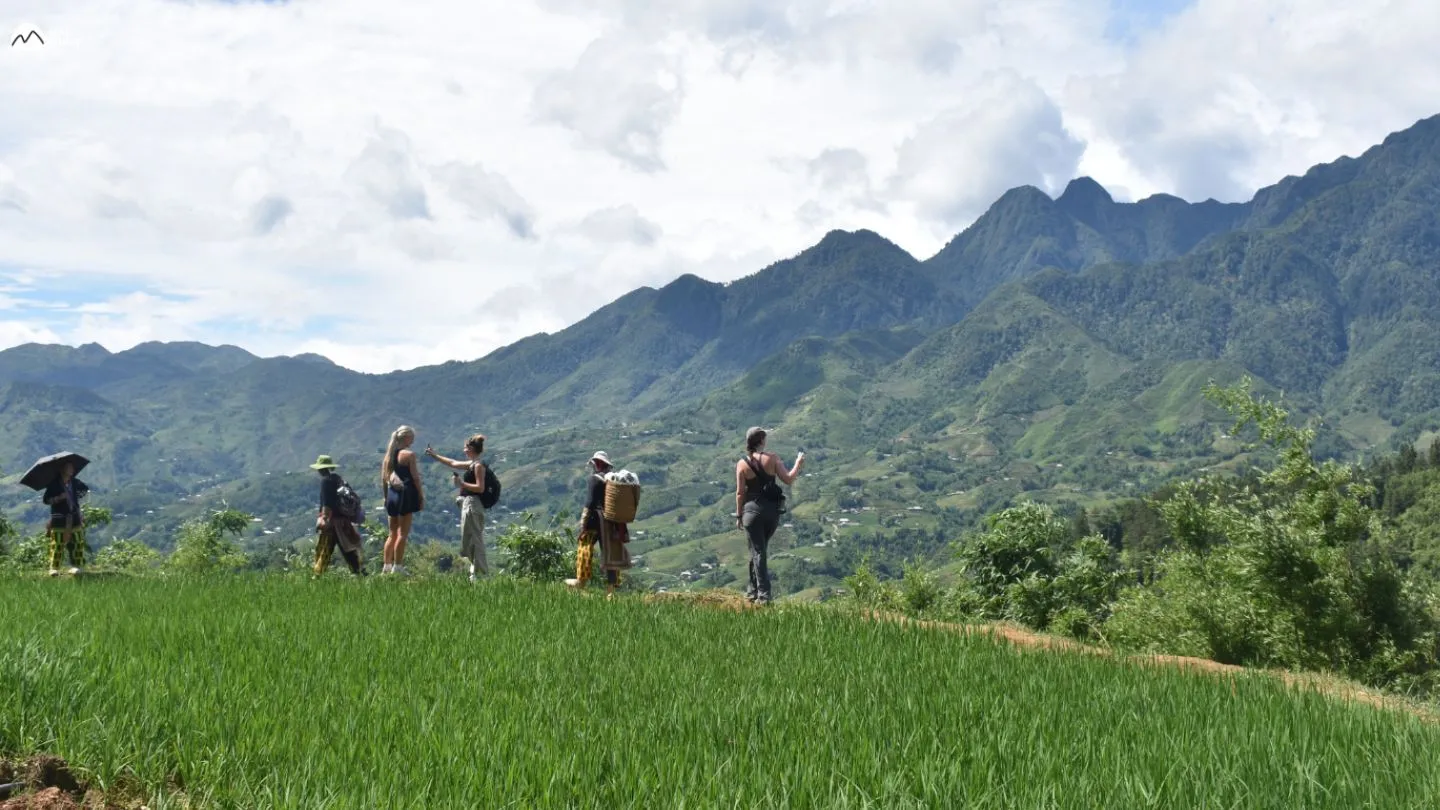
Lao Chai is the heart of the classic walk — down from Y Linh Ho, on toward Ta Van. The H’mong women who fall into step on the trail are part of it; they guide, they talk, and they sell at the end.
To walk it with a guide and a homestay night, see our Sapa trekking tours; to compare the valley’s villages, our Sapa villages guide lays them out.
Stay in a Homestay and Enjoy Local Food

A night in Lao Chai Village feels very different from staying in Sapa town. Dinner is often a simple spread of local dishes such as black chicken, grilled pork, bamboo-tube rice, mountain vegetables, and seasonal specialties. The food matters, but so does the setting — a warm meal, mountain air, and the slower rhythm of village life.
Browse Local Handicrafts
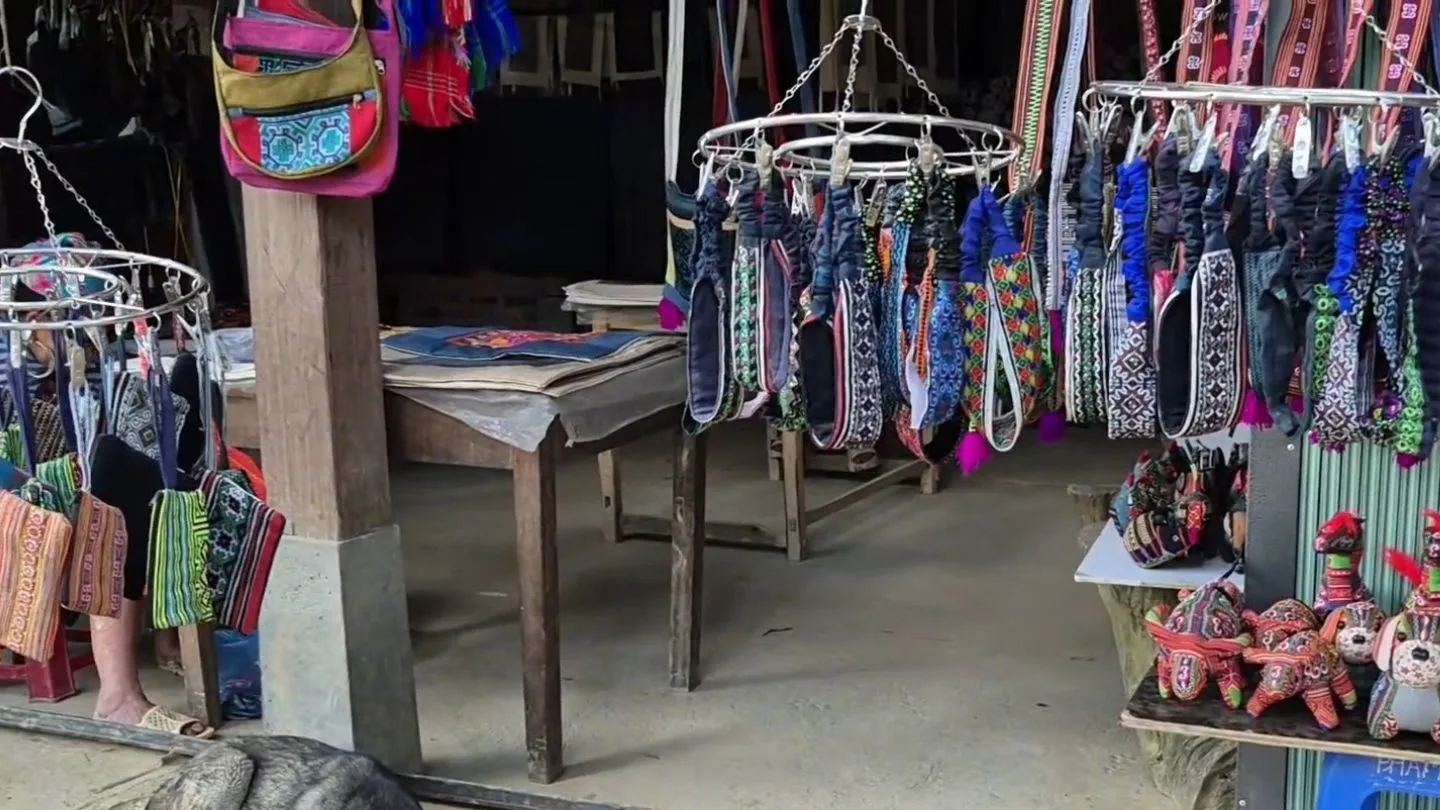
Handmade textiles, embroidered bags, indigo-dyed fabrics, and small crafts can be found throughout Lao Chai Village. Rather than rushing to buy souvenirs, take time to look closely at the details. Many of the items sold here reflect techniques and traditions that are still practiced in the surrounding villages today.
Walk Without a Destination

Some of the best moments in Lao Chai Village happen while simply wandering around. A village path might lead to a rocky stream, a quiet rice field, or a group of ducklings making their way across the road. There is rarely much happening, and that’s exactly the point. Lao Chai is one of those places that rewards slowing down.
Watch Traditional Batik Making
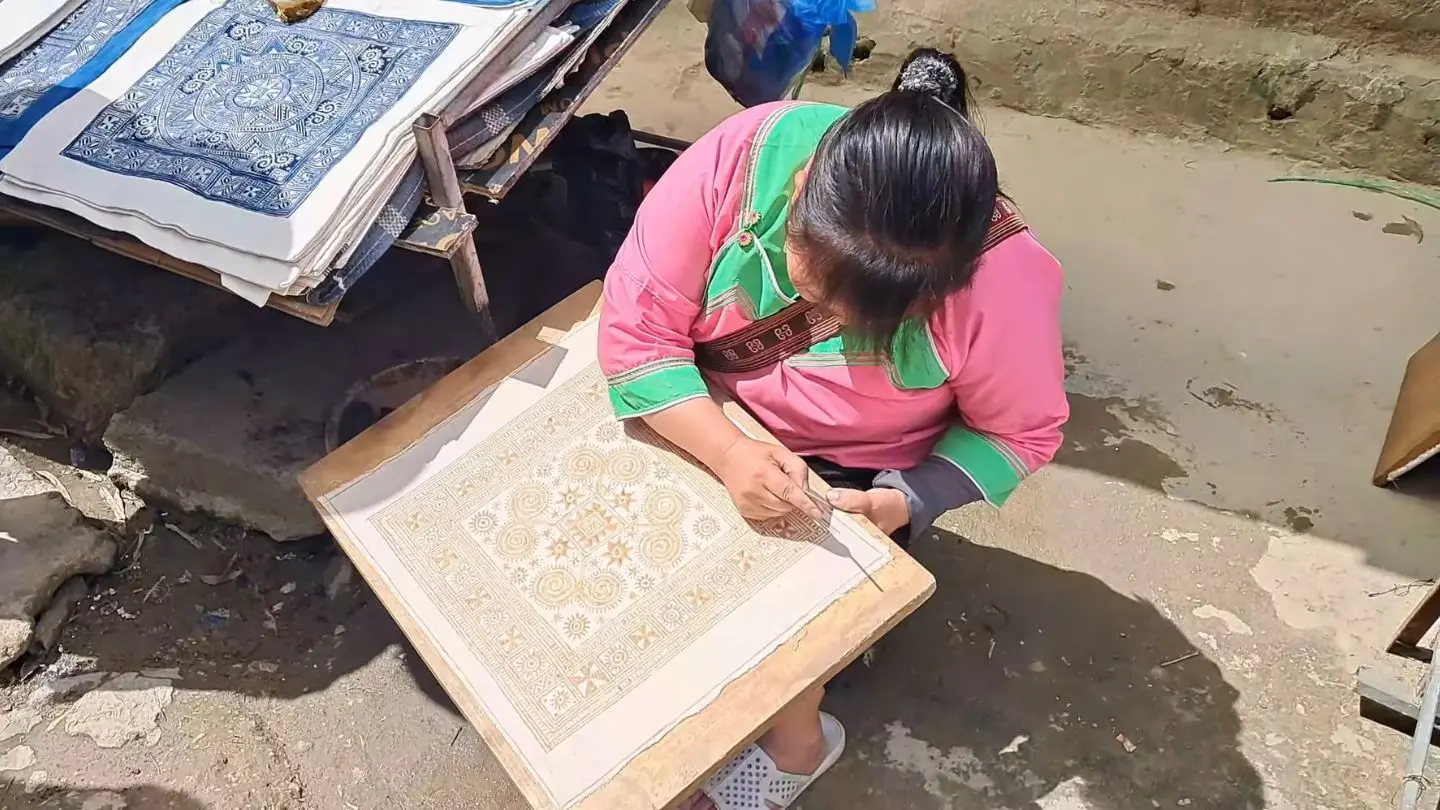
While most visitors come to Lao Chai Village for the scenery, traditional Batik making is one cultural experience worth seeking out. Watching wax patterns take shape by hand offers a closer look at one of Sapa’s most enduring crafts.
What is the best time to visit Lao Chai Village?
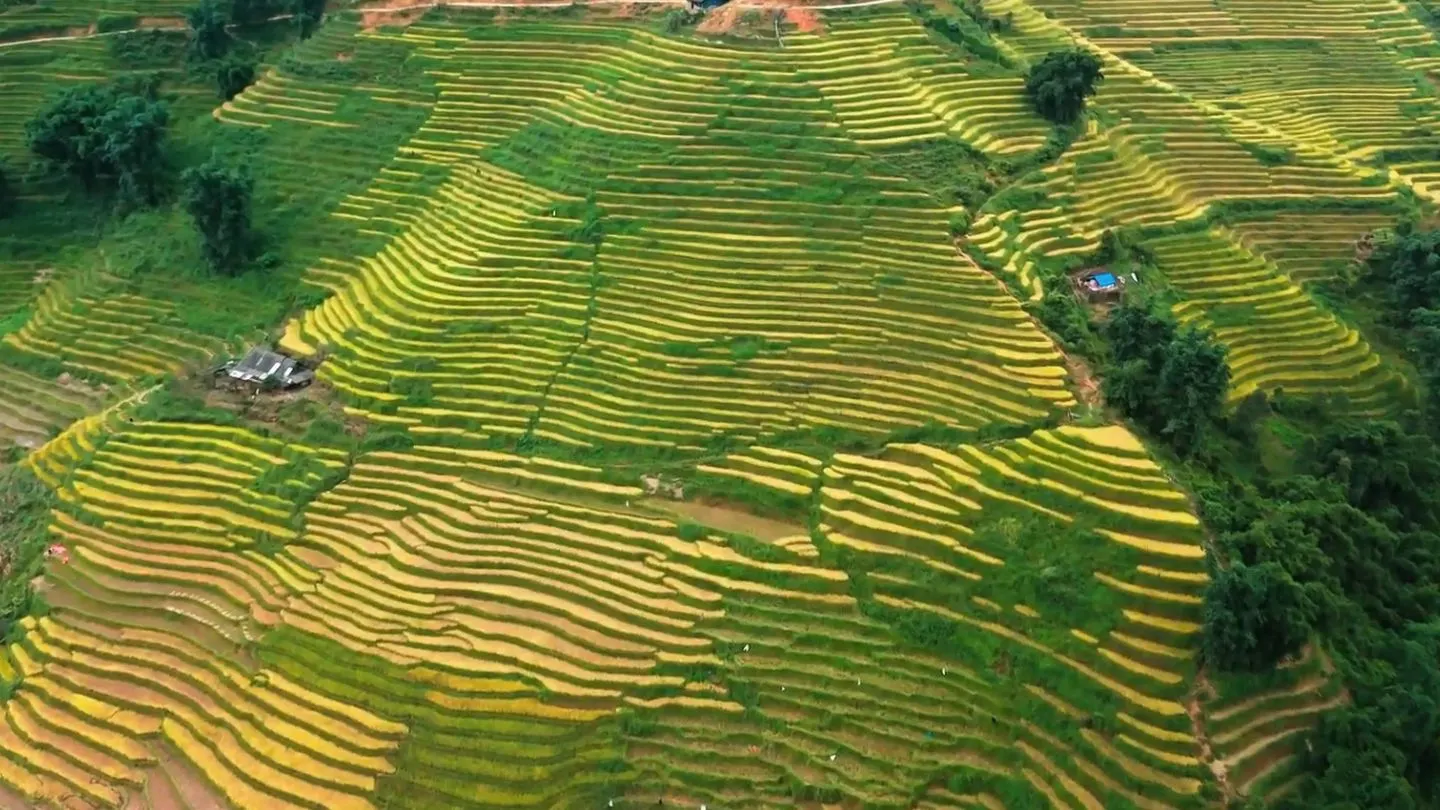
The terraces decide the season. Spring brings the water-pouring weeks, when the fields fill and mirror the sky; autumn brings the gold of the ripening rice. The air stays cool most of the year, so mornings are clear and good for walking.
How to get there from Sapa

Lao Chai Village is roughly 10 km from Sapa along the Muong Hoa road, and entry is free — only Cat Cat among the villages charges a ticket.
Most people trek down the valley, but you can also drive or ride a motorbike most of the way. There is no direct public bus, so go by car, bike, or guided tour.
Tips for visiting Lao Chai Village

Lao Chai doesn’t require much planning, but knowing a few practical things in advance can make your visit smoother. These tips are especially helpful if you’re planning to explore the village on foot or stay overnight.
- Wear comfortable shoes. Village paths can be uneven and muddy after rain.
- Bring some cash. Small shops, handicraft stalls, and homestays may not accept cards.
- Ask before taking photos of local people. This is a place where people live and work.
- Stay overnight if possible. Lao Chai feels completely different in the early morning and evening.
- Start your walk early for cooler weather and quieter trails.
- Leave time to wander. Some of the best moments in Lao Chai happen away from the main viewpoints.
Frequently Asked Questions
Is there an entrance fee for Lao Chai?
No entry is free. Among the Sapa villages, only Cat Cat charges a ticket. Bring cash for clothes, food, or a homestay.
Who lives in Lao Chai?
Mainly Black H’mong families, farming the terraces of the Muong Hoa valley at around 1,000 metres.
Is the Lao Chai trek difficult?
It is easy to moderate, mostly along the valley floor. Good shoes and a steady pace are all most walkers need.
How is Lao Chai different from Y Linh Ho?
Lao Chai is bigger and busier; Y Linh Ho up the trail is smaller, steeper, and quieter. Both are free, and many treks pass through both.
What is Lao Chai Village known for?
Lao Chai has a way of making people slow down. Between the rice terraces, mountain views, and small village homes scattered across the valley, there’s always something worth stopping to look at.
By late afternoon, the trail empties of day-walkers, and the woman who walked beside you has gone home up her own hill. The terraces darken step by step, the cooking fires start, and Lao Chai Village settles into the evening; it keeps for itself.
