


 Sapa Tours & Activities
Bac Ha Market: A Feast for the Senses in Vietnam’s Heart
By seven, the air still holds the cold off the hills. Flower H’mong women lay out brocade on plastic sheets. A horse shifts its weight in the livestock yard, waiting.
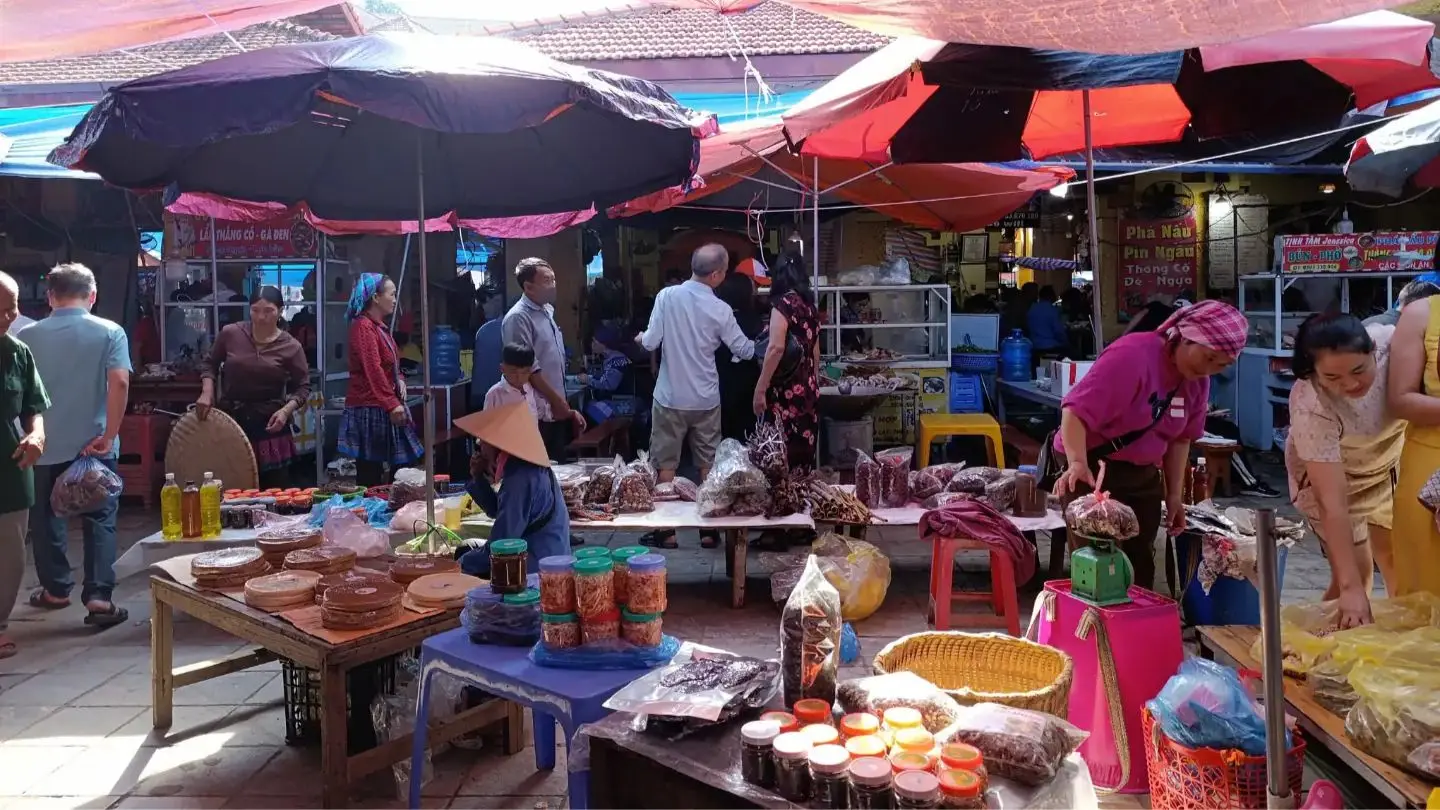
What the market is like
This is the largest market in the region, and it shows. Lanes braid together by trade: textiles in one stretch, food in another, animals at the far edge. The Flower H’mong dress carries the loudest pattern of all the groups here.
You will also see Dao, Tay, and Nung traders moving through the same lanes. The livestock yard sits apart, quieter in tone. Men inspect horses and water buffalo, running hands along a flank, naming a price.
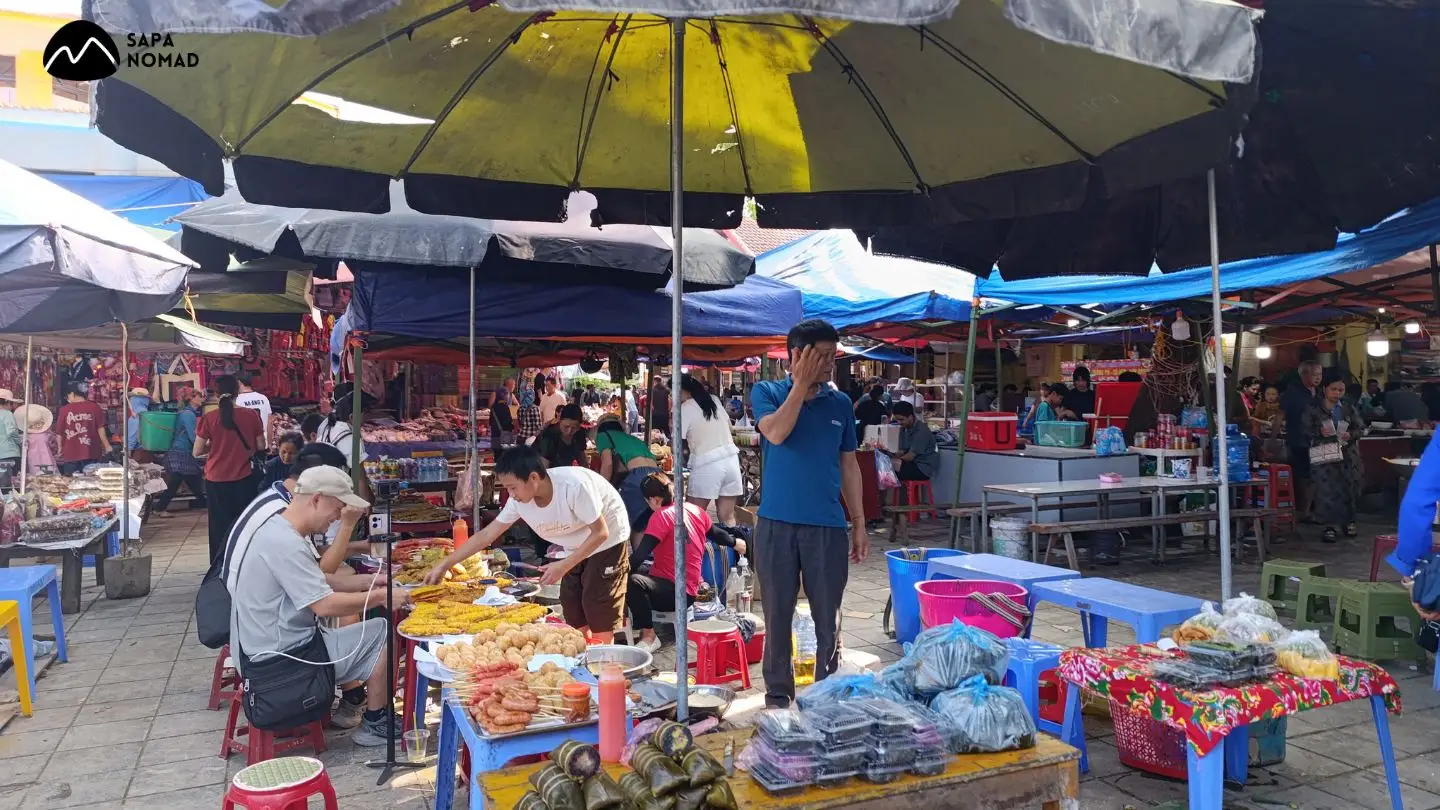
Steam rises from food stalls along the edges, where bowls of thang co and grilled meat pass across low tables and corn wine moves between cups. By midday, the Sapa buses arrive, and the lanes tighten with visitors.
Every Sunday morning, people from villages across the region gather at Bac Ha Market to trade, shop, eat, and catch up. It is busy, colourful, and easily one of the most memorable markets in northern Vietnam.
What to buy
Brocade textiles are the heart of the shopping: panels, bags, and indigo cloth worked by hand. You will also find silver, embroidered clothing, and machine-made goods mixed in, so look closely if handmade matters to you.
Tables are covered with dried roots, bark, and bundles of mountain herbs. Some shoppers stop to ask questions. Others already know exactly what they came for and head straight to their favourite stall.

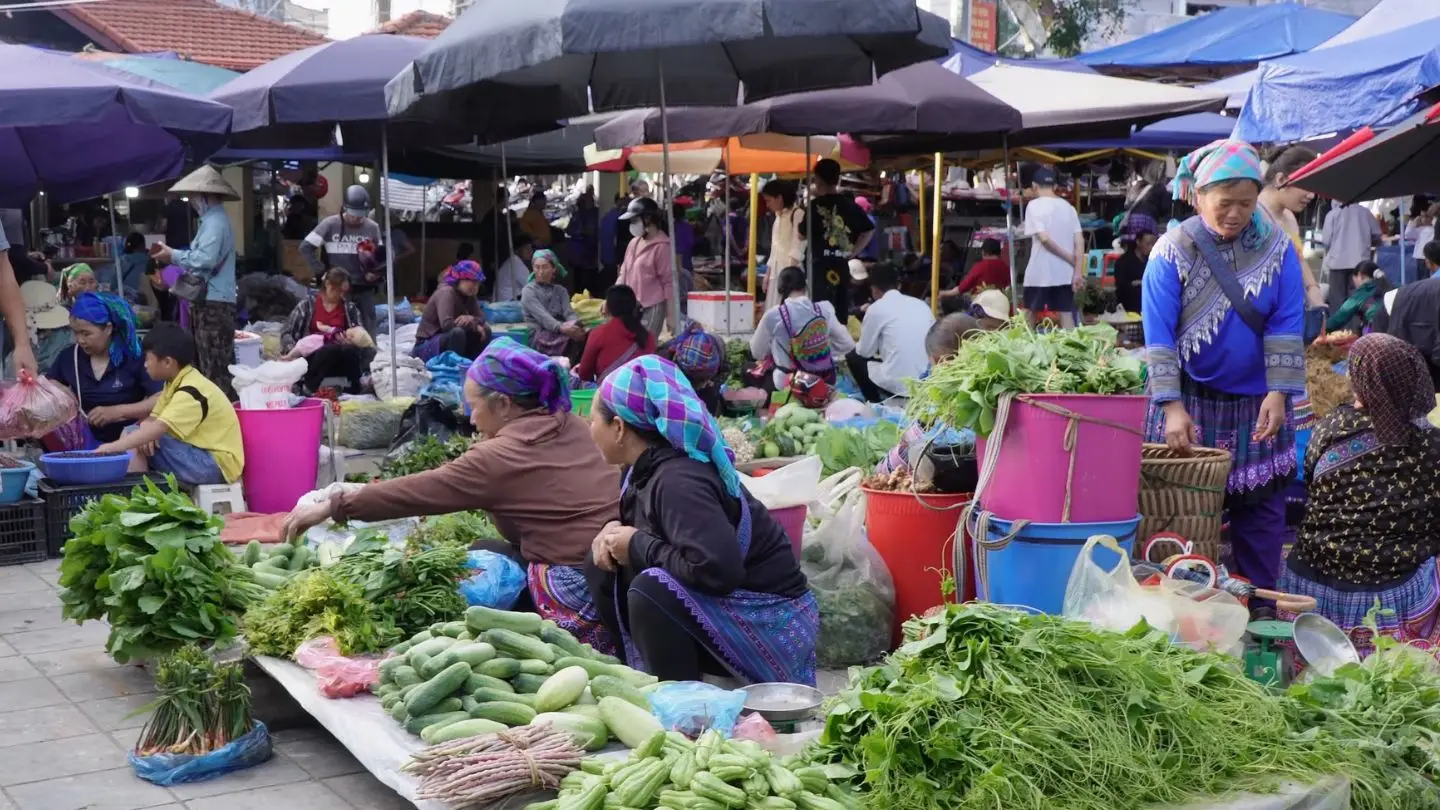
Fresh vegetables are everywhere. One stall has baskets of greens, another is piled with bamboo shoots and herbs. It feels like half the market arrived straight from the fields that morning.
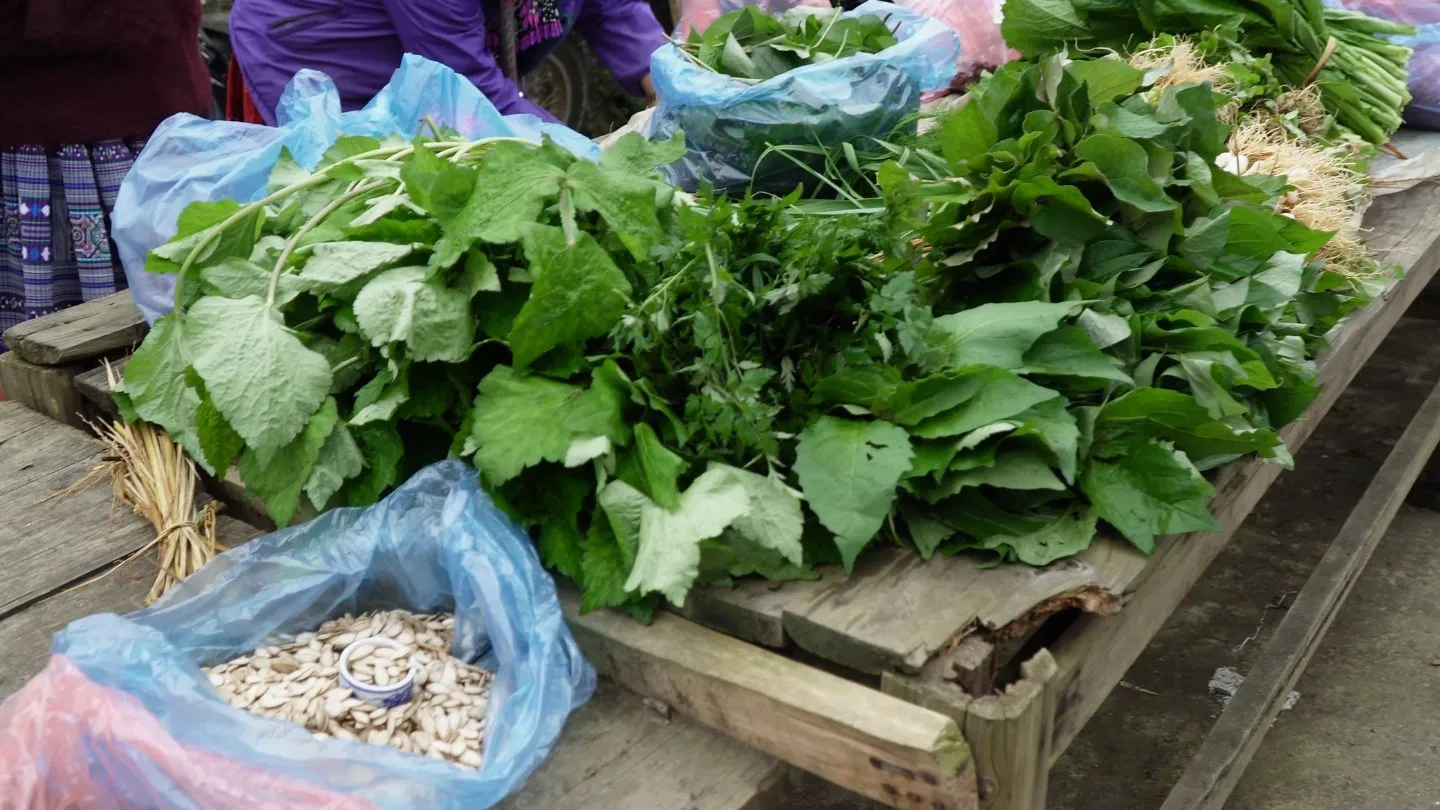
The fruit stalls change with the seasons. On one visit, you might see baskets of plums and peaches. On another, dragon fruit and citrus take over. Whatever is growing nearby usually finds its way here.

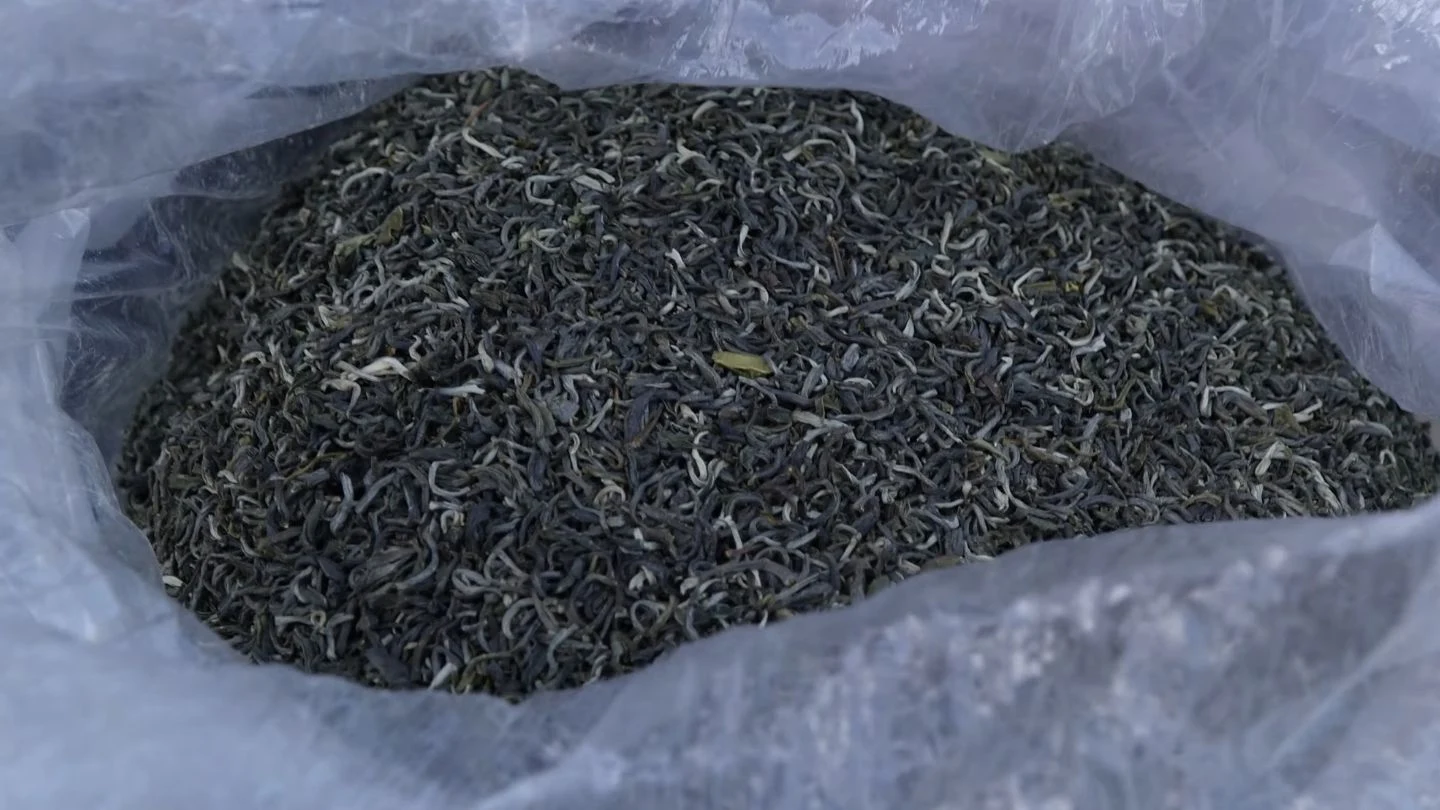
Tea is one of the easiest things to bring home from Bac Ha market. Small stalls display bags of Shan Tuyet tea from the surrounding mountains, and the sellers are usually happy to tell you where it came from.
You will probably hear this area before you see it. Pigs, chickens, buffaloes, and dogs are traded throughout the morning, while buyers gather in small groups to talk prices and catch up with neighbours.


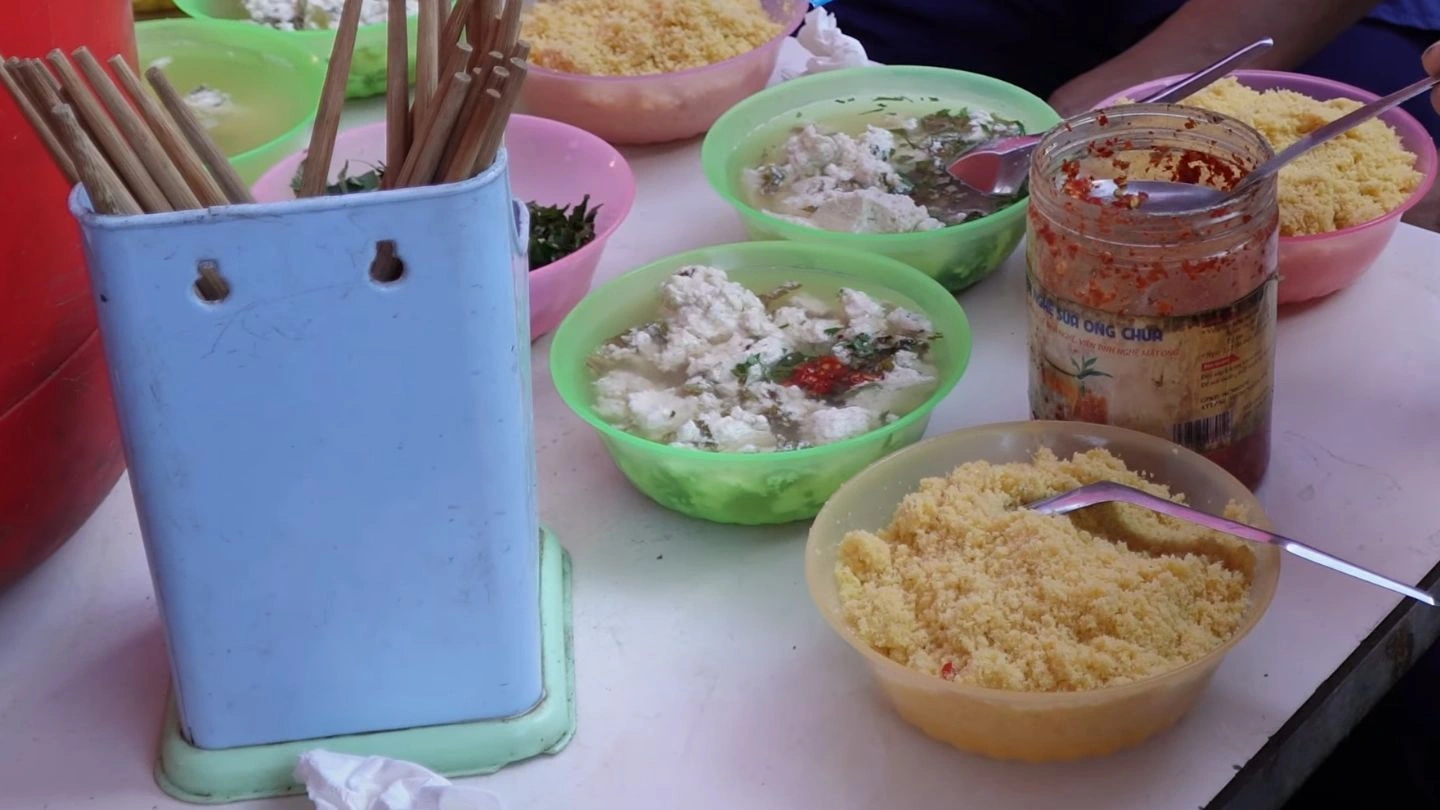
The food section is worth visiting even if you are not hungry. Between bowls of pho, sticky rice, men men, hot pot, and other local dishes, it is one of the liveliest corners of the market.
Many people walk through the market with a packet of sticky rice in hand. It is simple, filling, and easy to eat while exploring everything else around you.



Among the vegetables and Bac Ha market produce, you may spot baskets filled with live crabs. It is not the largest section of the market, but it is one that often makes people stop and take a second look.

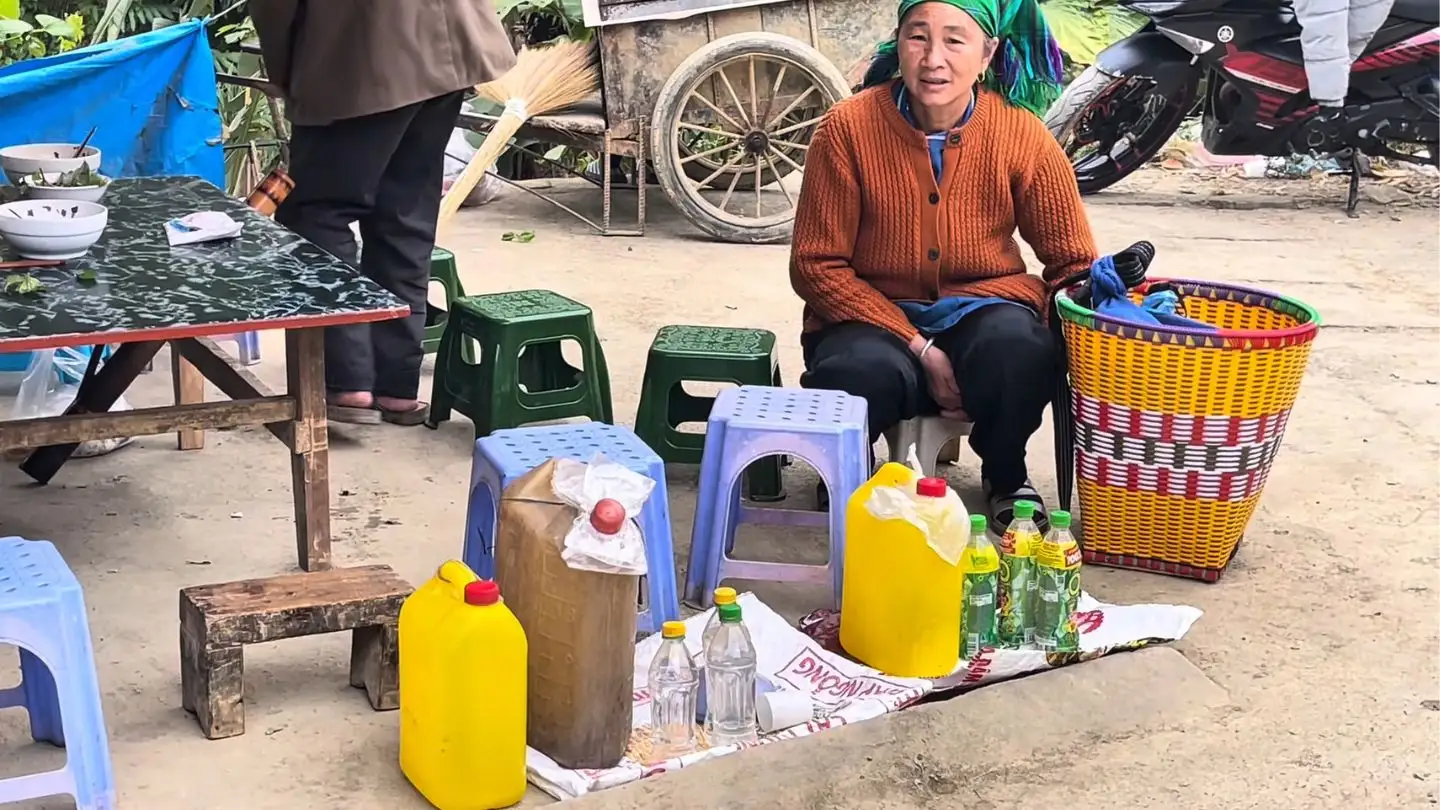
Plastic bottles of homemade rice wine appear all over the market. Some people buy a bottle to take home, while others stop for a quick taste before continuing their walk.
Best time to visit
Bac Ha runs only on Sundays, and only the morning truly counts. It opens early and is at its liveliest before the day warms; by late morning the trade begins to thin. Aim to be walking the lanes before 8–9 AM.
The simplest way to manage this: stay in Bac Ha town on Saturday night and step into the market at first light, before the vans roll in from Sapa.
How to get there from Sapa
Bac Ha town is about 95 km from Sapa, around 2h25 by road. Most travelers go by tour van or private car, since public transport timing is awkward for the narrow Sunday window. From Hanoi, it is a longer haul — roughly six hours – usually done as part of a multi-day trip.
Whichever way you come, arrive before 8 AM, ahead of the Sapa buses, while the market still belongs to its traders. The easiest option is a guided Bac Ha day trip from Sapa, which handles the early start and the timing.
Near Bac Ha Market: what else to see

Because the Bac Ha market is over by early afternoon, most travelers fold in a sight or two on the way out.
Hoang A Tuong Palace sits in Bac Ha town itself — the early-1900s seat of the Tay family who once governed this corner of the northwest, a strange blend of French and Chinese design. Bac Ha Temple and Thien Long Cave are short detours nearby for anyone with time after the stalls fold away.
Essential tips
- Arrive early. The market is liveliest in the first hours and quietens by late morning.
- Bring cash in Vietnamese Dong. Vendors do not take cards or foreign currency.
- Sleep in Bac Ha on Saturday if you want to go to the market before the buses.
- Bargain gently. For many sellers, this is the week’s income, not a performance.
Frequently Asked Questions
Is Bac Ha Market worth visiting from Sapa?
Yes. It is the biggest, most colorful ethnic market in the region, where H’mong, Dao, Tay, and Nung gather to trade. It gives you an authentic highland life within a half-day of Sapa.
What day is Bac Ha Market?
Sunday, every week. It does not run on other days, so plan your trip from Sapa around a Sunday.
How far is Bac Ha Market from Sapa?
About 95 km, or roughly 2h25 by road. An early start is needed to reach the market before the buses.
What time should I arrive?
Before 8–9 AM. The early hours are the quietest, the best for photos, and the liveliest for trade.
Can I visit other markets the same weekend?
Yes. Can Cau Market runs on Saturday nearby, so many travelers pair the two for a market weekend. See our Sapa markets guide for the full weekly calendar.
By early afternoon, the lanes thin again. The vans pull away toward Sapa, and Bac Ha settles back into the wide, pale hills that hold it. Too old, too far from anywhere, to be changed by one morning of visitors.
Related Tours & Transport
