


 Sapa Tours & Activities
Ta Phin Village: The Red Dao Herbal-Bath Village
The water comes up red-brown and steaming, a whole forest of leaves and roots boiled down into a wooden tub. You climb in, the heat takes your legs, and the Red Dao woman who lit the fire leaves you to it. People drive out to Ta Phin Village for the terraces and the ruins — but it is this bath they remember.
What the village is like
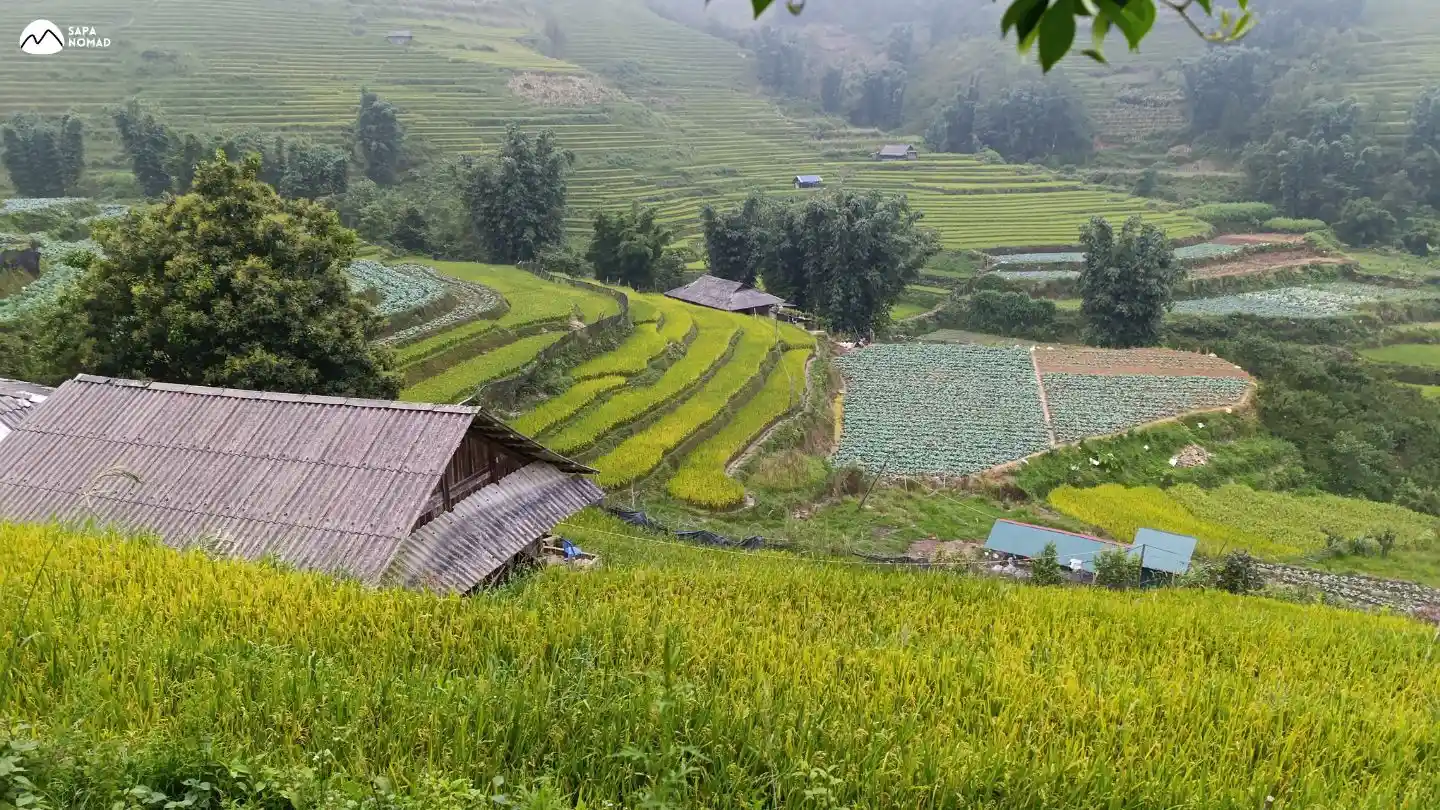
Ta Phin Village is a Red Dao village, with some Black H’mong, set in a valley northeast of town, away from the Muong Hoa trek and its crowds. It is known for craft rather than walking: brocade, herbal medicine, and a slow daily rhythm.
Because you drive rather than trek, Ta Phin works as a half-day trip. Most people come for the bath and stay for the village.
The Red Dao herbal bath
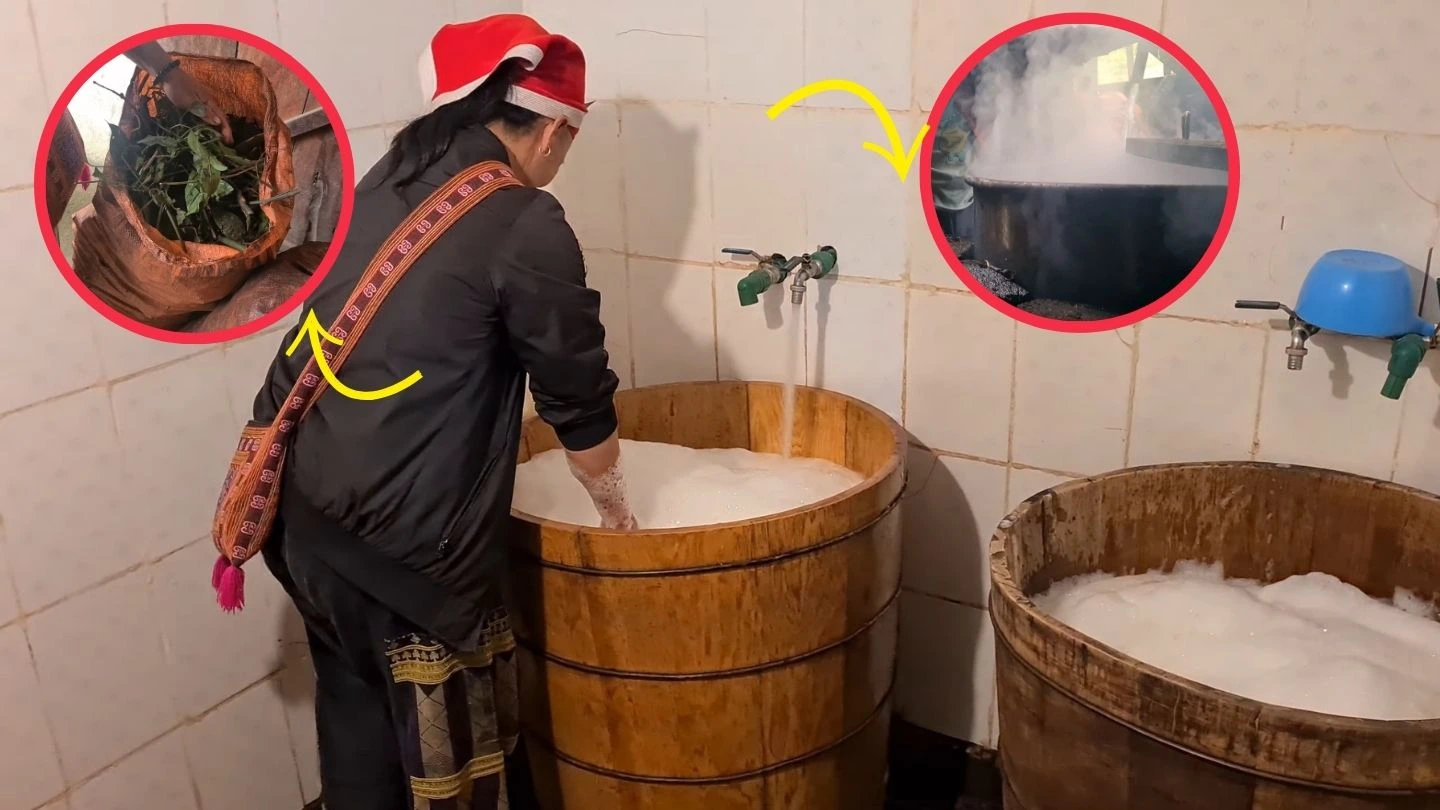
The herbal bath is Ta Phin’s signature. The Red Dao gather dozens of forest plants, boil them down, and pour the dark, fragrant water into a wooden tub. Twenty minutes in it, and a day on your feet simply lifts off.
Many homestays and small spas in the village offer it; bring small cash in Vietnamese Dong to pay.
What else to see and do
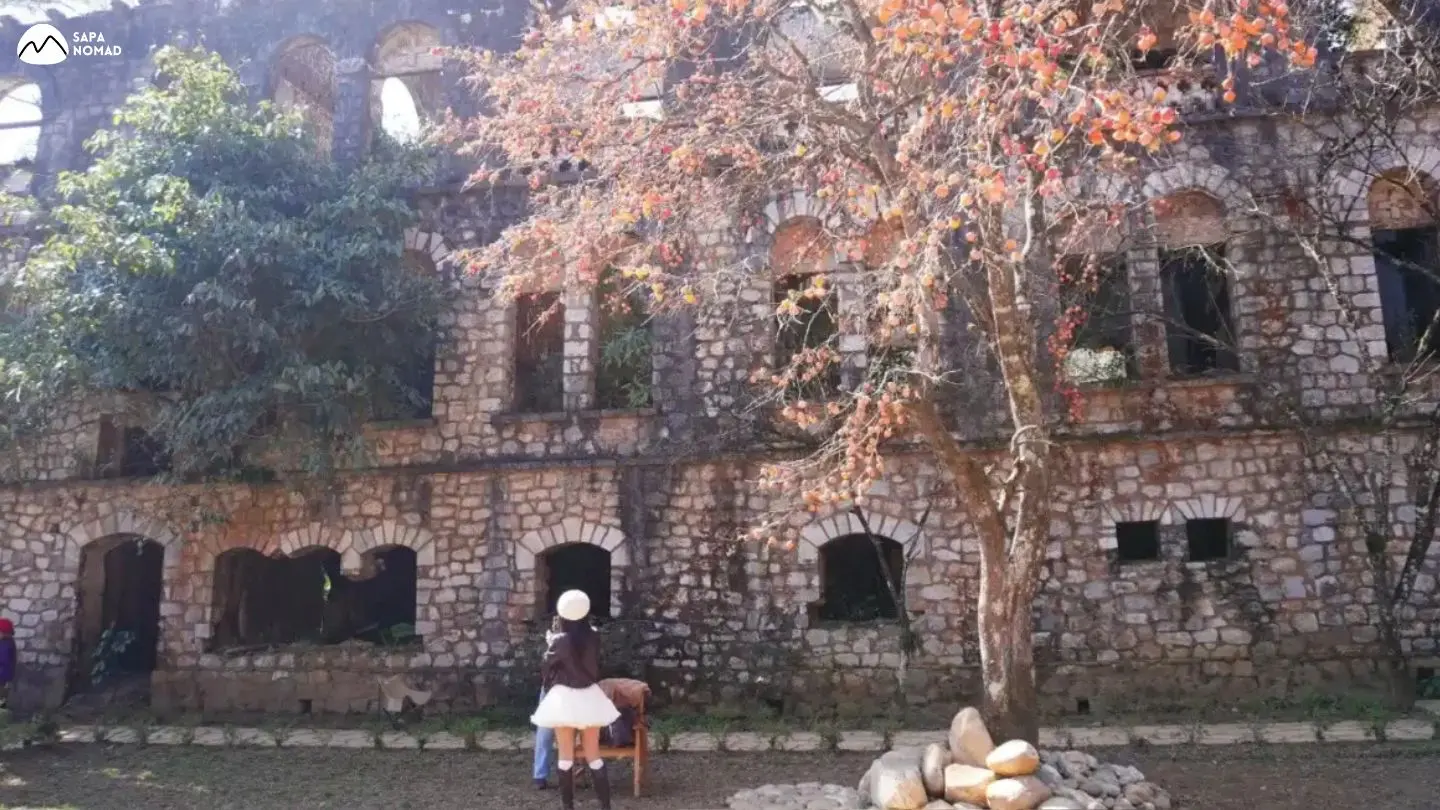
Many people come to Ta Phin for the Red Dao culture, but the old monastery is worth visiting too. The stone ruins sit quietly on a hillside overlooking the village, and it is easy to spend a little time here before continuing your walk through the valley.
There is not much to tick off a sightseeing list in Ta Phin Village, and that’s part of the appeal. A walk through the village might mean passing a buffalo, stopping by a small garden, or simply watching daily life unfold. It is the kind of place that rewards slowing down.

Ta Phin Cave makes an interesting detour if you have extra time in the village. The cave itself is less famous than some of Sapa’s bigger attractions, but that is part of what makes it enjoyable. It still feels a little off the beaten path.

One of the nicest parts of staying in Ta Phin is dinner. Meals are usually home-cooked and shared around a large table, with dishes like black chicken, mountain vegetables, and local herbs appearing often. The food is good, but the conversations tend to be what people remember most.

Embroidery is everywhere in Ta Phin Village. It is common to see Red Dao women stitching colorful patterns outside their homes or while chatting with neighbors. After spending some time in the village, it becomes clear that these textiles are still part of everyday life rather than something made only for visitors.

Best time to visit

Autumn brings the golden rice, and spring fills the terraces with water; both are good. The air stays cool most of the year, so any clear morning works. A herbal bath is best of all after a cold or rainy day.
How to get there from Sapa
Ta Phin Village is about 10 km northeast of Sapa, a 20–25 minute drive on the QL4D road. Go by motorbike, private car, or a guided tour; entry to the village is free. Our Sapa villages guide sets it beside the other villages.
There is no direct public bus, and it is too far to walk comfortably, so a ride is the way. The road is paved and easy, which is part of why Ta Phin suits a half-day.
Tips for visiting

- Book the bath ahead of time at a homestay if you want it ready when you arrive.
- Bring cash in Dong for the bath, brocade, and food.
- Buy brocade from the cooperative to make sure the money reaches the makers.
- Pair it with the monastery and cave for a full, easy half-day.
Frequently Asked Questions
Is there an entrance fee for Ta Phin Village?
No entry to the village is free. However, you pay only for the bath, crafts, or food, and a small fee for the cave.
How far is Ta Phin from Sapa?
About 10 km northeast, a 20–25 minute drive on the QL4D road. It is a drive, not a trek.
What is the Red Dao herbal bath?
A soak in a wooden tub of water boiled with dozens of forest plants — the Red Dao’s best-known custom, offered at homestays and small spas.
Who lives in Ta Phin?
Mainly the Red Dao, with some Black H’mong — known for brocade weaving and herbal medicine.
What else is there to see?
The ruined French monastery, the Ta Phin cave, a rattan bridge, and the weaving and herbal bath cooperative are all within easy reach of the village.
Afterward, you sit a while, loose and warm, and then you drive back down toward Sapa. The heat stays in your legs most of the way, and Ta Phin Village folds quietly back into its hills behind you.
