


 Sapa Tours & Activities
What to See in Sapa Vietnam: The Sights Worth Seeing
Sapa is a town you mostly come to look at. The valley falls away in terraces, cloud moves through it like weather with somewhere to be, and on a clear evening, the whole range turns gold. So, what to see in Sapa Vietnam? Before you plan a single trek, it is worth knowing what there is to see.
The valley and Villages

It doesn’t take long before Sapa begins to feel different. The town fades behind you, the road grows quieter, and the mountains slowly take over.
Muong Hoa Valley is where many of Sapa’s best-known villages come together. Y Linh Ho, Lao Chai Village, Ta Van, and Giang Ta Chai Village are all connected by trails that wind through rice terraces and streams. If you keep going, Hoang Lien Valley offers an even quieter side of Sapa, with Sin Chai Village tucked beneath the mountains.
I always think the villages are what make the valleys memorable. The views are beautiful, of course – but it’s the slower pace of life that stays with you.
Mountain Passes, Viewpoints, and Waterfalls
If you have half a day to explore outside Sapa, I’d always recommend driving toward O Quy Ho Pass. It’s the highest mountain pass in Vietnam, but more than that, it’s one of those roads where you’ll want to stop every few minutes just to look around.
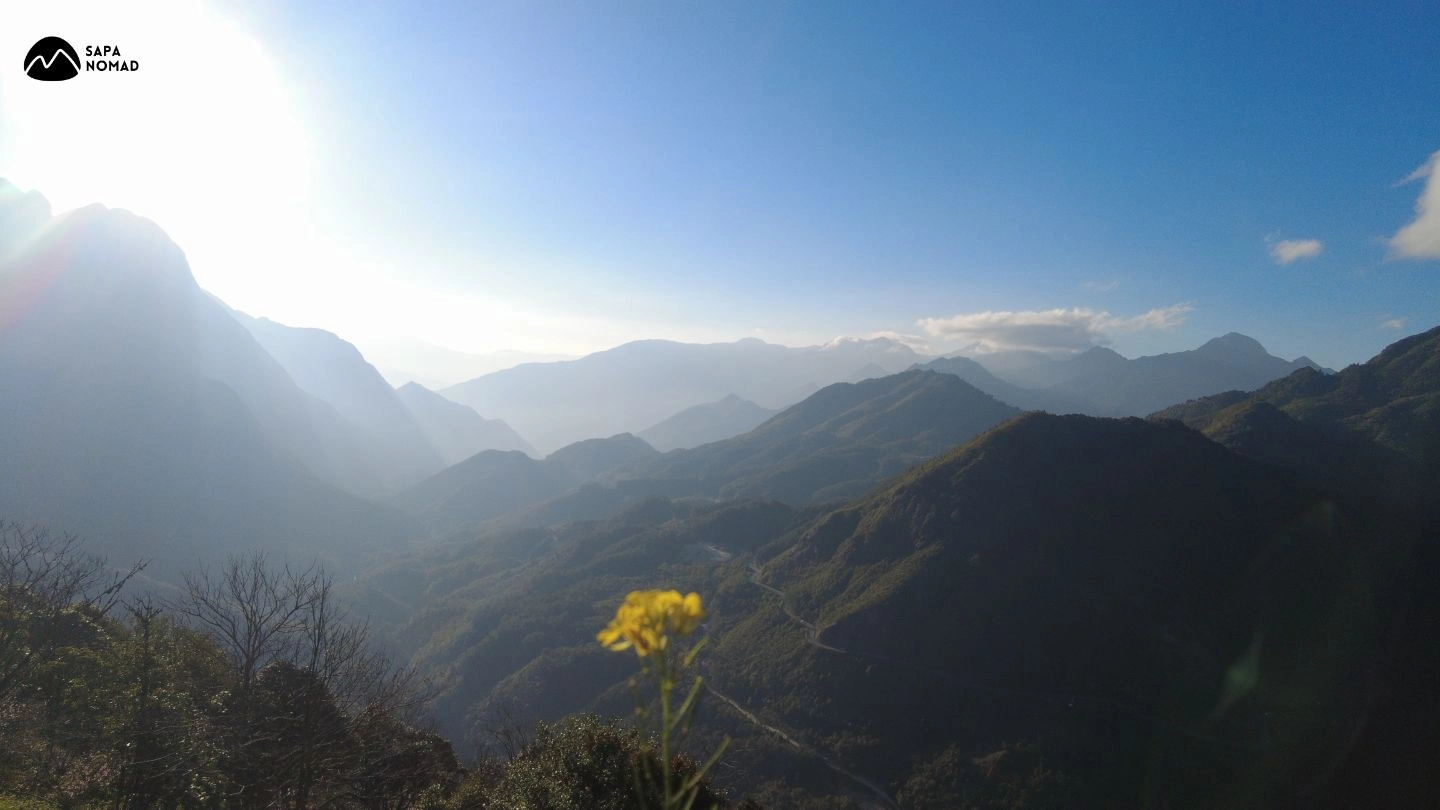
The first stop is usually Silver Waterfall, which sits right beside the road, so it’s easy to visit. A little further on, a short walk through the forest brings you to Love Waterfall. It’s also where many trekkers begin their journey to Fansipan.

The road continues through Hoang Lien National Park, home to the mountains surrounding Fansipan. If you’d like to explore the park beyond the viewpoints, there’s a small entrance fee.
Sites In town

You do not have to leave Sapa to find sights. The stone church is the point everyone meets at, free to step inside. Around it, Sapa Square and the lake fill the evenings, and the small culture museum is a free, quick way into the area’s ethnic history.
For the easiest big view, climb Ham Rong Mountain, a stepped garden park right above the town.
History and cultural heritage

Sapa’s history doesn’t always ask to be noticed. Sometimes, it’s simply a quiet church before the cafés open, an old monastery wrapped in mountain mist, or the soft scent of incense drifting from a temple nearby.
The Stone Church has stood at the heart of town for generations. The Sapa Museum offers a closer look at the traditions and everyday life of the ethnic communities who have called these mountains home for centuries.
A little further from the center, Ta Phin Ancient Monastery sits quietly among pine trees, its weathered stone walls slowly blending back into the landscape. If you continue exploring, you’ll also come across Sapa temples, where local traditions are still part of everyday life rather than something preserved for visitors. Further out in Bac Ha, the Hoang A Tuong Palace mixes French and Asian styles.
A few sights carry the area’s past. The Sapa Ancient Rock Field holds carvings no one has fully explained, scattered through the Muong Hoa valley. Further out in Bac Ha, the Hoang A Tuong Palace mixes French and Asian styles.
Free Places to Explore
A lot of the best of Sapa costs nothing. The church, the square, the culture museum, the passes and most viewpoints are all free. For the full list, see our guide to free things to do in Sapa.
Beyond Sapa: Fansipan and Sapa Markets
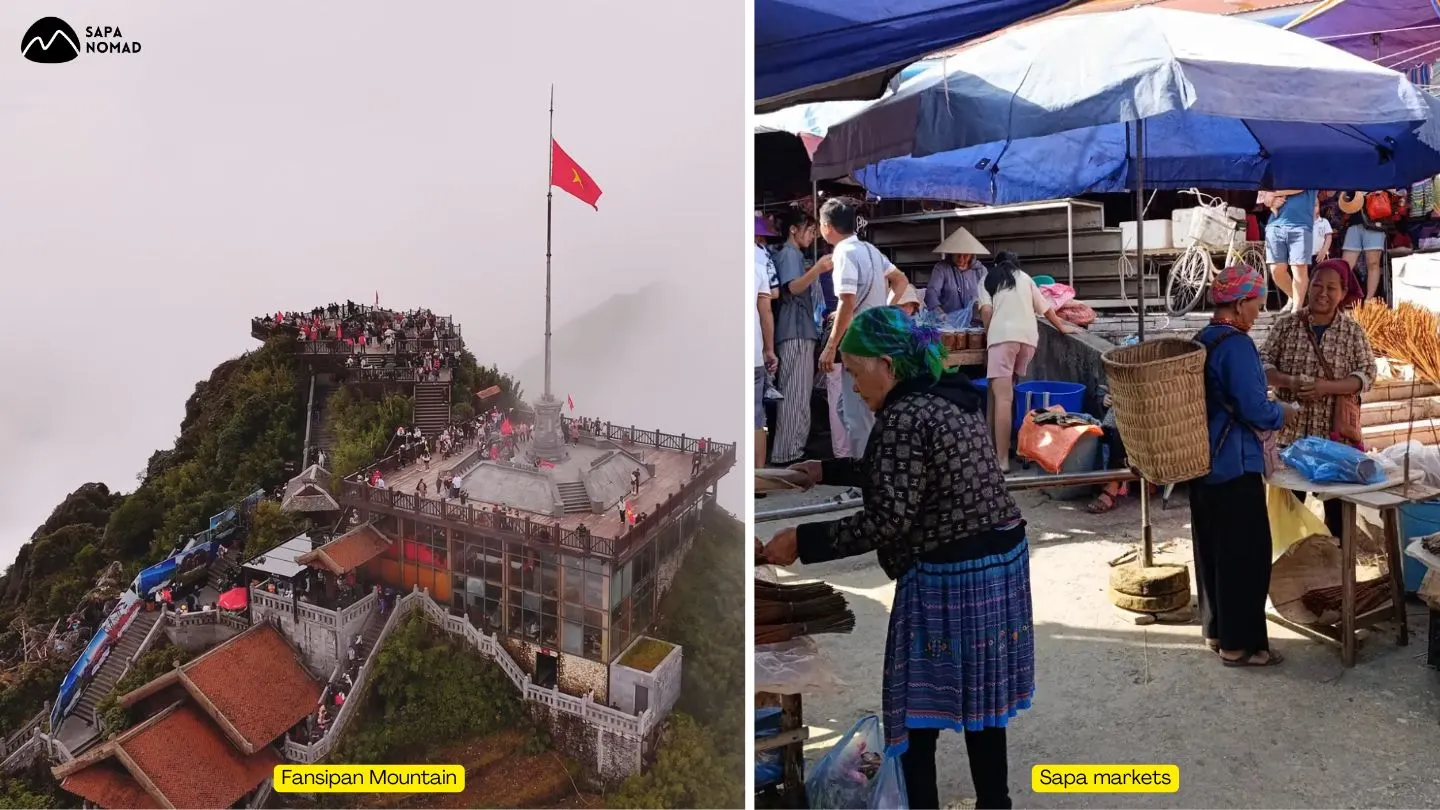
The sights are only part of it. The Sapa markets guide; and for the cable car, glass bridge, and summit, Fansipan and Sun World. For everything there is to do in one place, start with our things to do in Sapa guide.
Frequently Asked Questions
What are the must-see sights in Sapa?
The Muong Hoa valley, O Quy Ho Pass, the stone church, the Silver and Love waterfalls, and the view from Ham Rong. Together they cover scenery, water, and the town itself.
Which Sapa sights are free?
The stone church, the square, the culture museum, the lake, the Lonely Tree, and most viewpoints and passes. The waterfalls, Ham Rong, and the national park charge a small ticket.
What can you see in Sapa in one day?
The town sights — church, square, museum — plus Ham Rong or a walk into the Muong Hoa valley. With transport, add a waterfall or the O Quy Ho pass.
What is the best view in Sapa?
O Quy Ho Pass and the Muong Hoa valley for scenery, and Fansipan for the highest. Cloud season, October to March, is the most dramatic.
Do you need a guide to see the sights?
No for the town sights and waterfalls. A car or motorbike helps for the pass and the sights further out, like Bac Ha.
You can see the headline sights in a day or two, and most people do. But Sapa keeps the best of itself for the in-between moments. A gap in the cloud over the valley, the church tower surfacing out of fog, a pass you did not mean to drive to the top of.
Related Tours & Transport

Hi there..I am Wicak from Jakarta, Indonesia. Is your schedule available for 5 to 10 Dec? We’ (3 ladies and 1 male, age 45 to 56) would like to see Sapa and Hanoi.