


 Sapa Tours & Activities
25 Best Things to Do in Sapa: A Local’s Complete Guide (2026)

🗺️ At a Glance
- Must-do: Pick 5–6 attractions across 2–3 days, not all 25. Combine trekking + Fansipan + 1–2 villages + spa for a strong day balance. Book Fansipan cable car ahead in peak season.
- Best time: August–October = golden rice harvest (peak season). March–May = spring blooms (excellent value). June–August = rainy afternoons but lush green terraces.
- Days needed: Min 2 nights / 3 days for top attractions. Ideal 4 nights for trekking + Fansipan + village immersion.
- Budget/day: Attractions $10–30 · Day tours $25–95 · Multi-day packages $130–280 · Fansipan cable car $36
- Avoid: Walk-in unguided treks (illegal on Fansipan since 2019). Rushing all 25 in 2 days. Generic group bus tours promising "5 attractions in 1 day" — they do not deliver.
After a decade running tours in Sapa, I get asked the same question every check-in: “What should we actually do here?”
It’s a fair question. Search “things to do in Sapa” and you’ll get 50 articles, most written by people who’ve never spent a night in our town. They list the same 10 attractions in the same order, and they’re often wrong about the small things — the ticket prices, the best hours, whether a tour is worth the cost.
This guide is different. Our team curates the 25 attractions below based on booking data from 5,000+ international guests per year. Some attractions live up to their reputation. Others quietly outperform the hype. A few are still on every “top things to do” list but no longer worth your time.
I’ll tell you which is which. And — equally important — I’ll tell you when to skip each one.
→ Browse by theme: Nightlife — 19 bars | The 8 highland markets | Villages guide
Why Sapa Should Be on Your Vietnam Itinerary
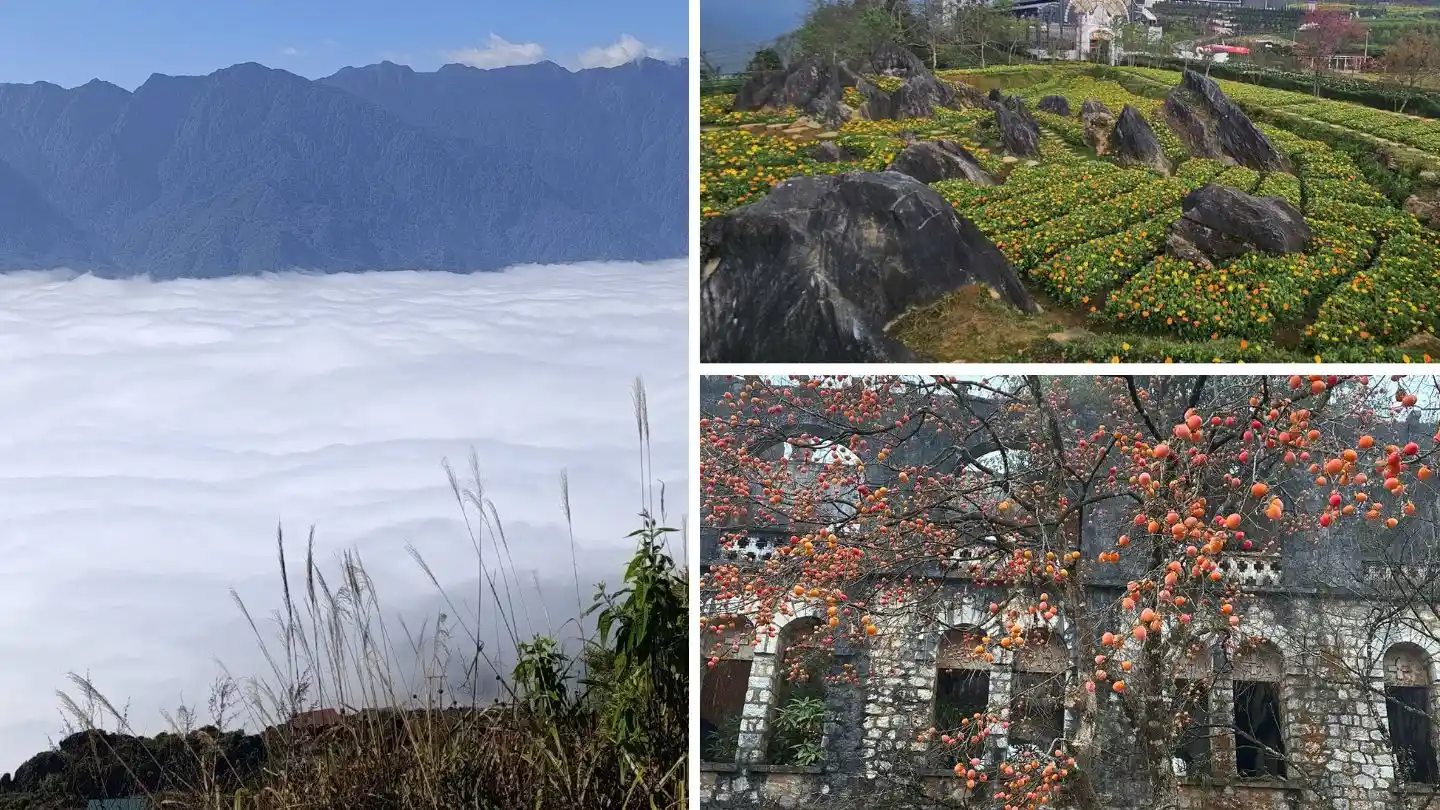
Most travelers come to Vietnam for Hanoi’s chaos and Ho Chi Minh City’s energy. Sapa is the opposite — and that’s the point.
Sapa sits at 1,500 meters in the Hoang Lien Son mountains, about 6 hours northwest of Hanoi. The town itself is small (walkable in 20 minutes), but the valleys around it stretch for kilometers — into rice terraces, ethnic villages, and old French-era roads that curve through cloud forest.
What makes Sapa different isn’t just the scenery. It’s the rhythm. People here move slower. Markets still run on weekly schedules, not tourist clocks. The five hill-tribe communities — Hmong, Dao, Tay, Giay, and Xa Pho — still wear traditional clothing not for photos, but because it’s what they wear. And the weather changes the entire mood of the town in a single afternoon.
From our 2026 bookings: 73% of first-time Sapa visitors extend their stay beyond what they originally planned. The travelers who fall in love with Sapa are the ones who give it more than one day — by day three, something shifts.
The 25 Best Things to Do in Sapa
I’ve grouped these by interest. If you only have one or two days, pick from the categories that fit your travel style. If you have a week, do them all.
Cultural & Ethnic Experiences
I’ve always felt that Sapa becomes far more meaningful once you step beyond the viewpoints, so here are a few cultural experiences truly worth slowing down for.
1. Trek to Cat Cat Village — Hmong Cultural Heart
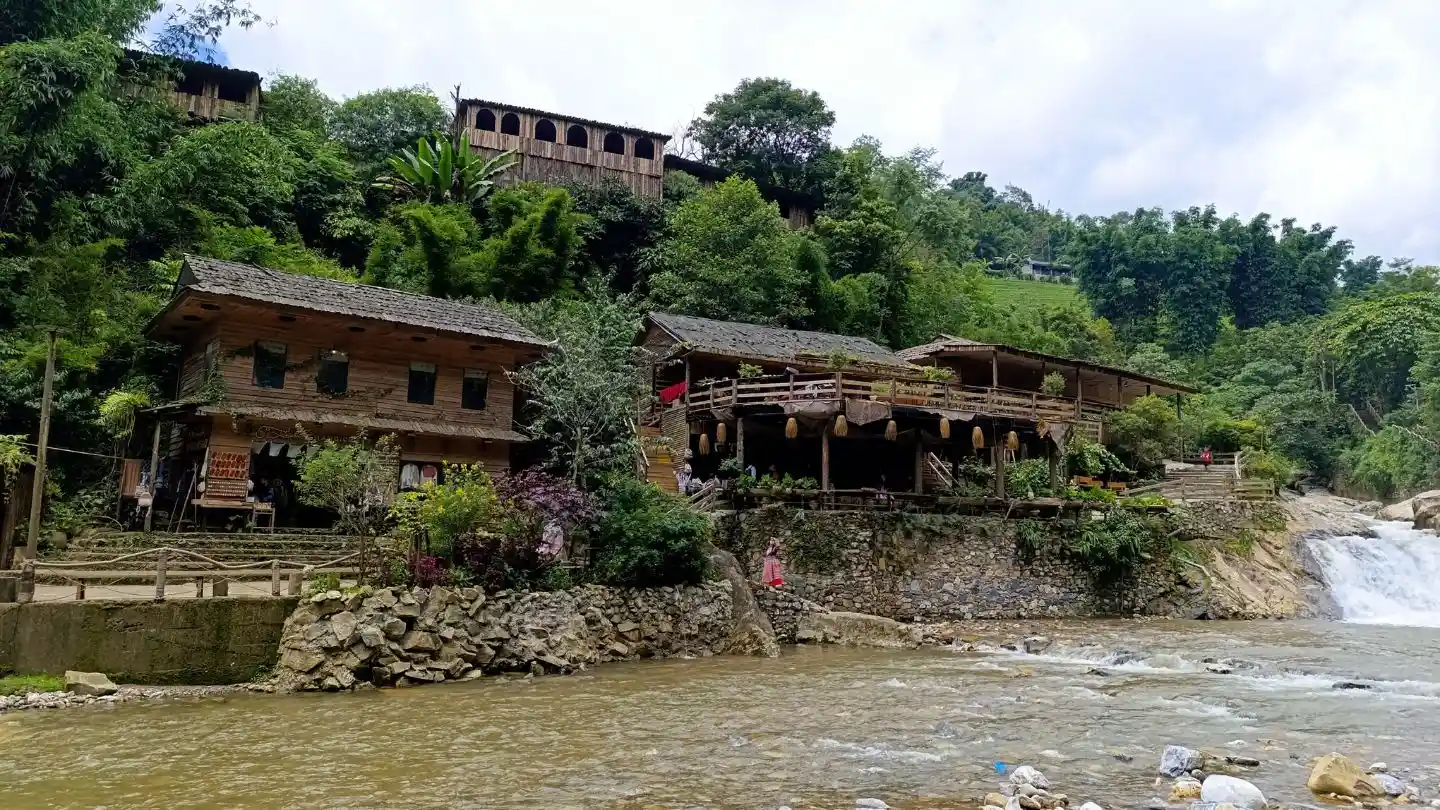
Cat Cat is the closest village to Sapa town (3 km), which makes it the most visited — and the most photographed. But here’s what most travelers miss: skip the main drag with souvenir stalls and walk toward the back of the village. That’s where families still weave indigo by hand and where the waterfall most day-trippers never reach is hidden.
From our bookings: We send 80% of first-time guests here on our easy 1-day trek because it’s the right entry point — manageable terrain, real cultural exposure, no overcommit. Entry costs 150,000 VND. Go before 9 AM to avoid tour groups.
→ Full guide: Cat Cat Village
2. Bac Ha Sunday Market — The Real Highland Market
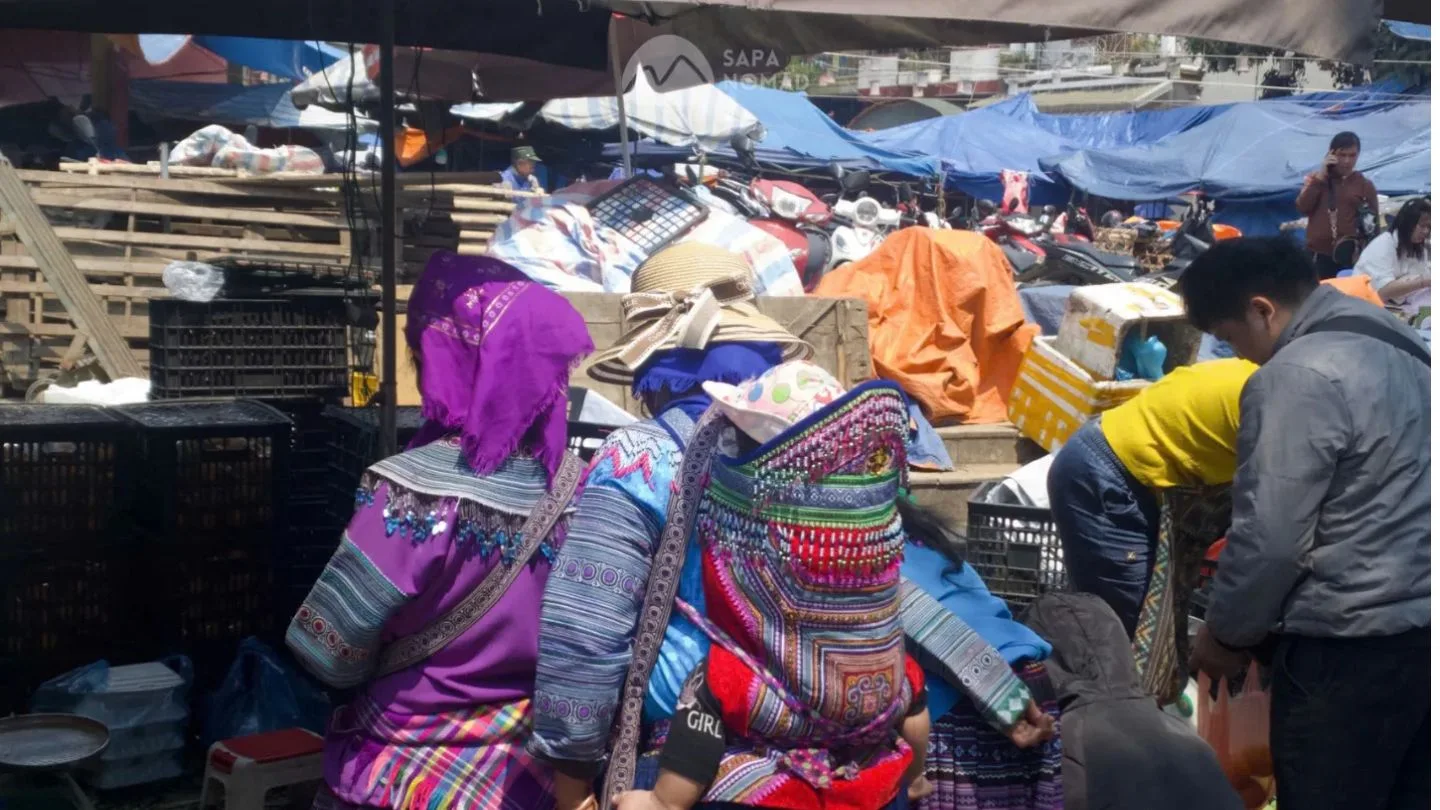
Bac Ha is a 2.5-hour drive from Sapa, but every Sunday it transforms into the largest hill-tribe market in northern Vietnam. The Flower Hmong women here wear pink and green pleated skirts — different from the indigo black of the Hmong around Sapa town. That contrast alone is worth the trip.
This is a market for locals, not for tourists. You’ll see water buffalo being traded, herbal medicine sold by weight, and rice wine poured straight from plastic containers. It runs 6 AM to 2 PM.
From our bookings: We run Bac Ha day trips every Sunday — start at 7:00 – 7:30 AM from Sapa to beat the tourist buses arriving from Hanoi at 9 AM. The 2-hour window between 7-9 AM is when the market is most local.
→ Full guide: Bac Ha Market
3. Watch a Traditional Spring Festival
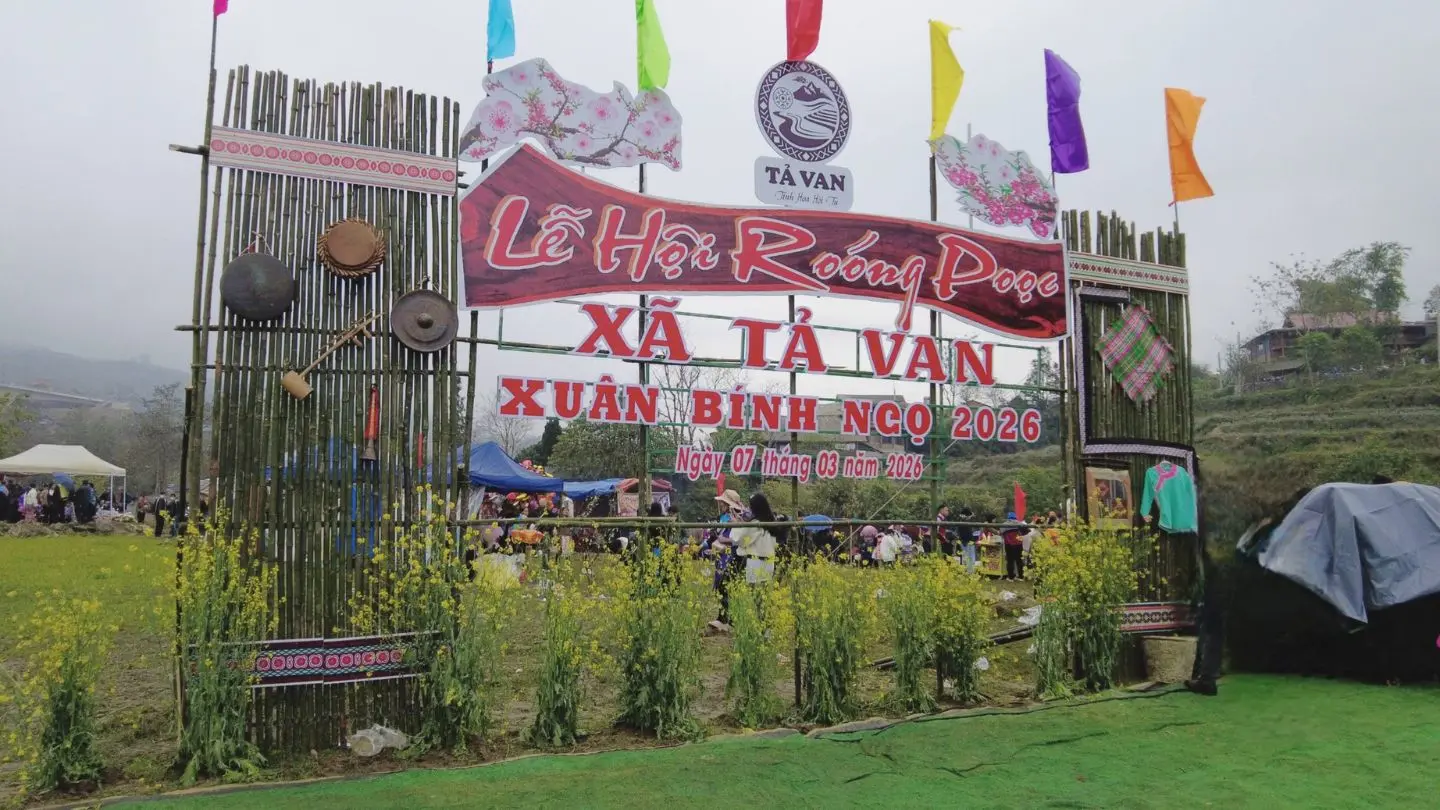
Between January and March, Sapa’s villages run a calendar of festivals most travelers don’t know exist. Long Tong (Hmong, Giay ethnic, mid-February). Gau Tao (Hmong, early February). Each is a glimpse into rituals unchanged for centuries — boys playing pao (a courtship game with cloth balls), buffalo fighting, traditional songs in dialects no Hanoi guide would understand.
From our bookings: Guests who plan their Sapa trip around these festivals get the most memorable experience — by far. The downside: dates shift each year based on the lunar calendar, so check with us a month ahead.
→ Full guide: Traditional Spring Festivals in Sapa
4. Visit Sapa Culture Museum
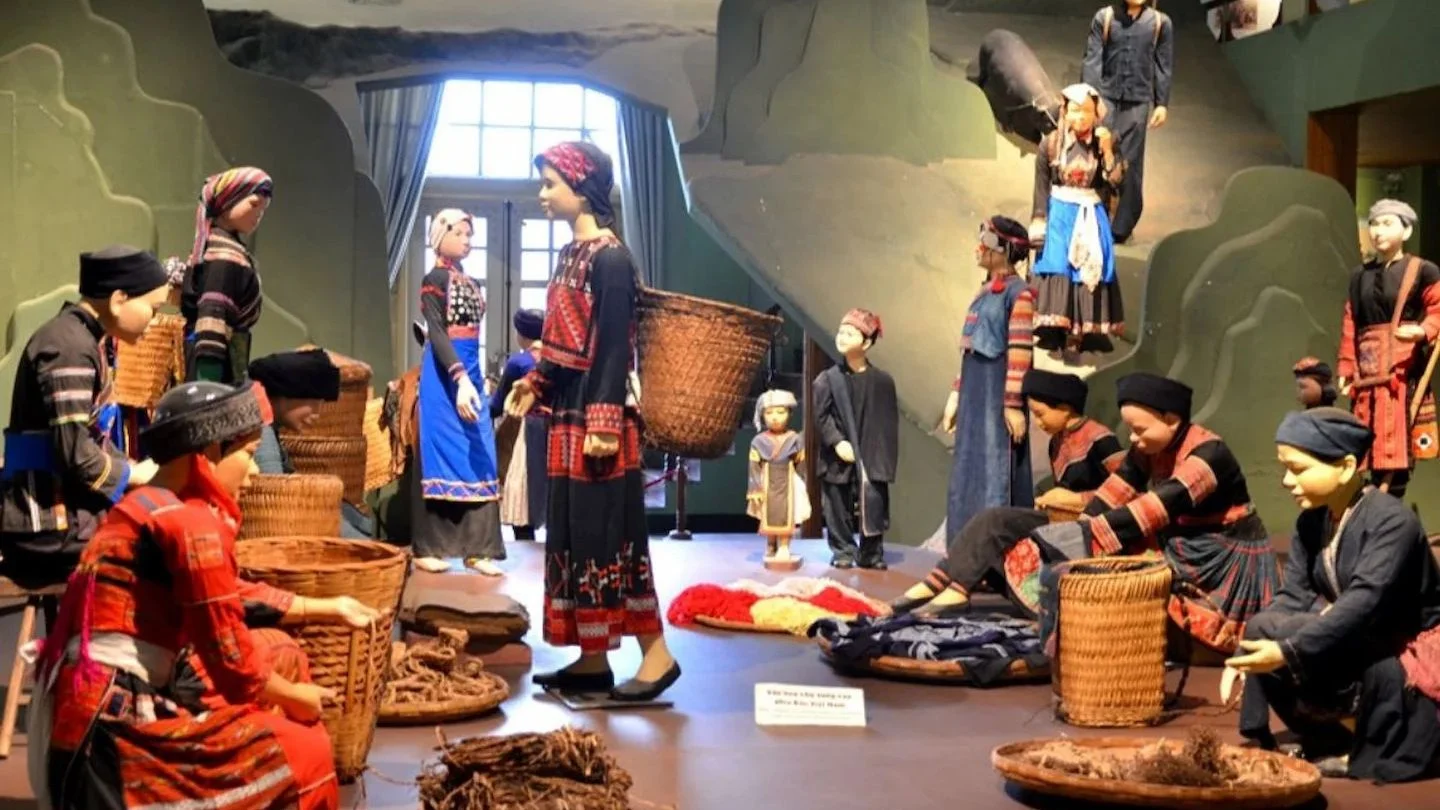
A small museum in central Sapa town with displays on the five hill-tribe groups — clothing, tools, marriage rituals, and the agricultural cycles that still shape life here. It’s not a flashy museum. It takes 30-45 minutes to see properly. But after walking through, the villages you visit afterward will make more sense.
Entry is 20,000 VND. Open daily 8 AM-5 PM.
→ Full guide: Sapa Culture Museum
5. Understand the Five Ethnic Groups Through Their Clothing
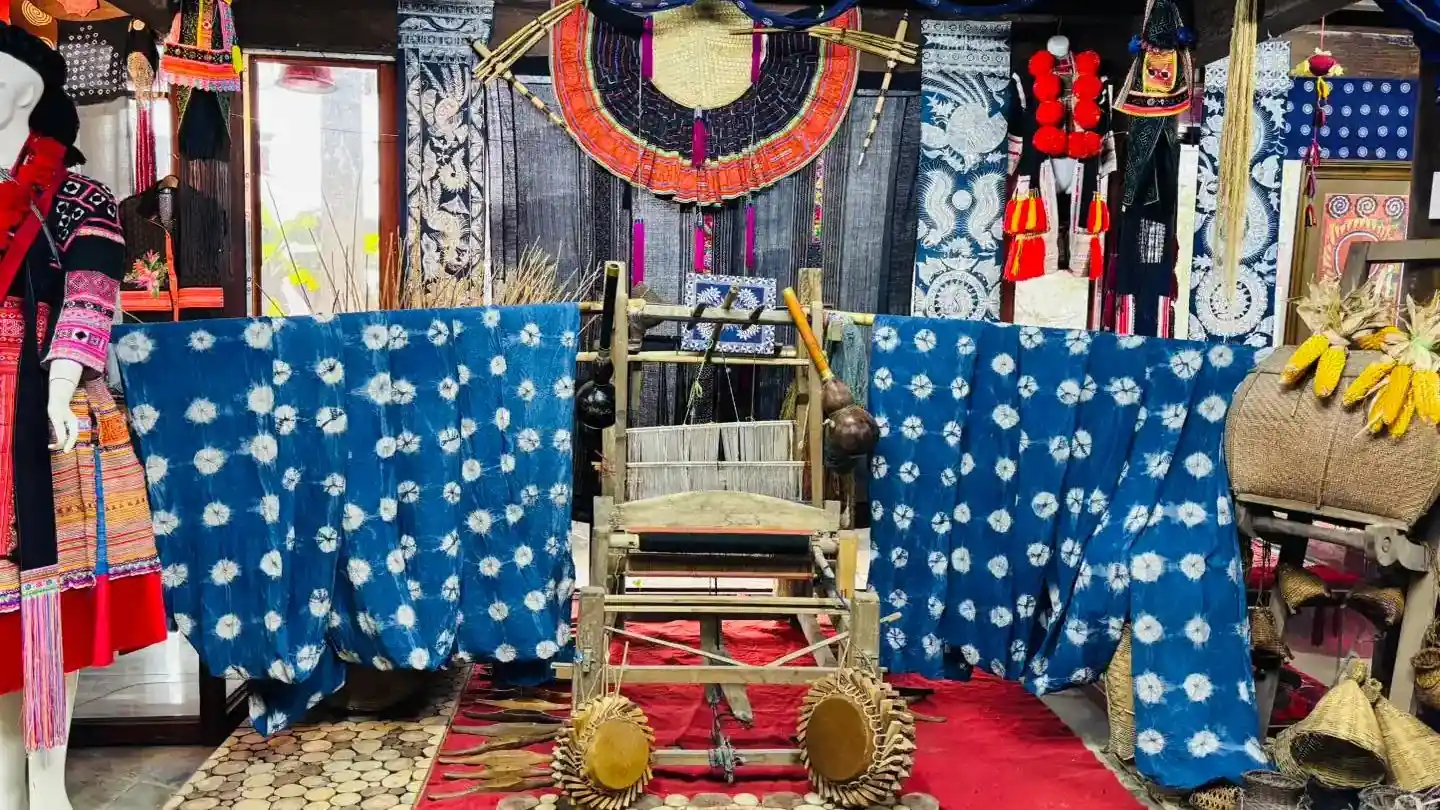
In Sapa, you can tell who belongs to which ethnic group just by looking at what they wear. Black Hmong (indigo, hemp). Red Dao (red embroidered headscarves, coin necklaces). Tay (long indigo dresses with silver belts). Giay (pink shirts, simple wraparound skirts). Xa Pho (the smallest group, with hand-stamped batik patterns).
Most travelers don’t notice. The ones who do — and ask their guide why a Red Dao woman is selling at the same market as a Hmong woman — end up with the richest cultural experience.
→ Full guide: Sapa Traditional Clothes
Adventure Activities
From what I’ve seen, the experiences people talk about most after Sapa are usually the ones that pushed them slightly beyond their comfort zone.
6. Conquer Fansipan by Trekking (2-3 Days)
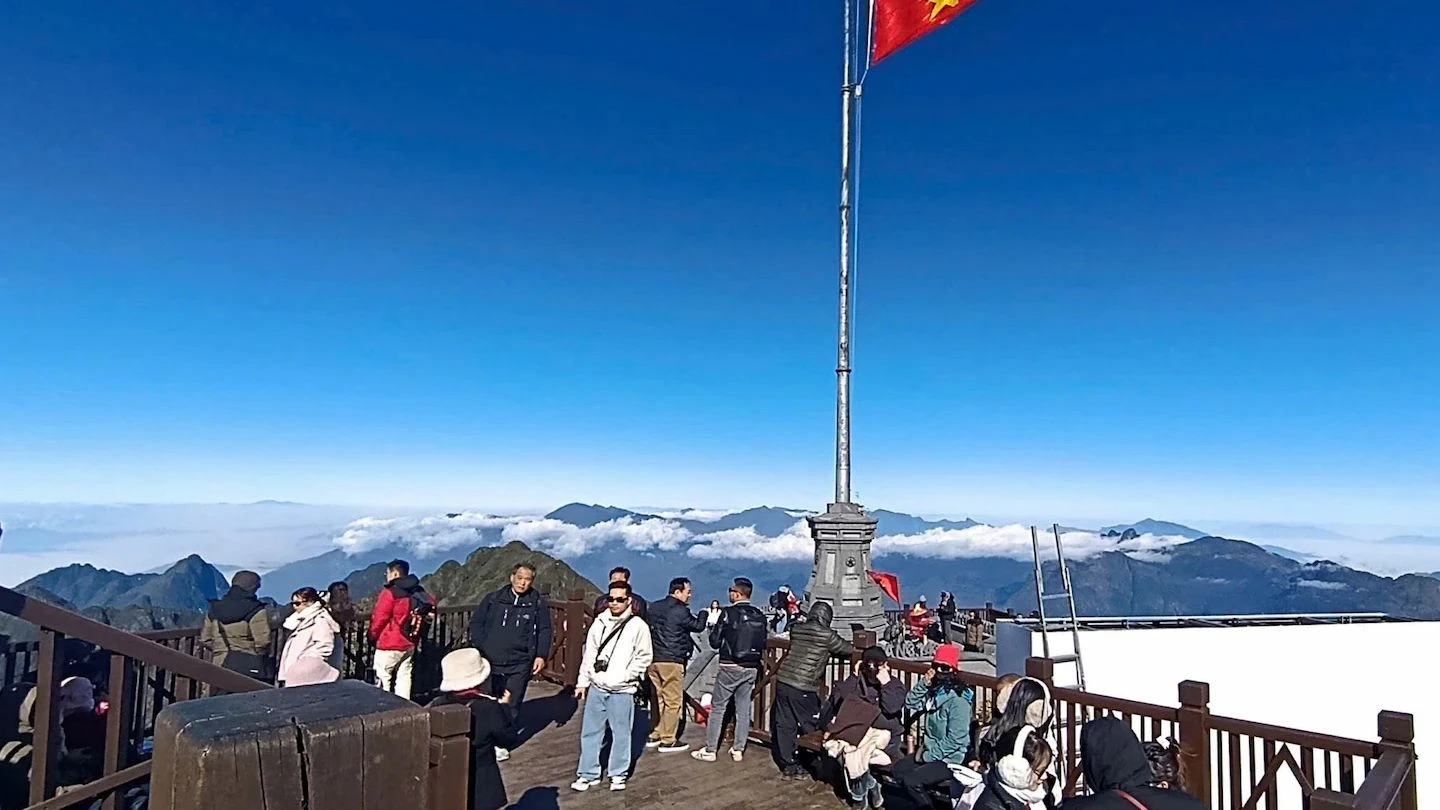
Fansipan is Indochina’s highest peak — 3,143 meters. Most travelers take the cable car (next entry). But about 5% of our guests want the real thing: a 2-3 day trek through alpine forest, sleeping in basecamp tents, summiting at sunrise.
This is a serious trek. You’ll need decent fitness, proper gear, and a licensed local guide (mandatory — solo trekking has been banned since 2019). Cost runs $110 – 180 depending on group size and tour package.
From our bookings: Summit success rate is 92% with our guides. The 8% who turn back do so because of altitude headaches or unexpected weather — not unfitness. We screen pre-trek.
→ Full guide: How to Get to Fansipan Mountain
7. Ride the Fansipan Cable Car
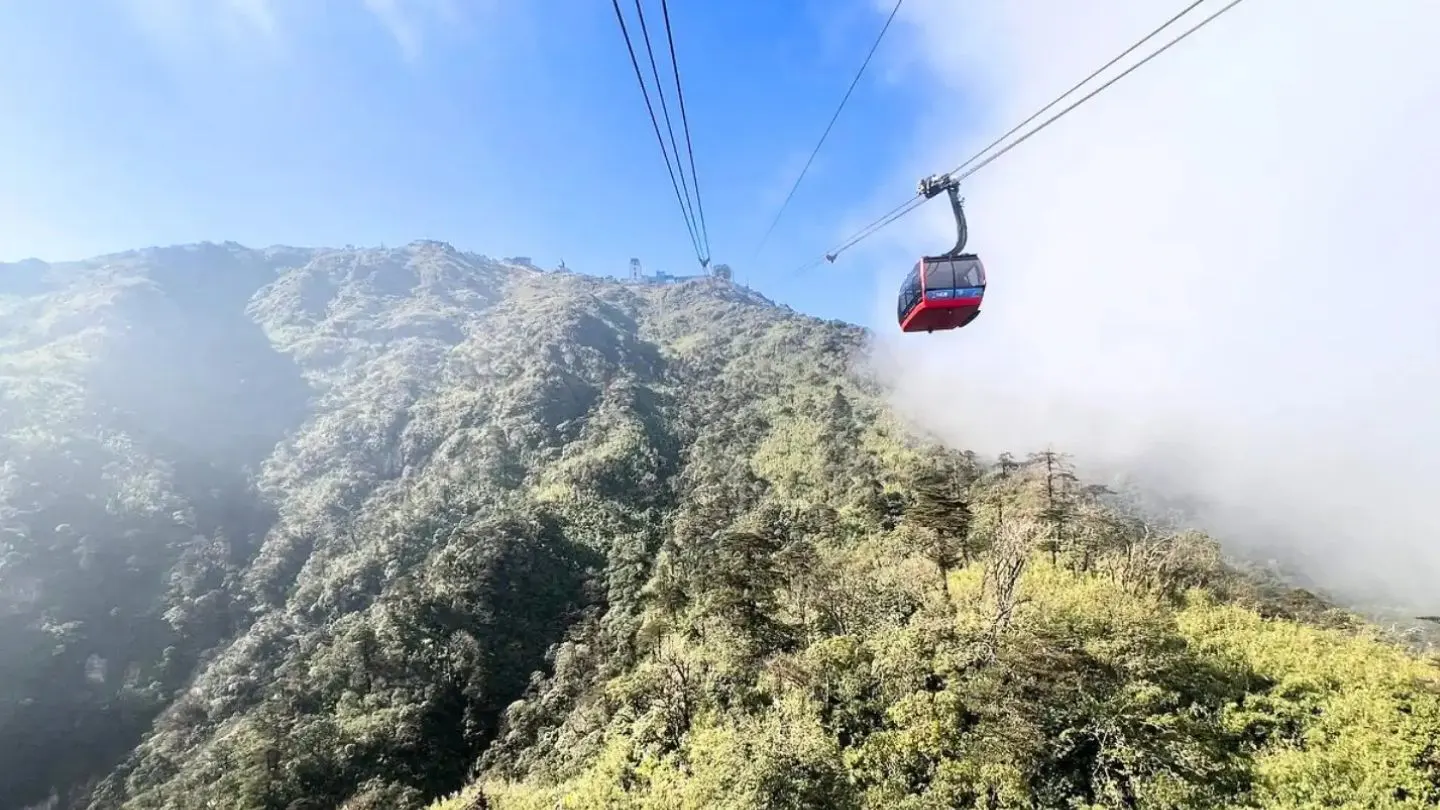
We’ve booked over 3,000 guests on this cable car since 2022. Here’s what I tell each one: don’t go on a clear day. Counter-intuitive — but the cable car experience is better in light fog. The clouds wrap around the cabin, the world disappears below, and when you reach the top you feel like you’ve earned the view. Clear days mean crowds and harsh sun. Foggy mornings mean magic and half the queue.
Adult tickets are 850,000 VND (2026), excluding the funicular from Sapa town. Arrive at the station by 7:30 AM, take the first cable car at 8:00 AM. Allow 3-4 hours total.
→ Full guide: Fansipan Cable Car Review
8. Alpine Coaster — Sapa’s Surprise Hit
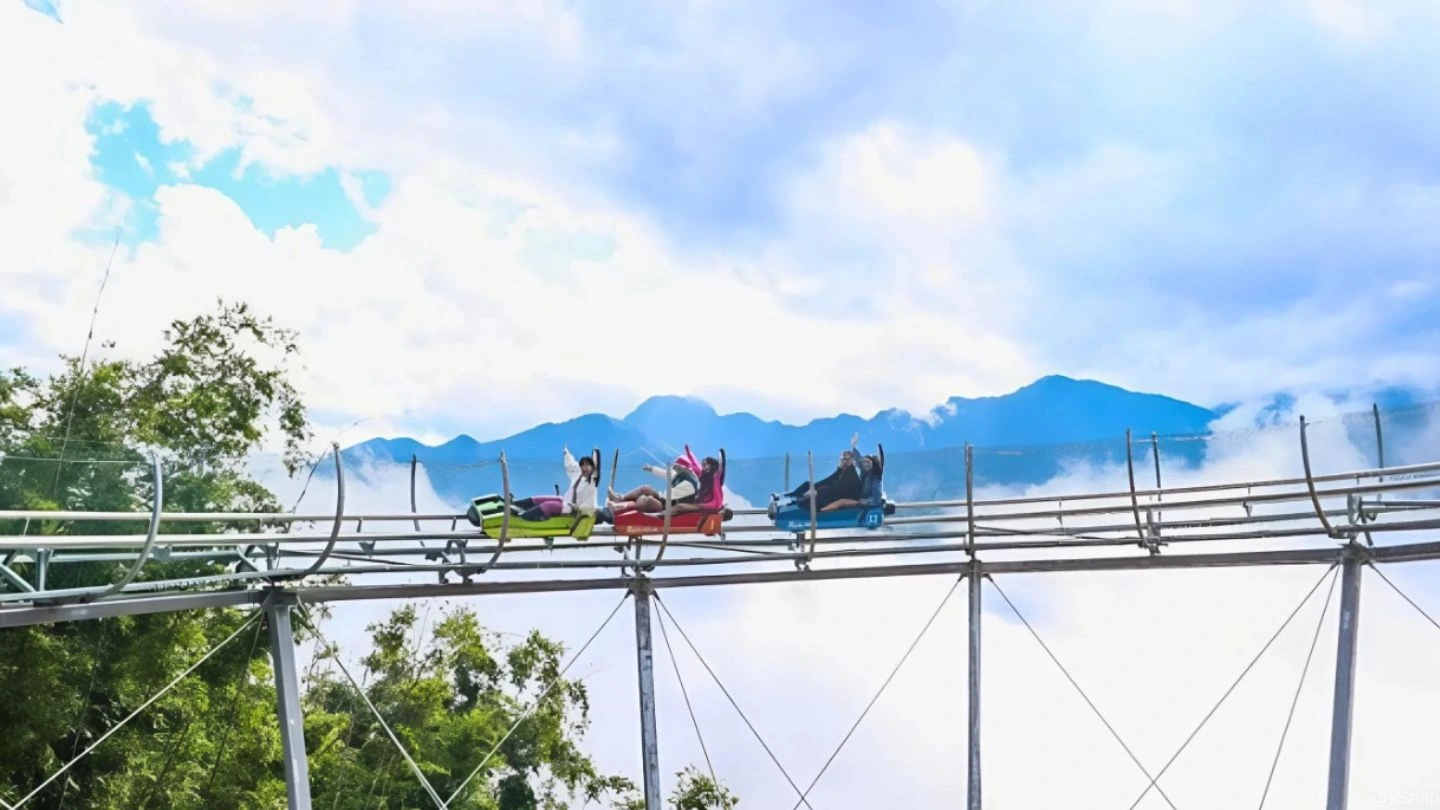
The Alpine Coaster is the surprise hit of Sun World Fansipan. It’s a rail-bound toboggan winding 1.7 km down through pine forest — you control the speed with a hand brake. Independent ticket 250,000 VND, or save with a Sun World combo.
From our bookings: Families with kids 8+ love this. Couples too, if they’re up for it. The ride takes ~5 minutes but the build-up + waiting + photo time = 30 minutes total.
→ Full guide: Alpine Coaster Sapa
9. Rainbow Slide — The Instagram Stop
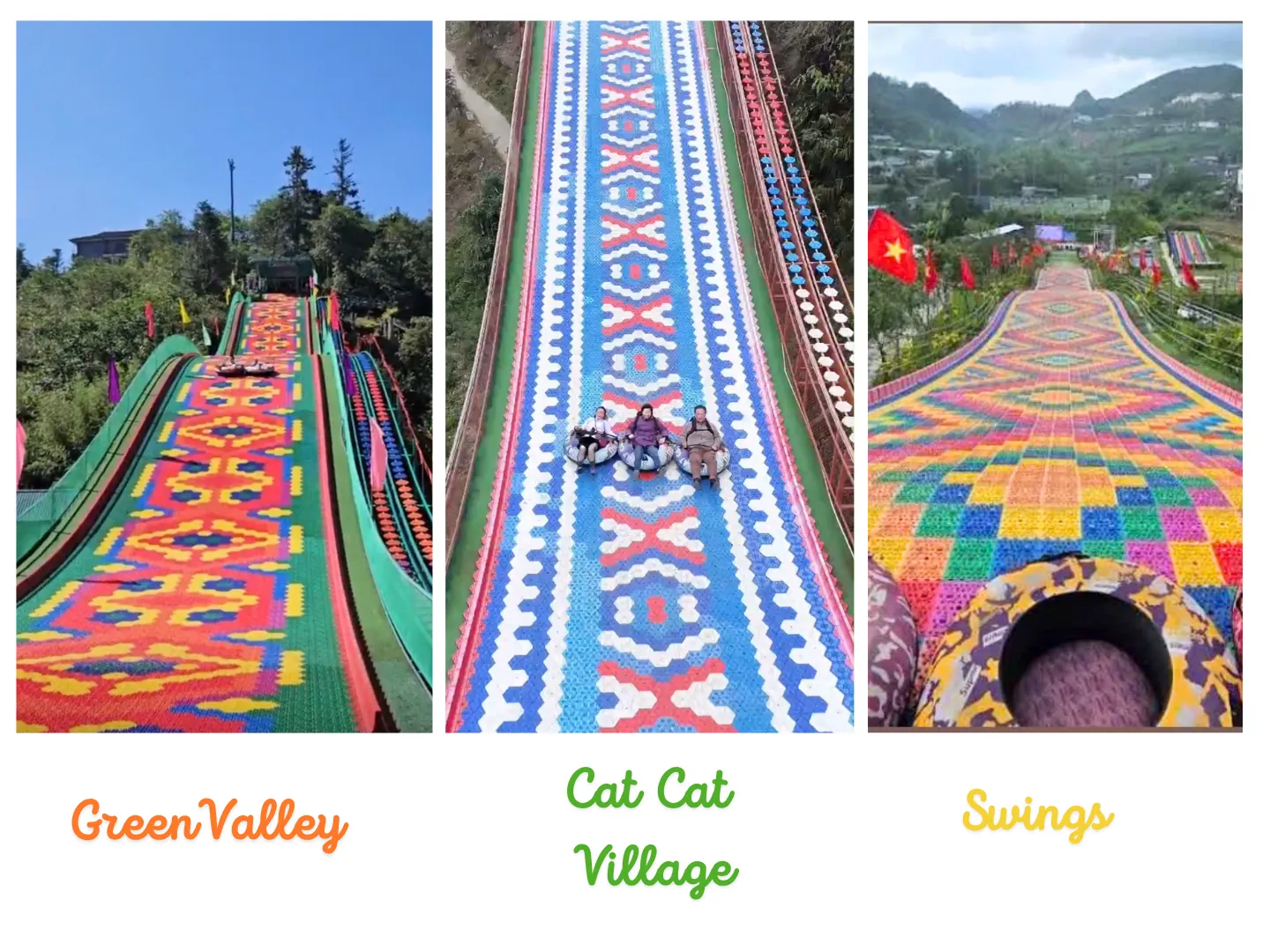
Shorter than the Alpine Coaster but Instagram-friendly with painted rainbow lanes. Located right next to the coaster station. Many guests do both as a pair (combo ticket worth it).
→ Full guide: Rainbow Slide Sapa
10. Walk the Glass Bridge
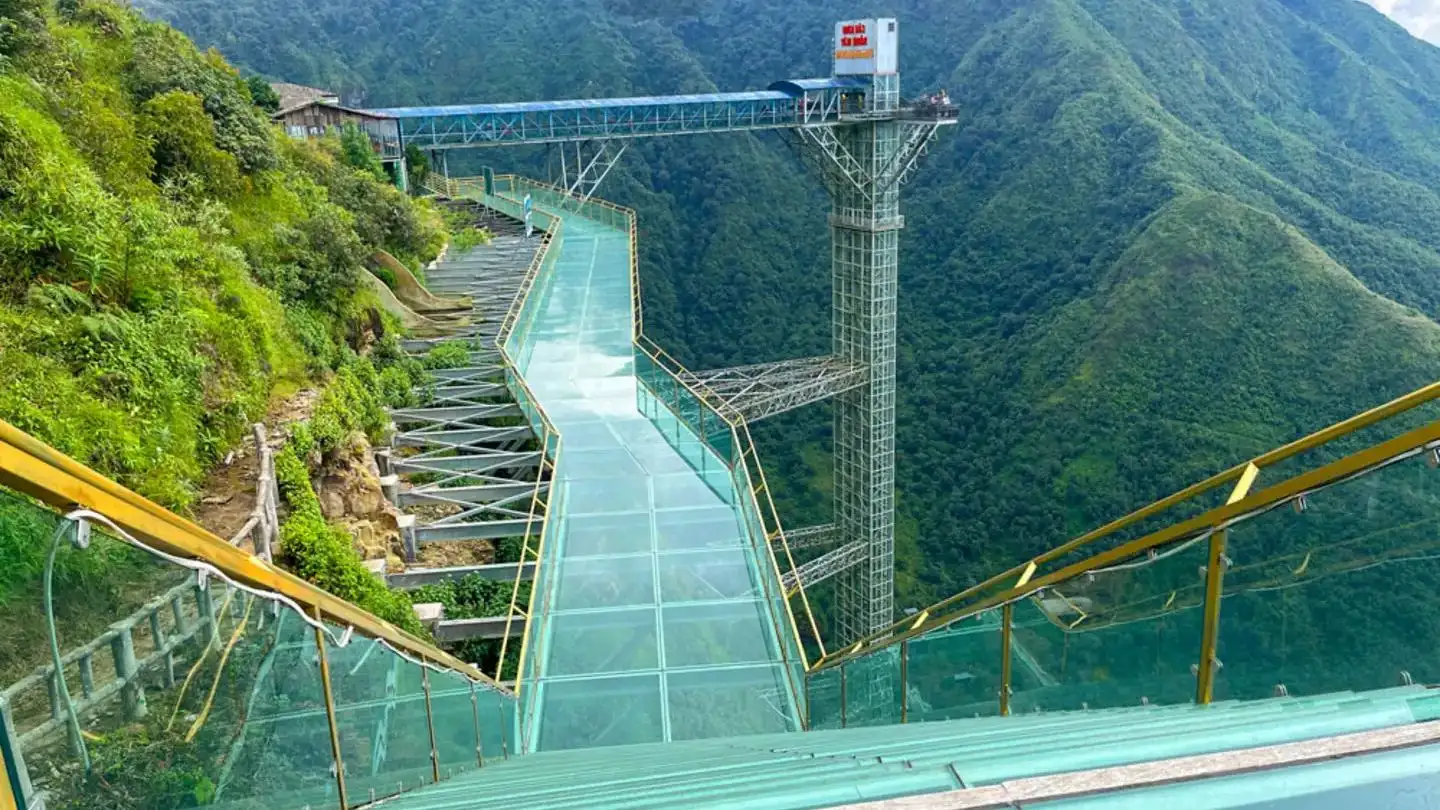
The Rong May (Cloud Dragon) Glass Bridge is 21 km from Sapa town on the way to Lai Chau. It juts out from a cliff face with nothing but glass between you and a 300-meter drop. Some guests can’t even step onto it. Others walk to the end like it’s nothing.
This isn’t the longest glass bridge in Vietnam, but the location — over O Quy Ho Pass — is what makes it spectacular. Combine with a drive through the pass for a full half-day.
→ Full guide: Glass Bridge Sapa
Sightseeing & Nature
Some views in Sapa are beautiful almost anywhere, but a few natural spots below offer a much stronger sense of the mountains themselves.
11. Drive O Quy Ho Pass — The Highest Pass in Vietnam
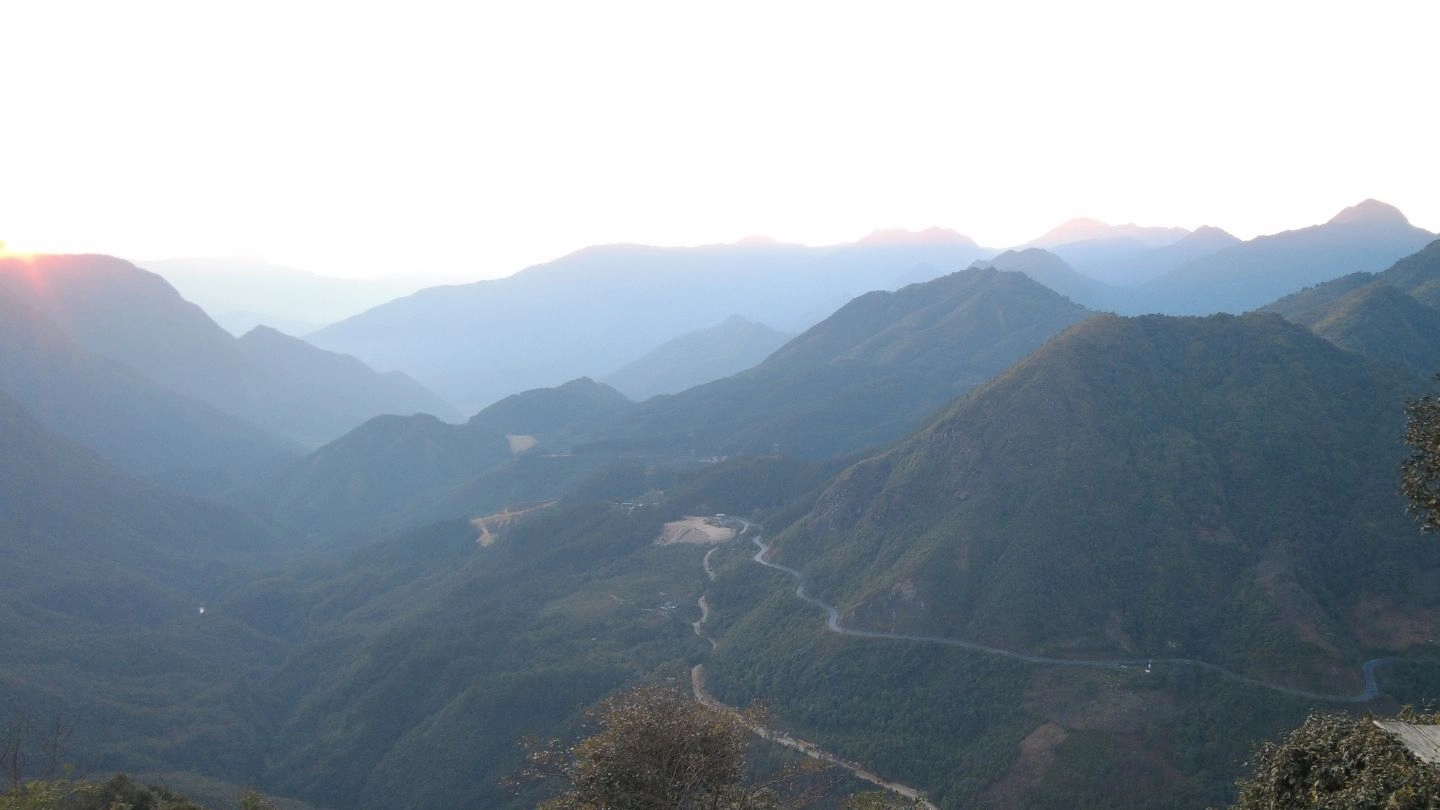
O Quy Ho Pass climbs to 2,000 meters between Sapa and Lai Chau. The road curves 27 km through cloud forest, with viewpoints every few kilometers. Locals call it “the King of Passes” — and it earns that name on a clear morning.
Do this by motorbike (rent 200,000 VND/day), private car ($60-100), or join our motorbike tour. Start before 9 AM for morning light. The pass is at its best when fog rolls in and out — a phenomenon photographers chase here.
→ Full guide: O Quy Ho Pass
12. Muong Hoa Valley & Ancient Rock Carvings
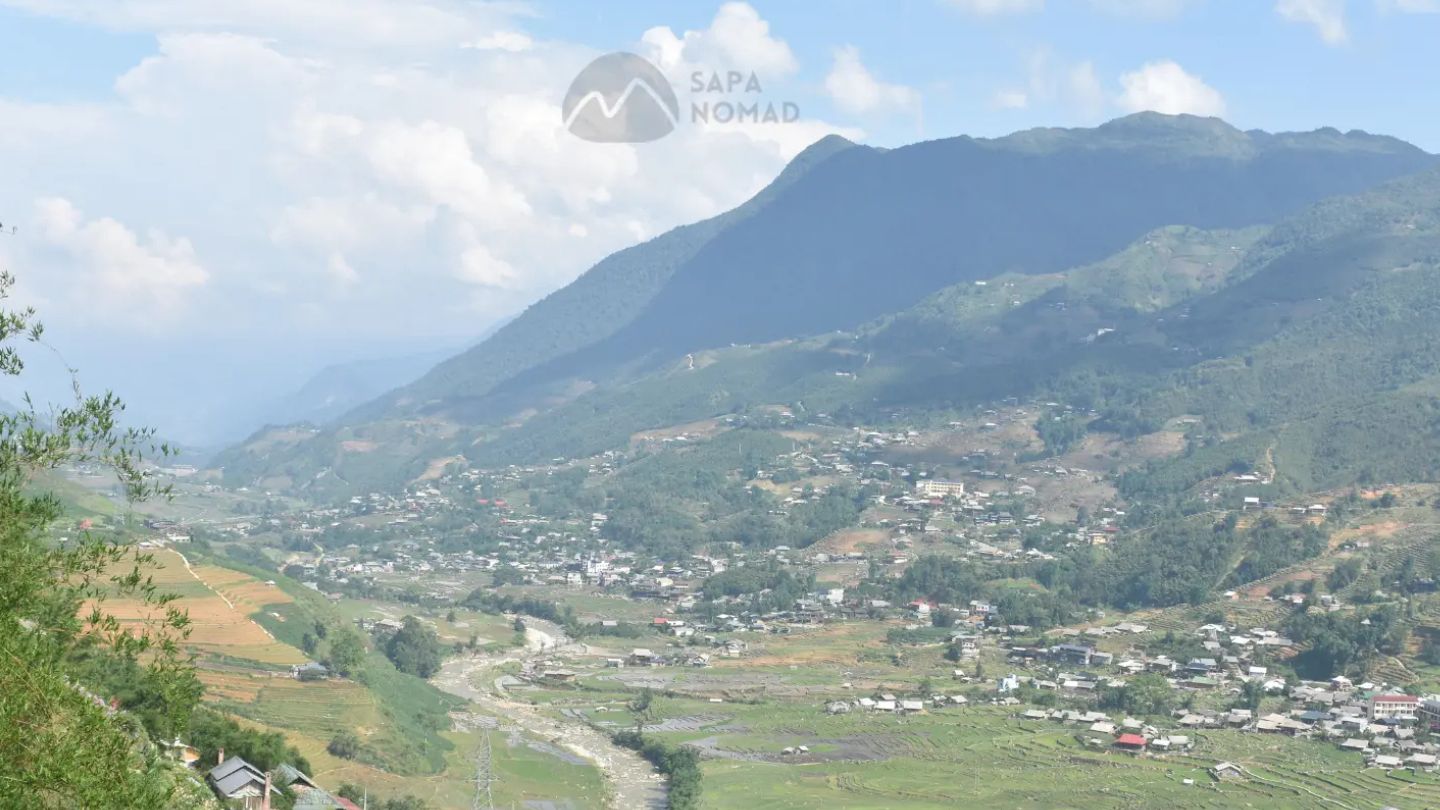
Muong Hoa is the postcard valley — 8 km of terraced rice fields with three Hmong/Giay villages along the way (Lao Chai, Ta Van, Giang Ta Chai). What most travelers don’t know: scattered across the valley are 159 ancient rock carvings dated 1,000-2,000 years old, inscribed on basalt boulders along the trekking route.
The valley is best trekked, not driven. Our 2-day, 1-night homestay trek takes you through Lao Chai and Ta Van with a night sleeping at a Tay homestay.
From our bookings: This is our most-rebooked tour. 41% of our guests who do this trek return to Sapa within 2 years.
→ Full guide: Muong Hoa Valley
13. Silver Waterfall (Thac Bac)
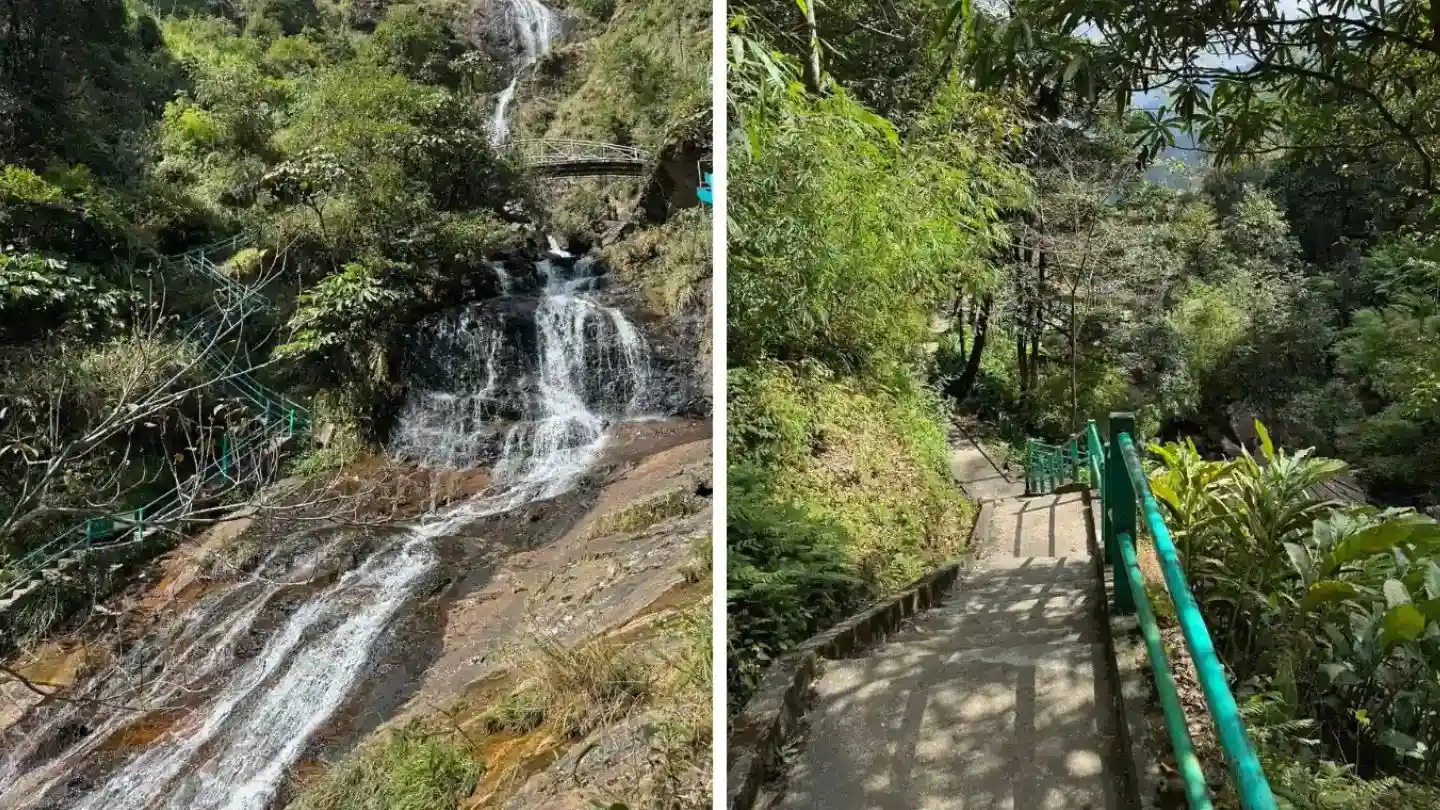
A 200-meter waterfall 12 km from Sapa town on the road to O Quy Ho Pass. You can see it from the road, but the entry fee (20,000 VND) lets you climb a staircase to the base for the full view.
It’s beautiful, especially May to September when water flow peaks. Takes 30 minutes to fully experience — combine it with Love Waterfall (next entry) and O Quy Ho Pass for a half-day loop.
→ Full guide: Silver Waterfall Sapa
14. Love Waterfall (Thac Tinh Yeu)
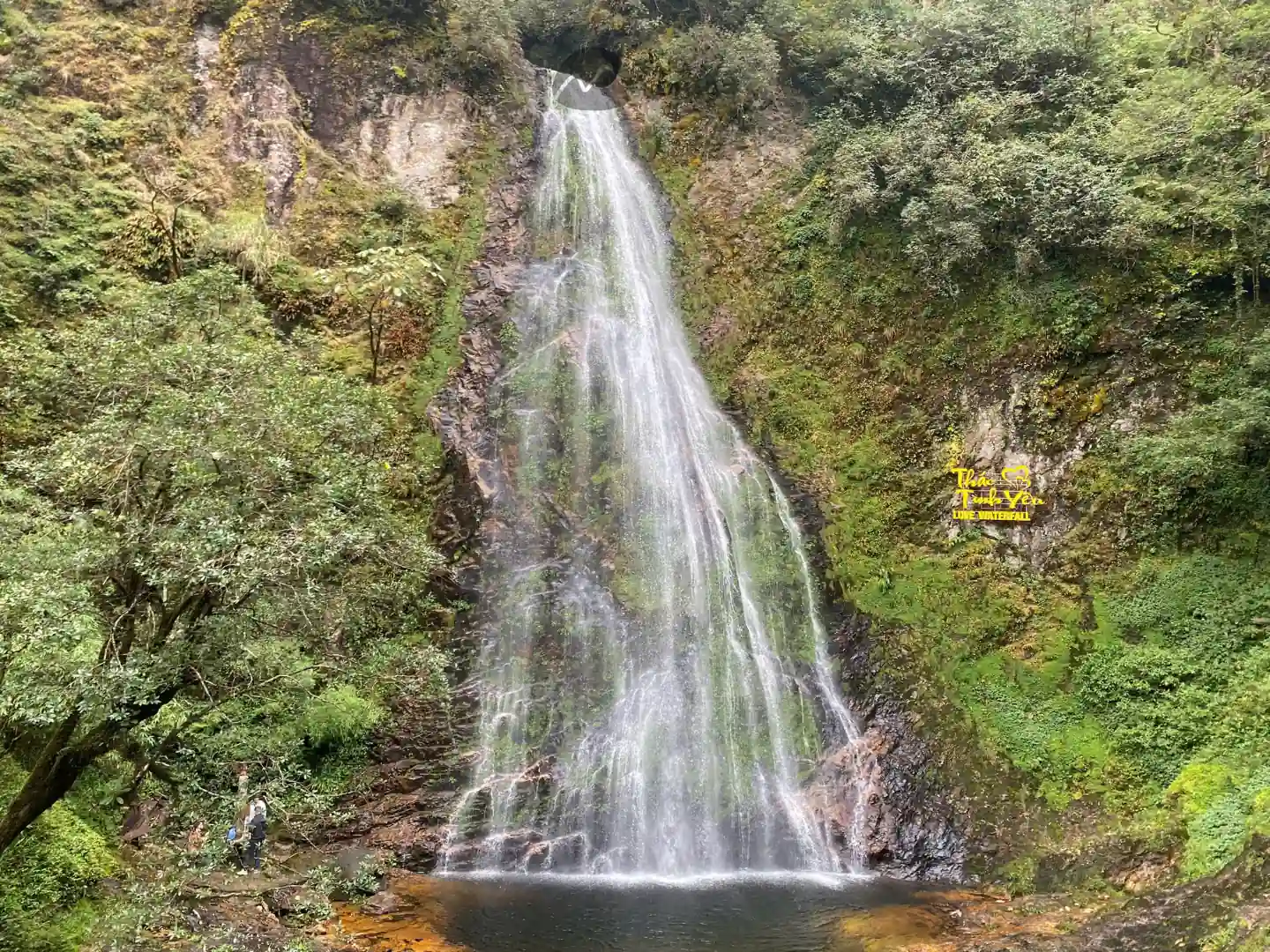
Smaller than Silver Waterfall but more atmospheric — Love Waterfall is reached by a 30-minute walk through bamboo forest. The trail is well-maintained, and the waterfall itself drops into a pool you can swim in (though most don’t).
The name comes from a Hmong legend about a fairy and a young man. The legend isn’t the draw. The forest walk is.
→ Full guide: Love Waterfall Sapa
15. Heaven Gate — The Highest Pass Viewpoint
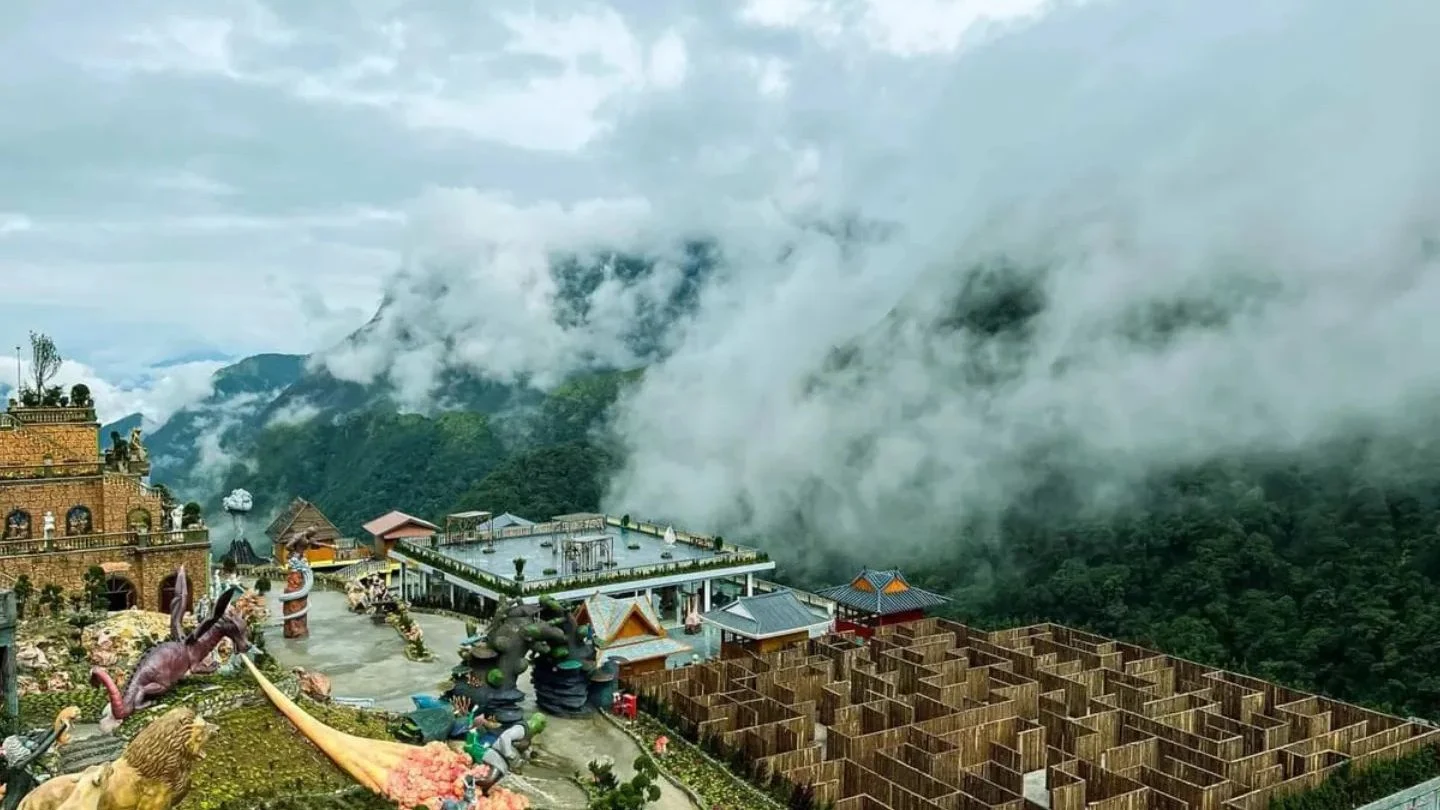
Heaven Gate sits at the top of O Quy Ho Pass — the highest viewpoint accessible by road in Vietnam. On clear mornings, you stand above the cloud sea, watching Fansipan’s peak emerge above the white. Almost every photographer who comes to Sapa shoots here at least once.
The viewpoint is free. Parking and food at the top cost ~50,000 VND. Best time: 6-8 AM for the cloud sea.
→ Full guide: Sapa Heaven Gate
Photo Spots & Hidden Gems
Most visitors leave with similar photos, but these quieter spots usually give travelers a more personal side of Sapa to remember.
16. Moana Sapa — The Most Photographed Spot in 2026
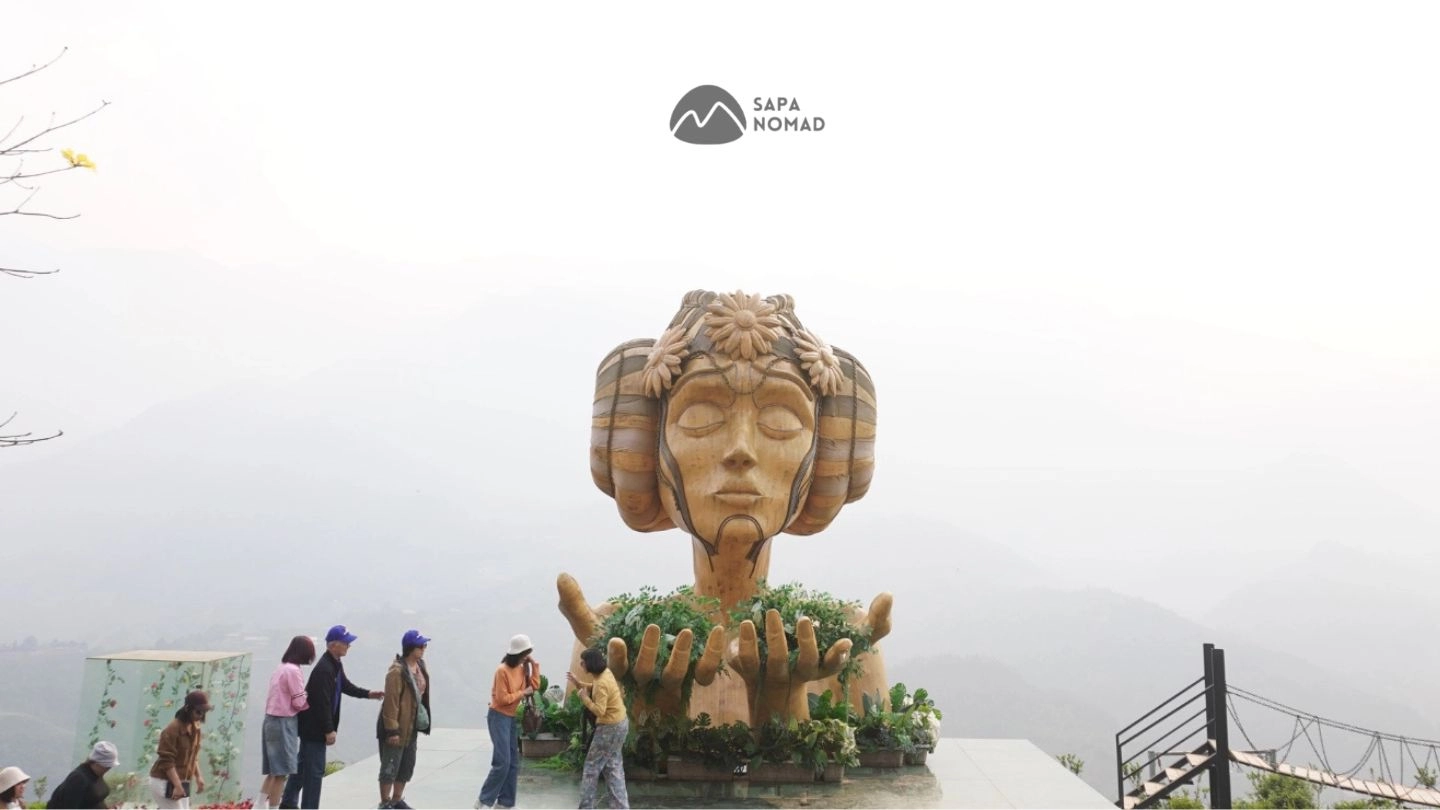
Moana is a curated photo viewpoint about 4 km from Sapa town, modeled loosely on the Moana movie aesthetic. It became Instagram-famous in 2023 and has been Sapa’s #1 photo destination ever since — 9,000+ visitors per year find this page just looking for it.
Entry is 100,000 VND. Multiple photo stations: a gate, a swing, a viewing platform. Go early morning (7-9 AM) for soft light and to avoid crowds that arrive by 10.
→ Full guide: Moana Sapa
17. The Lonely Tree on the Pass
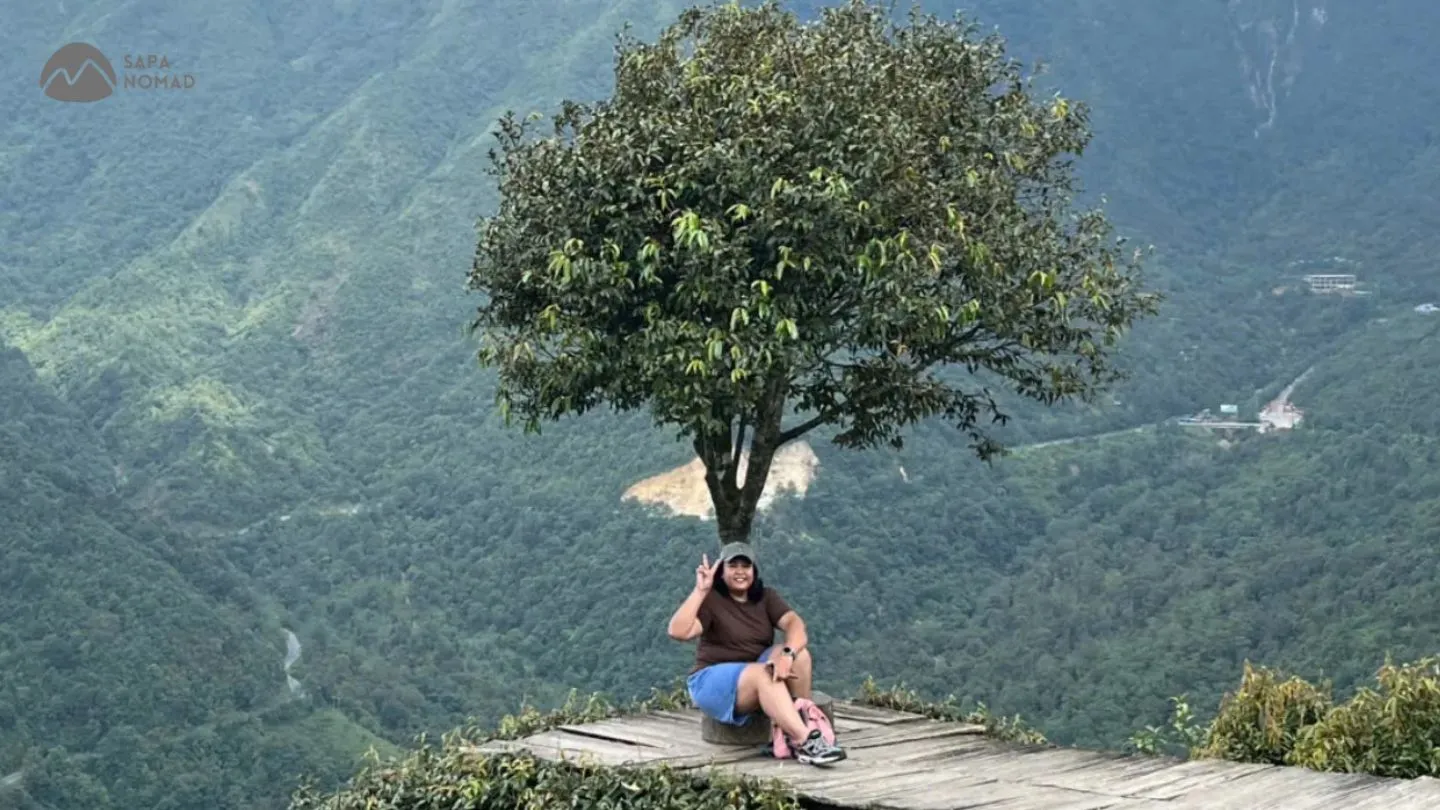
There’s a point on the road from Sapa toward Lai Chau where everything goes quiet. The engine hum fades, the wind picks up, and there — standing on a hillside with nothing but clouds behind it — is a single tree. No sign, no ticket booth. Just a tree that somehow makes you pull over and stand still for a while.
From our bookings: This spot gets mentioned by name in 30% of our guest reviews. They weren’t looking for it. They just stopped.
→ Full guide: Lonely Tree Sapa
18. Sapa Green Valley + Swing
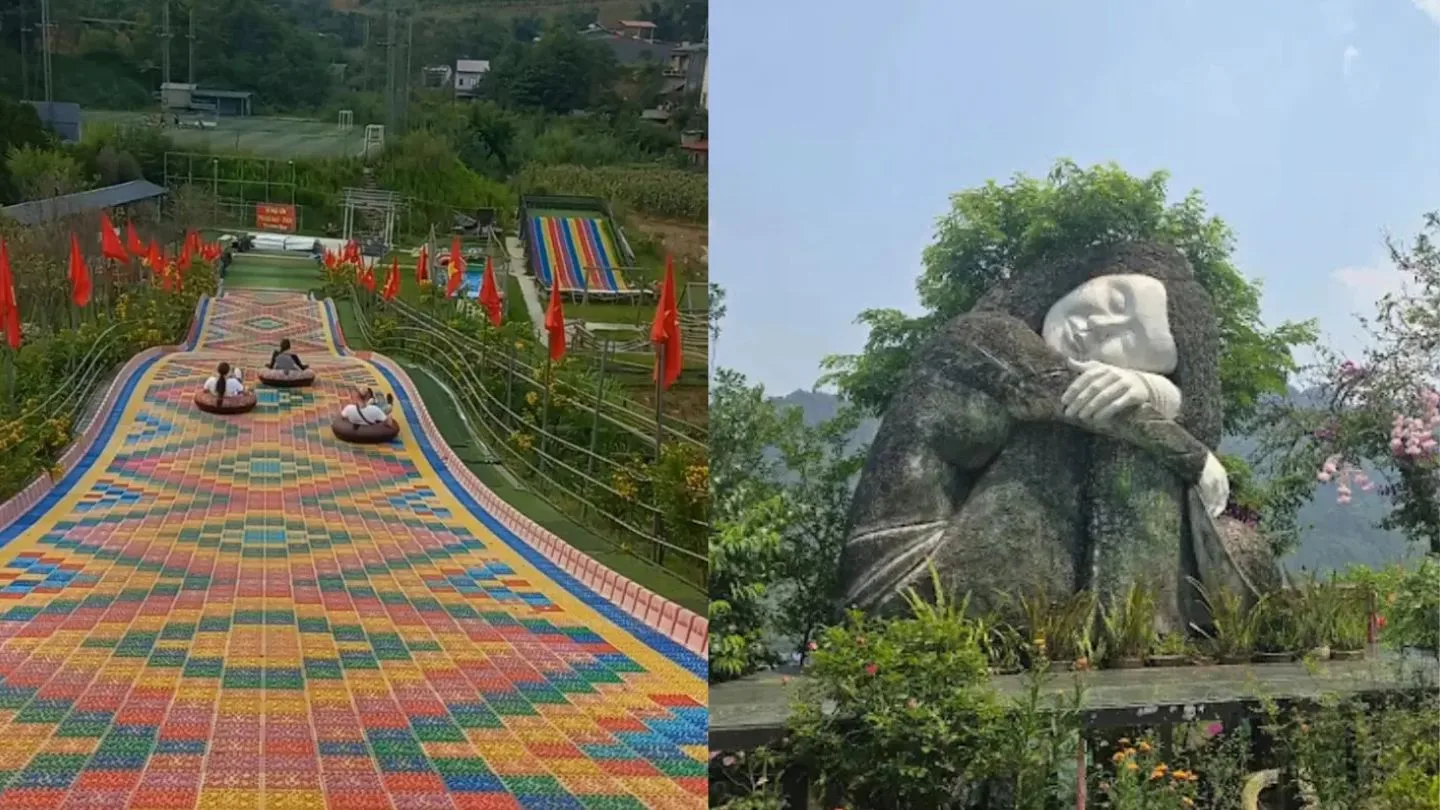
A giant wooden swing perched on a cliff edge with the Muong Hoa Valley dropping away below. Became Instagram-famous in 2019. The queue can be 30+ minutes on weekends. Entry to Sapa Green Valley complex is 90,000 VND.
→ Full guides: Swing Sapa | Sapa Green Valley
19. Ham Rong Mountain — The View Above Sapa Town
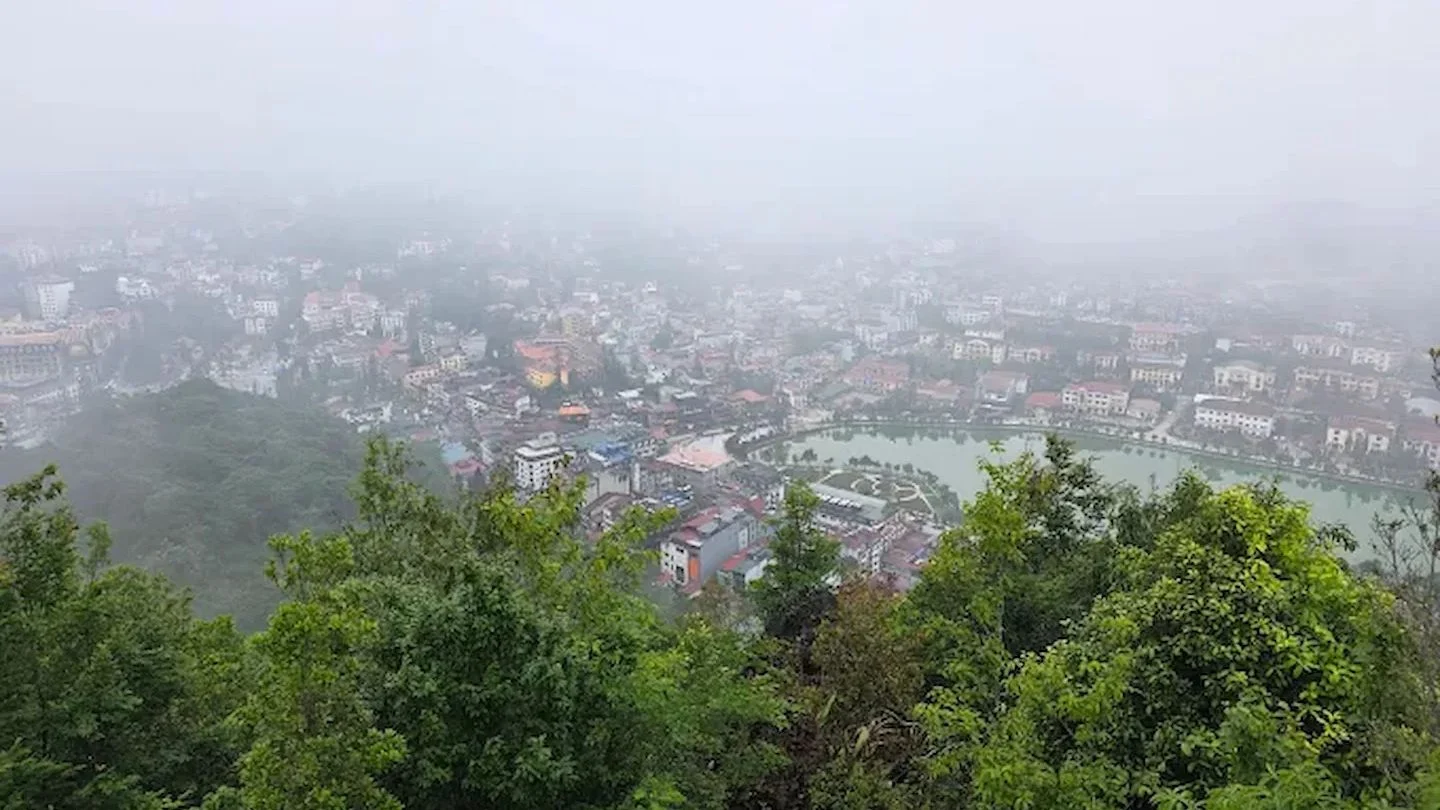
Ham Rong (Dragon’s Jaw) Mountain rises directly above Sapa town. A 30-minute climb (or short cable car ride) takes you to the orchid gardens, viewing platforms, and a peak looking down over the whole valley. On clear days, you see Fansipan across the way.
Entry is 70,000 VND. The flower gardens are best in spring (March-May).
→ Full guide: Ham Rong Mountain Sapa
Food & Drink
In my experience, food becomes a much bigger part of the Sapa trip than most travelers expect. Once the temperature drops and the mountain air turns cold at night, hotpot, grilled skewers, and warm local dishes start feeling almost impossible to resist.
20. Try Sapa’s Local Food Scene
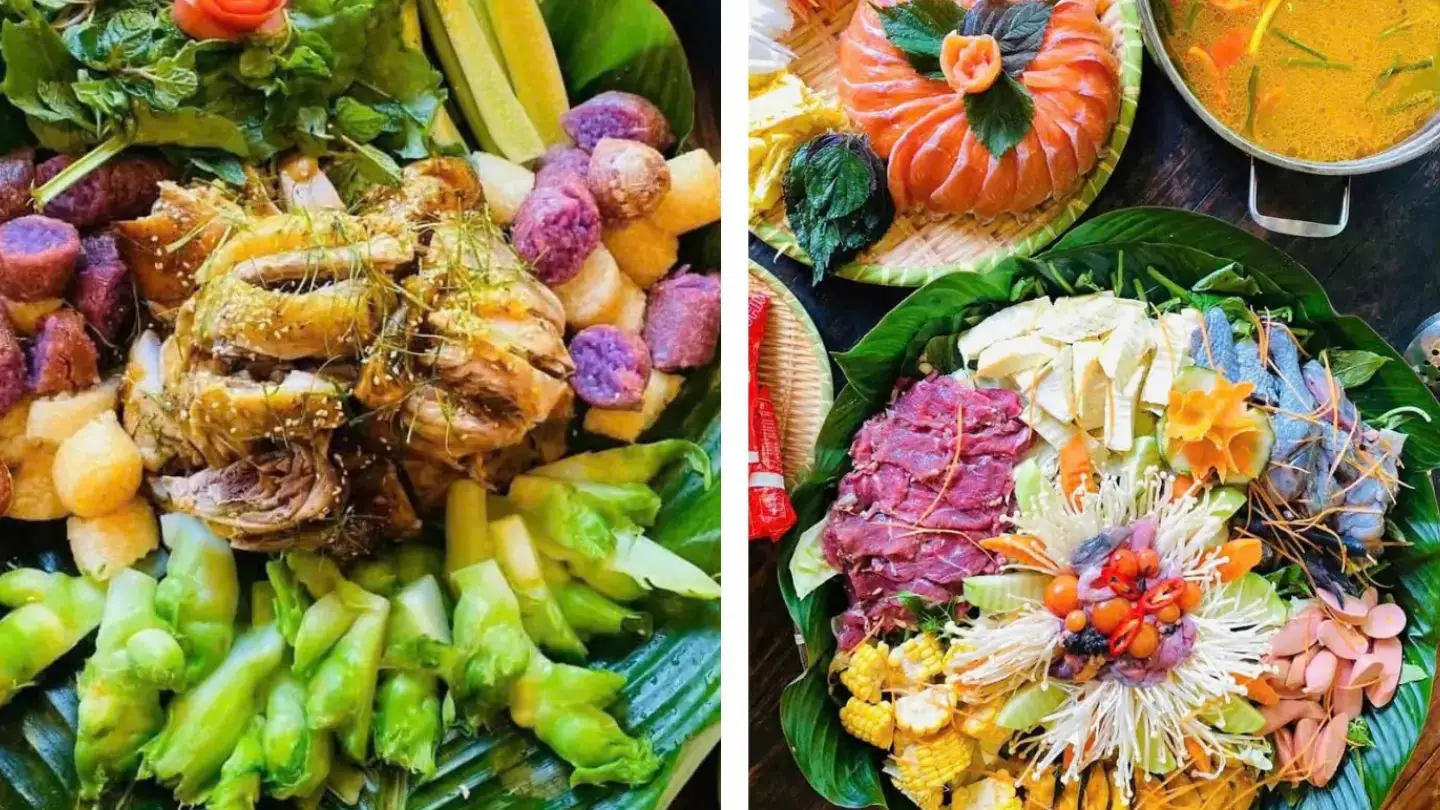
Sapa food is unlike anywhere else in Vietnam. Thang co (Hmong horse meat stew), grilled stream fish wrapped in dok leaves, black chicken hot pot, smoked buffalo, salmon farmed in Sapa cold-water streams.
Most travelers stick to what they recognize. The ones who try thang co at a hill-tribe market never forget it.
From our bookings: “I tried local food” appears in 87% of our 5-star guest reviews. Food is consistently underrated until guests experience it.
→ Full guide: Sapa Food Guide
21. Mountain View Cafés — Sapa’s Best Window Seats
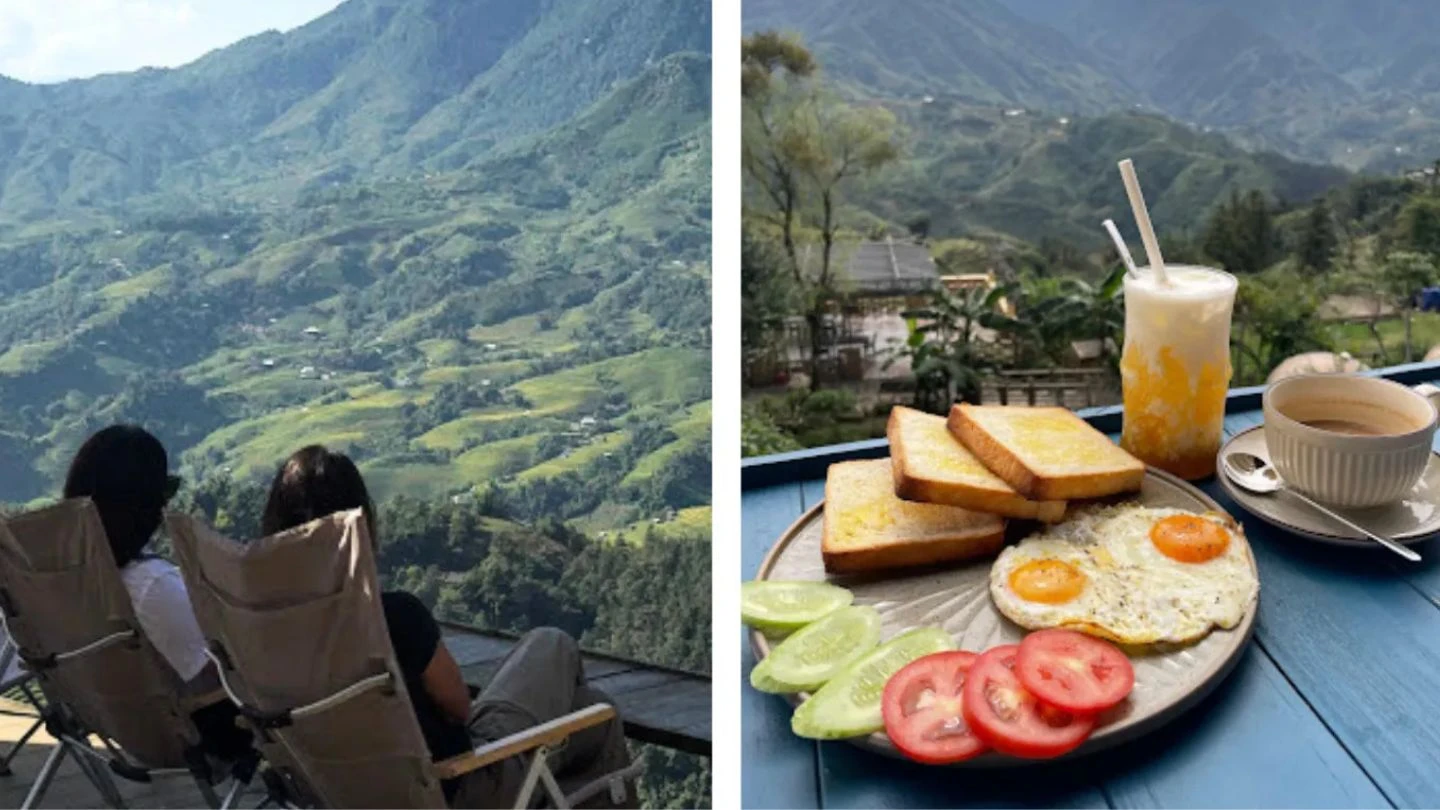
Sapa has a coffee culture most travelers miss. The town has 30+ cafés, but only about 10 have the real view-from-the-cliff experience. Our team’s favorites cluster around Sapa Lake area and along the road heading toward Cat Cat Village.
Order Vietnamese egg coffee or salt coffee. A cup costs 35,000-65,000 VND.
→ Full guide: Sapa Cafes Guide
22. Sapa Cloud Hunting — Dawn at the Pass
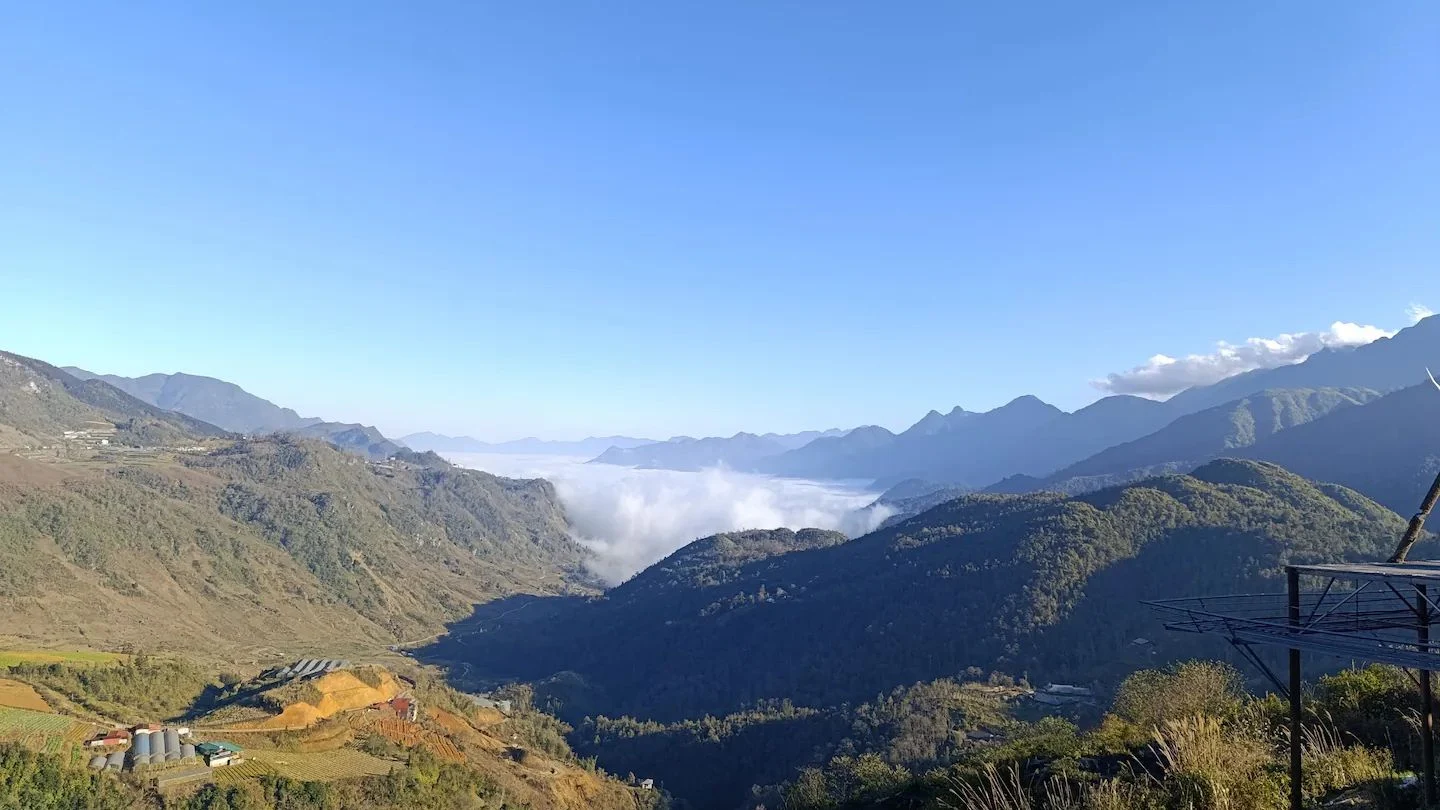
Cloud hunting is a Sapa ritual. Locals call it “hunting” because the timing is unpredictable — wake at 4 AM, drive to a viewpoint, and wait. Sometimes you get a sea of clouds stretching to horizon. Sometimes you get nothing.
Best months October-February. Best spots: O Quy Ho Pass, Heaven Gate, and back roads above Ta Van village.
From our bookings: Cloud hunting is the experience guests remember most when they leave. Not the photos. The silence.
→ Full guide: Sapa Cloud Hunting
Wellness & Comfort
After cold mornings and long trekking days, these quieter experiences often become the part of Sapa travelers appreciate more than expected.
23. Get a Sapa Spa Massage — Especially After a Trek
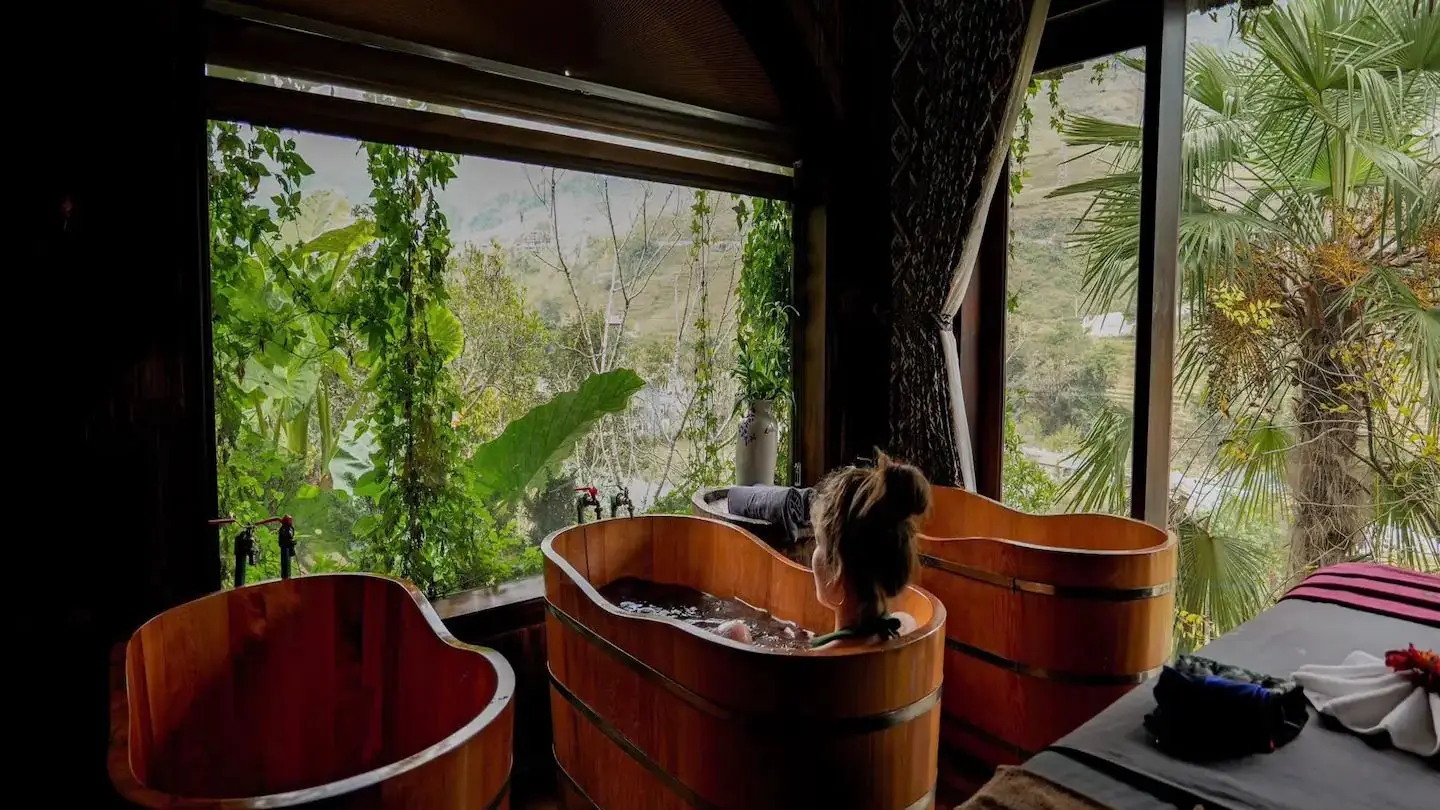
After a day trekking, a Sapa spa massage hits differently. The town has a spa scene built around two traditions: Red Dao herbal baths (a hot bath in a wooden tub with 10+ medicinal herbs) and Thai-Vietnamese fusion massage.
Range 250,000-500,000 VND for 60-90 minutes. The Red Dao herbal baths are the local signature — try one at least once.
From our bookings: 64% of our trekking tour guests book a spa session for the evening of their last trekking day. Best ROI on relaxation budget in Sapa.
→ Full guide: Best Spa in Sapa
24. Stay in a Local Homestay
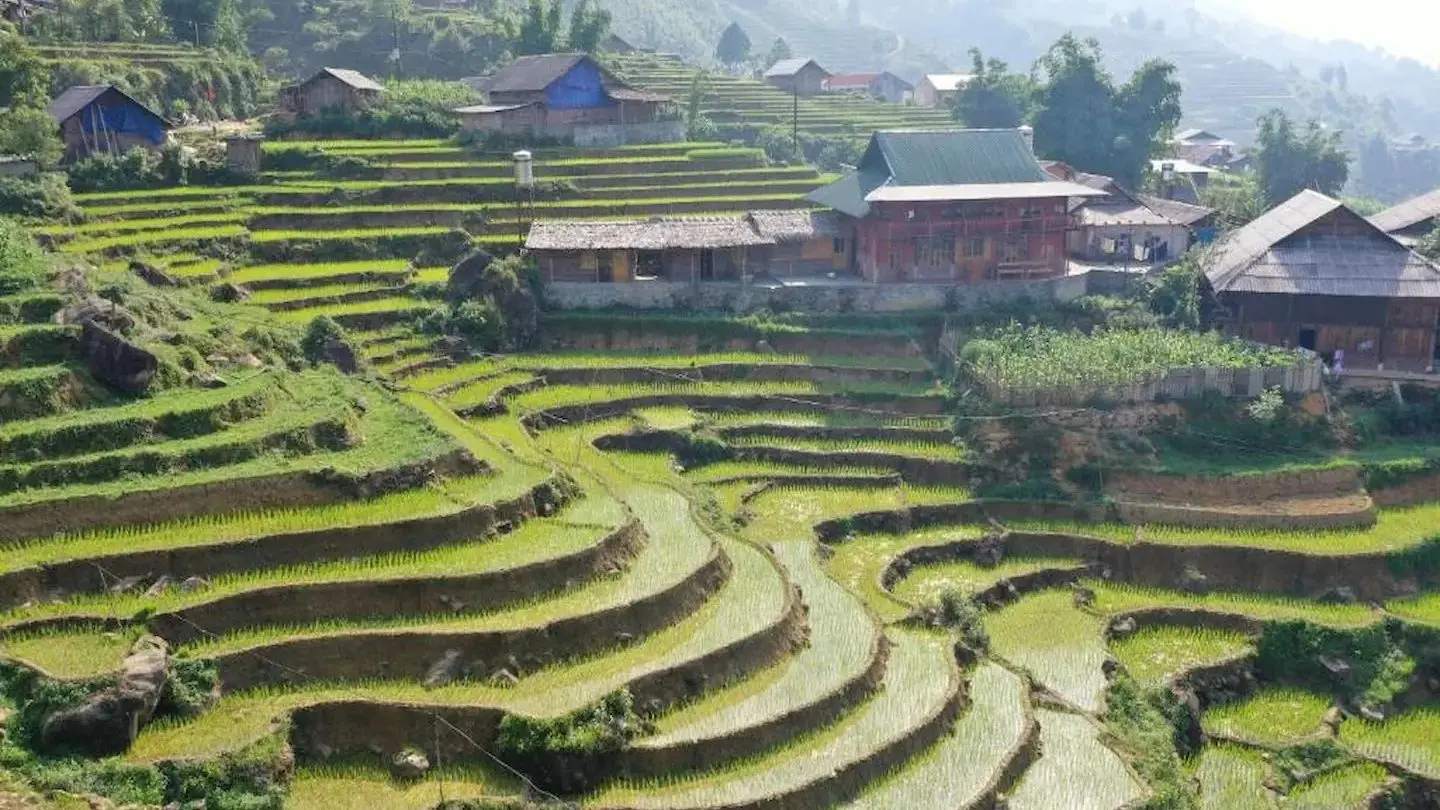
The difference between a hotel and a homestay isn’t just the price. It’s the experience. At a homestay in Ta Van or Lao Chai, you eat dinner with the family, sleep on a wooden bed in a shared loft, and wake to the family’s chickens and morning fog over rice fields.
Homestays cost 200,000-500,000 VND per night including meals. Most are run by Hmong or Dao in the villages near Sapa.
→ Full guide: Best Homestay in Sapa
Seasonal Experiences
One thing many first-time visitors underestimate is how dramatically Sapa changes throughout the year. Some experiences below only feel special during a very small seasonal window.
25. Visit Sapa in December — Snow, Christmas, and Quiet
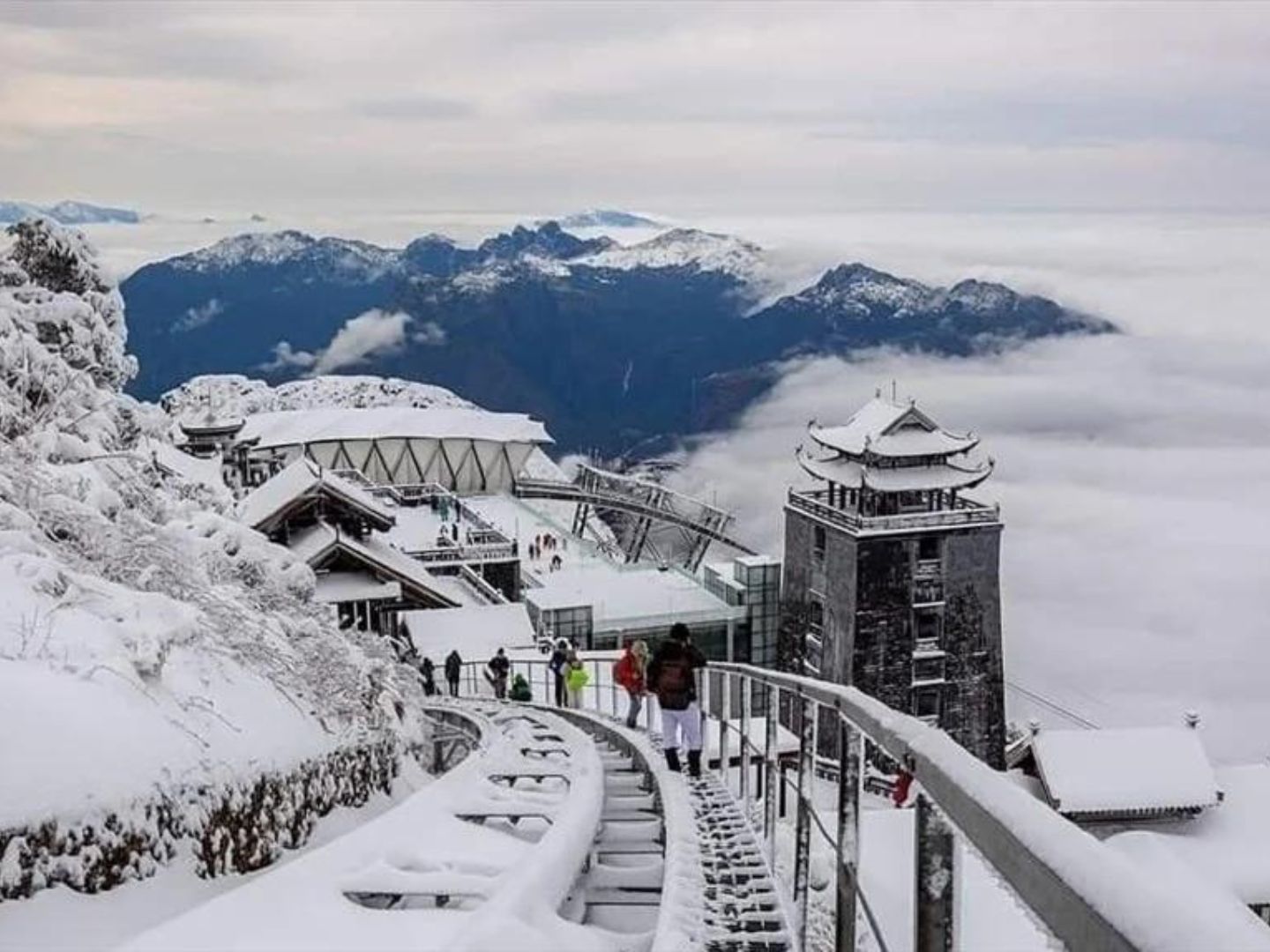
Sapa in December is its own thing. Temperatures drop to 0-8°C. Some years there’s snow — actual snow, which makes northern Vietnamese travelers fly in just to see it. Christmas lights go up around town. The valleys empty of trekkers, leaving trails almost private.
From our bookings: December bookings have grown 28% year-over-year since 2023, as international travelers discover Sapa’s “alternative winter destination” angle.
→ Full guide: Sapa in December
→ Beyond the big 25: Sapa’s bridges | The rattan bridge | Coc San cave | The peaks around town | Guided motorbike tours
Sapa Itineraries: How to Plan Your Days
Most of our guests fall into one of four trip lengths. Here’s what we recommend based on thousands of bookings.
1-Day Sapa (If You’re Short on Time)
Honest advice: 1 day in Sapa is too short. But if it’s all you have:
- Morning: Take the Fansipan cable car (3 hours total)
- Lunch: Sapa town center — try thang co or hot pot
- Afternoon: Walk to Cat Cat Village (2-3 hours)
- Evening: Sunset at Ham Rong, then dinner at a market stall
Alternatives for nature lovers: 1-day trek through close villages (Y Linh Ho, Lao Chai, Sin Chai, Ta Van, Ta Phin, etc.)
2-Day Sapa (The Sweet Spot)
This is what we recommend most often. Two days is enough to feel Sapa without rushing.
Day 1: Fansipan cable car + Sun World ((Alpine Coaster + Glass Bridge) + sunset at Ham Rong
Day 2: Easy trek to Lao Chai/Ta Van + homestay lunch + return by car + spa evening
3-Day Sapa (The Complete Experience)
The trip our most-satisfied guests take.
Day 1: Fansipan cable car + Sun World
Day 2: 1-Day trek in our trekking tours – stay overnight in Ta Van village
Day 3: O Quy Ho Pass + Silver Waterfall + Heaven Gate (full-day mountain drive)
If you arrive on a Saturday, swap Day 3 for the Bac Ha Sunday Market.
4+ Day Sapa (Deep Exploration)
For travelers with time. Add:
Day 4: Fansipan summit trek 2D1N if you’re fit
Day 5: Bac Ha Market Tour + local visit (less touristy)
Day 6+: Slow days in cafés, sunset spots, and small villages most travelers never reach
The 4+ day trip is when Sapa stops being a destination and starts becoming a place you understand.
Free Things to Do in Sapa
You don’t need a tour or a ticket for most of Sapa’s best experiences. Five free things I’d put against any paid attraction:
- Walk on Xuan Vien – Cau May Street in the evening from 6 PM, center walking street of Sapa, most events and activities will happen there, especially on Saturday evening
- Visit Sapa Lake at sunrise — the lake reflects pink mountains for ~30 minutes after dawn
- Watch the morning market in Sapa town — opens 5 AM, locals only, no tourist prices
- Hike the back roads above Sapa town — multiple unmarked trails lead to viewpoints free of crowds
- Sit in the Sapa church courtyard — locals gather here, especially Sunday mornings
→ Full guide: What to do in Sapa Vietnam for Free
Best Time for Each Activity
Sapa weather changes the experience of each activity. Quick reference:
| Activity | Best Months | Avoid |
|---|---|---|
| Trekking (rice terraces) | Late August to mid-September (golden), April-May (green) | June-August (muddy, rain) |
| Cloud hunting | October-February | March-May |
| Fansipan trekking | March-May, September-November | June-August (typhoon), Dec-Feb (cold) |
| Cable car & Sun World | Year-round (better visibility Oct-Mar) | Heavy rain days |
| Festivals & Markets | January-March (festivals), Sundays year-round | — |
| Cafés & town visits | Year-round | — |
| Snow chance | Late December-January | — |
→ Detailed seasonal guides: When to Visit Sapa
Money, Budget & Costs in Sapa (2026 Prices)
After a decade running tours, I can tell you exactly what travelers spend in Sapa. Here’s the honest breakdown.
Daily budget per person (in USD)
| Style | Daily Budget | What you get |
|---|---|---|
| Backpacker | $25-35 | Hostel/budget homestay, street food, public transport, 1 paid activity |
| Mid-range | $50-80 | 3-star hotel or quality homestay, mix of local/Western food, 2 activities + tour |
| Comfort | $100-150 | 4-star hotel, restaurant dining, private transport, multiple tours |
| Luxury | $200+ | 5-star (Hotel de la Coupole, Topas Ecolodge), private guide, premium tours |
Single-line costs (verified May 2026)
- Sapa town hotel (3-star): $25-45/night
- Village homestay (Ta Van, Lao Chai): $10-25/night including breakfast + dinner
- Cable car ticket (Fansipan): 800,000 VND (~$33)
- Easy 1-day trek with guide: $35-50
- 2D1N homestay trek: $80-120
- Fansipan trek 2D1N: $180-280
- Hanoi-Sapa cabin bus: $20-30 one-way
- Local meal: $3-7 (street food); $8-15 (restaurant)
- Café coffee/smoothie: $1.50-3
- Spa massage 60 min: $10-20
What our 5,000+ guests typically spend
The median total Sapa spend (3-night trip, mid-range) is $280-450 per person, transport from Hanoi included.
Money-saving tips:
- Book multi-day trek packages (saves ~30% vs. piecemeal)
- Eat where the locals eat — Cau May food stalls, not tourist restaurants
- Use the overnight cabin bus (saves 1 hotel night)
- Bargain at markets (Bac Ha especially) — start at 50% asking price
Don’t cheap out on:
- Trekking guides (safety + cultural depth = pay for licensed guide)
- Insurance (high altitude + winding roads = real risk)
Safety & Health Considerations
What we tell every guest at check-in. None of this is dramatic — but knowing it saves Sapa trips.
Weather safety
- Mountain weather changes within hours. Always carry a light rain jacket, even on sunny mornings.
- Fog reduces visibility on roads to <10m. If your driver is going slow on the pass, trust them.
- Winter (Dec-Feb) can drop to 0°C with damp wind. Layers are non-negotiable.
- Typhoon season (June-August) can cancel cable car + trekking with little notice. Don’t book unfair-cancellation tours during this window.
Altitude (1,500-3,143m)
- Sapa town is at 1,500m — most people feel no altitude effect.
- Fansipan summit is at 3,143m — mild altitude headaches possible. Hydrate well.
- If you have heart/respiratory conditions, consult your doctor before Fansipan trek.
Trekking safety
- Never trek alone in remote villages. Trails are unmarked. Mobile signal disappears in valleys.
- Wear proper shoes. Mud trails + leech season (May-September) = real concern.
- Carry water and snacks even on “easy” treks — village shops are sparse.
Money & valuables
- Sapa town is safe. Petty theft is rare.
- Don’t carry your passport on treks. Leave at hotel safe. Carry a copy.
- ATMs in Sapa town work for most international cards. Withdraw enough — village ATMs don’t exist.
Health basics
- Drink bottled water only. Tap water isn’t potable in Sapa region.
- Bring insect repellent May-September (mosquitoes near water).
- Bring sunscreen — high altitude UV is stronger than coastal.
- Pharmacies in Sapa town carry basic medications. Bring prescription drugs from home.
Emergency contacts:
- Police: 113
- Medical emergency: 115
- Our 24/7 support: WhatsApp +84 977 633 734
Getting to Sapa
Most travelers come from Hanoi (320 km / 6 hours). Three options:
- VIP Cabin Bus — most comfortable + affordable. Departures from Hanoi Old Quarter 7 AM, 4 PM, 10 PM (overnight). We use Sao Viet’s cabin bus for our packaged tours — $20-30 per person.
- Overnight Train — Hanoi to Lao Cai, then 1-hour shuttle to Sapa. Scenic but slower (8-9 hours total). Best for train lovers.
- Private Car — fastest (5.5-6 hours direct), most flexible. Cost: $80-150 depending on car type. Good for groups of 4+.
→ Full transport guide: Hanoi to Sapa Transport Guide
Where to Stay in Sapa
Three accommodation styles work for different travelers:
- Sapa town hotels ($25-80/night) — convenient base, walkable. Best for first-time visitors.
- Luxury resorts ($120-300/night) — Hotel de la Coupole, Topas Ecolodge. Honeymooners, special occasions.
- Village homestays ($10-25/night) — Lao Chai, Ta Van, Ban Ho. Most authentic.
→ Full guide: Sapa Hotels Where to Stay
Frequently Asked Questions
How many days do you need in Sapa?
Two days is the minimum to actually experience Sapa (not just see it). Three days is the sweet spot. Four or more days lets you explore beyond the popular spots — and our most-satisfied guests are usually the ones who stayed 4+ nights.
What is the best thing to do in Sapa?
If I could only recommend one experience, it would be a 2-day, 1-night homestay trek through Muong Hoa Valley. You get the rice terraces, the villages, the food, and a night sleeping with a local family. It’s the experience most guests say defined their Sapa trip.
Is Sapa worth visiting in winter?
Yes — but for different reasons than summer. Winter (December-February) means colder weather (0-10°C), possible snow, and far fewer tourists. The trekking is harder. The cafés and sunset spots are quieter. Cloud hunting is at its peak. If you don’t mind cold, winter is one of Sapa’s most atmospheric seasons.
Can you visit Sapa without a guide?
For the town and main viewpoints (Fansipan cable car, Sun World, cafés), yes — easily. For trekking through hill-tribe villages, technically yes, but you’ll miss 80% of what makes the experience meaningful. The cultural context — what each ethnic group’s clothing means, why certain rituals happen, how to be respectful — is what a guide adds. We always recommend at least one guided day.
What should I pack for Sapa?
Layers, always. Sapa weather changes within hours. Pack: a windproof jacket, decent walking shoes (not sneakers if trekking), warm layers for evenings (even in summer), a light rain jacket (year-round), sun protection (you’re at 1,500m altitude — sun is stronger), and a power bank for cameras.
Are Sapa tours worth booking in advance?
For multi-day treks and homestay experiences, yes — book 1-2 weeks ahead, especially September-November (peak season). For day trips (cable car, Sun World, market visits), you can usually book 1-2 days in advance. Exception: Sunday markets like Bac Ha — book at least 3 days ahead during high season.
How much should I budget for Sapa?
A 3-day Sapa trip costs $150-300 per person if you handle transport and tickets yourself. With our packaged tours including guide, transport, accommodation, and meals, expect $180-400 per person depending on options. See our Money, Budget & Costs section above for detailed breakdowns.
Is Sapa safe for solo travelers?
Sapa is one of the safer destinations in Vietnam. Local people are welcoming, crime rates are low, and the town is small enough to navigate easily. The main risk is weather — fog and mud can make trekking treacherous if you’re alone. Solo trekkers should always go with a guide.
Can I combine Sapa with other Vietnam destinations?
Common combinations from our guests: Hanoi + Sapa (4-5 days), Hanoi + Sapa + Halong Bay (7 days), or Hanoi + Sapa + Ninh Binh (6 days). Sapa works well as the mountain part of a multi-destination trip. → Full transport between destinations: Inter-City Routes
When does the rice harvest happen?
Late September to mid-October. The terraces turn from green to gold over ~3-4 weeks, then are harvested over 1-2 weeks. The week before harvest is when photographers come — the rice is at its most golden. The week after is when villages celebrate the harvest with traditional food and music.
The Honest Verdict
If you only do 5 things from this list of 25, do these:
- Trek to a hill-tribe village (Lao Chai, Ta Van, or Y Linh Ho) — the cultural core
- Ride the Fansipan cable car in light fog — the iconic experience done right
- Stay one night in a homestay — the part most travelers skip and most regret missing
- Cloud hunt at dawn on O Quy Ho Pass — the moment that stays with you
- Eat at a local market, not a chain restaurant — Sapa food is the underrated highlight
Skip if your schedule is tight: Sun World theme parks (unless you have kids), the photo spots like Moana (one is enough), and any “tour” that herds 30+ people on the same bus.
The best advice I can give you after a decade in Sapa: leave room for the unplanned. The moments most guests remember aren’t the attractions on the itinerary. They’re the conversations with their homestay host, the unexpected sunset from a café window, the time the fog cleared exactly when they reached the viewpoint. Sapa rewards travelers who don’t try to control everything.
Come ready to slow down. We’ll handle the rest.
→ Browse & book: All Sapa Tours & Tickets →
Sapa Nomad is a licensed Vietnam tour operator — License 01-2452/2023 · Office: 536 Dien Bien Phu, Sapa