


 Things To Do in Sapa
A Cultural Journey Through Traditional Spring Festivals in Sapa
Sapa’s Traditional Festival brings the mountains to life with colors, music, and joyful celebrations. As flowers bloom and mist drifts through the valleys, locals gather for lively dances, vibrant markets, and unique cultural rituals. 8 Traditional Spring Festivals in Sapa tells a story of Sapa’s rich heritage, inviting visitors to join in the excitement. Experiencing Sapa during spring means more than sightseeing – it’s about feeling the warmth, energy, and unforgettable spirit of these traditional celebrations firsthand.
Uncover the Secrets of 8 Sapa’s Traditional Spring Festivals
Spring in Sapa comes alive with ancient rituals, vibrant music, and colorful celebrations – discover seven traditional festivals that reveal the true soul of the highlands.
1. Gau Tao Festival
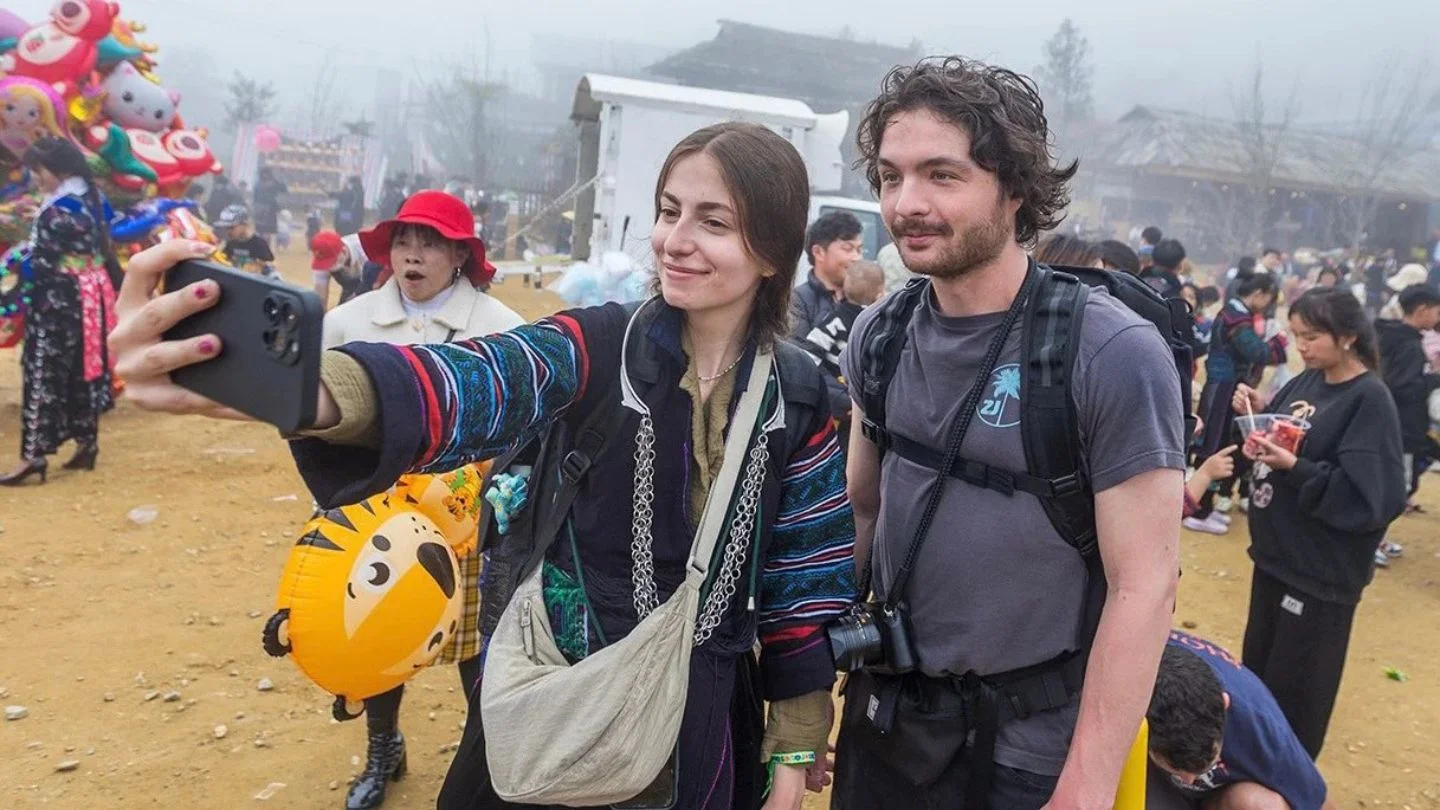
- Meaning & Significance: “Gau Tao” means “recreation place”; it’s a rare traditional H’mong festival combining spirituality, community, and entertainment.
- Timing: Held from 2nd to 4th January (lunar calendar), with preparations starting in November of the previous year.
- Hosts: Three families take turns hosting the festival over three years, planting a sacred “neu” tree to symbolize luck and prosperity.
In today’s fast-paced world, many new festivals and holidays have been added to Vietnamese culture. While this enriches traditions, some ancient festivals risk being forgotten. Gau Tao Festival, however, remains a cherished event among the H’mong people. Its name means “recreation place” in H’mong, and it offers a rare chance to experience Sapa’s ethnic minority culture up close.
The festival is held from the 2nd to the 4th of January in the lunar calendar, with preparations starting as early as November. Three families take turns hosting it over three years, each planting a sacred “neu” tree to bring luck. According to H’mong beliefs, praying at Gau Tao Hill can bless families with health, children, and prosperity.
During the festival, a singer from the host family offers blessings through song. Afterwards, everyone joins in singing, dancing, and traditional games like bamboo pole dancing, archery, and “con” ball throwing. Young men and women also meet and socialize, making it both a cultural and social highlight. The festival concludes with a ritual walk around the neu tree before it is laid down.
2. Roong Pooc Festival

- Timing: Celebrated on the first Dragon Day after the first full moon of the lunar year.
- Location: Ta Van commune, Sapa; originally local, now popular across Muong Hoa Valley.
- Purpose: To honor village guardians and pray for health, security, good harvests, and favorable weather.
Roong Pooc Festival, celebrated by the Giay people in Ta Van commune, takes place on the first Dragon Day after the first full moon each year. Originally local to the Giay, it has now become a major festival in the Muong Hoa Valley. The traditional spring festivals in Sapa are held to give thanks to village guardians and to pray for health, good harvests, and favorable weather.
Early in the morning, people arrive in traditional dress, creating a vibrant display of Sapa’s diverse ethnic groups. A central pillar, decorated with red and yellow symbols representing the sun and moon, becomes the focal point for offerings such as eggs, cloth, silver, and bamboo shoots. Elders burn incense and pray while drums, gongs, and clarinets create a sacred atmosphere.
Games are an essential part of the Sapa festival. People throw colorful balls in the air, cross bamboo bridges, catch goats blindfolded, and play tug-of-war, symbolizing the balance of the sun and moon. Roong Pooc blends devotion, fun, and community spirit in a lively, unforgettable experience.
3. Courtship Duets Festival (Giao Duyen Festival)

- Timing: Held in spring, especially in Ta Phin (12 km from Sapa town).
- Purpose: Young men and women sing duets to find partners and celebrate youth.
The Red Dao people of Ta Phin, about 12 km from Sapa, hold the Courtship Duets Festival in spring. Young men and women sing duets as a way to meet potential partners. The festival also showcases their traditional skills in making brocade, wedding dresses, and souvenirs.
Visitors are drawn to the singing contests, lively games, and festive atmosphere. Traditional games include throwing a sacred ball through a ring, crossbow contests, pole climbing, and tug-of-war. Through music and play, the festival celebrates love, creativity, and the joyful spirit of the Red Dao community.
4. New Rice Festival (Tết Cơm Mới)

- Time: Usually in winter, during harvest season, close to Lunar New Year.
- Location: Nậm Sài Village, Lào Cai.
The New Rice Festival is a special celebration of the Xá Phó people in Sapa, usually held in winter, near the harvest season, close to the Lunar New Year. Unlike other festivals, it doesn’t have a fixed date—villagers choose an auspicious day near the end of the harvest to hold the ceremony. The festival is a way for the community to thank their ancestors for blessing them with a bountiful harvest.
A unique tradition of this festival is that women from each family secretly go out to cut the new rice, avoiding others along the way to maintain the sacredness of the ritual. Afterward, the host family invites guests to share a meal and offers wine three times. Guests drink it completely before exchanging blessings for a prosperous new year.
5. Field Plowing Festival (Lễ Hội Xuống Đồng)

- Time: Morning of the 8th day of the Lunar New Year.
- Location: Ban Ho Commune, Sapa, Lao Cai.
- About the Festival: A spring festival celebrated by the Tay and Dao people, attracting both local and international visitors.
6. Nao Song Festival

- Time: Dragon Day of the first lunar month.
- Location: Séo Mý Tỷ – Dền Thàng Tả Van.
- About the Festival: One of the most distinctive spring festivals of the H’mong people, celebrating the new lunar year and honoring the village’s protective deity.
The Nào Sồng Festival, celebrated on Dragon Day of the first lunar month, is one of the most distinctive spring festivals of the H’mong people. It takes place in Seo My Ty – Den Thang Ta Van and honors Thu Tỉ, the village’s protective deity.
Villagers prepare offerings, usually a pair of chickens or pigs with wine, for the guardian deity. After the ritual, the animals are sacrificed, and their blood is applied to tree trunks where the deity resides. The ceremony ends with a communal feast, where villagers eat, drink, and celebrate together, emphasizing gratitude, community, and abundance.
7. Khen hoa và Mo Cong Troi Fansipan

- Time: During the Lunar New Year holiday.
- Location: Sun World Fansipan Legend, Sapa, Lào Cai
Although not a traditional ethnic festival, the Fansipan Flower Horn & Heaven Gate Festival is inspired by the colorful cultures of Northwest Vietnam. It takes place throughout the Lunar New Year holiday at Sun World Fansipan Legend in Sapa. The festival is designed to let visitors fully experience the joy and atmosphere of spring in the highlands.
Visitors can explore bustling traditional markets, enjoy vibrant folk games, watch music performances, and take part in various cultural activities. This festival provides a fun, immersive, and lively experience, perfect for families or anyone looking to celebrate the Lunar New Year in Sapa.
8. Jumping Festival (Lễ Hội Nhảy)
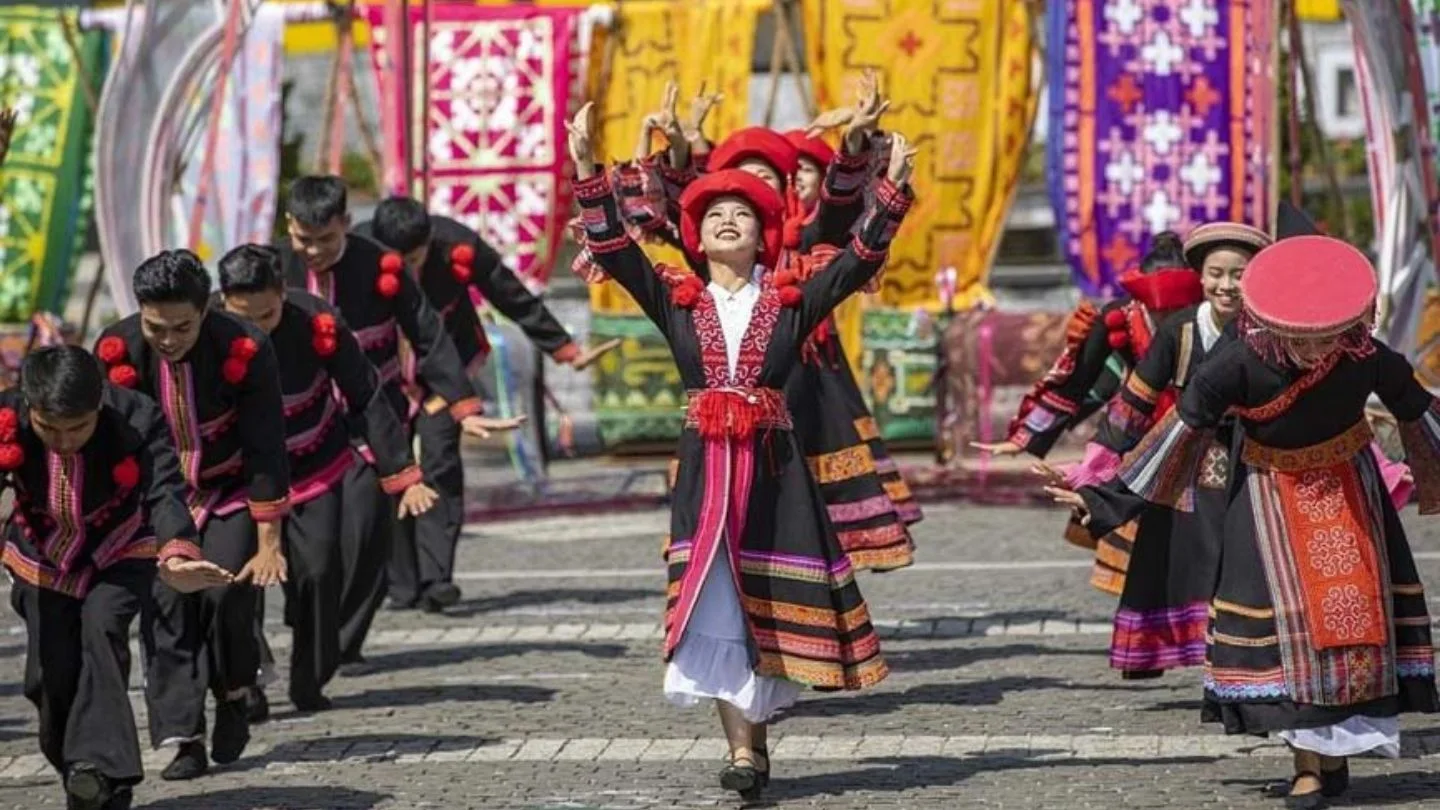
- Time: 1st and 2nd days of the Lunar New Year.
- Location: The family head’s house, Tả Phìn village.
- About the Festival: This Dao ethnic festival honors Bàn Vương, the ancestral deity. It welcomes the New Year, gives thanks to ancestors, and prays for a fruitful harvest.
The Jumping Festival is celebrated by the Dao ethnic group on the 1st and 2nd days of the Lunar New Year, at the family head’s house in Tả Phìn village. It honors Bàn Vương, the ancestral deity, and serves as both a New Year celebration and a ritual to thank ancestors and pray for a successful harvest.
During the festival, visitors can witness ritual dances that welcome spirits, greet ancestors, and invite divine forces. The highlight is the “Tam Nguyên An Ham” dance, performed by a shaman and ten young men, creating a spectacular combination of music, movement, and ritual that is both fascinating and culturally enriching.
Conclusion
Spring in Sapa isn’t just about stunning landscapes – it’s about feeling life differently. Traditional spring festivals in Sapa bring the mountains and villages to life, with music, dance, colorful costumes, and rituals that tell stories spanning centuries. For travelers tired of crowded tourist spots, these festivals offer real cultural connections, slow moments, and memories you can’t capture in photos alone. Come to Sapa in spring, join the celebrations, meet local people, and leave with experiences that stay in your heart forever.
FAQs
When do spring festivals in Sapa usually take place?
Most occur between late January and March based on the lunar calendar, coinciding with new farming cycles and traditional celebrations.
What is the Gau Tao Festival?
A key H’Mong festival in spring where families pray for blessings, plant a “neu” tree, and enjoy dances and games together.
Do tourists participate in Sapa’s spring festivals?
Absolutely, visitors can join ceremonies, folk games, and cultural shows alongside locals during these vibrant spring events.
Is spring a good time to visit Sapa for festivals?
Yes, spring offers mild weather, colorful blossoms, and lively cultural events making it ideal for immersive festival experiences.
Related Tours & Transport
