


 Sapa Tours & Activities
Sapa or Ha Giang: Which Destination Is Better in 2026?
If you’re after easier access, a mix of comfort and adventure, and iconic terraced rice fields – Sapa is your best bet. If you’d rather experience raw, less-touristed mountain roads, epic panoramas, and authentic ethnic villages – Ha Giang will steal your heart. Same mountains, two temperaments — the choice is comfort or wildness.
The big differences between Sapa or Ha Giang, one table first:
| Aspect | Sapa | Ha Giang |
|---|---|---|
| Accessibility | Easier to reach (6 hrs from Hanoi by bus/train + car) | Remote, 7–9 hrs from Hanoi with rugged roads |
| Accommodation | Wide range: 5-star resorts, boutique hotels, homestays | Mostly homestays, simple 1–3 star hotels |
| Scenery | Rice terraces, Muong Hoa Valley, Fansipan Peak | High karst ranges, Dong Van Plateau, Ma Pi Leng Pass |
| Authenticity | More touristy in town, authentic villages nearby | Untouched charm, less touristed ethnic villages |
| Ethnic Interaction | Locals accustomed to tourists, more outgoing | More reserved, quieter cultural exchanges |
| Activities | Trekking, Fansipan climb or cable car, markets, villages | Ha Giang Loop motorbike trip, geopark exploration, passes |
| Trip Duration | 2–3 days is enough | 3–5 days recommended (Ha Giang Loop takes time) |
| Best Season | Mar–May & Sep–Nov (clear skies, pleasant weather) | Sep–Nov (buckwheat flowers, epic views) |
| Best For | Travelers seeking comfort + adventure mix | Adventurers craving raw landscapes & road trips |
| Watch Out | Tourist crowds in town | Dangerous narrow mountain roads, unpredictable weather |
A Brief Overview
Sapa
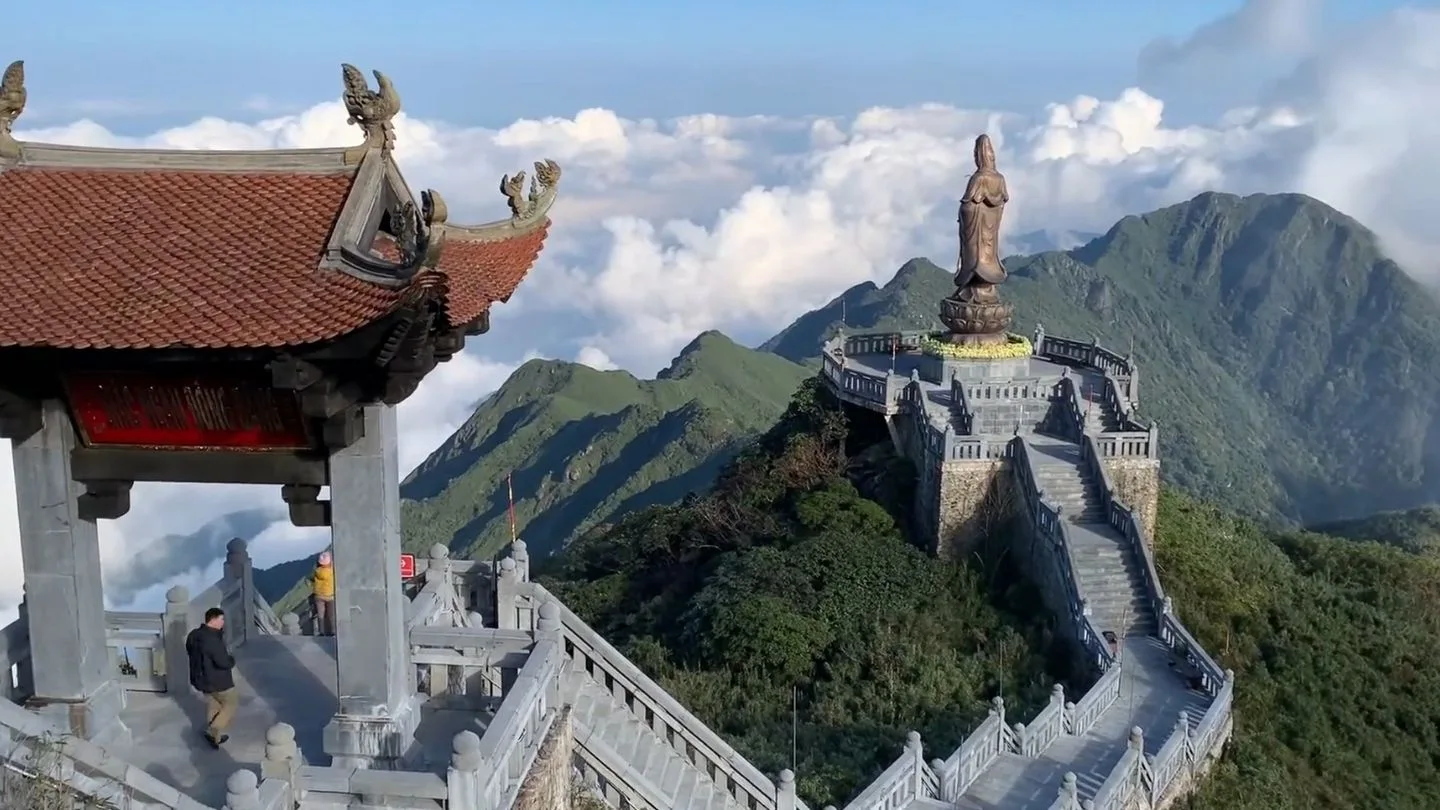
Perched in the Hoang Lien Son mountains, Sapa runs on emerald terraces, Fansipan — the Roof of Indochina — and four ethnic cultures living side by side. Hotels, restaurants and transport links make it the easy door into the northern mountains.
Ha Giang
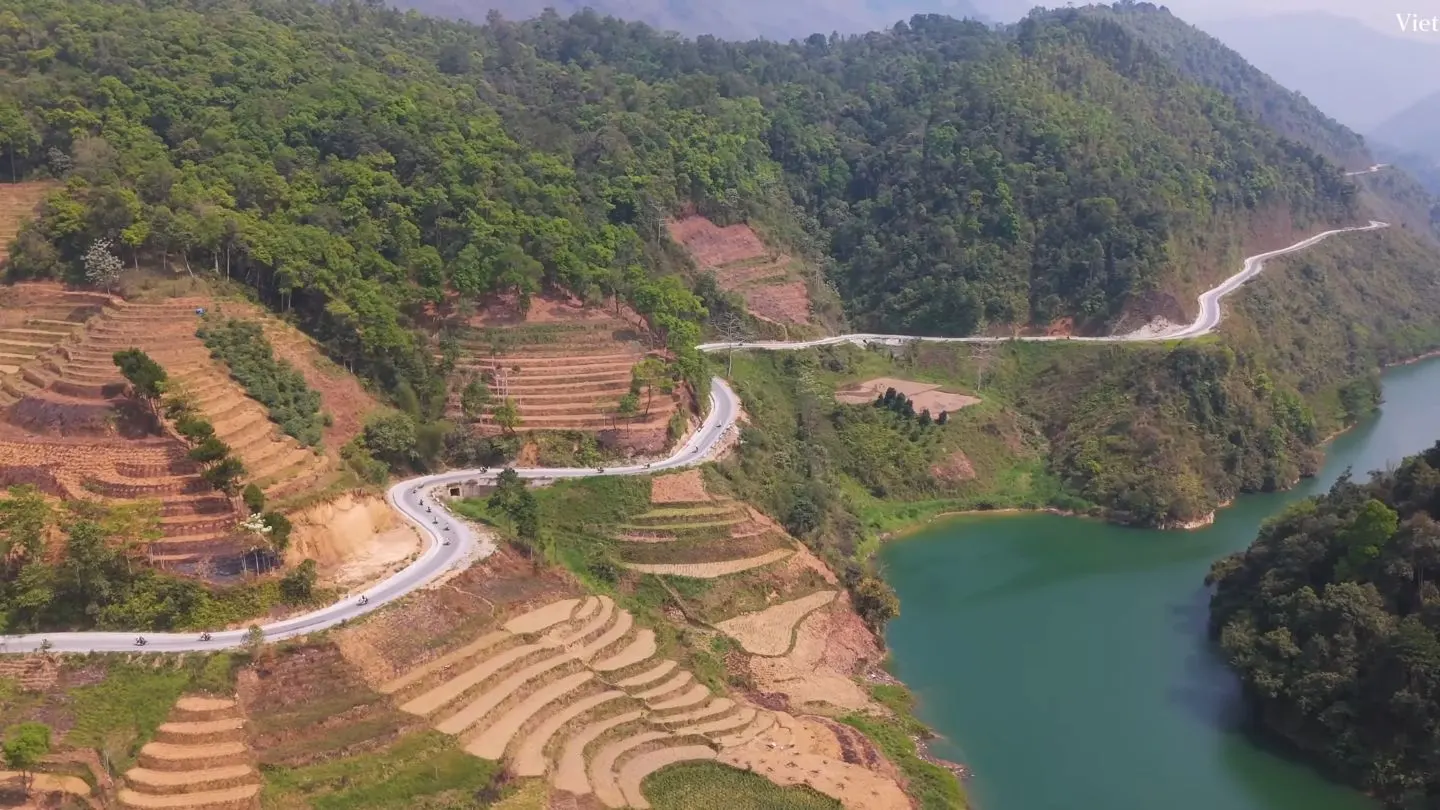
Ha Giang sits farther north against the Chinese border, built around the UNESCO-recognized Dong Van Karst Plateau Geopark — limestone towers and plunging valleys. The legendary Ha Giang Loop threads through it all, one of Asia’s great road trips. The catch is in the roads themselves.
Similar Things Between Sapa vs Ha Giang
Both regions run ethnic markets worth planning around. The Sapa markets gather Hmong, Dao, Tay, Giay, Lu and La Chi traders in full dress — all color, noise and mountain produce.
Our market tours handle the early start and the guiding — you just show up curious.


Ha Giang answers with its own circuit — Dong Van, Meo Vac, Hoang Su Phi, and the once-a-year Khau Vai love market, the region’s most storied gathering.
A Deep Comparison Between Sapa or Ha Giang
Now the deep cut — category by category, with a winner called each time.
Accommodation
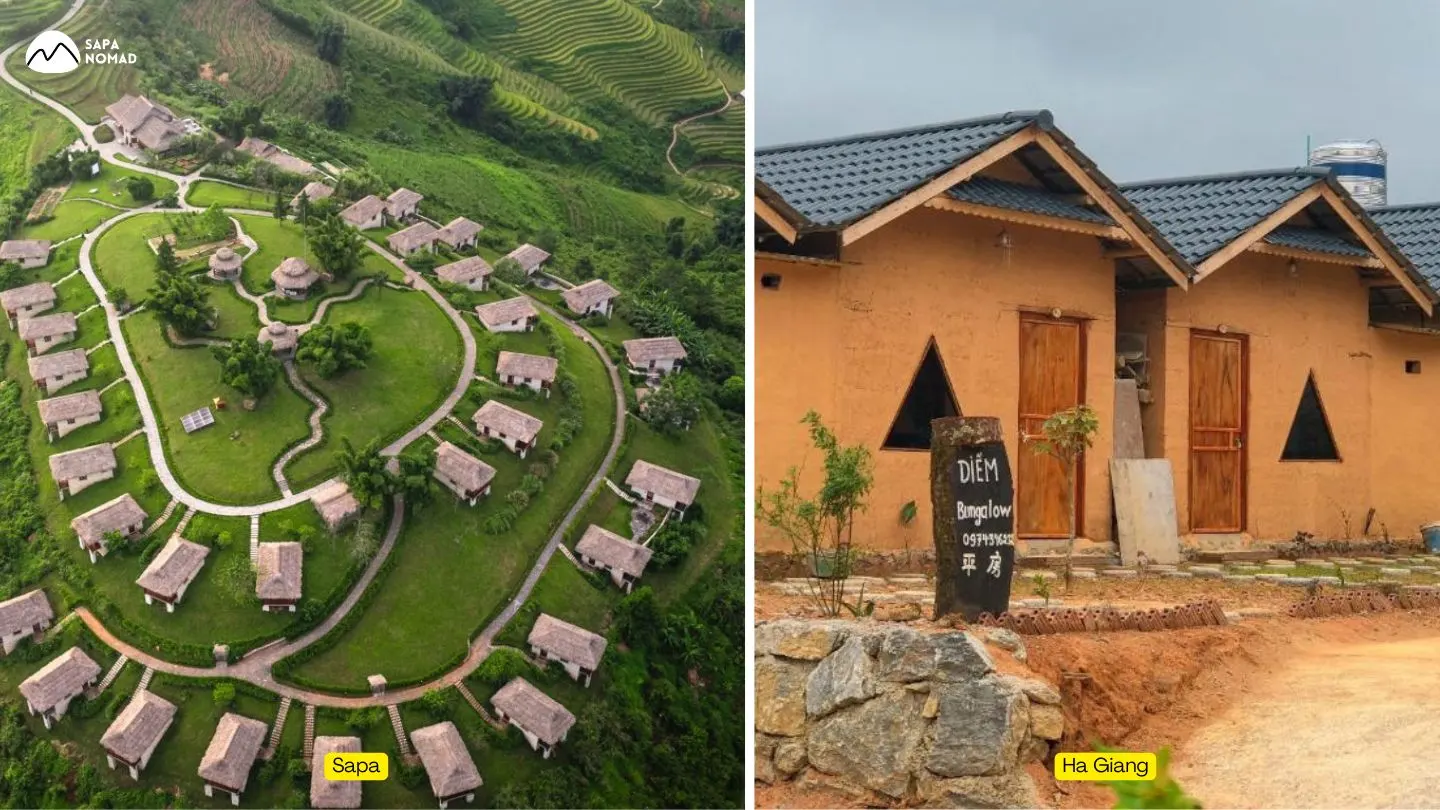
Winner: Sapa
Sapa is the north’s hotel capital: homestays, boutique hotels and 5-star resorts stacked from the lake to the valley rim. Every budget checks in somewhere.
Related articles:
Ha Giang keeps it modest — homestays and simple 1–3 star hotels, often family-run. Less choice, more contact: dinner usually comes with the hosts.
Accessible Transportation
Winner: Sapa
Sapa sits 1,600 m up the Hoang Lien mountainside, about 320 km from Hanoi. The classic route is the overnight train Hanoi to Sapa (to Lao Cai, then an hour up by road), with cabin classes for every budget. The expressway bus does it in about six hours for the impatient.


Ha Giang, 300 km from Hanoi, takes 7–9 hours over rougher roads. The overnight Sapa to Ha Giang bus exists, but comfort is not its strong suit — the region makes you earn it from the first kilometer.
Wondering how to get to Ha Giang? We’ve got several transport options to help you explore this beautiful region. Take a look and choose the one that feels just right for your adventure.


Scenery
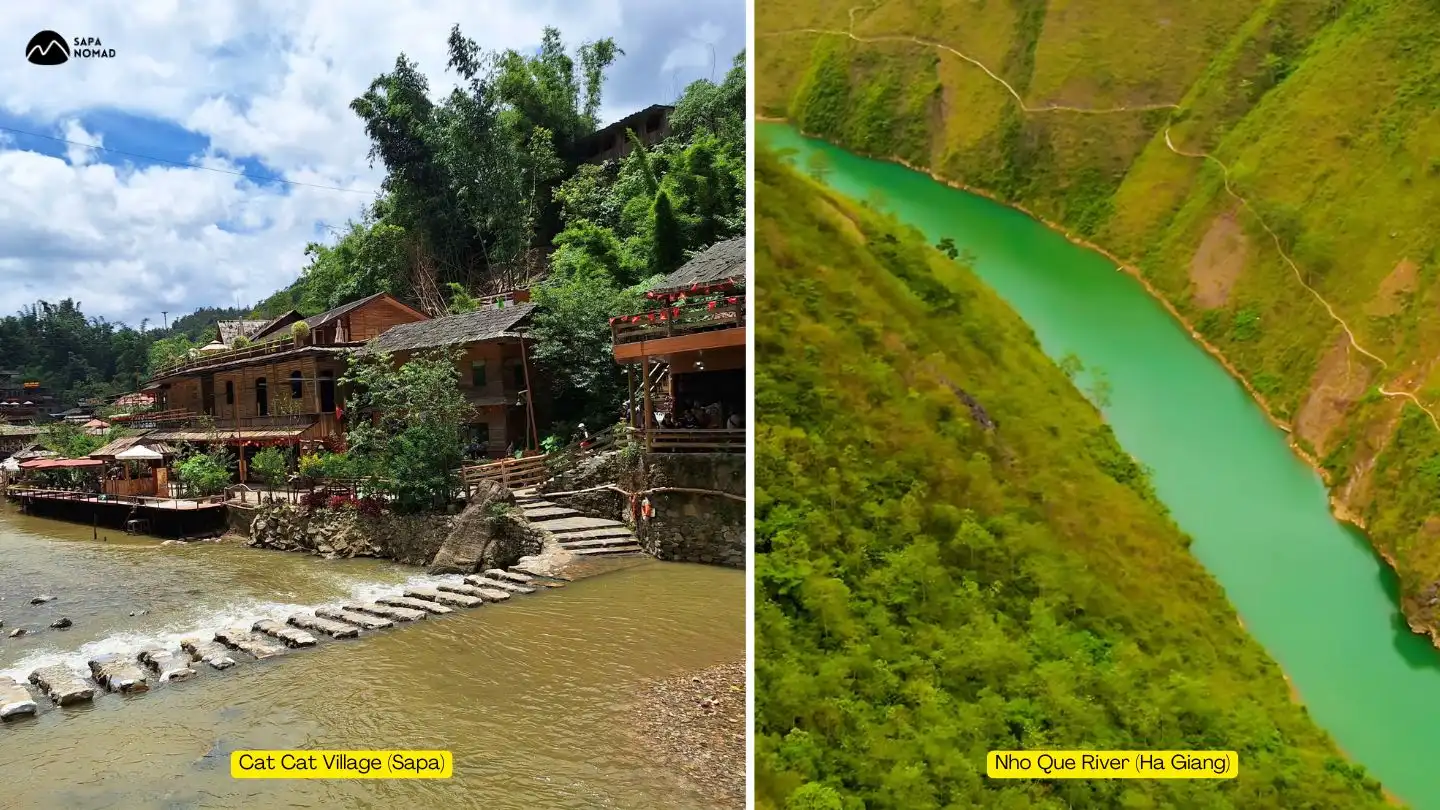
Winner: Ha Giang
Sapa’s scenery is composed — peaks over the Muong Hoa valley, Vietnam rice fields in tiers, villages placed like brushstrokes.
Ha Giang goes vast and rugged — ranges stacked to the horizon, valleys cut deep, and roads that keep delivering viewpoints until you stop counting. Scale is its whole argument.
Authenticity Charm
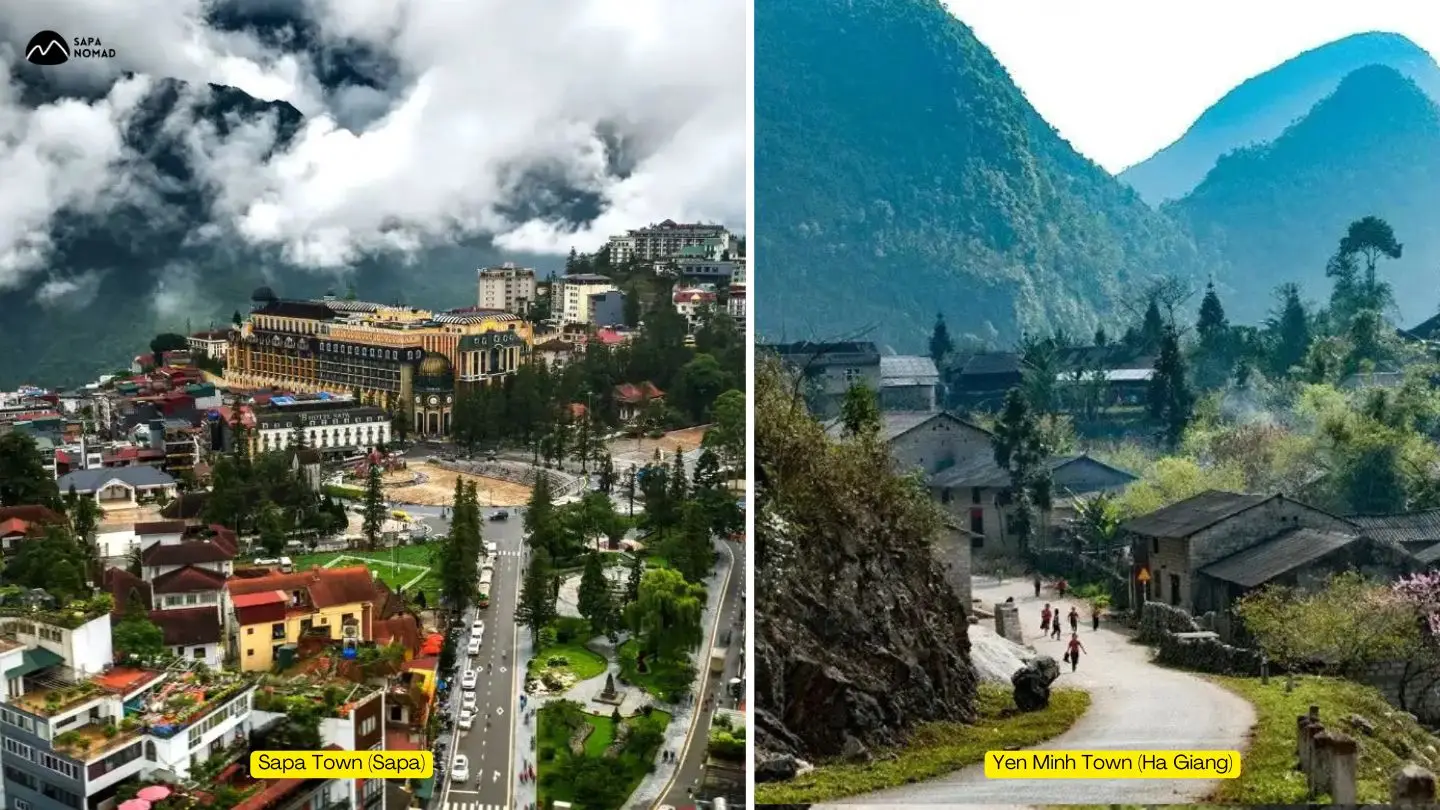
Winner: Ha Giang
Sapa’s town center has commercialized — no point denying it. But step one valley out and the villages still run on their own rhythms, not the tourist clock.
Ha Giang stands out for what has NOT happened to it: villages tourism barely touches, roads where a foreign face still earns a wave. For raw atmosphere, it is the strongest card in northern Vietnam.
Ethnic Minorities Interaction
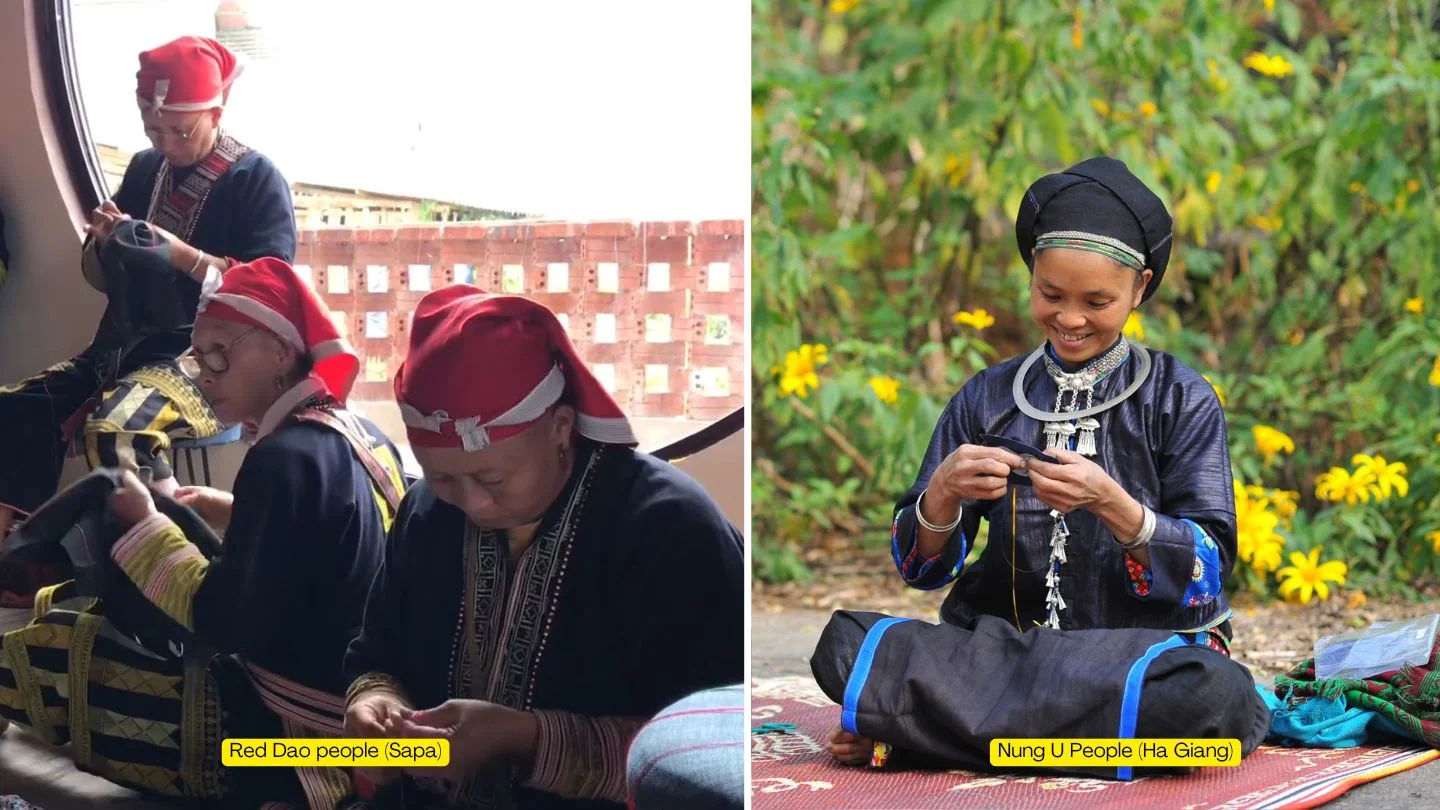
Winner: Sapa
In Sapa, the locals meet travelers daily — selling crafts, guiding treks, running homestays. Interaction is easy, warm, and yes, sometimes commercial.
In Ha Giang, people are shyer and encounters quieter — less selling, more watching each other with equal curiosity. Rarer, and it stays with you longer.
Activities
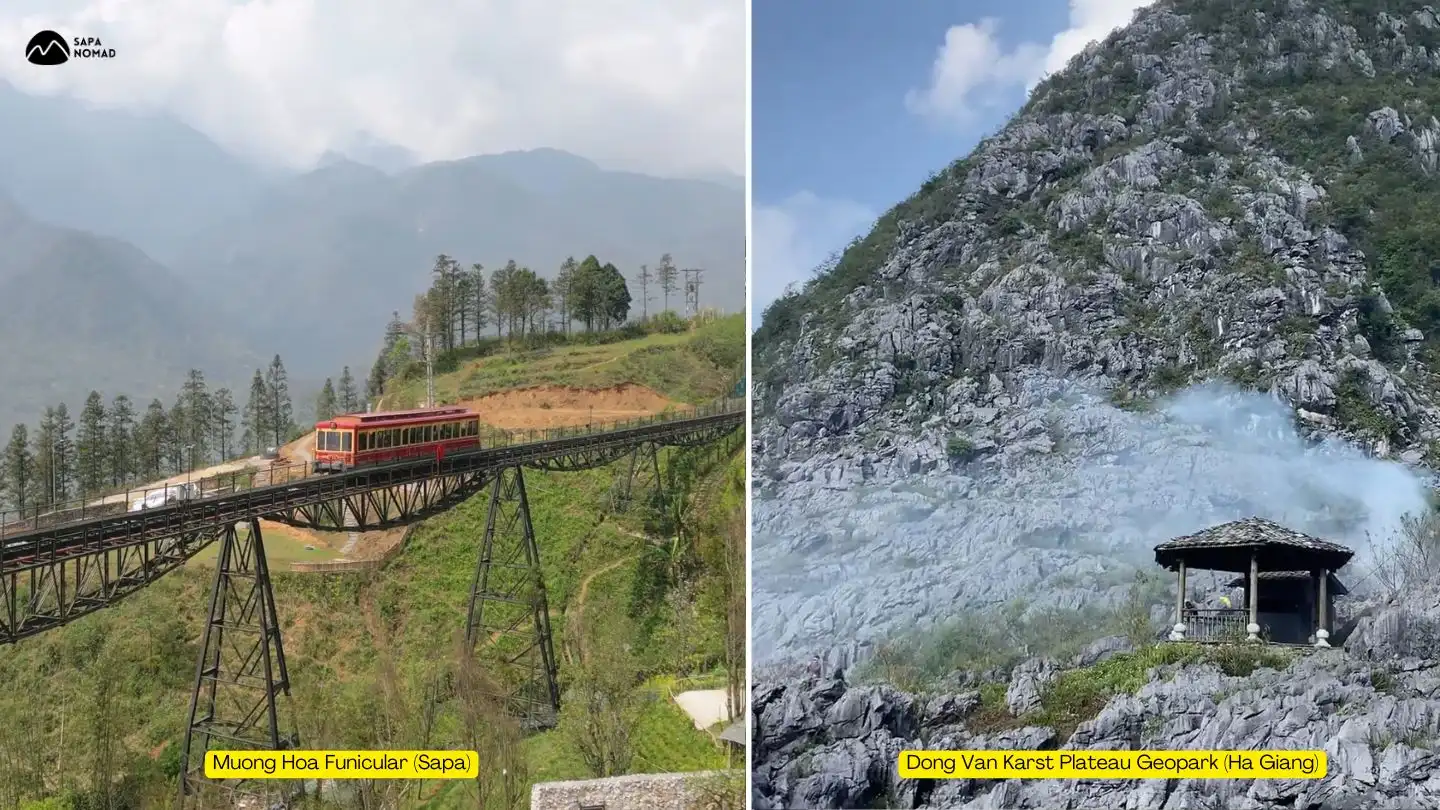
Sapa’s activity menu runs deep: hikes through Sapa’s Vietnam rice fields, village-to-village treks, and Fansipan itself — Vietnam’s highest peak at 3,147 m. Take the cable car, or earn it with a multi-day climb.


Ha Giang concentrates everything into the Loop. Its stops: the Dong Van Karst Plateau Geopark (UNESCO Global Geopark since 2010), stone villages, and the famed Ma Pi Leng Pass over the Nho Que river. Less trekking here — the riding is the point.
Trip Duration Guide
Sapa fits a 2–3 day window: terraces, a village day, a summit, and time left to sit with a coffee and watch the mist work.
>>> Related articles: Sapa Travel Guide: How Many Days is Enough for Sapa?
Ha Giang demands 3–5 days — the Loop will not be rushed. Four days is the sweet spot: the passes, the villages, and margins for weather.
No trip to Ha Giang is complete without the Ha Giang Loop. We’ve put together a few tour options to make it simple and stress-free. Have a look — one of them is bound to fit your style.


Short window → Sapa. Real time → give Ha Giang the days it asks for.
Best Travel Match: Sapa vs Ha Giang
Sapa is a good fit if you enjoy comfort mixed with a little adventure. It’s easy to reach, offers plenty of hotels and tours, and lets you explore rice terraces and villages without too much hassle. Just keep in mind that it can feel touristy at times.
Ha Giang is more for thrill-seekers and road trip fans. Riding the Ha Giang Loop, meeting locals in remote villages, and soaking up jaw-dropping mountain views are all part of the adventure. It’s more demanding, but the raw, authentic experience makes it totally worth it.
Best Visiting Seasons: Sapa vs Ha Giang
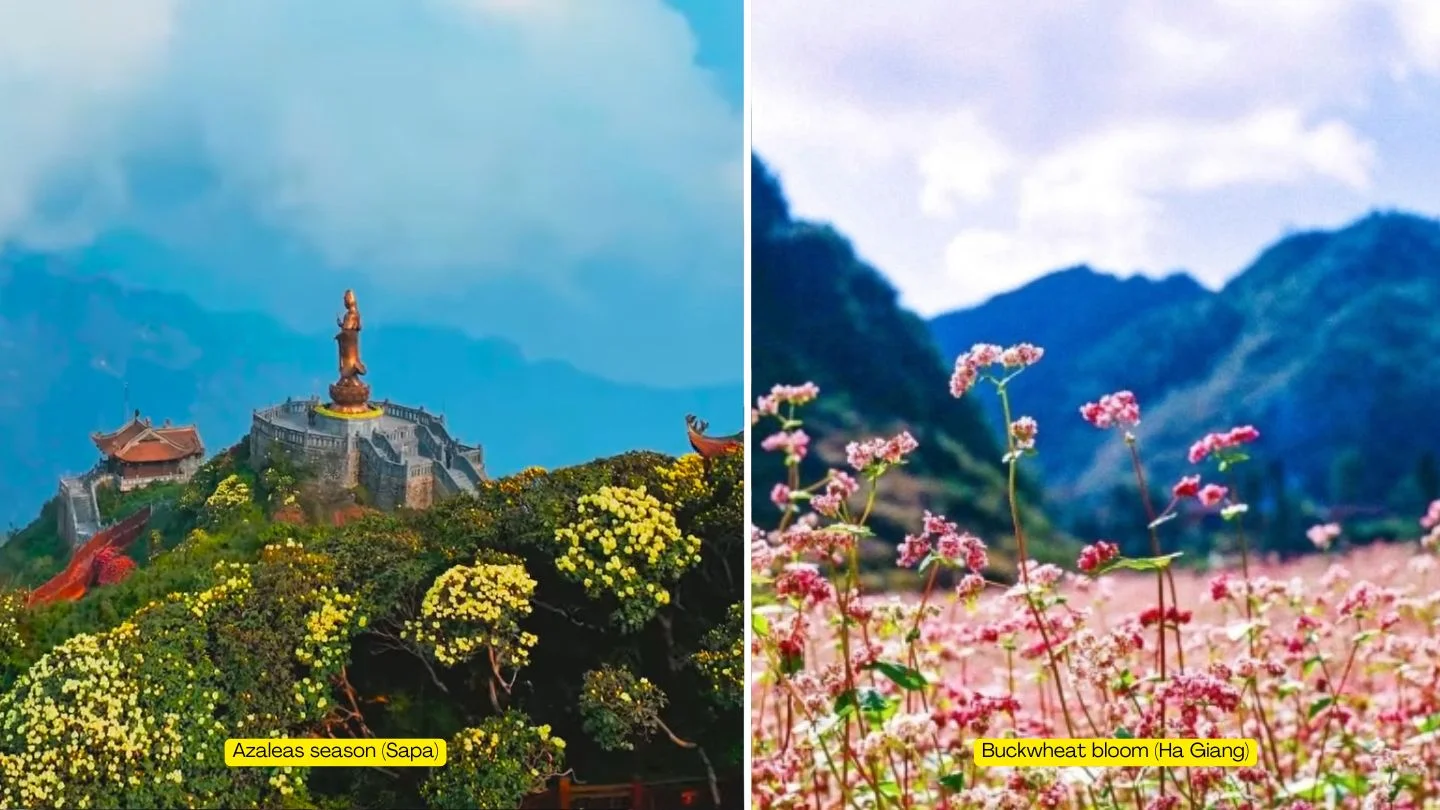
Sapa peaks March–May and September–November — clear skies, kind air. Winter turns foggy and raw; views vanish for days at a time.
>>> Related articles: Best Time to Visit Sapa for Incredible Experiences!
Ha Giang also peaks September–November, right after the monsoon — and October brings the buckwheat bloom, hillsides in purple and white. Weather stays moody (pack layers), and July–August is best avoided: storms and landslides close roads.
What to Watch Out For
- Ha Giang: Narrow mountain roads, unpredictable weather — check conditions before starting the Loop.
- Sapa: Can feel touristy in town; for authenticity, head out to villages like Ta Van or Lao Chai.
- Both: Pack layers and sturdy shoes; nights can be chilly even in summer.
Conclusion
Comfort with a view, or adventure with consequences — that is Sapa or Ha Giang in one line. Sapa welcomes you; Ha Giang tests you. Plenty of travelers do the smart thing and let one lead to the other.
→ Doing Sapa first? Time it with the best time to visit Sapa guide.
FAQs
Is it worth going to Ha Giang?
For most travelers, yes — emphatically. A guided four-day Ha Giang Loop tour removes the two real risks (roads and weather calls) while keeping every view. Guests consistently rank it among their Vietnam highlights.
Should I visit Sapa or Ha Giang?
If you’re short on time and want a comfortable experience, Sapa is the way to go. However, if you can take your time, Ha Giang is the better choice for exploration.
Are Sapa and Ha Giang Loop similar?
Not really — the Loop is a road trip, Sapa is a walking destination. Sapa adds day hikes, multi-day treks, Fansipan by cable car or climb, and infinity-pool afternoons over the terraces. Different sports entirely.
Related Tours & Transport
