


 Sapa Tours & Activities
Sapa Town: The Hill Station in the Clouds
Sapa was a French invention — a cool retreat built high in the mountains to escape the lowland heat. A hundred years on, it is a crowded little town, all hotels and fog and motorbikes, perched at sixteen hundred metres. But step to its edge and the reason it exists is still there: the valley, falling away into cloud.
A French hill station
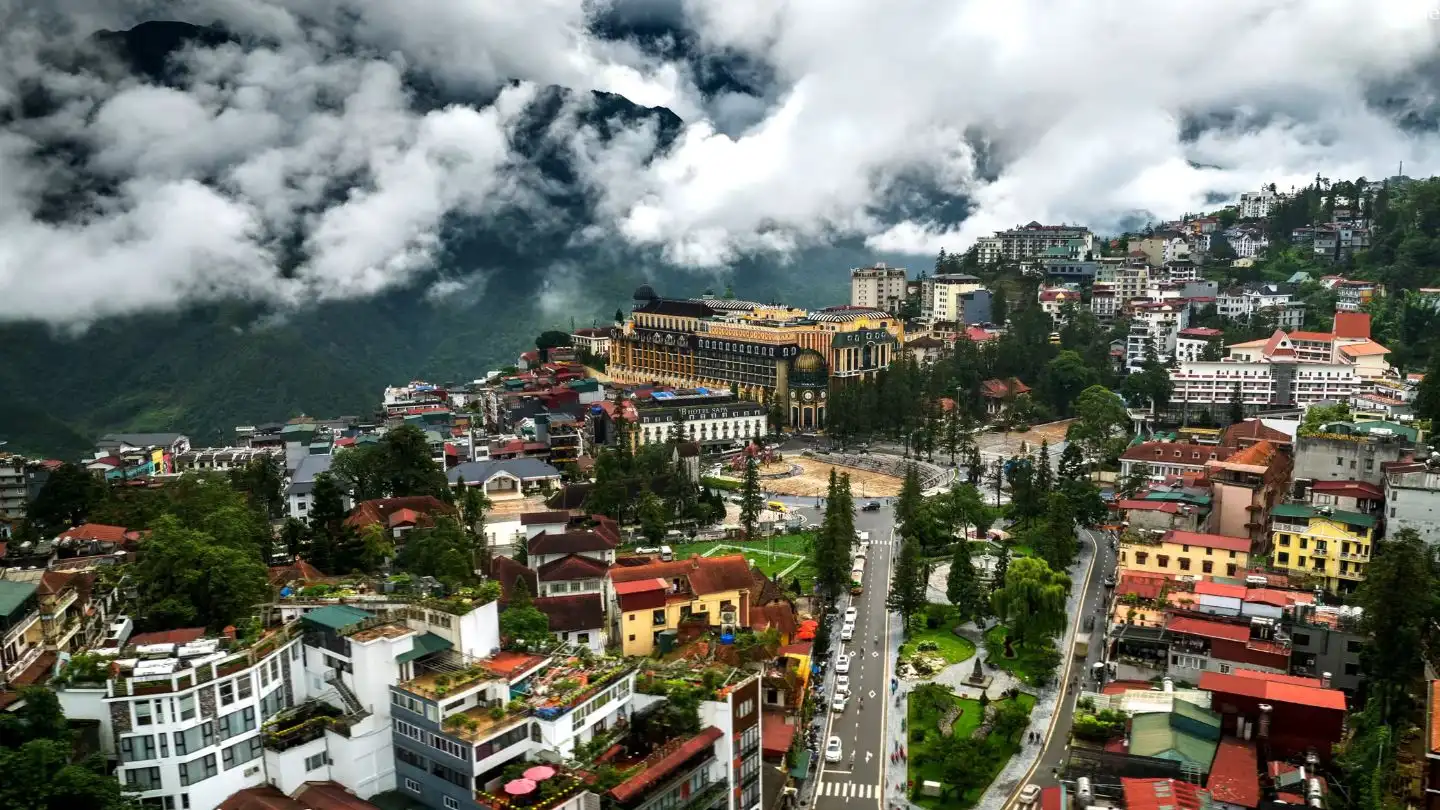
Sapa exists because the French wanted somewhere cool. A sanatorium opened here in 1913. Through the 1910s and 1920s, the French turned the town into a hill-station retreat — a “summer capital” away from the Hanoi heat, then known as Chapa.

That era faded with the colonial one, and for decades, Sapa was quiet. It is only in the last decade or so that tourism has boomed, filling the old retreat with hotels and cable cars.
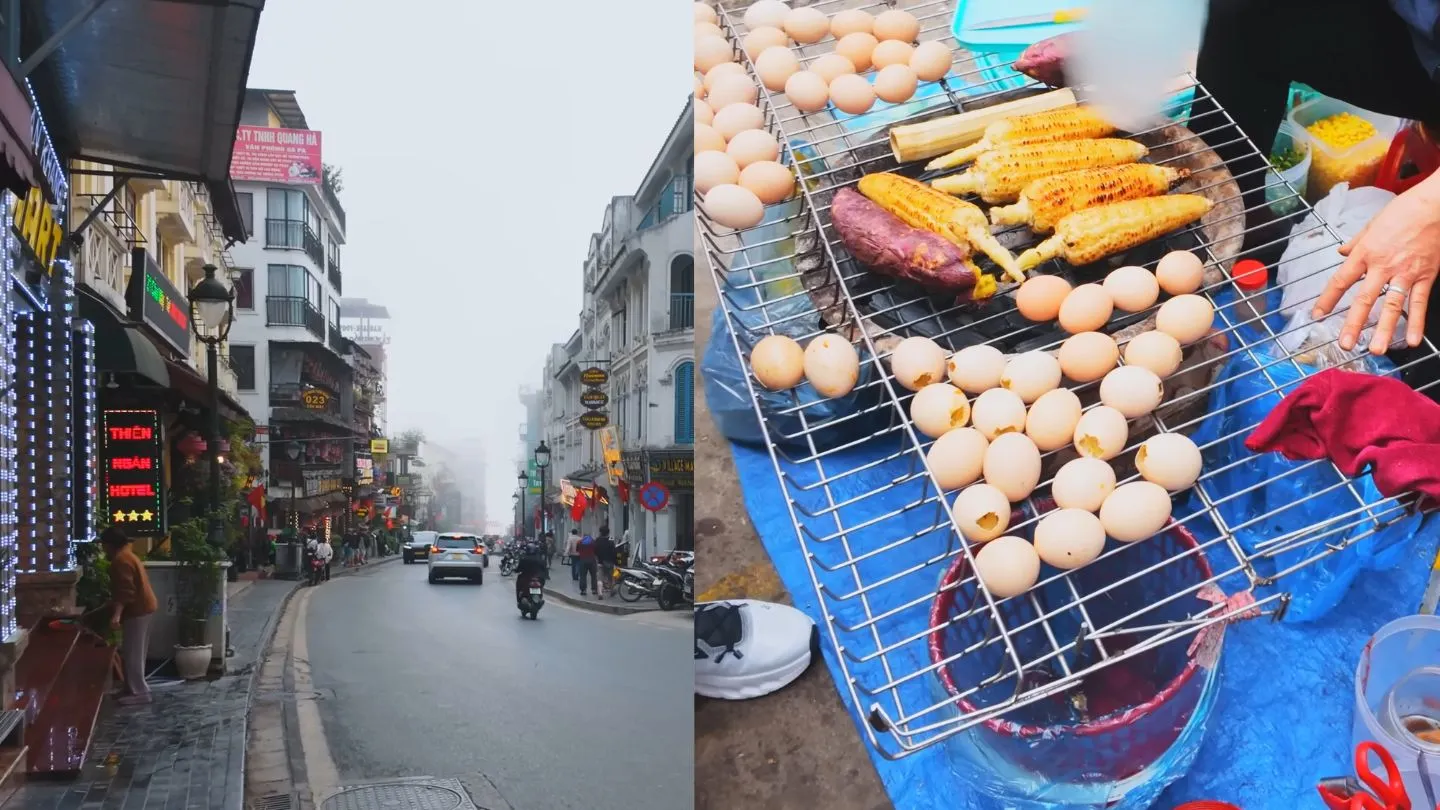
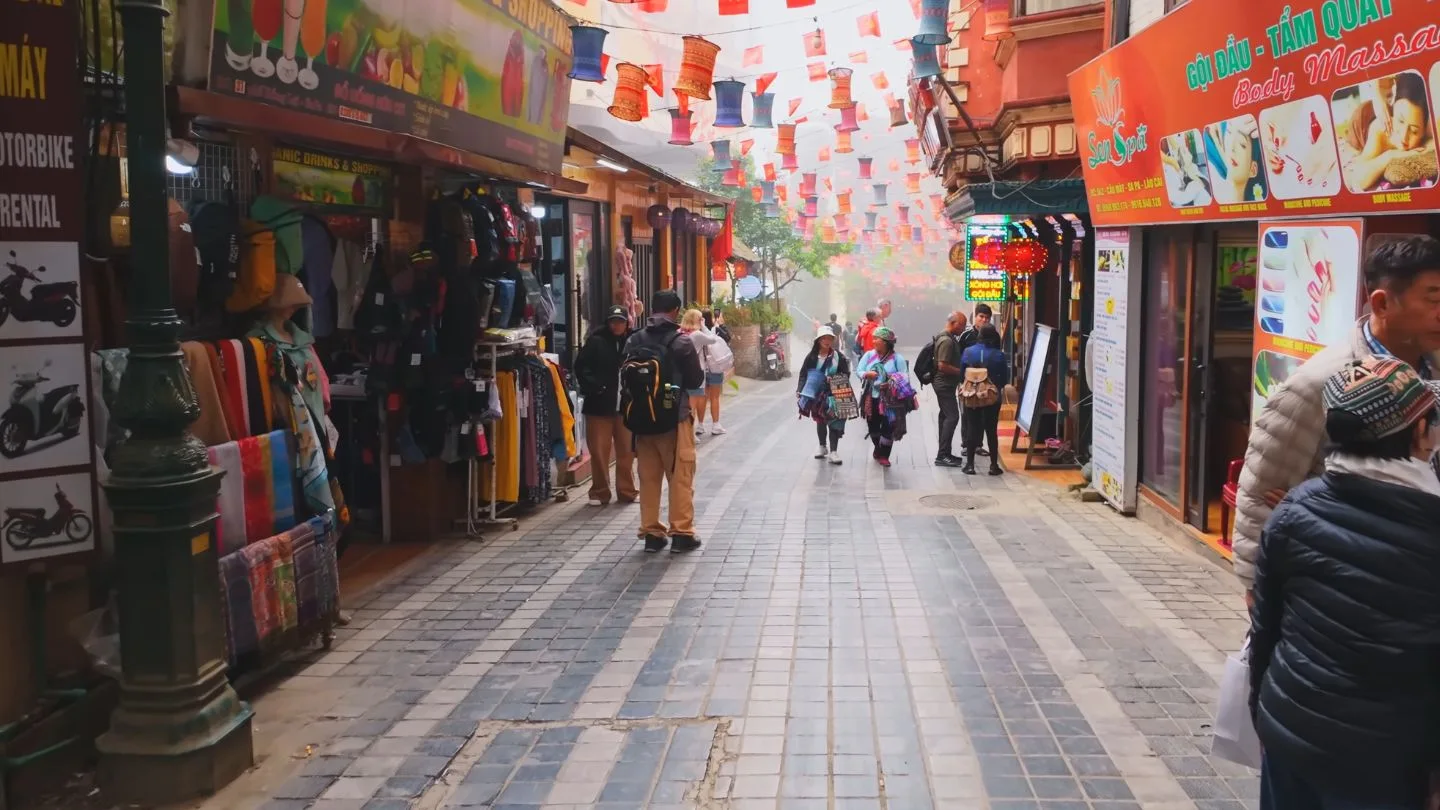
The town today
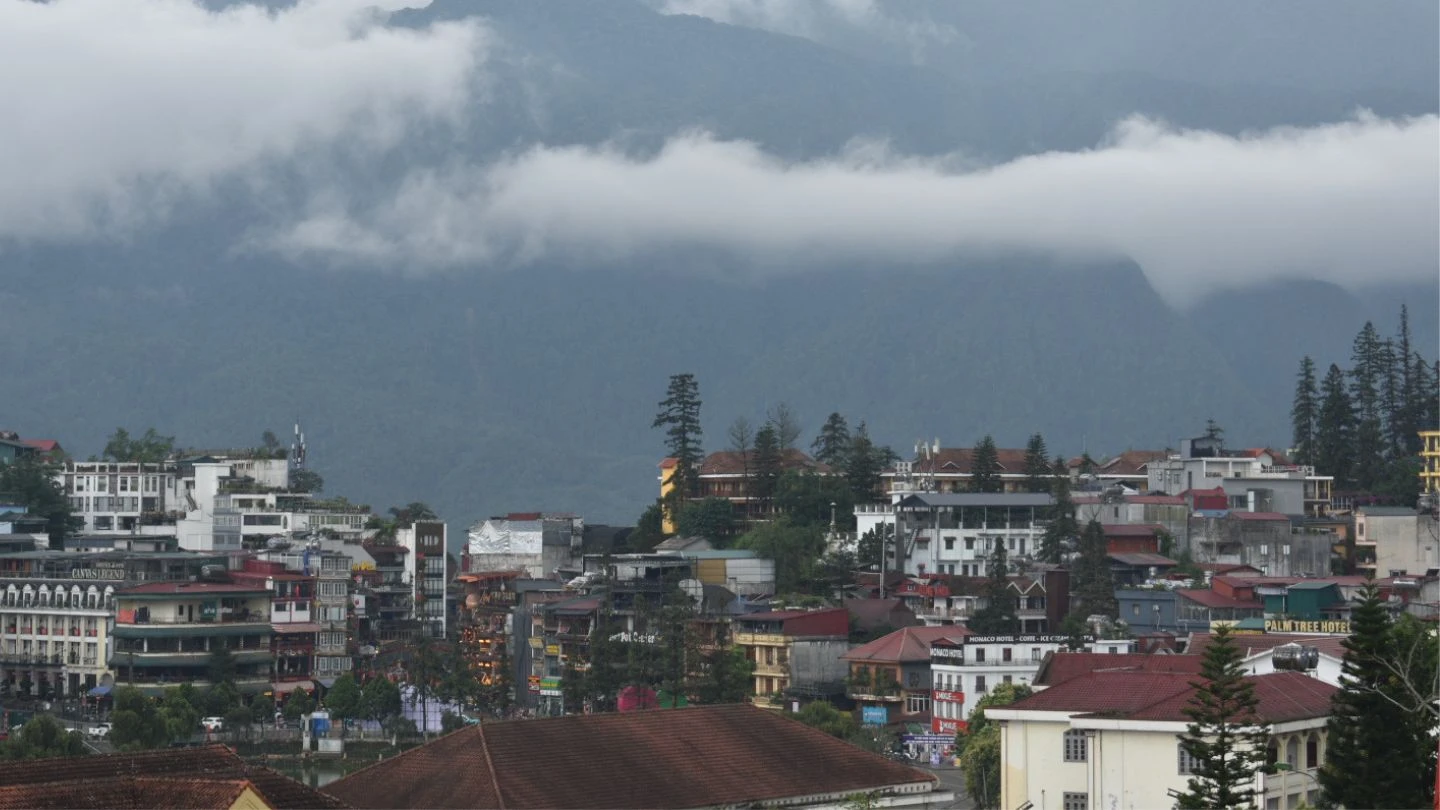
Modern Sapa is small, steep, and busy. The centre gathers around the stone church, Sapa Square, and the lake, with the market, hotels, and cafes packed into the lanes around them.
It is more developed and more crowded than its reputation suggests — be ready for construction and tour groups. The magic is at the edges, where the town gives way to the valley.
The climate
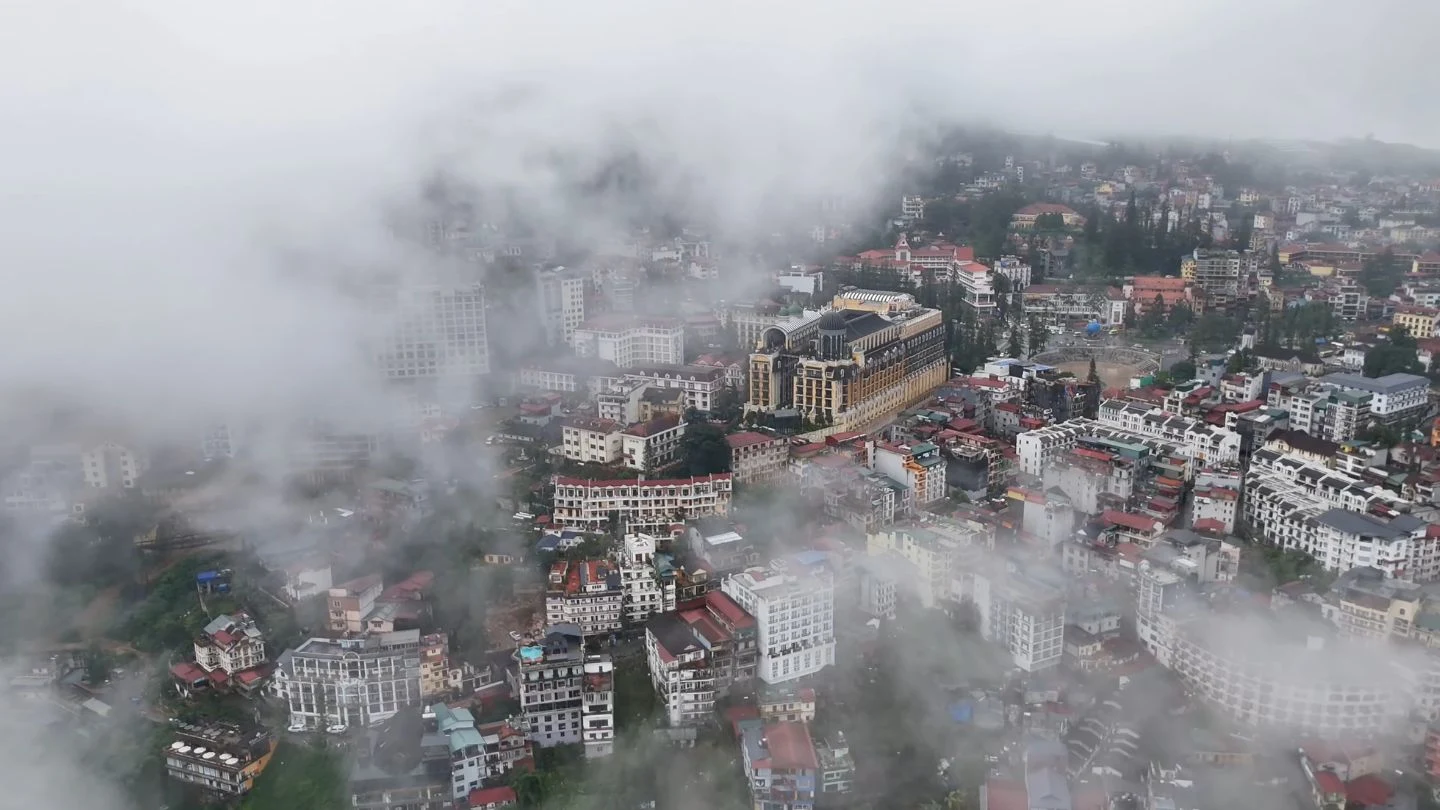
At 1,600 m, Sapa is cool all year — pleasant in summer, around 15–20°C. Winters are genuinely cold, with fog over the town and the odd frost or snow. The mist is part of the character; clear days are a bonus.
Using it as a base
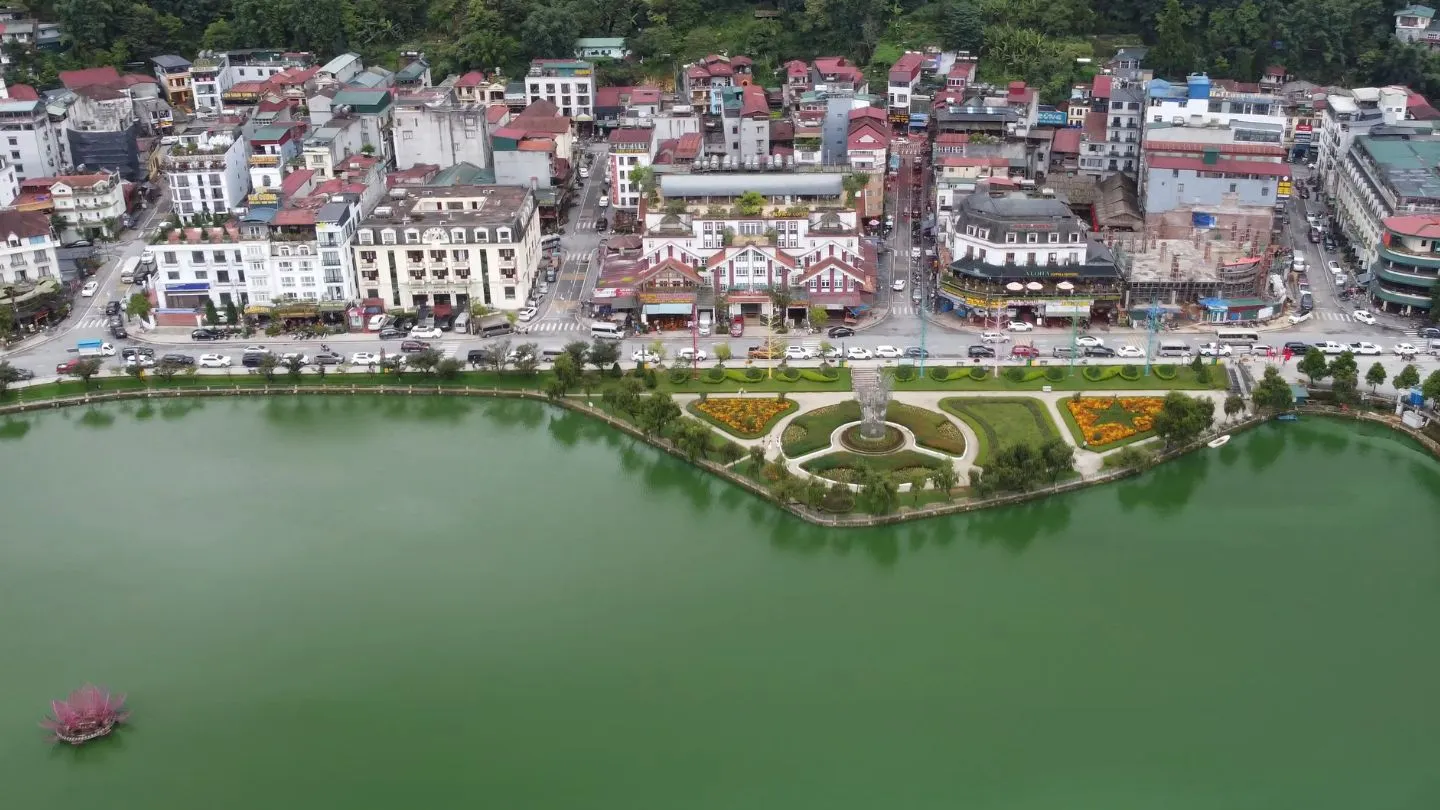
Few people come to the Sapa town itself. Sapa is where you sleep, eat, and start from — out to the ethnic villages and the Muong Hoa valley, up Fansipan, or off to the weekend markets.
For the full list of trips, see our things to do in Sapa guide; for the sights themselves, the what to see guide.
Tips for visiting
- Treat it as a base — sleep here, but spend your days in the valley.
- Pack layers. It is cool year-round and cold in winter.
- Stay central, near the church and lake, to walk everywhere.
- Lower your expectations of the town and raise them for the mountains.
Frequently Asked Questions
Where is Sapa and how far is it from Hanoi?
In Lao Cai province, northwest Vietnam, about 315 km from Hanoi, or 5–6 hours by road, and around 30 km from Lao Cai city.
How high is Sapa?
Around 1,600 m above sea level, which gives it a cool, often misty climate.
What is the history of Sapa?
The French developed it as a hill station from the 1910s, a sanatorium in 1913, then a summer retreat known as Chapa. Tourism boomed only in the last decade or so.
Is Sapa town worth visiting?
The town itself is developed and busy; the real draw is the valley, villages, and mountains around it, with the town as your base.
Is it cold in Sapa?
Cool all year and cold in winter, with fog and the occasional frost or snow. Bring warm layers whenever you come.
You spend your nights in Sapa and your days escaping it — out into the valley, up the mountain, along the trails. The Sapa town is just the doorway: a foggy, overbuilt, oddly lovable doorway into the country that surrounds it.
Related Tours & Transport
