


 Sapa Tours & Activities
Sapa Villages Guide (2026): Finding Your Perfect Match
From the pass above Sapa, the Muong Hoa valley unrolls in terraces, every fold holding a village — wooden houses, a thread of woodsmoke, a track worn by buffalo. There are more Sapa villages than you can visit in one trip. The question is never whether to go, but which one.
The Sapa villages at a glance
| Village | From Sapa | People | Crowds | Best for |
|---|---|---|---|---|
| Cat Cat | ~3 km | Black H’mong | Very busy | Easy first visit, short on time |
| Sin Chai | ~4 km | Black H’mong | Quiet | A calm walk close to town |
| Lao Chai | ~7 km | Black H’mong | Moderate | The classic Muong Hoa trek |
| Y Linh Ho | ~7 km | H’mong, Dao | Quiet | Steep, authentic trekking |
| Hang Da | ~8 km | Black H’mong | Quiet | Cloud-hunting, terraces |
| Sau Chua | ~8 km | H’mong | Very quiet | Sea of clouds, slow mornings |
| Ta Van | ~10 km | Giay, Red Dao, H’mong | Moderate | Trek base, homestays |
| Giang Ta Chai | ~15 km | Red Dao | Quiet | Trek extension, waterfall |
| Ta Phin | ~10 km | Red Dao | Moderate | Red Dao culture, herbal bath |
| Ban Ho | ~30 km | Tay, Dao | Quiet | Warm lowland, riverside |
| Nam Cang | ~35 km | Red Dao | Very quiet | Deep, remote, few tourists |
Distances are approximate, measured from Sapa town. Most of these villages line the same valley, so several can be linked on foot in a day or two.
The easy one: Cat Cat
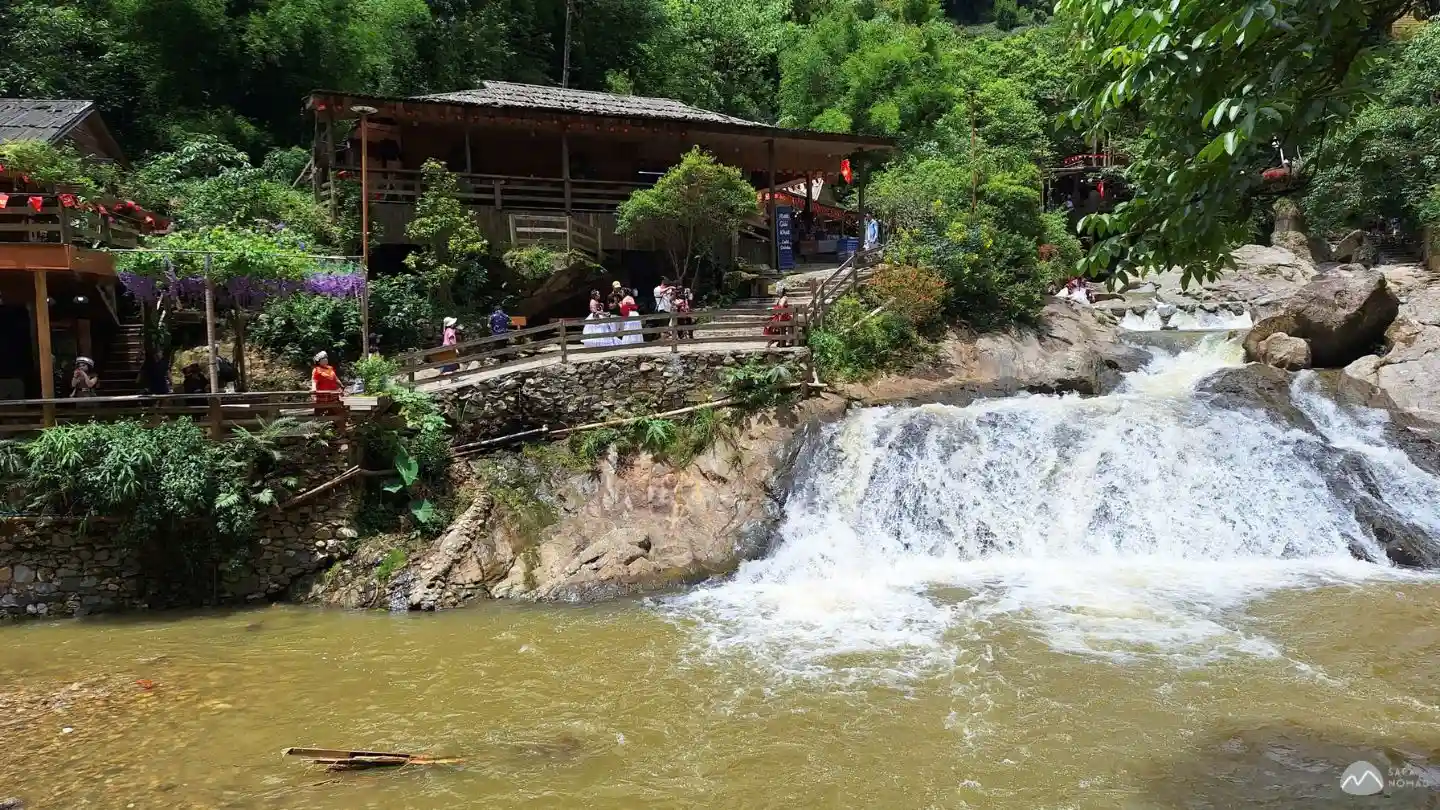
Cat Cat is the closest village, a downhill walk of about 3 km from town, past a waterfall and a small hydro dam. It is the most developed and most visited, with a ticket gate, paved paths, and stalls.
✅ Worth it if you have only a half-day, want an easy walk, or it is your first visit.
❌ Skip it if you came for quiet — this is the one that feels like a managed attraction.
The classic trek: Lao Chai, Y Linh Ho, Ta Van, Giang Ta Chai

These four Sapa villages sit along the Muong Hoa valley and form the route most trekkers walk. Y Linh Ho comes first, steep and authentic; Lao Chai spreads across the terraces below; Ta Van is the homestay base where most treks spend the night.
Giang Ta Chai, a Red Dao village with a waterfall and a bamboo forest, makes the natural extension past Ta Van.
✅ Worth it if you want the rice-terrace trek, homestays, and a full day on foot.
❌ Skip it if you cannot walk several hours, or want a village to yourself.
Red Dao culture: Ta Phin
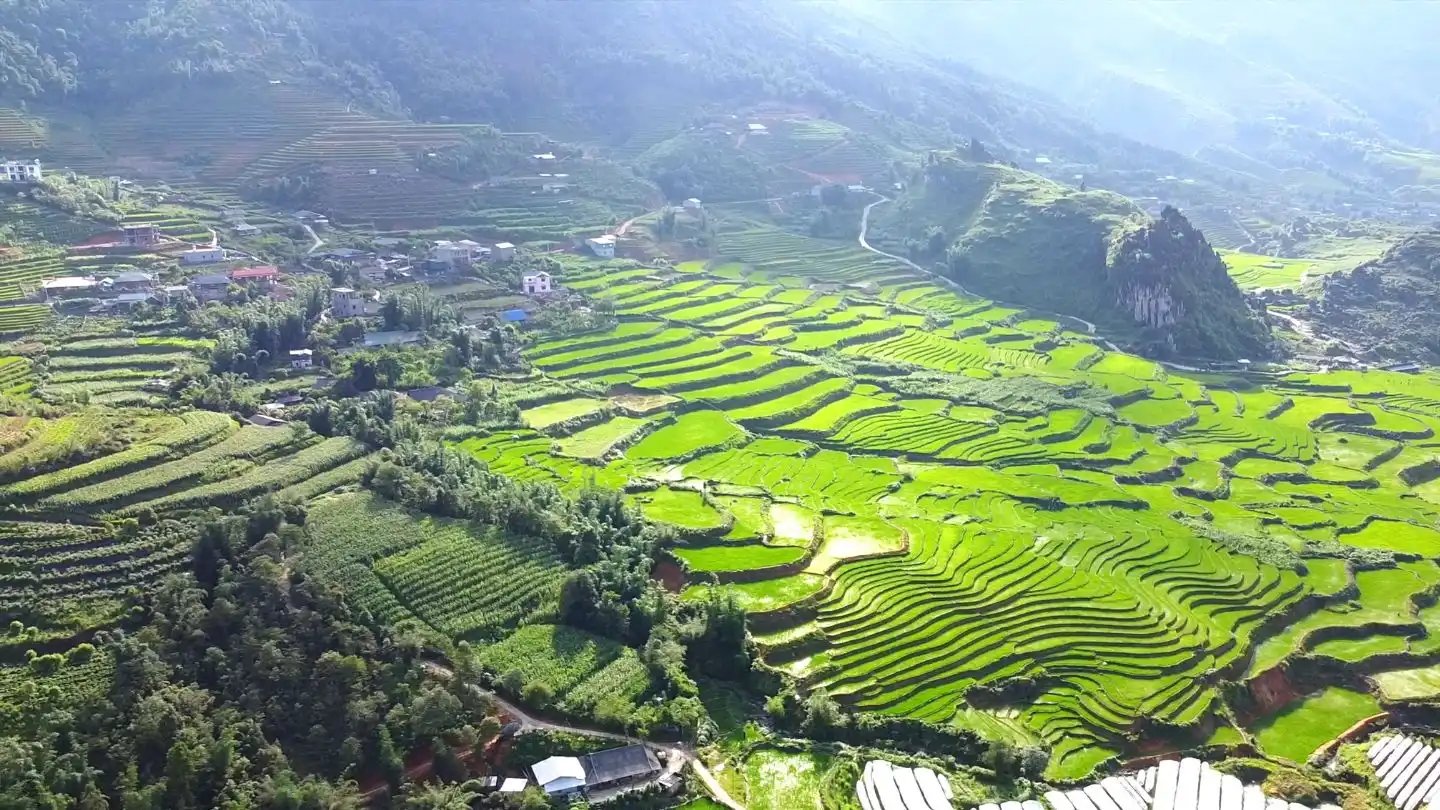
Ta Phin sits about 10 km northeast, home to the Red Dao and known for its herbal bath, its brocade, and the ruined Ta Phin monastery nearby.
✅ Worth it if you want Red Dao culture, a medicinal bath, and a half-day trip with a sight attached.
❌ Skip it if you want a long trek — this is more of a visit than a walk.
Off the trail: Sin Chai, Hang Da, Sau Chua, Nam Cang
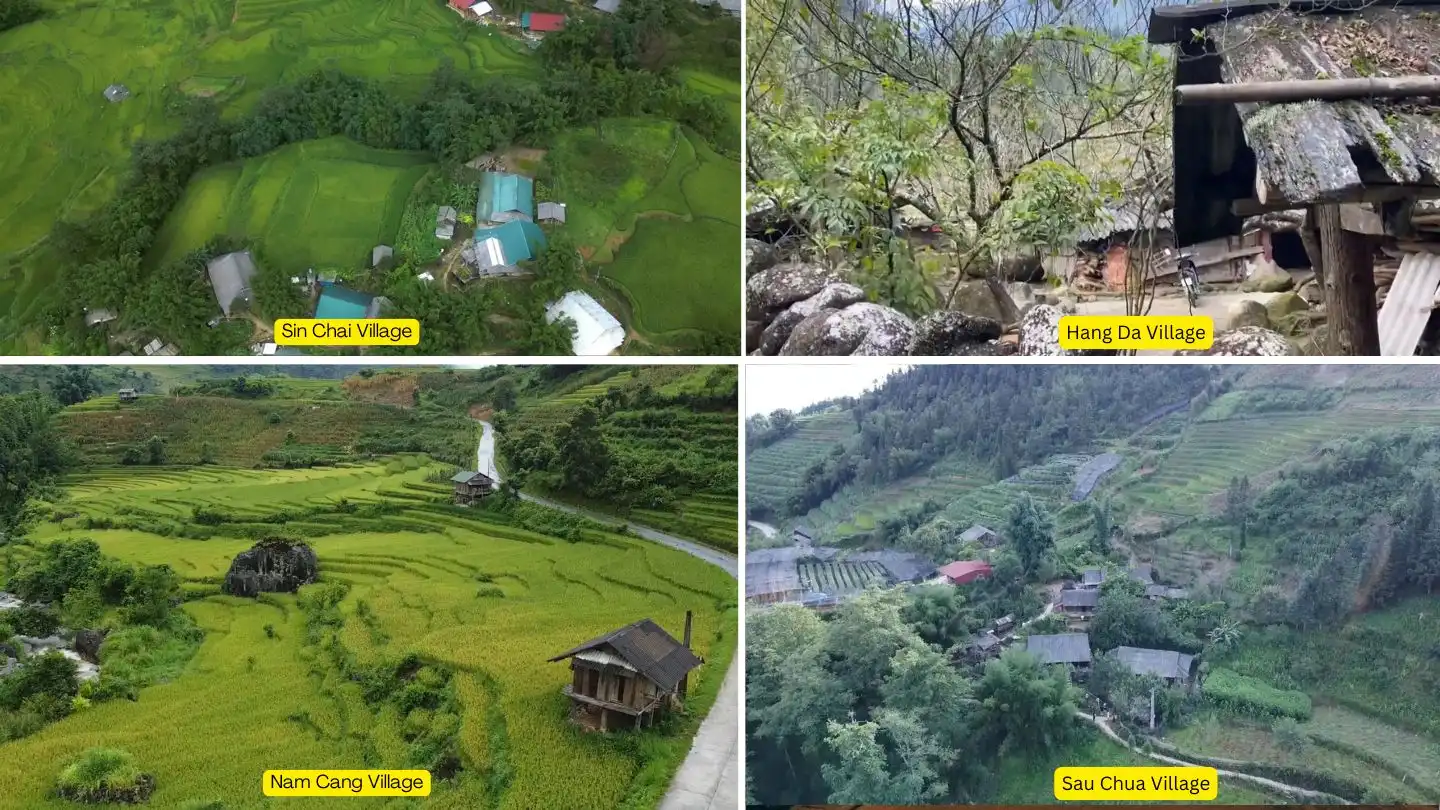
Sin Chai is a quiet Black H’mong village near the Fansipan base, close to town but far less visited. Hang Da and Sau Chua are cloud-hunting villages, best from October to March when the sea of clouds settles in the valley.
Nam Cang sits far down the valley, a remote Red Dao village where the crowds thin to almost nothing.
✅ Worth it if you want quiet, clouds, and Sapa villages that still feel lived-in rather than visited.
❌ Skip it if your time is short — these take a half to full day to reach and return.
Down in the warm valley: Ban Ho

Ban Ho lies about 30 km southwest, lower and warmer than the others, where the Tay live in stilt houses beside the Muong Hoa stream.
✅ Worth it if you want Tay culture, a riverside homestay, and a gentler climate.
❌ Skip it if you are short on time or set on rice-terrace scenery — it is a long drive for a different feel.
How to choose
Match the village to your time and your legs:
- Half a day, no trek — Cat Cat or Sin Chai.
- One full day on foot — the Lao Chai–Ta Van route.
- A culture trip by car — Ta Phin or Ban Ho.
- Two days and a taste for quiet — Nam Cang, or a cloud morning at Sau Chua.
If you want a guide to handle the trail, transport, and homestay, our Sapa trekking tours link several of these Sapa villages into one route.
→ Full guide: 25 Best Things to Do in Sapa: A Local’s Complete Guide (2026) →
FAQs
Which Sapa village is best to visit?
For ease, Cat Cat; for trekking, the Lao Chai–Ta Van route; for culture, Ta Phin; for quiet, Nam Cang or Ban Ho. The best one depends on your time and how far you want to walk.
Which village is closest to Sapa town?
Cat Cat, about 3 km away — a downhill walk of under an hour. Sin Chai, around 4 km, is the next closest.
Do you have to pay to enter the Sapa villages?
Only Cat Cat charges an entry fee (about 150,000 VND). The others — Lao Chai, Ta Van, Y Linh Ho and the rest — are free. Bring cash in Vietnamese Dong for crafts and food.
Can I trek between the Sapa villages?
Yes. Lao Chai, Y Linh Ho, Ta Van, and Giang Ta Chai sit along the Muong Hoa valley, usually walked as one trek. Most spend a homestay night in Ta Van.
Which village is least touristy?
Nam Cang, Sau Chua, and Ban Ho see the fewest visitors, mostly because of the distance. Sin Chai is the quiet option closest to town.
However you choose, the valley does not run out of villages. You walk down into one, share a pot of tea, and look up to find another thread of smoke on the far slope. A place you did not plan to go, already pulling you toward the next morning.
Related Tours & Transport
