


 Sapa Tours & Activities
Sau Chua Village: A Quiet Place Above the Clouds in Sapa
Sau Chua Village is two or three degrees colder than Sapa, and most mornings the fog does not lift until late. People come here not for a sight but for the lack of one. They come to slow down where nothing is arranged for visitors, and the only plan is the next pot of tea.
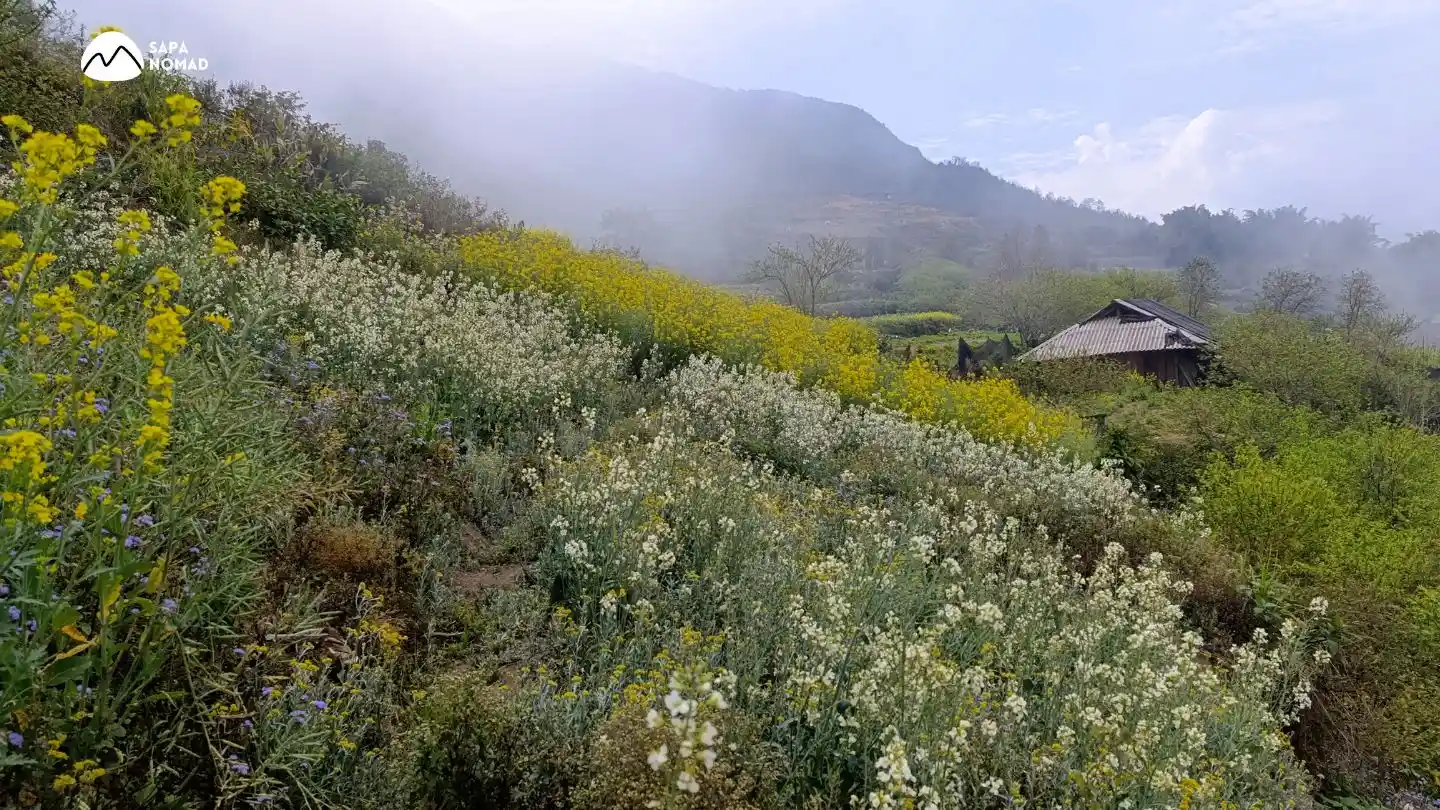
What Sau Chua is like
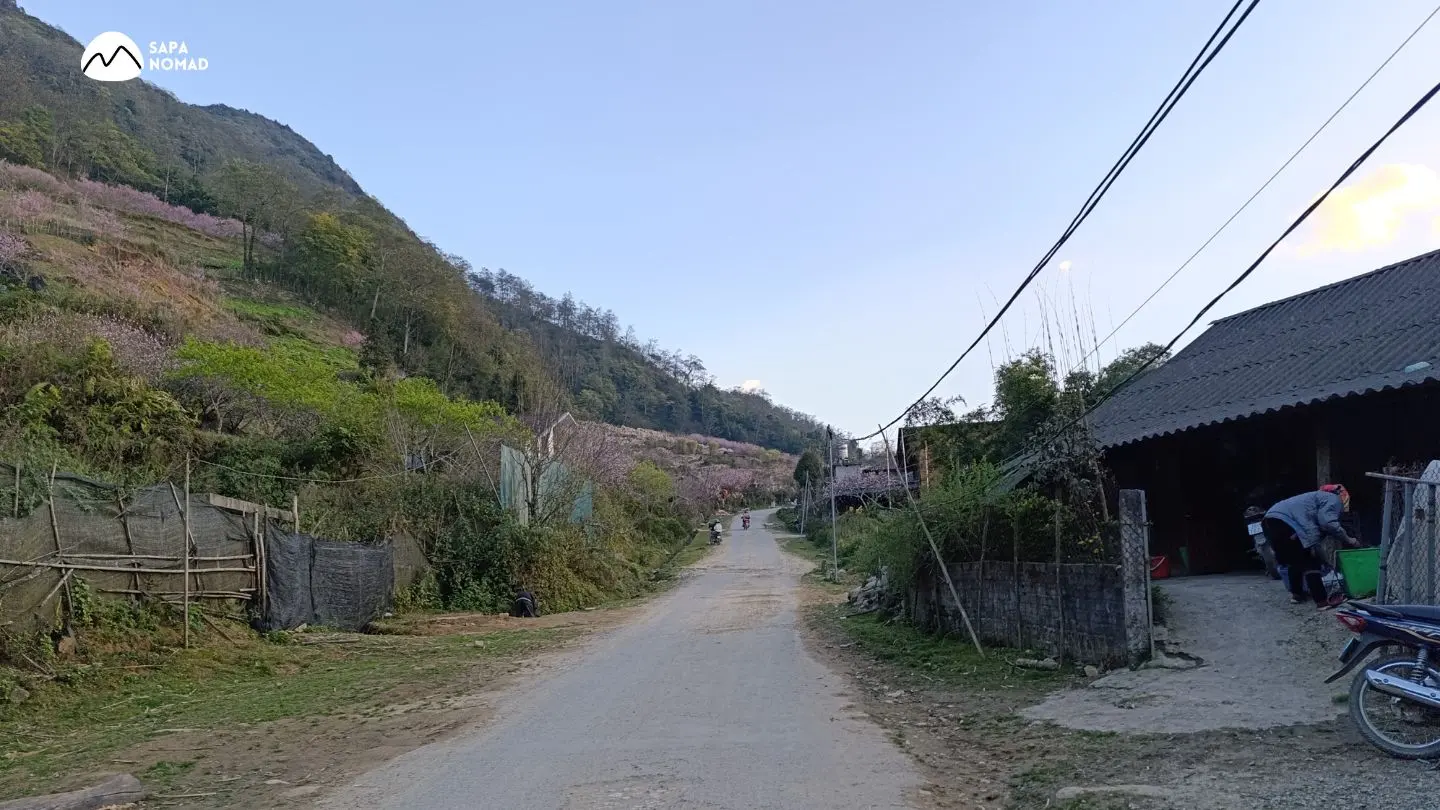
Sau Chua is a small H’mong village that has barely been touched by tourism. It stays two or three degrees colder than central Sapa, often wrapped in fog, with clean mountain air and almost nothing built for visitors.
That is the appeal. It does not try to impress you; it simply lets you slow down. People who come are usually tired of the crowds and want something that feels real.
Slowing down — and the food
One of the nicest things about Sau Chua is how peaceful it feels. There is no packed itinerary here – just quiet village roads, mountain views, and a slower pace of life. A walk around the village often means passing small houses, vegetable gardens, and everyday moments that make the place feel genuinely lived in.
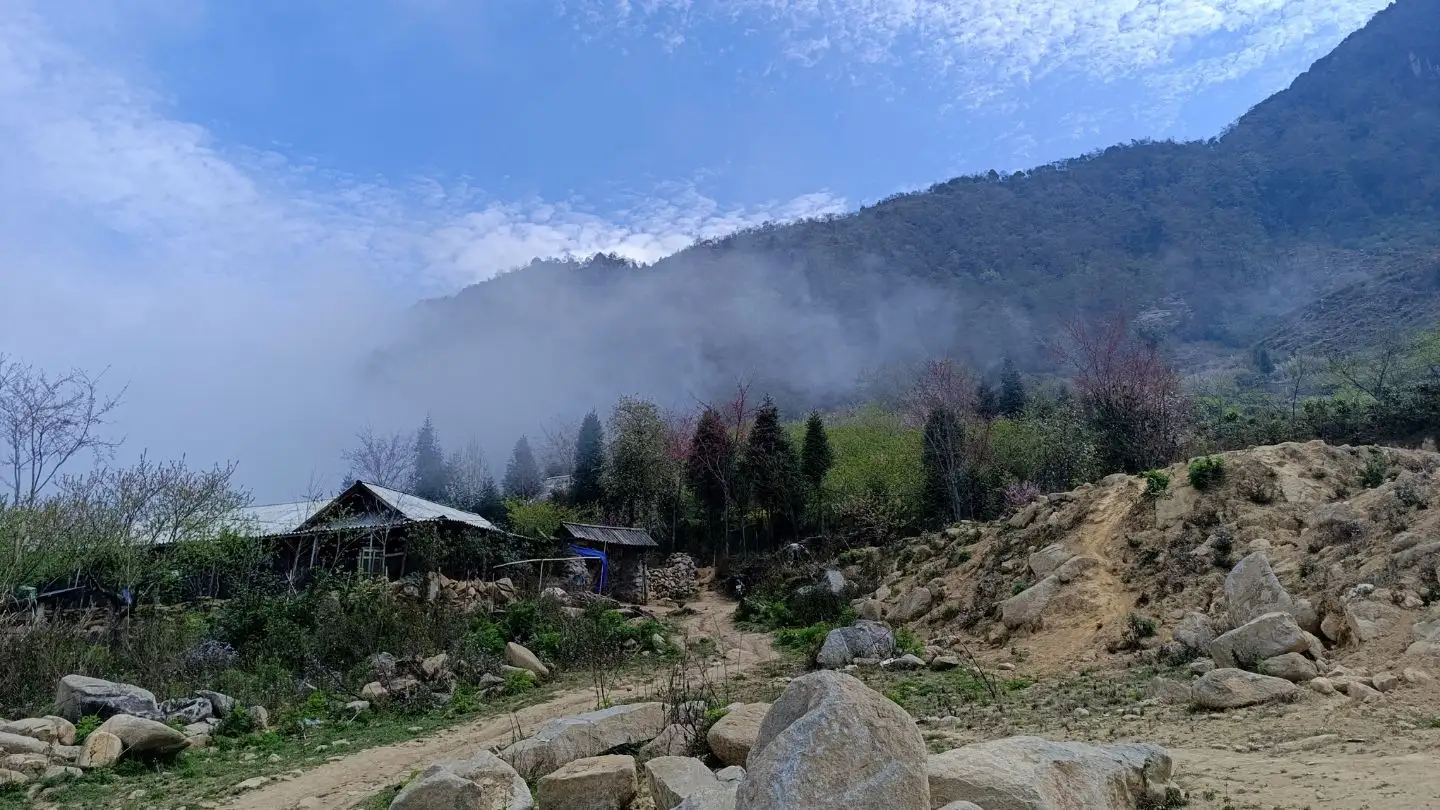
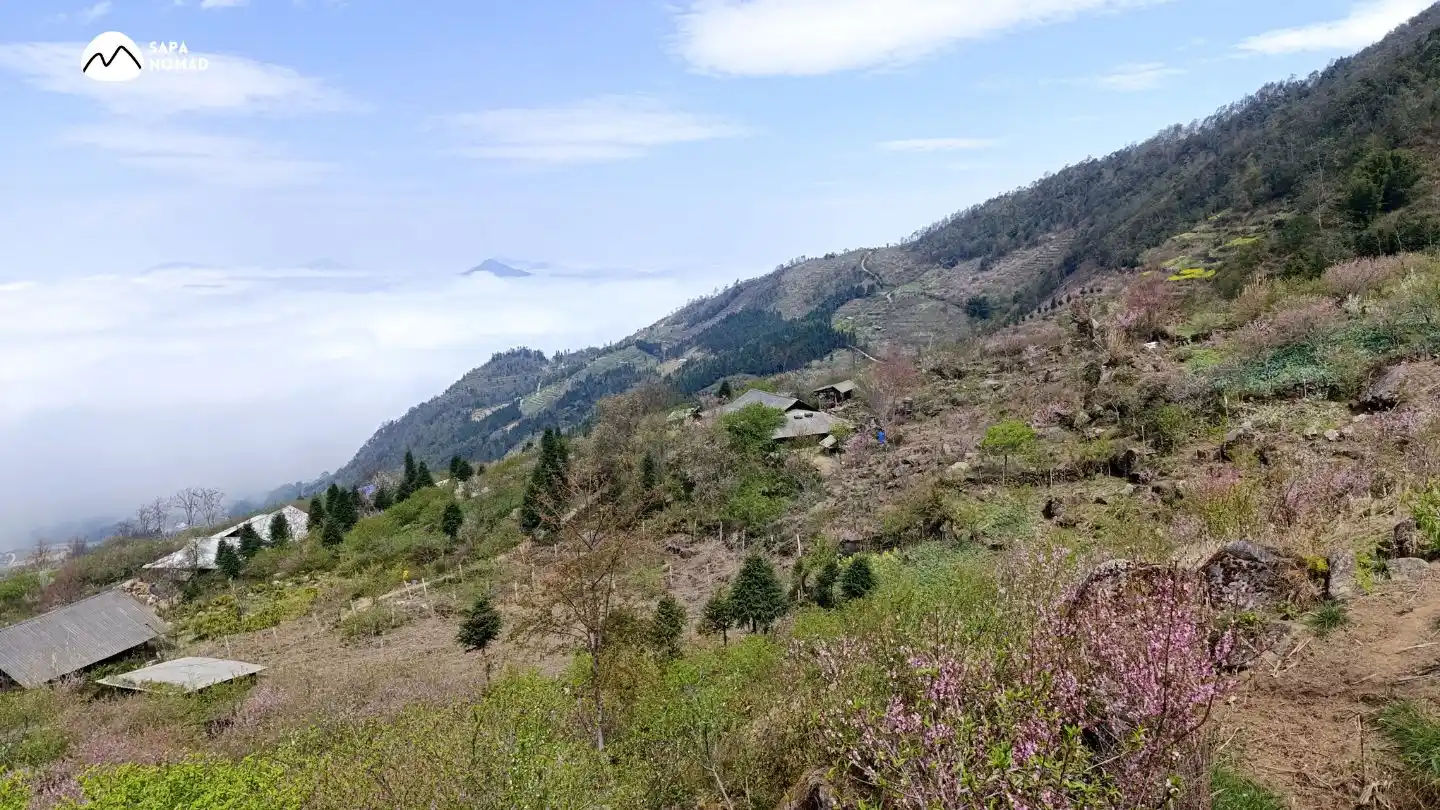
In Sau Chua, the cold lingers longer than in most places, settling into the soil and wooden homes. That’s why peach trees grow so well here – old, thick trunks standing quietly beside village paths and gardens, as if they’ve always been part of the landscape.
When spring arrives, it doesn’t feel like a change. It happens slowly. A few soft pink blossoms first, then more, until the village seems to soften without trying – like the mountains themselves are exhaling after a long winter.
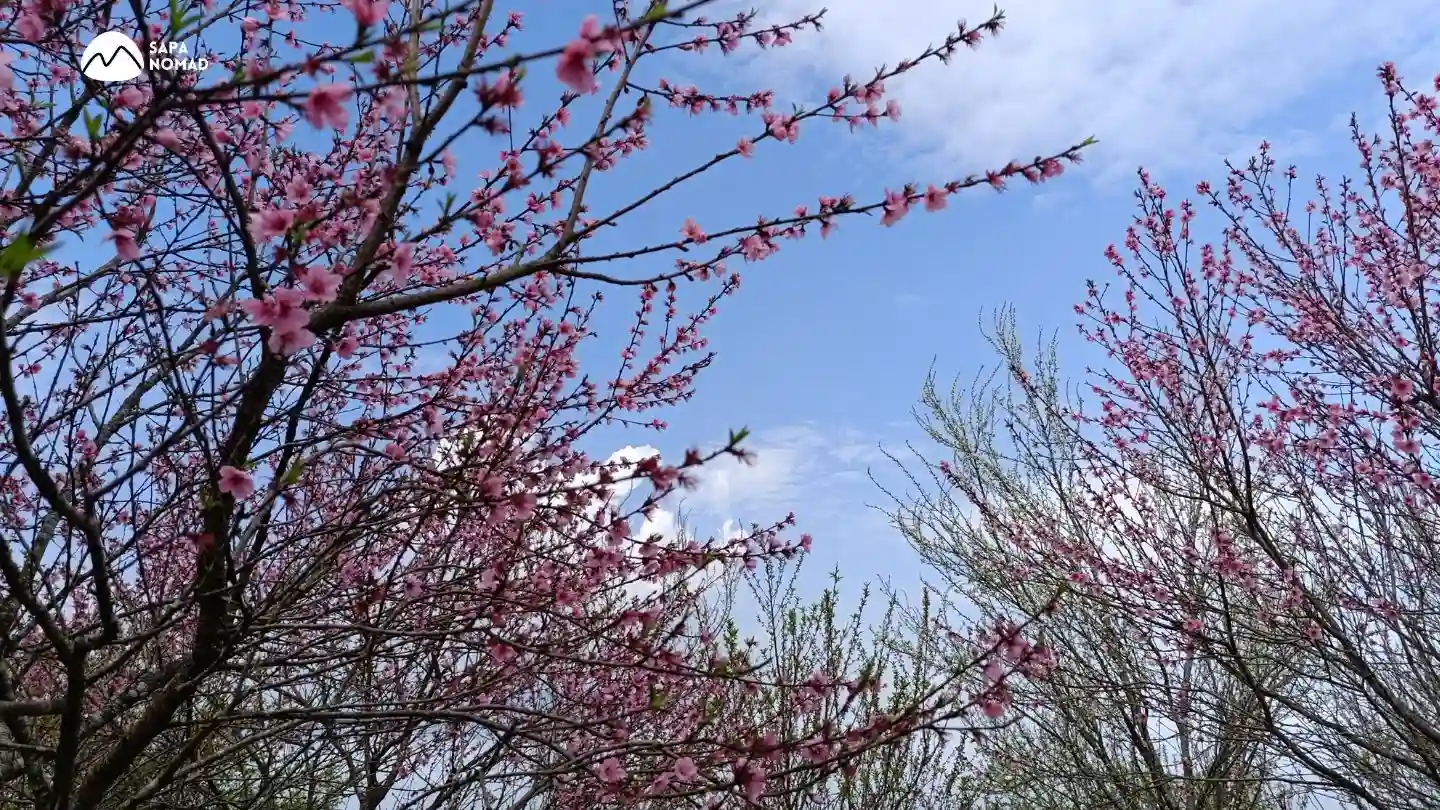
Spending a night in Sau Chua is often the best way to experience it. Mornings begin quietly, with mountain views and the sound of daily life starting around the village. Without rushing anywhere, it becomes easier to appreciate the slower rhythm that makes Sau Chua feel different from Sapa town.
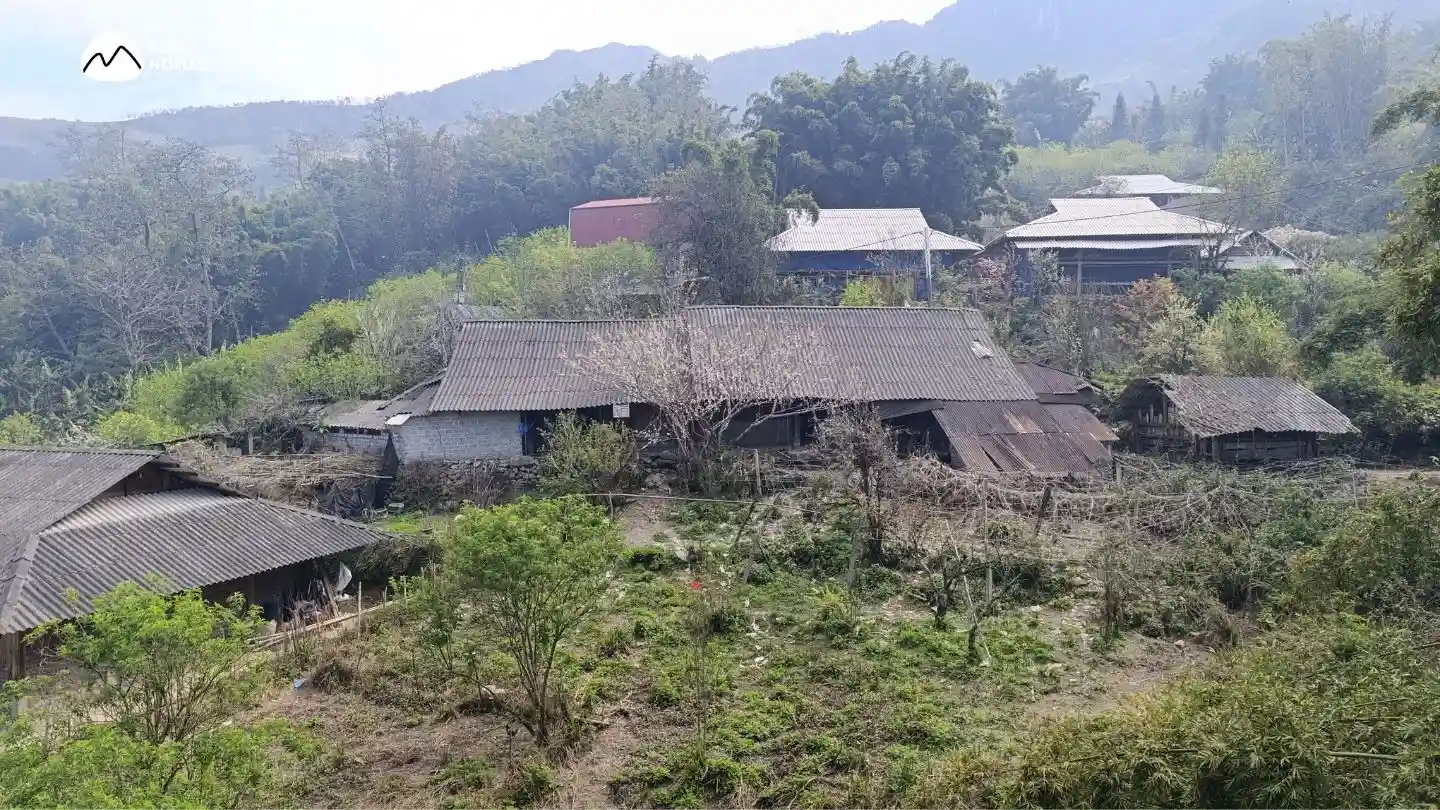
Cloud hunting at Sau Chua Village
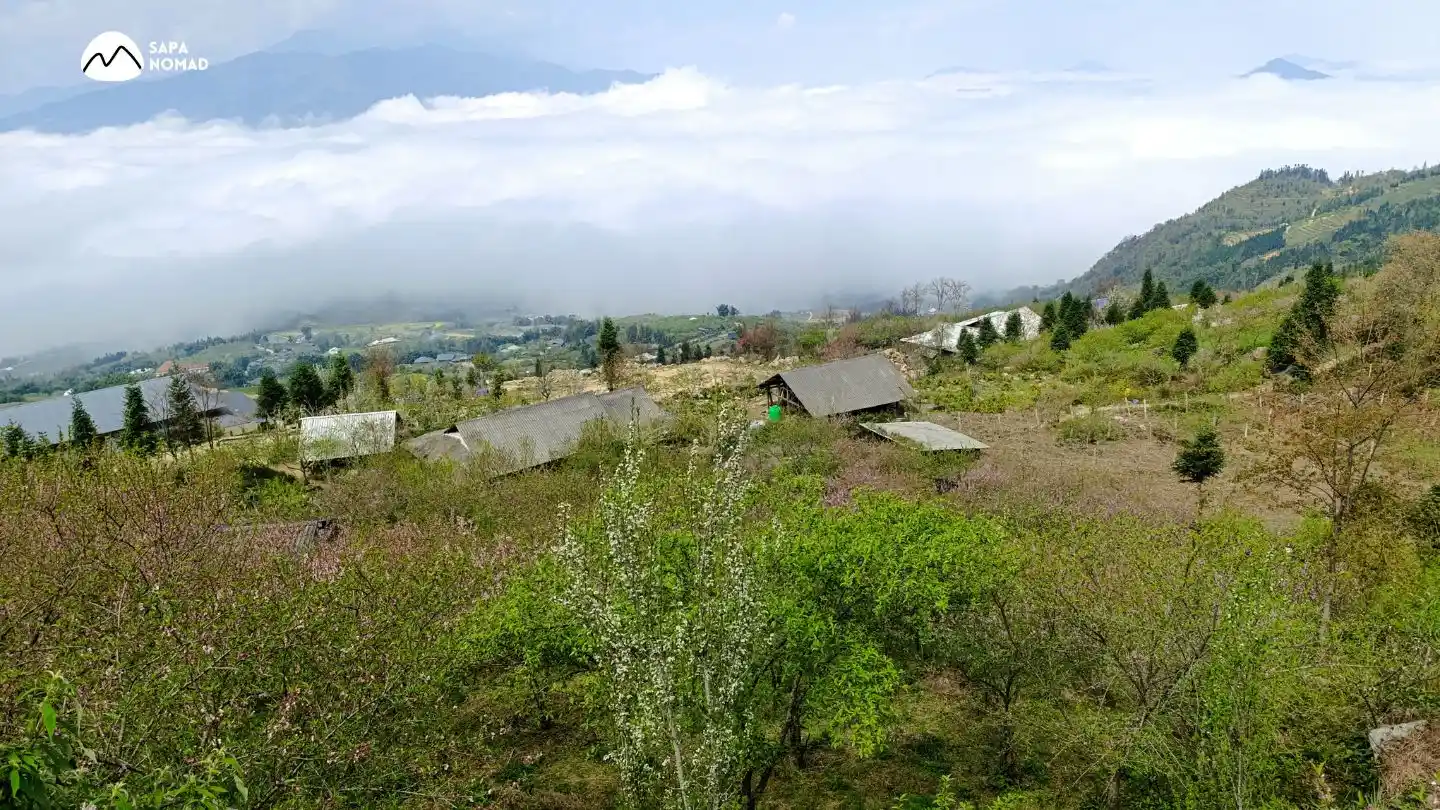
Sau Chua is high and cold enough to be a cloud-hunting spot too, with a sea of clouds settling over the valley on the right mornings from October to March. It is quieter and less known than the famous viewpoints, so you may well have it to yourself.
For the better-known cloud village nearby, see Hang Da; our Sapa villages guide compares them.
According to the Vietnam National Authority of Tourism, Sapa offers plenty of places to watch clouds drift across the mountains. Besides Sau Chua Village, popular viewpoints include Ham Rong Mountain, Hang Da Village, and the iconic Fansipan Peak.
Best time to visit
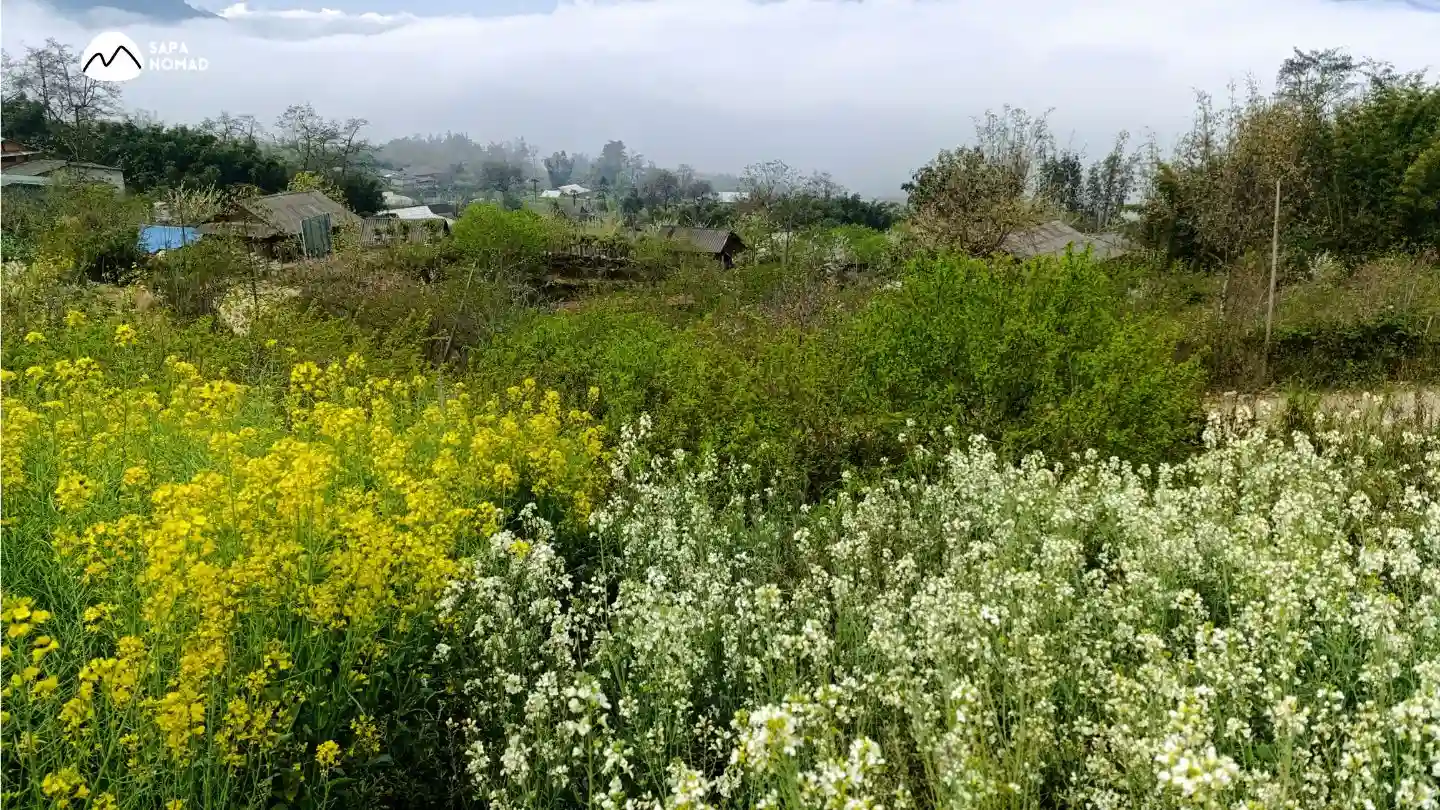
October to March is the cloud-and-cold season, when the fog is thickest and the sea of clouds most likely. Autumn brings the gold of the rice; spring brings flowers and green. The cold is part of the experience, so pack for it.
How to get there from Sapa
Sau Chua lies about 7–10 km from the center, reached via Dien Bien Phu Street toward Lao Cai. Most people come by motorbike or private car. Entry is free.
There is no direct public bus, and the village is too spread out to walk to comfortably, so ride or drive. Mornings are best, for the fog and the quiet both.
Tips for visiting
- Dress warm. Sau Chua runs colder than Sapa, and the mornings are damp.
- Come for slowness, not sights. The point is to do very little.
- Eat with a family — book a homestay meal for the best of the village.
- Bring cash in Dong; entry is free, but there are no card machines.
Frequently Asked Questions
What is the weather like in Sau Chua Village?
Cool year-round, usually 2–3°C colder than central Sapa, with frequent morning fog. Dress warmer than you would in town.
Is Sau Chua good for cloud hunting?
Yes, from October to March, when the sea of clouds settles over the valley on clear-after-rain mornings. It is quieter than the well-known spots.
Is there an entrance fee?
No entry is free. Among the Sapa villages, only Cat Cat charges a ticket. Bring cash for food or a homestay.
Who lives in Sau Chua Village?
H’mong families, in Sa Pa Ward, live off the surrounding fields and forest.
How far is it from Sapa?
About 7–10 km from the center along Dien Bien Phu street. Come by motorbike or car.
You leave Sau Chua Village having done almost nothing, which was the point. The fog does not lift to see you off, and what you carry out is not a photograph but the quiet itself, and the cold still in your hands.
Related Tours & Transport
