


 Sapa Tours & Activities
Ban Ho Village: The Warm Valley Where You Can Swim
Sapa is cold and high; Ban Ho Village is neither. Drive thirty kilometres down and the air softens, the pines give way to broadleaf green, and two streams meet at the foot of the valley. By the time you arrive, it is warm enough to swim — which, up in Sapa, almost never happens.

What the village is like
Ban Ho Village is a Tay village, with some Dao and H’mong families, set where the Muong Hoa and Lavie Stream meet at Ban Den. It is lower than the other villages, which makes it greener and several degrees warmer than Sapa town.
The Tay live in wooden stilt houses along the water, and life moves with the river. It is a different world from the cold, terraced highlands an hour up the road.
Around 30 kilometres from Sapa Town, Ban Ho feels like a quieter ending to a journey through Sapa’s villages. The village, highlighted by the Vietnam National Authority of Tourism for its natural hot springs, is a place where travellers can slow down and recharge after days spent in the mountains.
The river and the warmth

The big draw is the water. The two streams give Ban Ho Village clear pools and gentle banks, and the warmth means you can actually swim — a rare thing this close to Sapa. On a hot afternoon, that is reason enough to come.
What else to do
Beyond the rice fields and village walks, Ban Ho Village offers plenty of ways to slow down, connect with local life, and enjoy the peaceful surroundings.
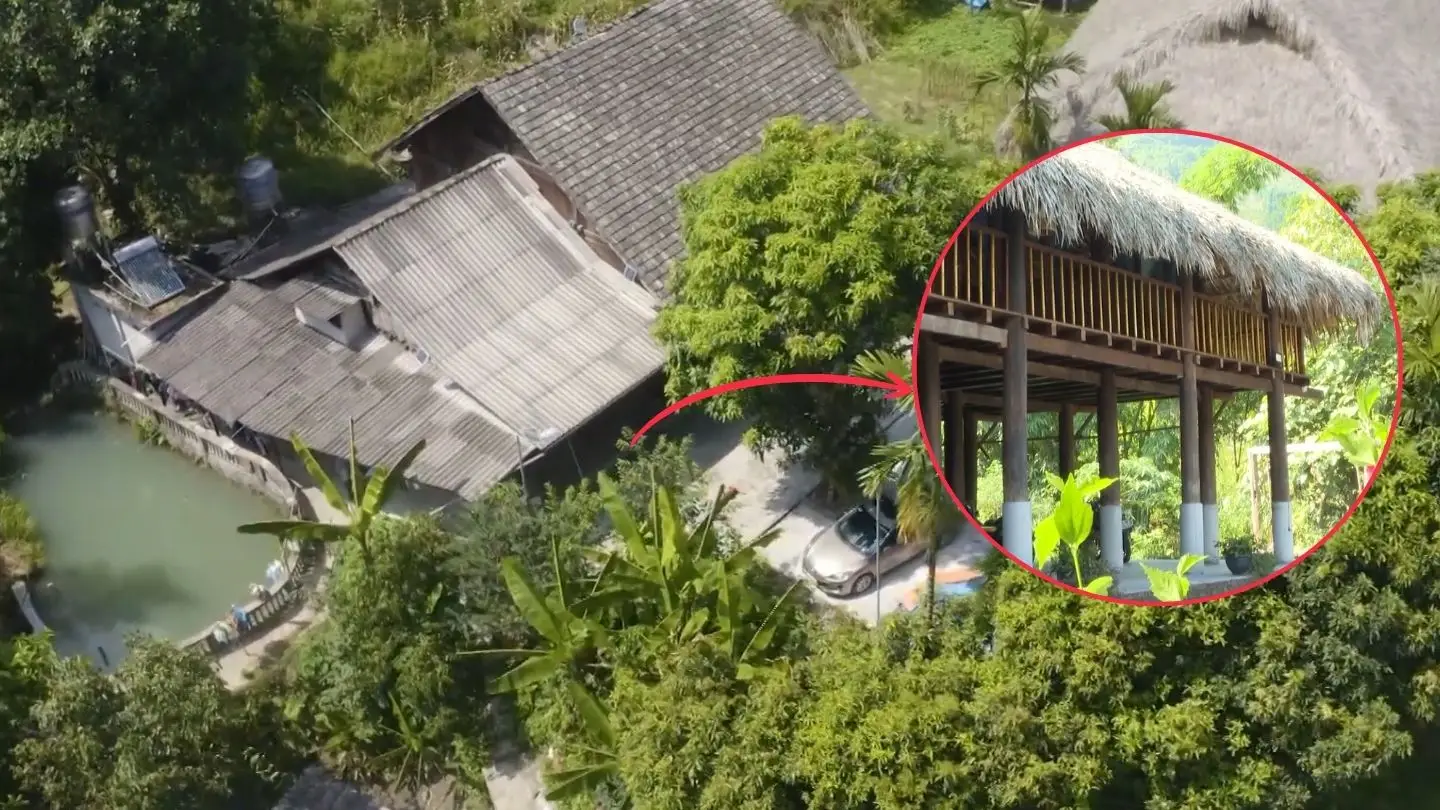
Spend a night in a traditional Tay stilt house
Stay in a Tay stilt-house homestay, where an evening can turn into shared food, stories, and sometimes songs and dances. Soak in a traditional herbal bath, and trek or cycle the gentler lowland trails around the valley.
Soak in the natural hot springs
It is easy to lose track of time at Ban Ho’s hot springs. The water is warm without feeling too hot, making it comfortable in any season. Nearby, the stream keeps flowing through the valley while the surrounding hills remain quiet. After a morning of walking, there are few better places to simply sit back and relax.

Experience local culture in Ban Ho Village
Life in Ban Ho unfolds at its own pace. A woman weaving outside her house, children playing nearby, smoke rising from a kitchen in the distance — these are the kinds of moments visitors often come across while exploring the village. Rather than a cultural performance, it feels like a glimpse into everyday life.

Go trekking through Ban Ho Village

The trails around Ban Ho wind past rice fields, streams, and small clusters of homes. Along the way, it is common to see villagers tending livestock, working in the fields, or carrying baskets along the paths. The scenery is beautiful, but it is often these everyday moments that make the walk memorable.
Best time to visit
The warm months, roughly April to September, are best if you want to swim. Autumn turns the terraces gold, and the valley stays milder than Sapa year-round. Check the forecast — the road can get slippery in heavy rain.
How to get there from Sapa
Ban Ho Village is about 30 km southwest of Sapa, roughly a 1.5-hour drive down out of the mountains. Most people come by private car or motorbike; treks and bike trips run here too. Entry is free.
There is no direct public bus, so drive, ride, or arrange a tour. For the other remote southern village, see Nam Cang; our Sapa villages guide compares them all. The descent is the nice part — you can feel the air warm as you go.
Tips for visiting Ban Ho Village

- Stay overnight. A riverside homestay is the heart of a Ban Ho trip.
- Come in the warm months if you want to swim in the streams.
- Check the weather — the valley road turns slippery in heavy rain.
- Bring cash in Dong for food, the bath, and the homestay.
Frequently Asked Questions
What is Ban Ho known for?
It’s a warm, lowland setting where two streams meet — riverside Tay homestays, swimming, and a gentler climate than the highland villages.
Who lives in Ban Ho?
Mainly the Tay, in wooden stilt houses by the water, with some Dao and H’mong families nearby.
How far is Ban Ho from Sapa?
About 30 km southwest, roughly a 1.5-hour drive down out of the mountains.
Can you swim at Ban Ho?
Yes — the streams have clear pools, and the warmer climate makes swimming pleasant in the warm months, which is rare near Sapa.
Is there an entrance fee?
No entry is free. Among the Sapa villages, only Cat Cat charges a ticket. Bring cash for food, the bath, or a homestay.
In the evening, the heat goes out of the day, and the streams keep talking in the dark. You sleep to the sound of moving water, and wake to a valley that feels a long way from the cold town up the hill.
