


 Sapa Tours & Activities
Sapa Mountains: From Cable Car to Hard Climb
Most people see Sapa mountains from below, or from the Fansipan cable car. But the range has peaks you climb on your own legs — a jagged five-fingered ridge above the valley, a lonely summit out toward Y Ty. They are two-day treks for people who want the mountain rather than the view of it.
Fansipan — the easy giant
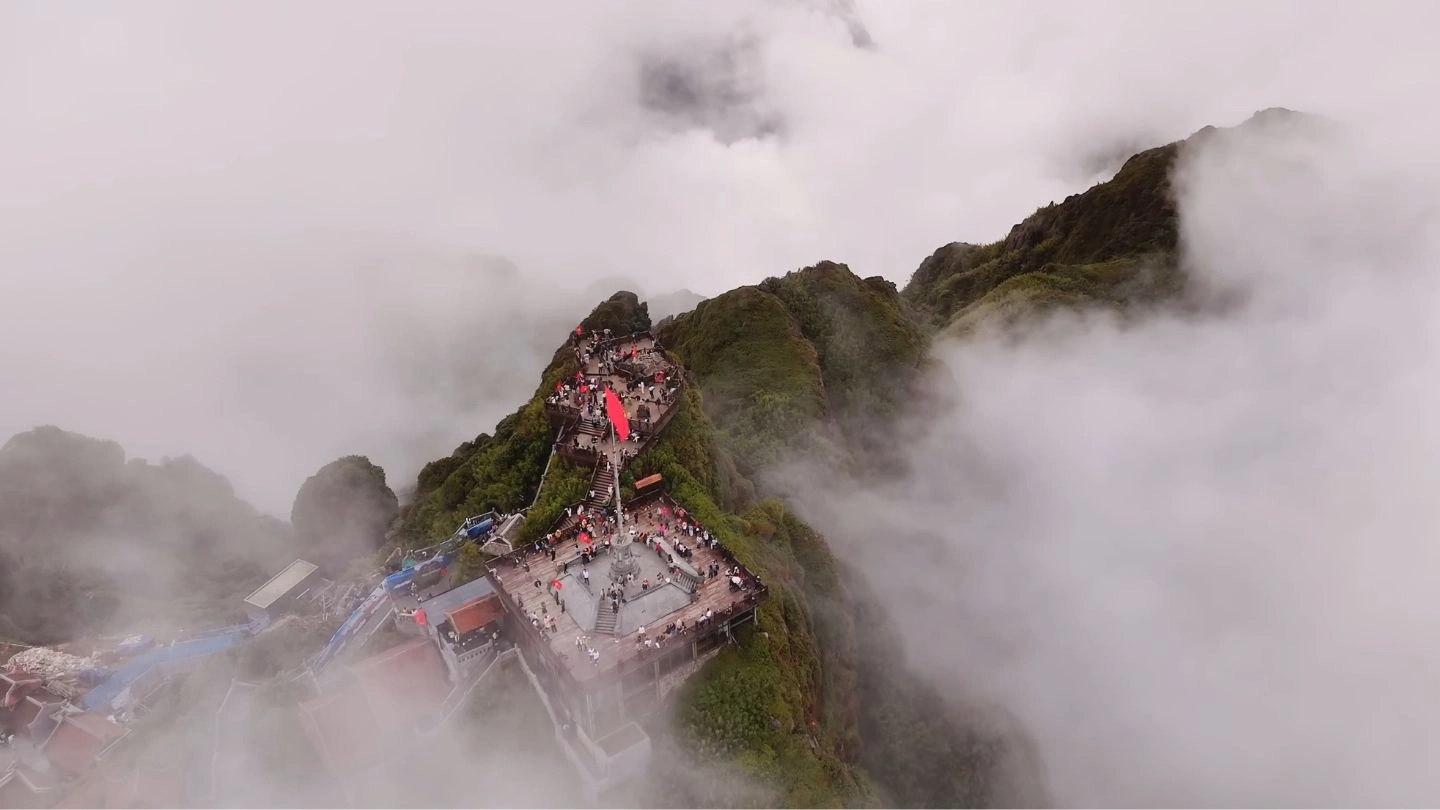
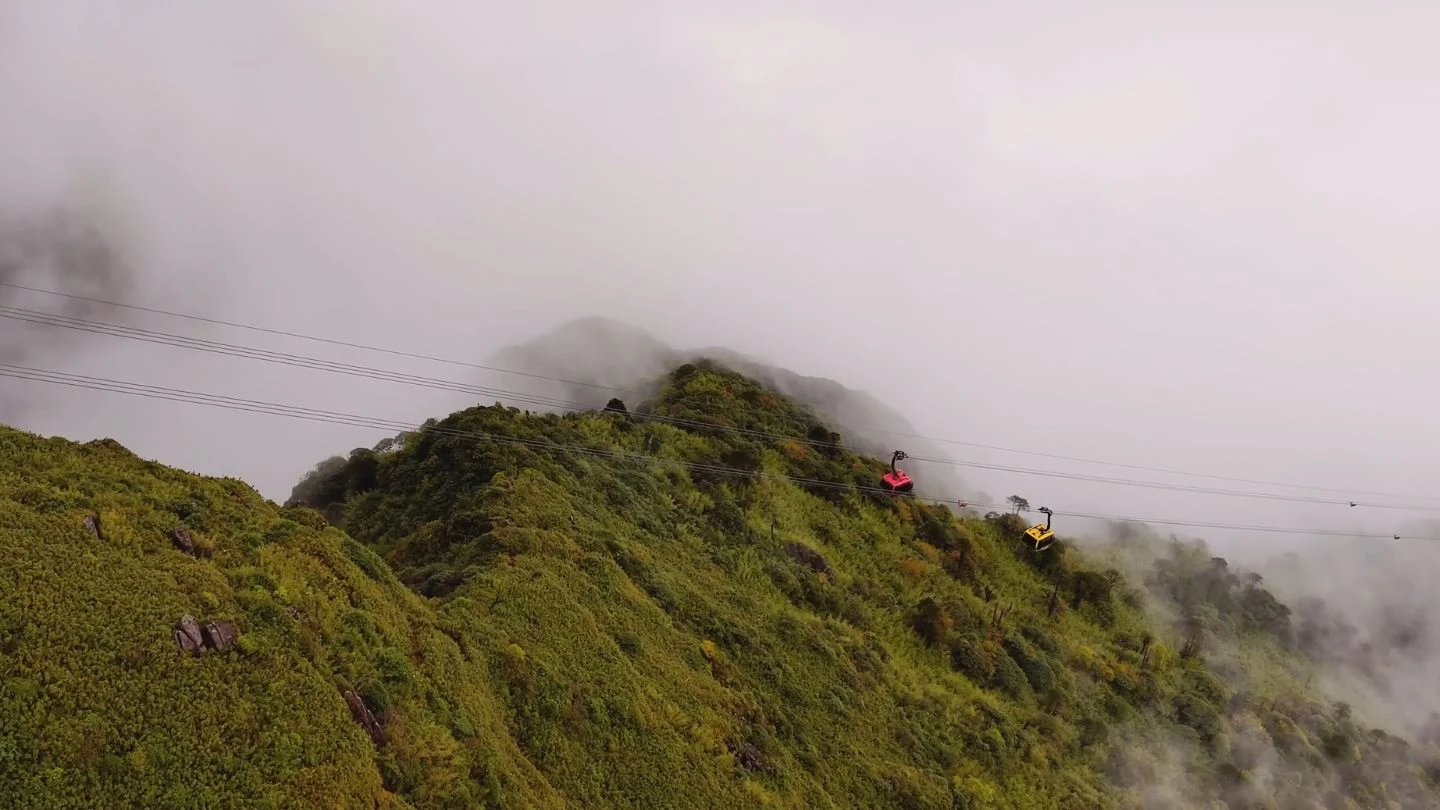
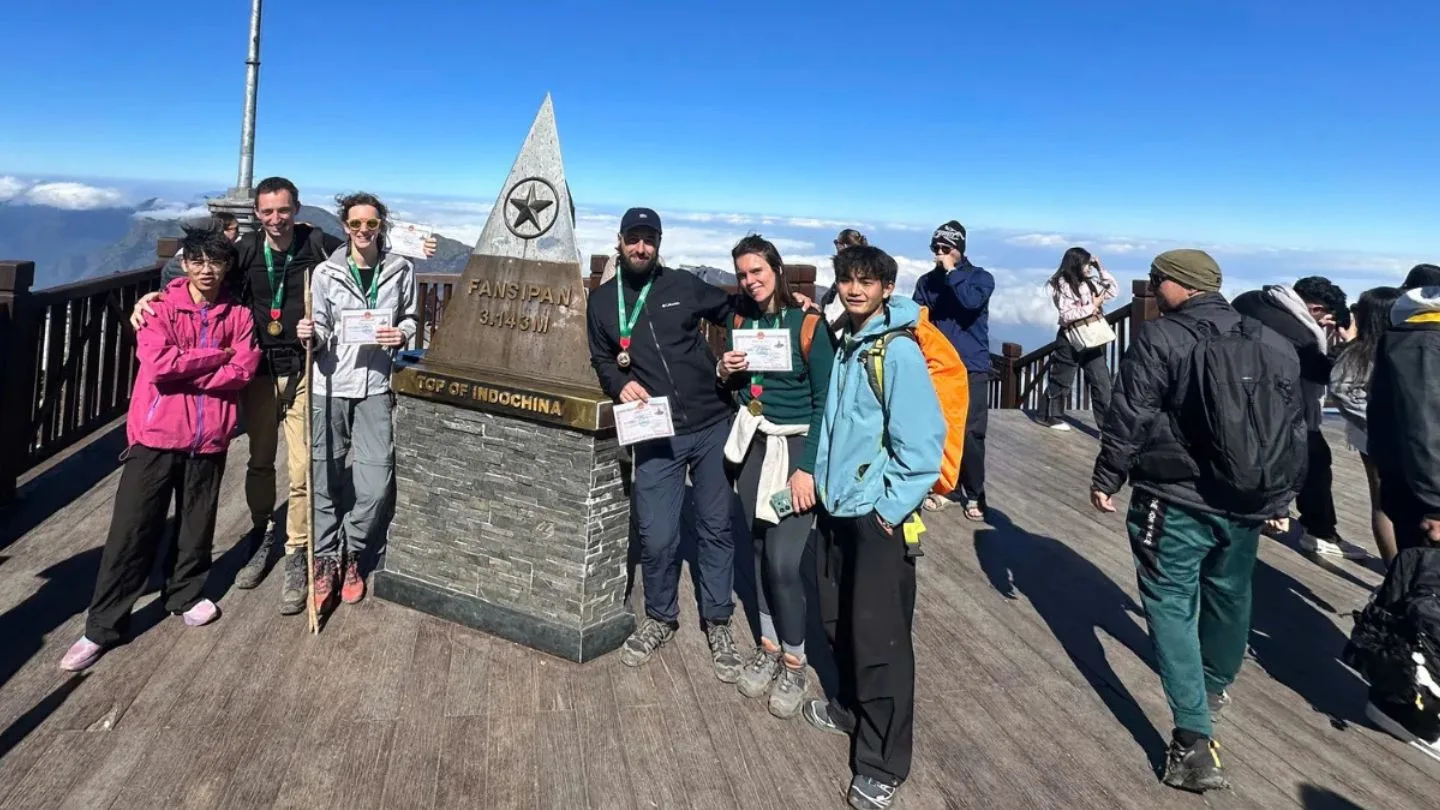
At 3,147 m, Fansipan is the highest peak in Vietnam, and the one that most people “climb”. You go up by cable car in fifteen minutes, or on a two-day trek for the determined. It sits inside Hoang Lien National Park.
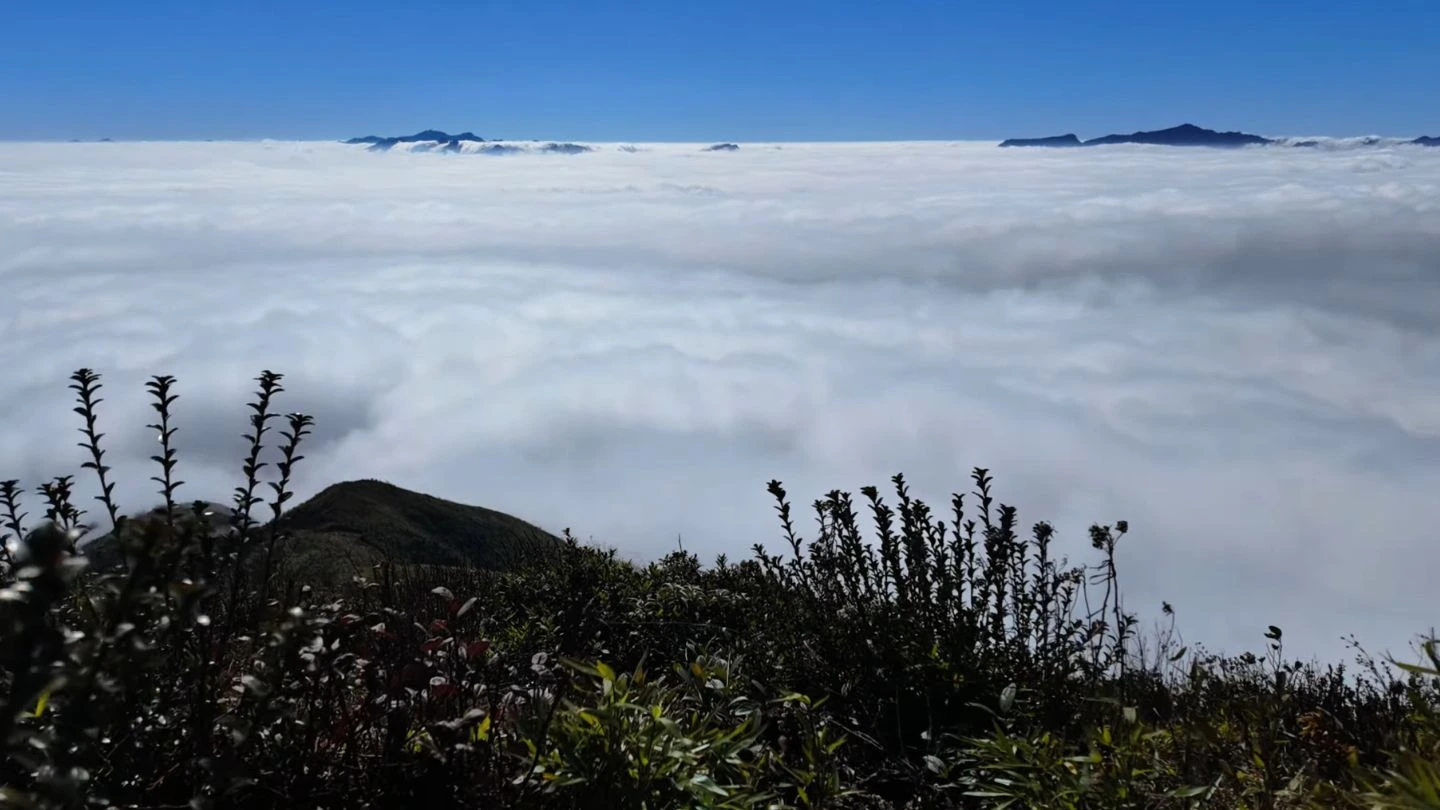
The Vietnam National Authority of Tourism highlights Fansipan’s summit as one of the most popular viewpoints in the region, where visitors often come for panoramic mountain views and, if conditions allow, a sea of clouds stretching beneath the peak.
Ham Rong — the town hill
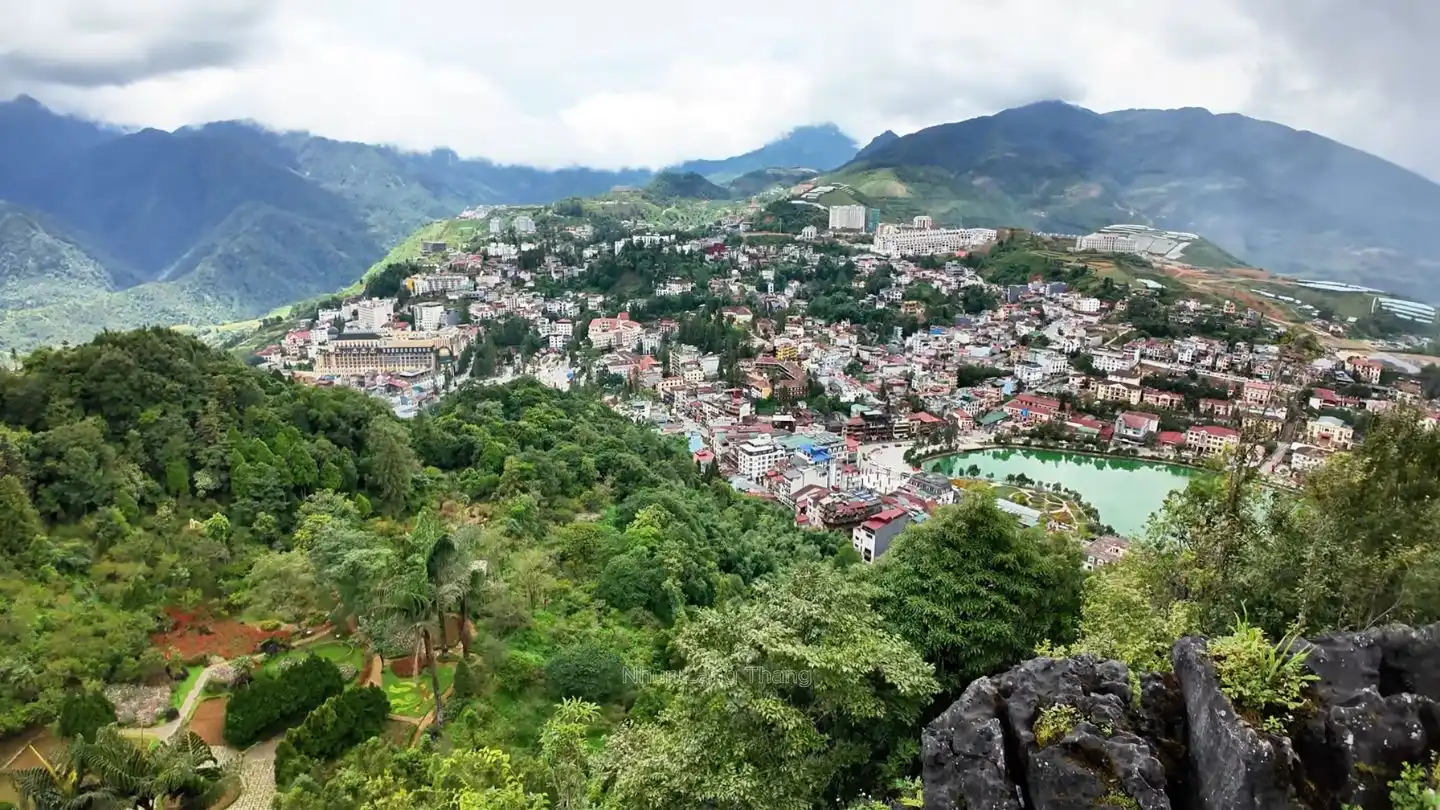
The gentlest of the four, Ham Rong rises right behind the church — a stepped garden park rather than a climb, with the easiest big view over the town and valley.
Ngu Chi Son – the serious local trek
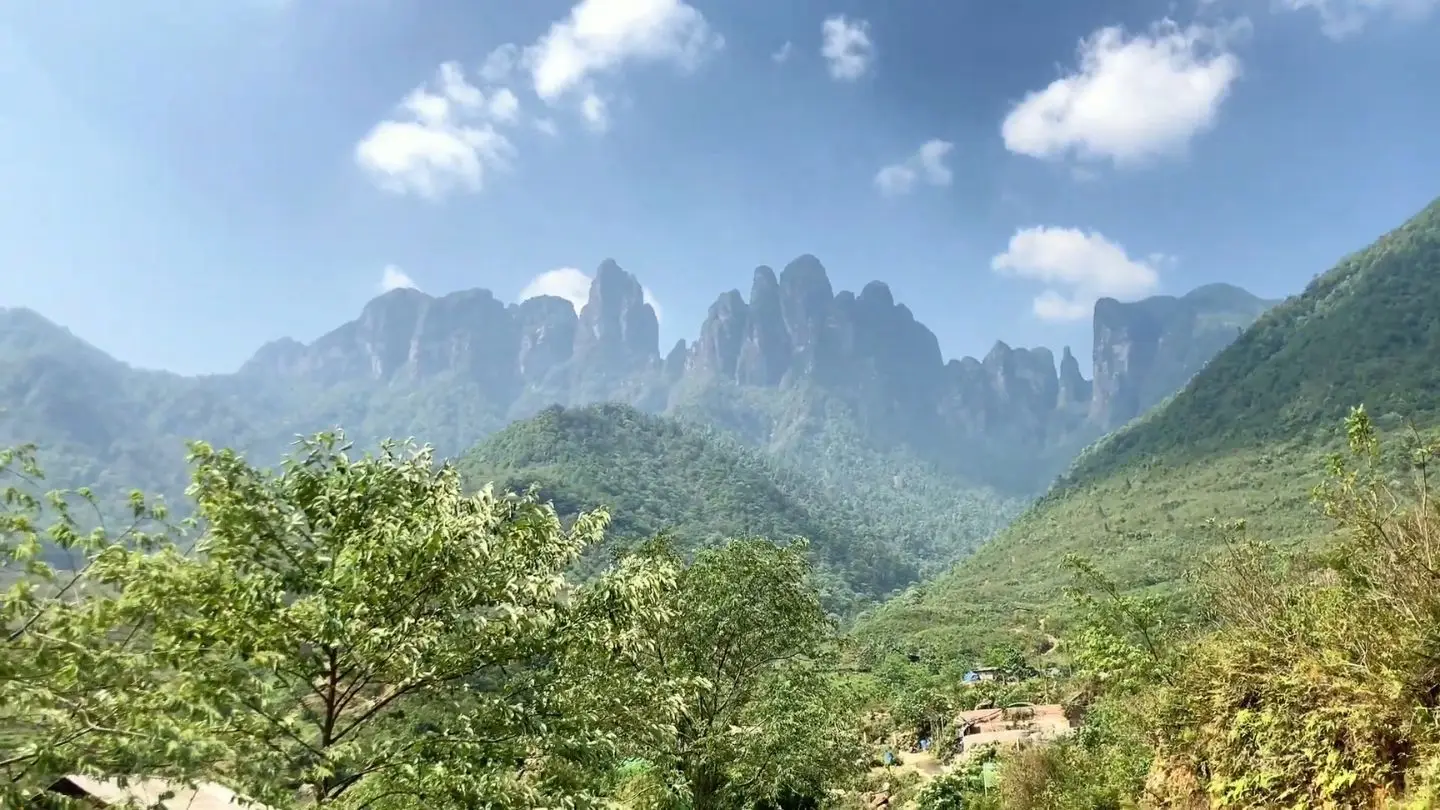
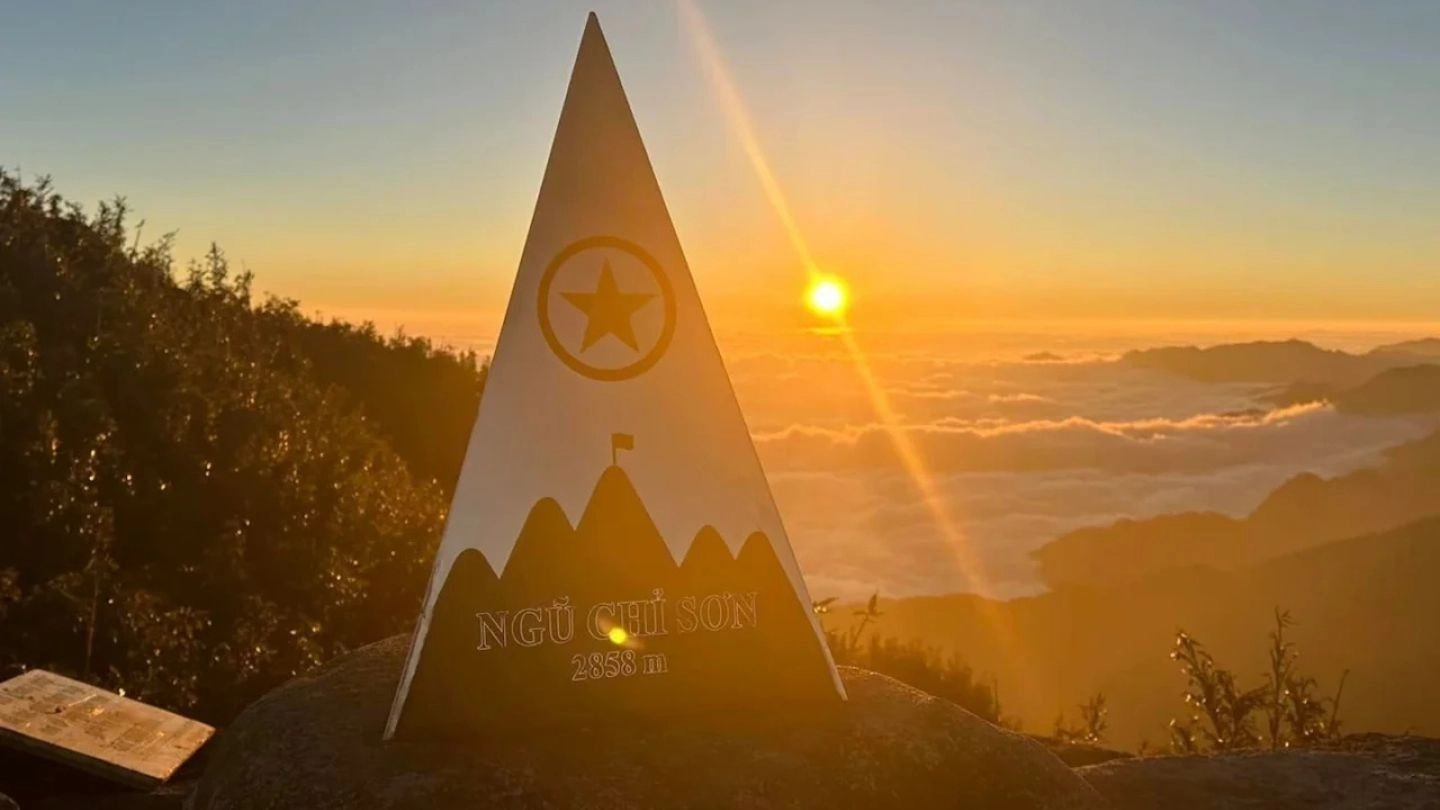
Ngu Chi Son, the “five fingers,” is the real climb close to Sapa, in Ta Giang Phinh commune. At 2,858 m, it is the 15th-highest peak in Vietnam, a jagged ridge that draws experienced trekkers.
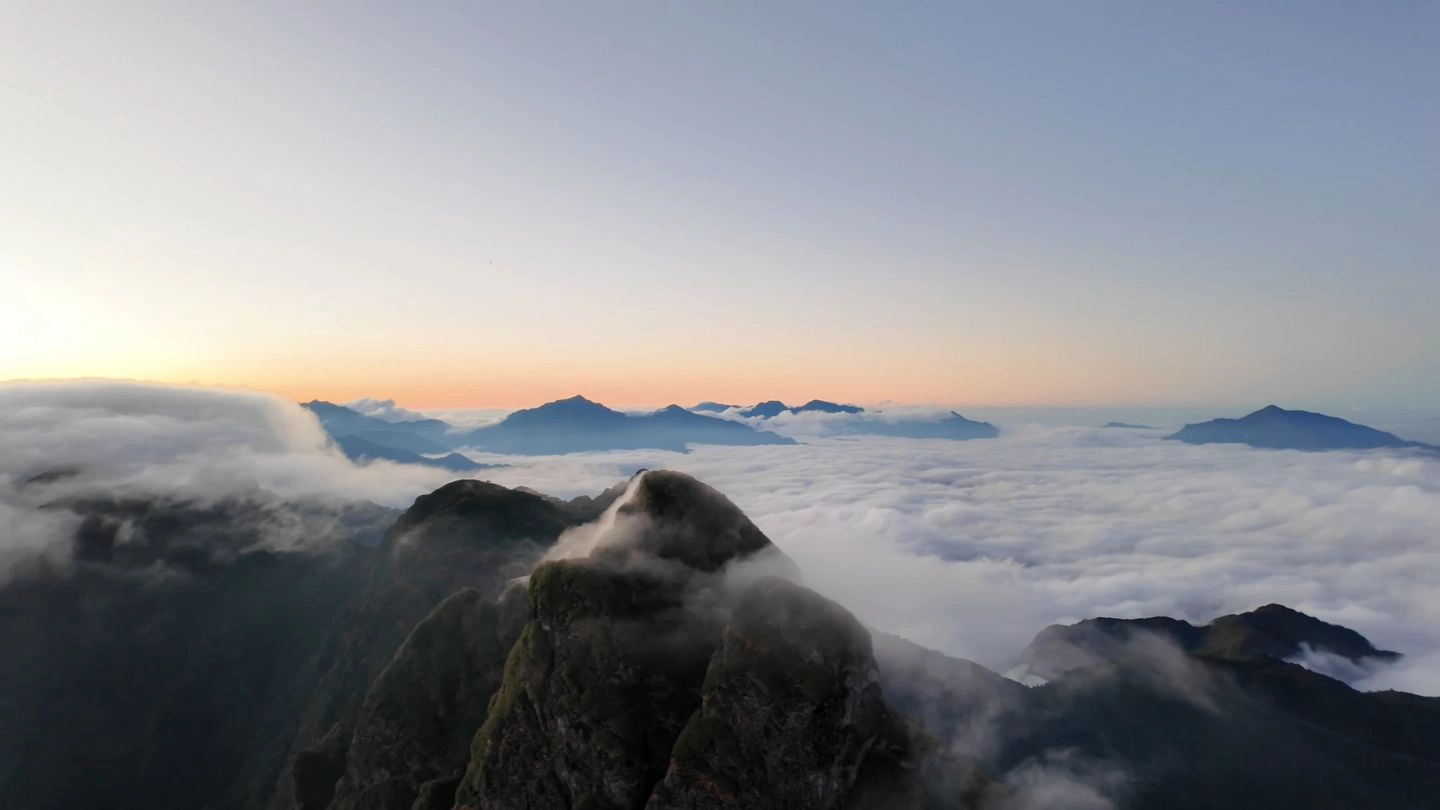
It is hard, roughly seven out of ten, a two-to-four-day trek with basic camping and steep terrain. From November to January, it fogs over, sometimes with frost, and the sea of clouds is at its best.
Lao Than — the Y Ty trek
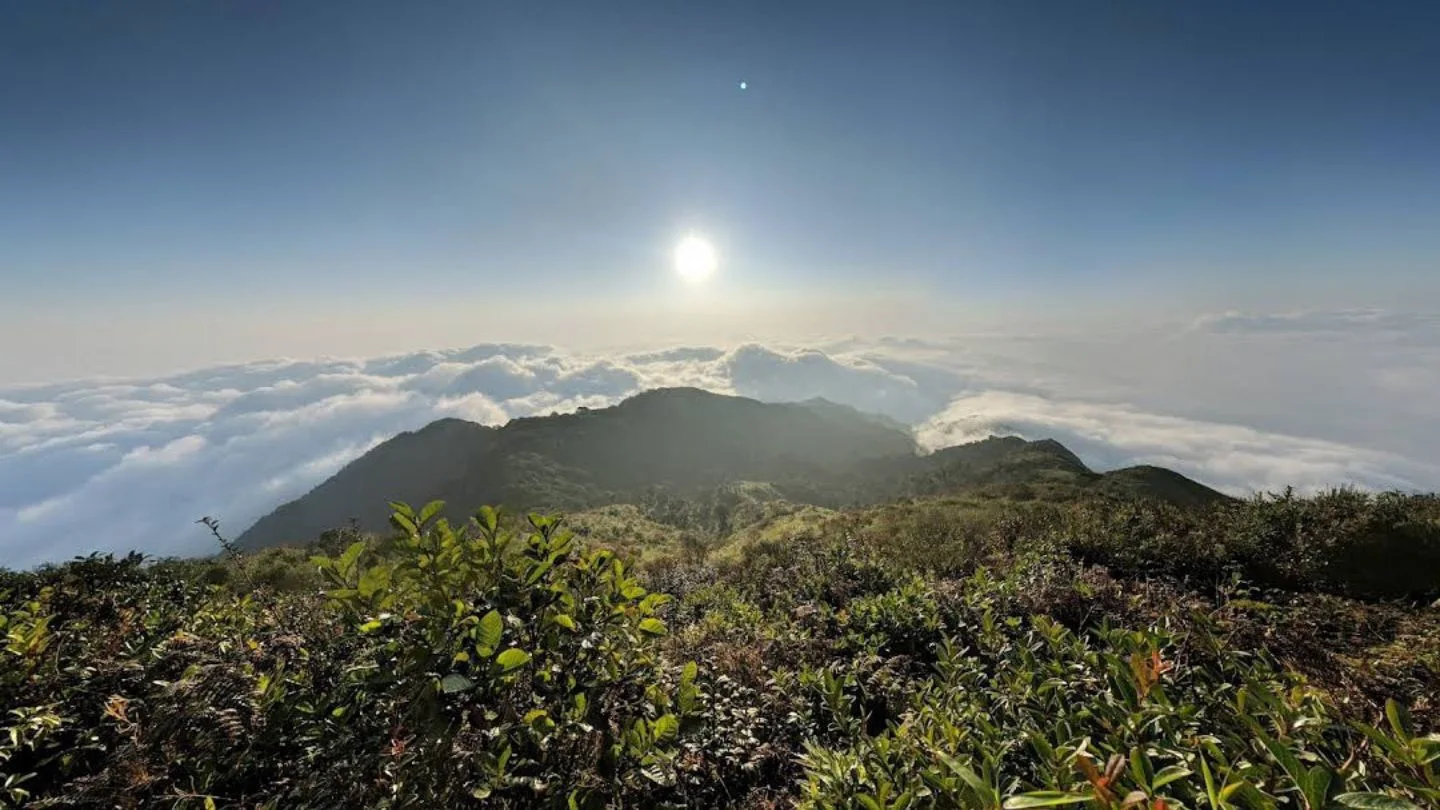
Lao Than, the “Roof of Y Ty,” stands at about 2,860 m — the 14th-highest in Vietnam. It is farther out, in Bat Xat near Y Ty rather than Sapa town, and usually climbed as a two-day, one-night trek.
It is famous for cloud hunting, best in the dry months from October to May, and is a gentler climb than Ngu Chi Son.
How to climb them
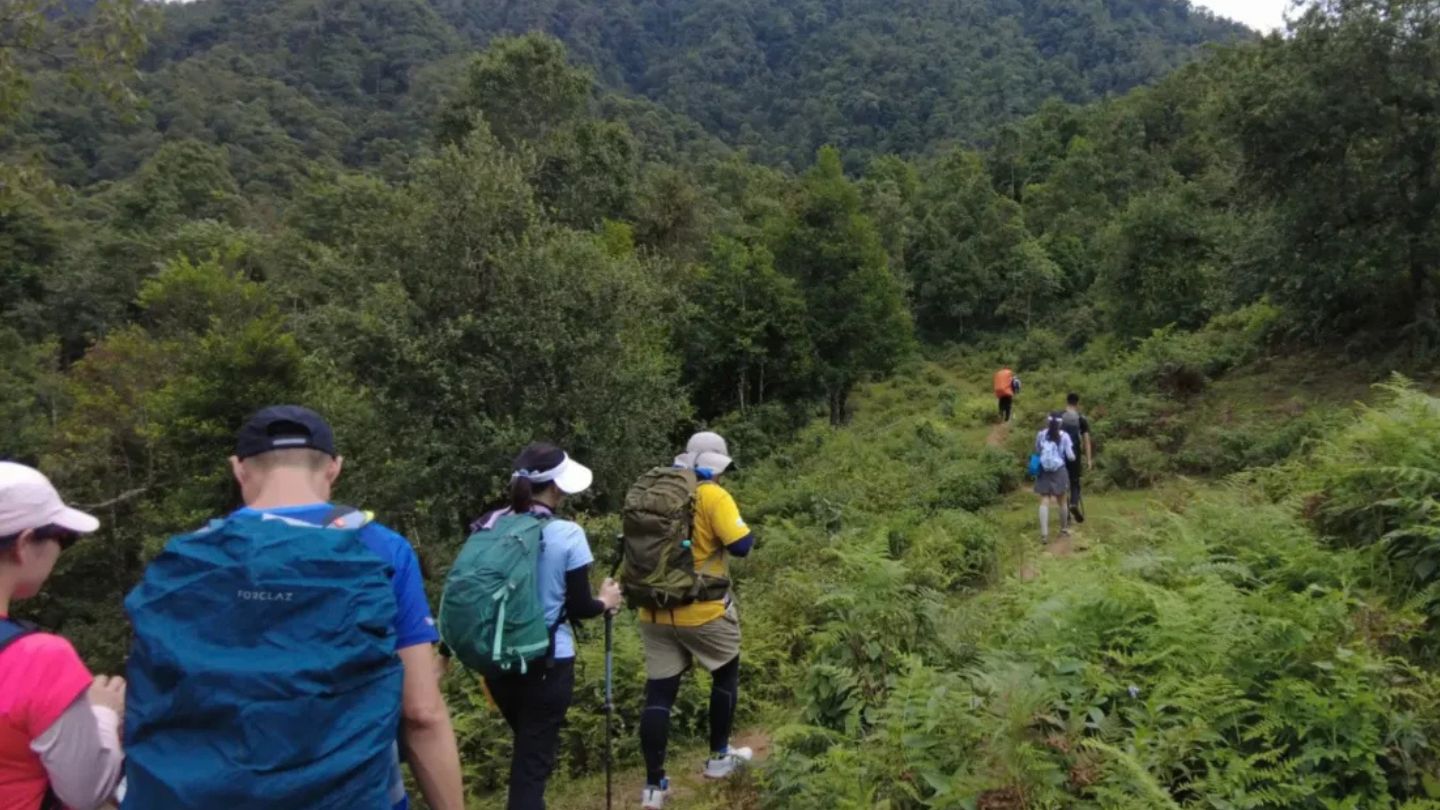
Fansipan needs nothing but a cable-car ticket; Ham Rong, just a park ticket and a morning. Ngu Chi Son and Lao Than are different – guided multi-day treks with camping, and you should go with a licensed guide.
Climb the wild peaks in the dry season, roughly October to May, and be ready for cold, fog, and basic conditions on the mountain.
If you’re short on time, we’ve already put together a few suggested itineraries to help make planning your Sapa trip a little easier.


The peaks are the high end of what there is to see in Sapa, from a town hill to a two-day climb.
Tips for visiting
- Match the peak to your fitness — cable car for Fansipan, real legs for Ngu Chi Son, and Lao Than.
- Go with a guide for the trekking peaks; the routes are remote and unmarked.
- Trek in the dry season (October–May) for stable weather and clouds.
- Pack for cold — the summits are far colder than the town.
→ Full guide: 25 Best Things to Do in Sapa: A Local’s Complete Guide (2026) →
FAQs
What is the highest mountain in Sapa?
Fansipan, at 3,147 m — the highest in Vietnam — can be reached easily by cable car or on a two-day trek.
Which Sapa mountain can I trek?
If you are looking for a proper trekking experience, Lao Than (2,860 m, near Y Ty) is a popular one-day hike with beautiful sunrise views. For something more challenging, Ngu Chi Son (2,858 m, near Sapa) is usually a guided trek that takes two to four days, depending on the route and weather.
Do I need a guide?
For Fansipan and Ham Rong, no. For Ngu Chi Son and Lao Than, yes — they are remote, high, and marked.
Where is Lao Than?
In Bat Xat near the Y Ty commune, farther from Sapa town than the others, known as the “Roof of Y Ty.”
When is the best time to climb?
The dry season, roughly October to May, brings stable weather; November to January brings the best cloud seas, with cold and fog.
The cable car will carry most people as high as they have ever gone, and that is fine. But the real Sapa mountains are the ones with no machine to the top — two days of mud and cold and cloud, and a small metal marker waiting at the summit.
Related Tours & Transport
