


 Sapa Tours & Activities
Ta Phin Ancient Monastery: A French Ruin Going Green
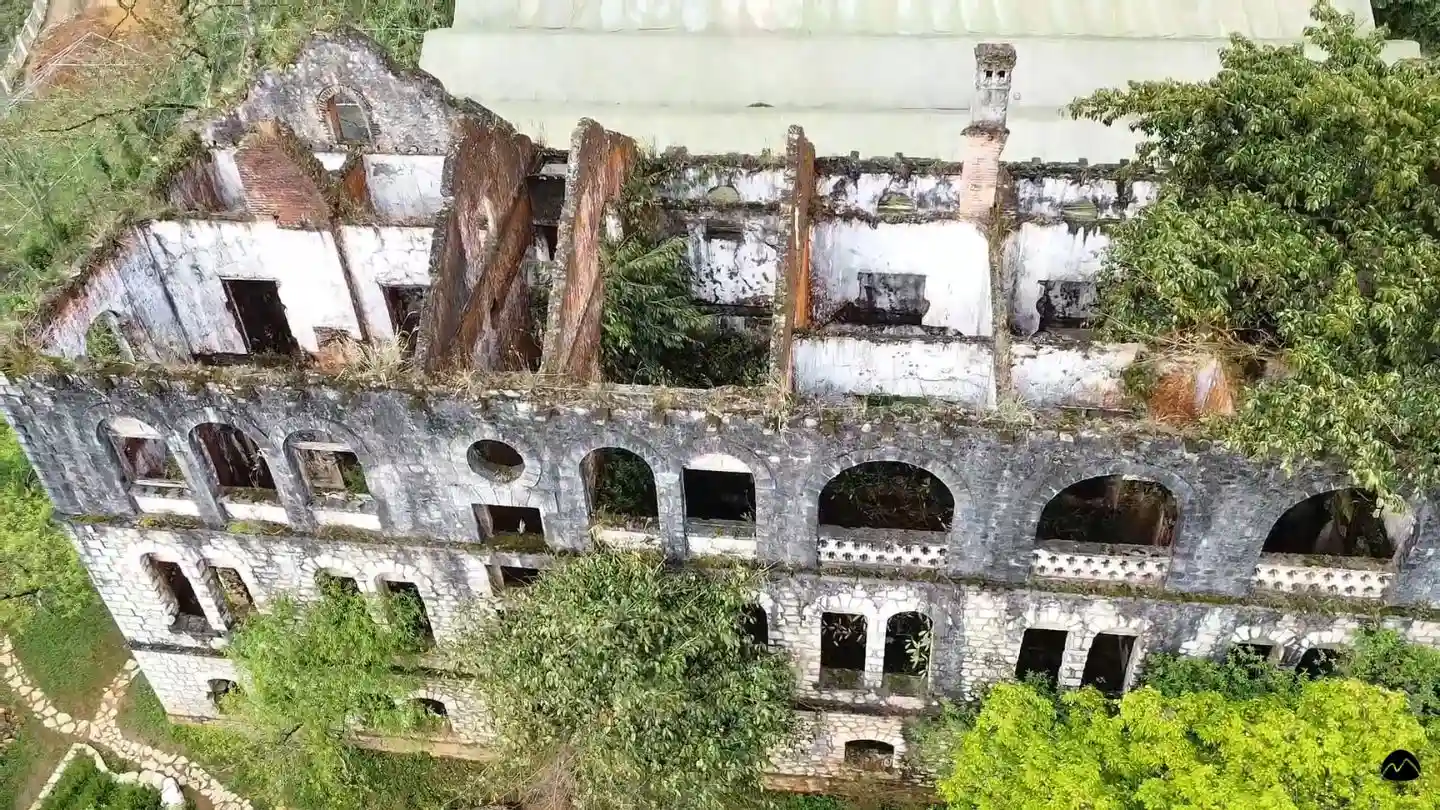
There is no roof left, and the forest is halfway through taking back the rest. Thick stone walls, a high arched doorway, moss in every crack — the Ta Phin monastery has stood roofless since the French left it in 1945. A Catholic ruin in a Red Dao valley, quietly going green.
The story
As the story goes, a group of Catholic nuns made their way to this quiet mountain valley and built a monastery here in the early 1940s, during the French era. It did not last long: by 1945 it was abandoned, and it has stood empty ever since.
What is left is a strange, lovely thing: a piece of European church architecture, built of mountain stone, slowly being reclaimed by a Red Dao valley.
Hidden among trees and mountain mist, the ruins of Ta Phin Monastery have become one of the area’s most intriguing landmarks. The Vietnam National Authority of Tourism describes the site as a place where history, nature, and local legends seem to blend together.
What’s left today

The roof is gone, but the thick stone walls still stand, built mostly of stone, with brickwork and a touch of Roman style. Moss and vines have crept across them, and trees push up through what used to be rooms.
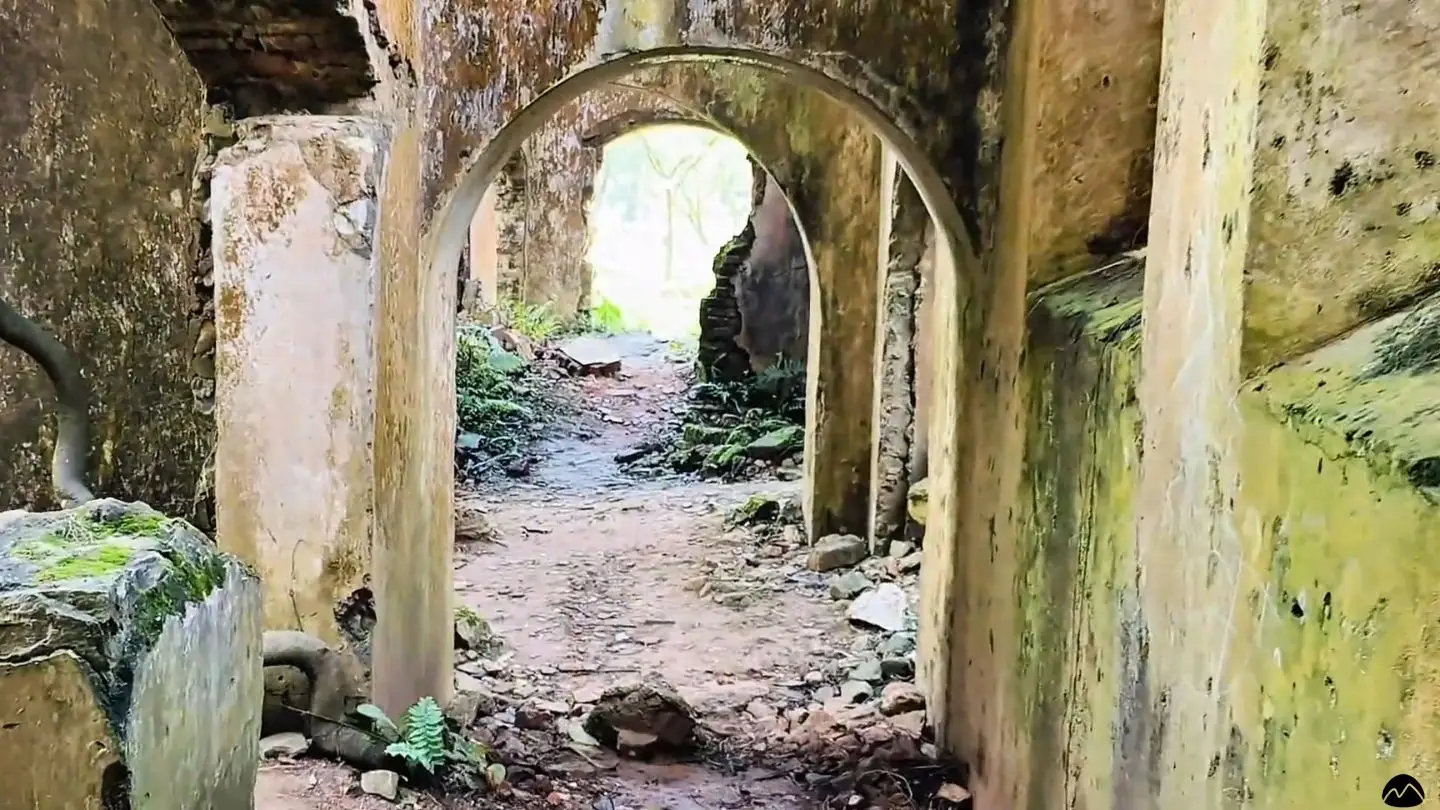
It is not large, and it is not maintained — that is the appeal. You walk through open doorways into empty halls, with the sky where the ceiling should be.
The corridor feels surprisingly quiet, even when there are other visitors around. Light falls through broken walls, and every turn seems to reveal another part of the ruins. Most people walk slowly here, partly to take photos and partly because there is always something else to notice.
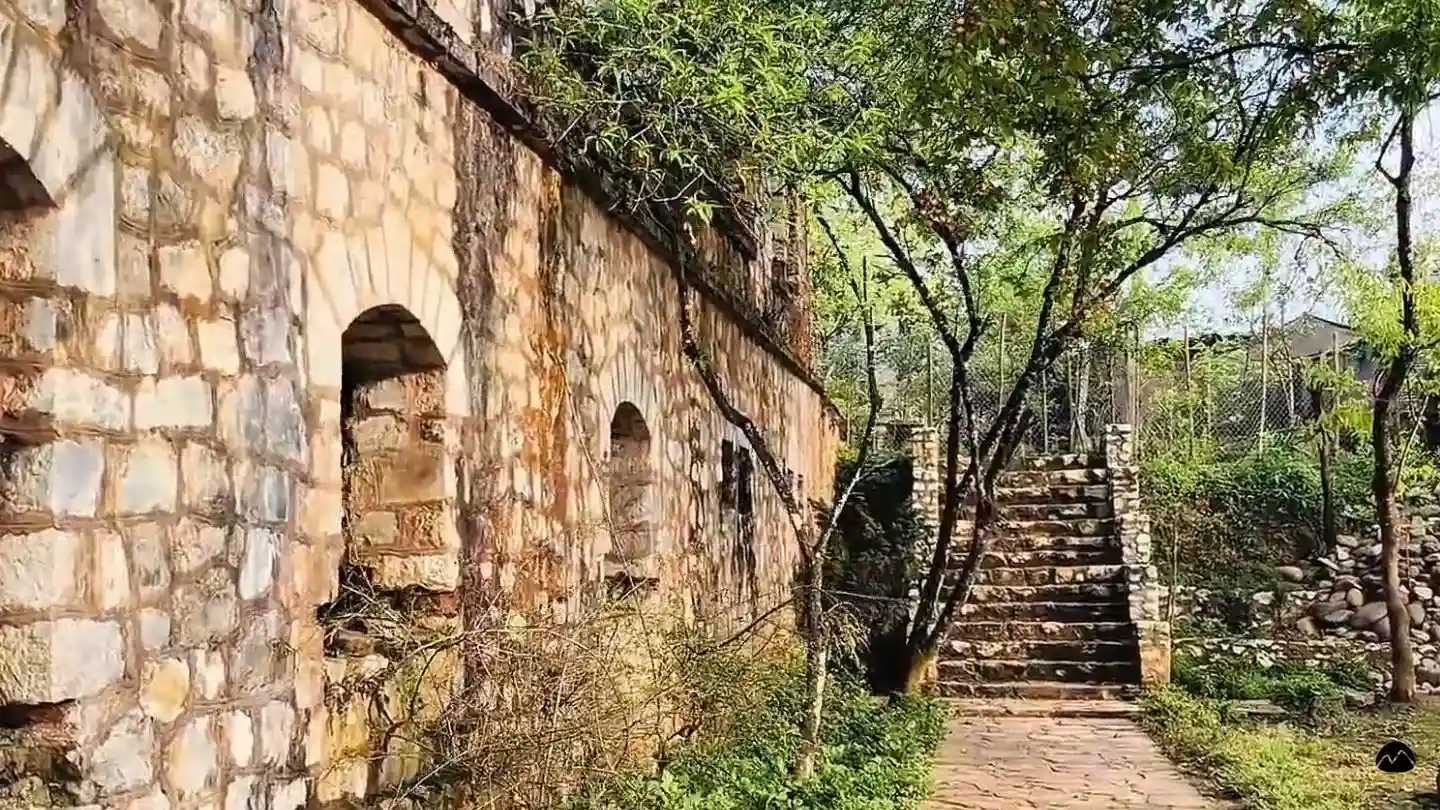
The stone staircase in Ta Phin Ancient Monastery leads further into the monastery grounds. Some steps are uneven, others are softened by time and covered with moss. Looking up from below, it is easy to imagine how different the monastery might have looked when it was still in use.
The old window frames now open directly onto the surrounding mountains. Without glass or shutters, they frame views of the valley, drifting clouds, and the quiet countryside beyond the monastery walls.
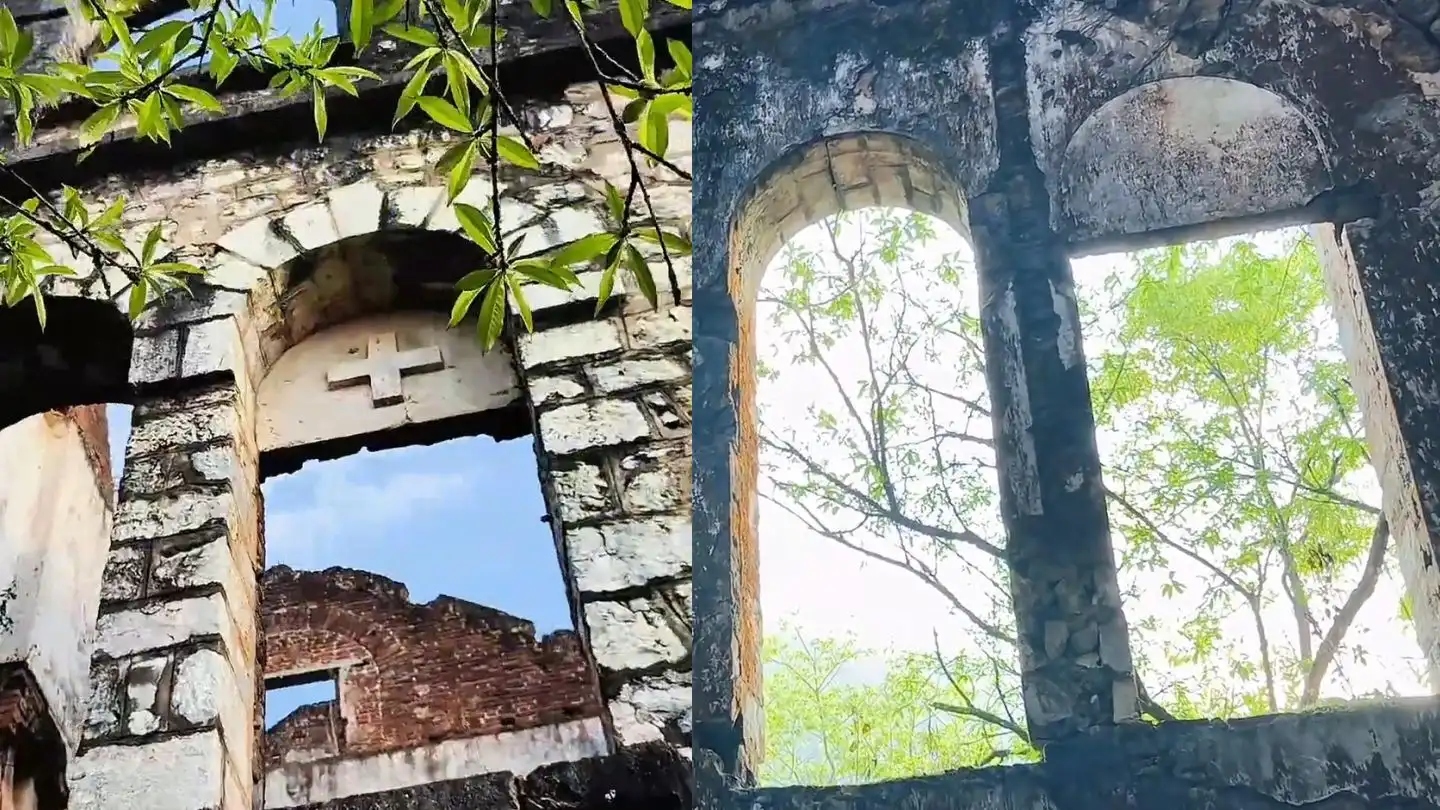
The best photo corners at Ta Phin Ancient Monastery
The grand arched doorway is the signature shot. In late winter a persimmon tree glows orange against the grey stone, and inside, vines and light fall through the empty windows.
Best time to visit Ta Phin Ancient Monastery
The Ta Phin Ancient Monastery is open year-round, but spring and autumn are the prettiest. From March to May, the air is cool, and flowers come out around the stone; autumn brings clear light and the gold of the rice nearby. Mist makes it especially atmospheric.
How to get there from Sapa
The monastery sits about 12 km east of Sapa, on the same road as Ta Phin village. Most people come by motorbike or private car, and pair it with the village and a Red Dao herbal bath.
There is no ticket and no public bus, so ride, drive, or join a tour. Our Sapa villages guide covers the area around it. It takes only twenty minutes or so to look around, which is why it works best as a stop, not a destination.
Tips for visiting
- Pair it with Ta Phin village — they are on the same road, an easy half-day together.
- Watch your step. The ground is uneven, with loose stone and no railings.
- Come in soft light — misty mornings and late afternoon suit the ruins.
- Entry is free; bring cash only for the village nearby.
Frequently Asked Questions
Why is it called the “Ancient Monastery”?
It was built around 1942 under the French and abandoned in 1945. The moss-covered stone walls give it an old, fairy-tale look, though it is only about 80 years old.
How far is it from Sapa?
About 12 km east, on the road to Ta Phin village. Come by motorbike, car, or tour.
Is there an entrance fee?
No — it is an open ruin, free to visit. Bring cash only for the village or a herbal bath nearby.
What is the monastery made of?
The walls were built completely from laterite stone. Besides, it is designed in a European style with thick walls and arched doorways. The roof is long gone.
How long do I need there?
About twenty to thirty minutes to walk through and take photos — it pairs well with a longer Ta Phin village visit.
You step back out through the arch, and the stone goes quiet behind you. In a hundred years, the walls may be gone entirely, pulled down into the green. But for now, Ta Phin Ancient Monastery holds — roofless and patient, keeping a little French silence in a Dao valley.
