


 Sapa Tours & Activities
Sapa Temples: The Quiet Spiritual Side of the Town
Between the markets and the mountains, Sapa keeps its quieter side. There are pagodas on the summit of Fansipan, a Mother-Goddess temple on a hillside, a war hero’s shrine above the valley, and a young Zen monastery in the trees. Most Sapa temples are free, and most are empty.
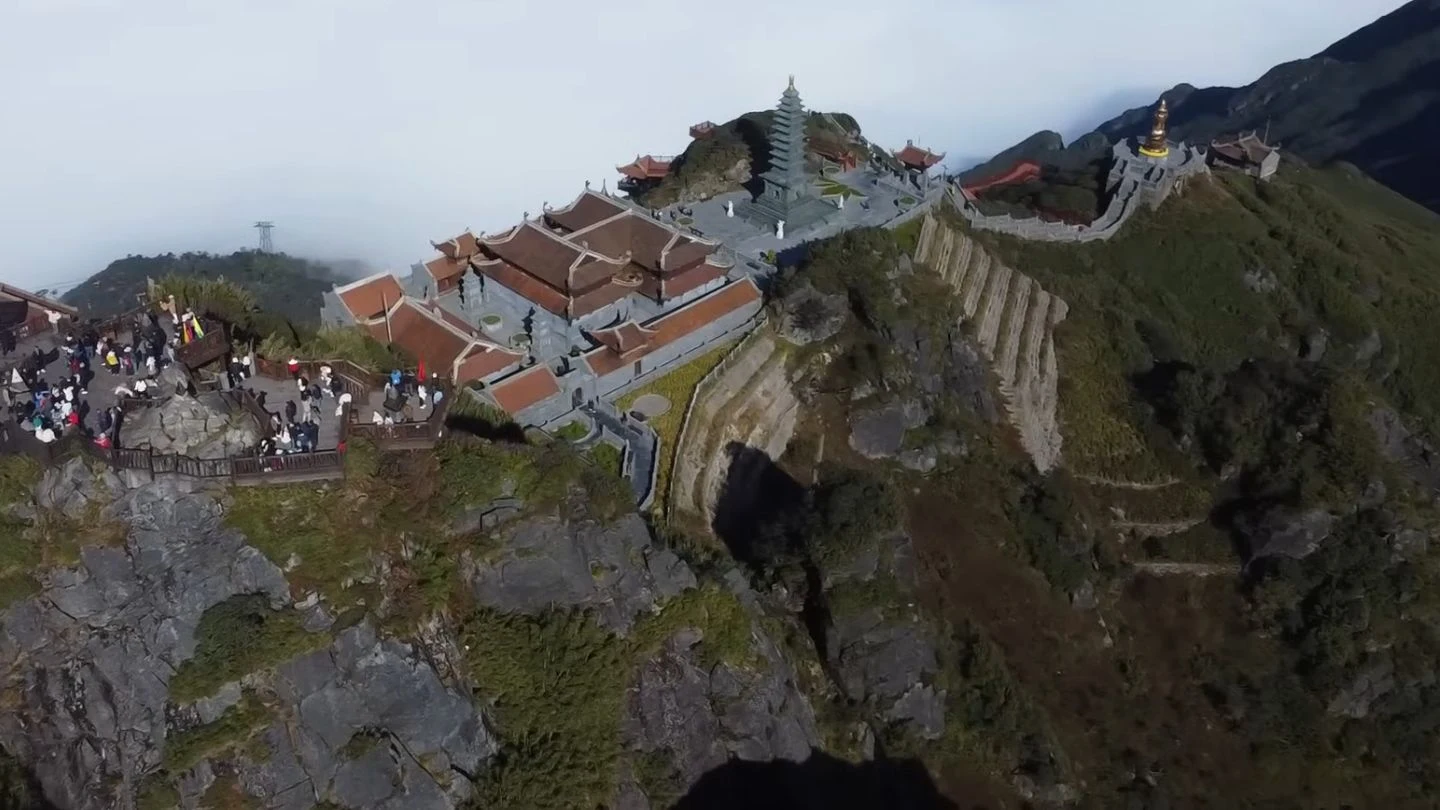
The Fansipan summit complex
The summit may be the reason most people come to Fansipan Mountain, but it is not the first thing everyone notices. Along the climb are temples, pagodas, and statues built into the mountainside, with clouds drifting through them on some days and clear views on others.
For most pilgrims, that is the headline. But the older, quieter temples are down in the town and the valley, and they are free. Here’s what you can explore along the way.
The Vietnam National Authority of Tourism notes that the spiritual complex can be seen from afar, where temple rooftops emerge above the surrounding mountains and forests of Northwest Vietnam.
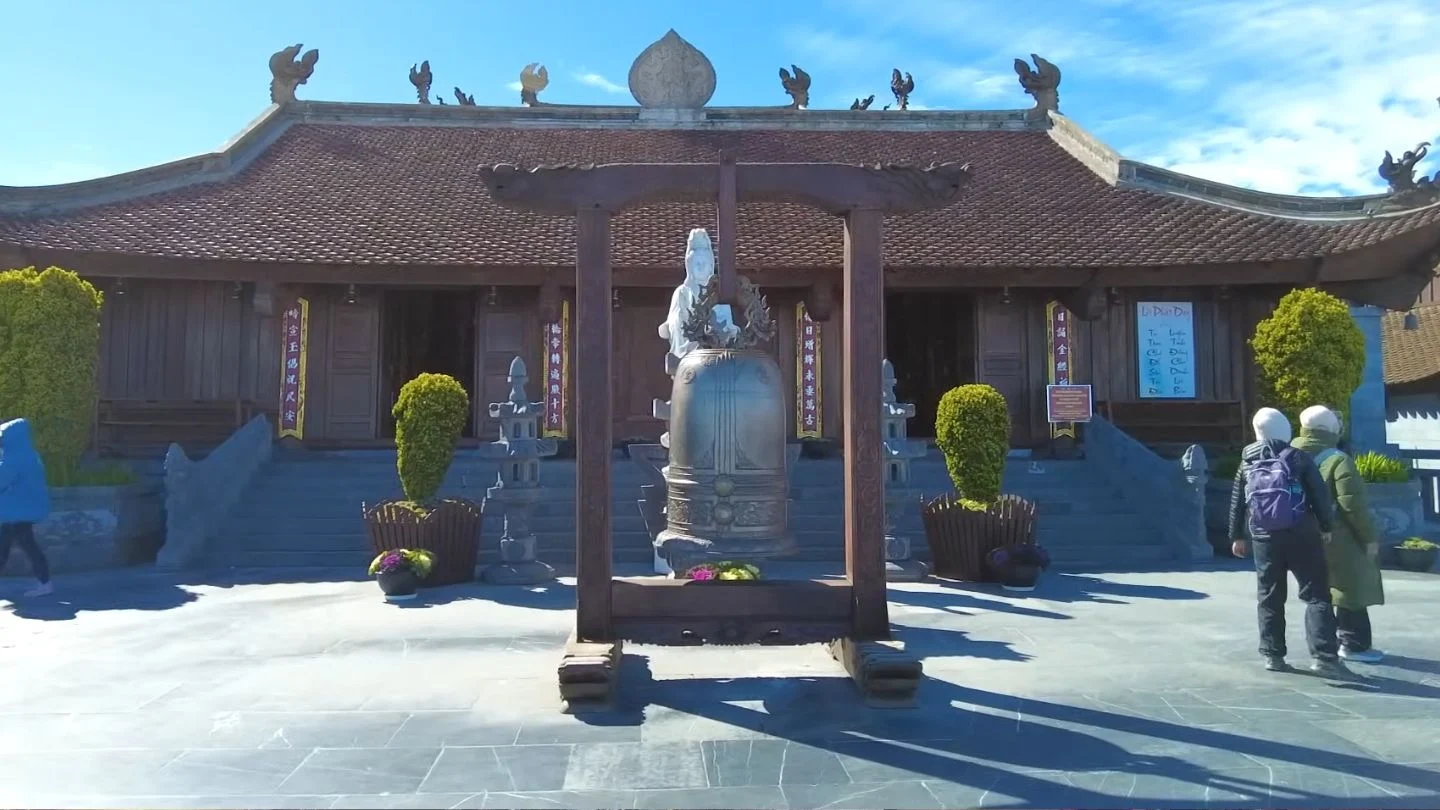
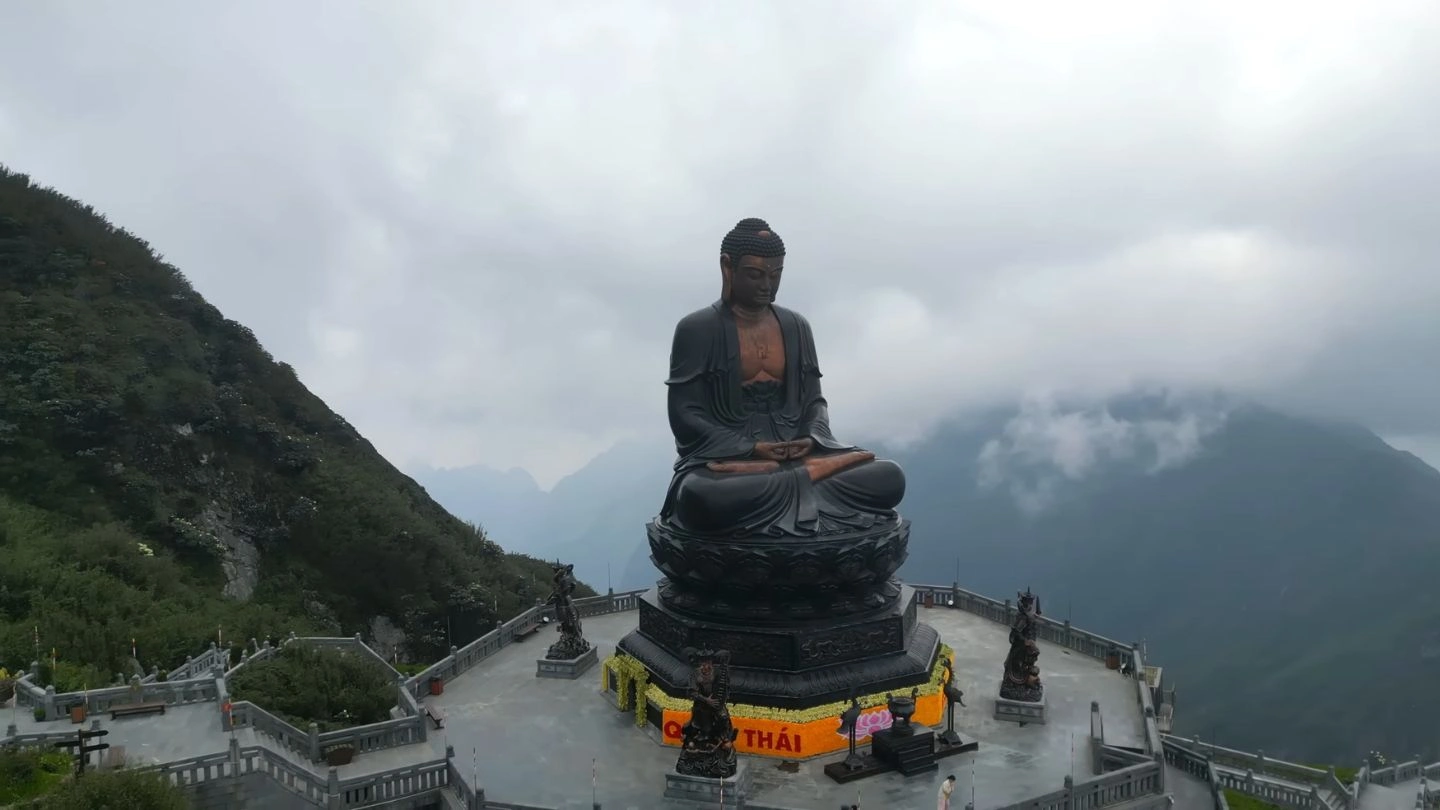
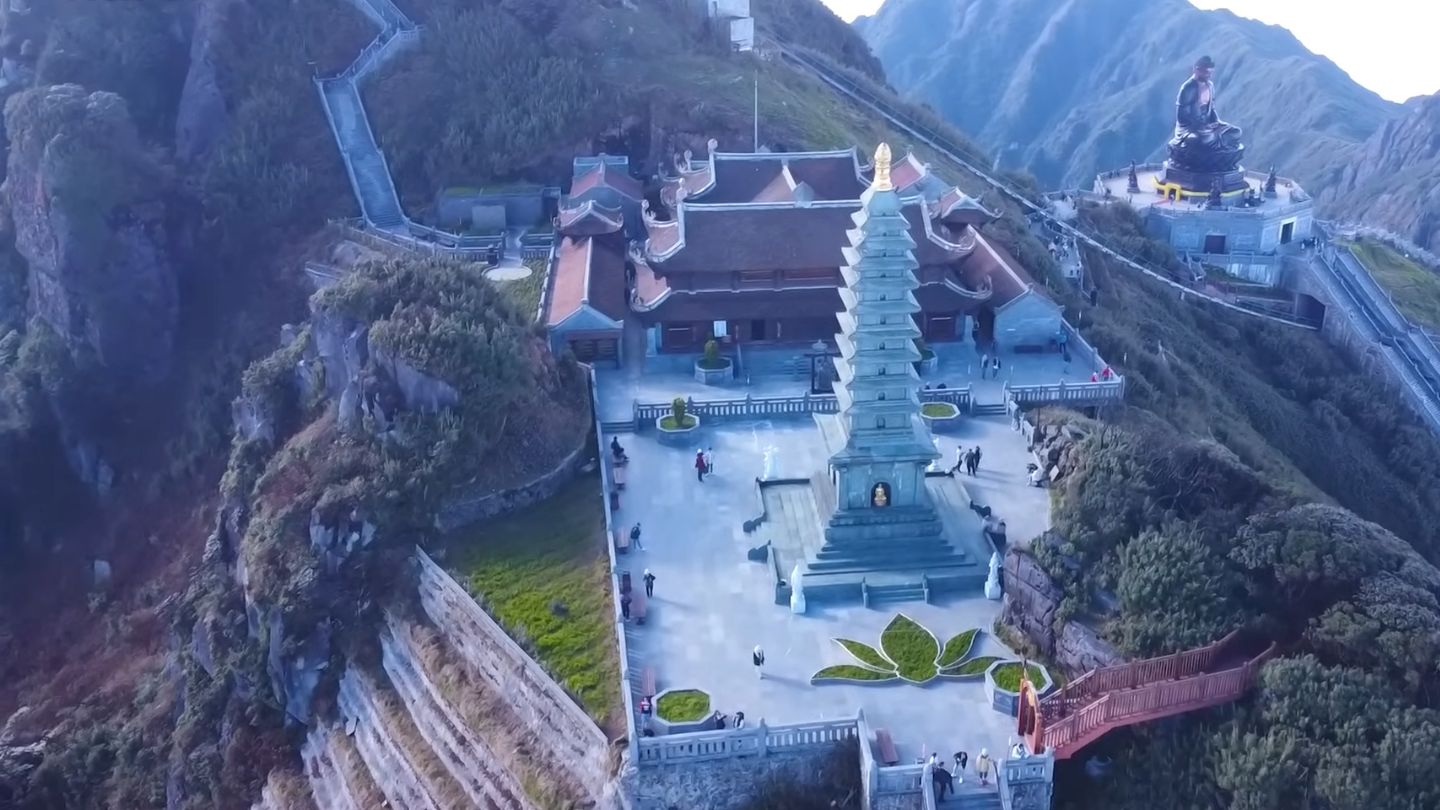
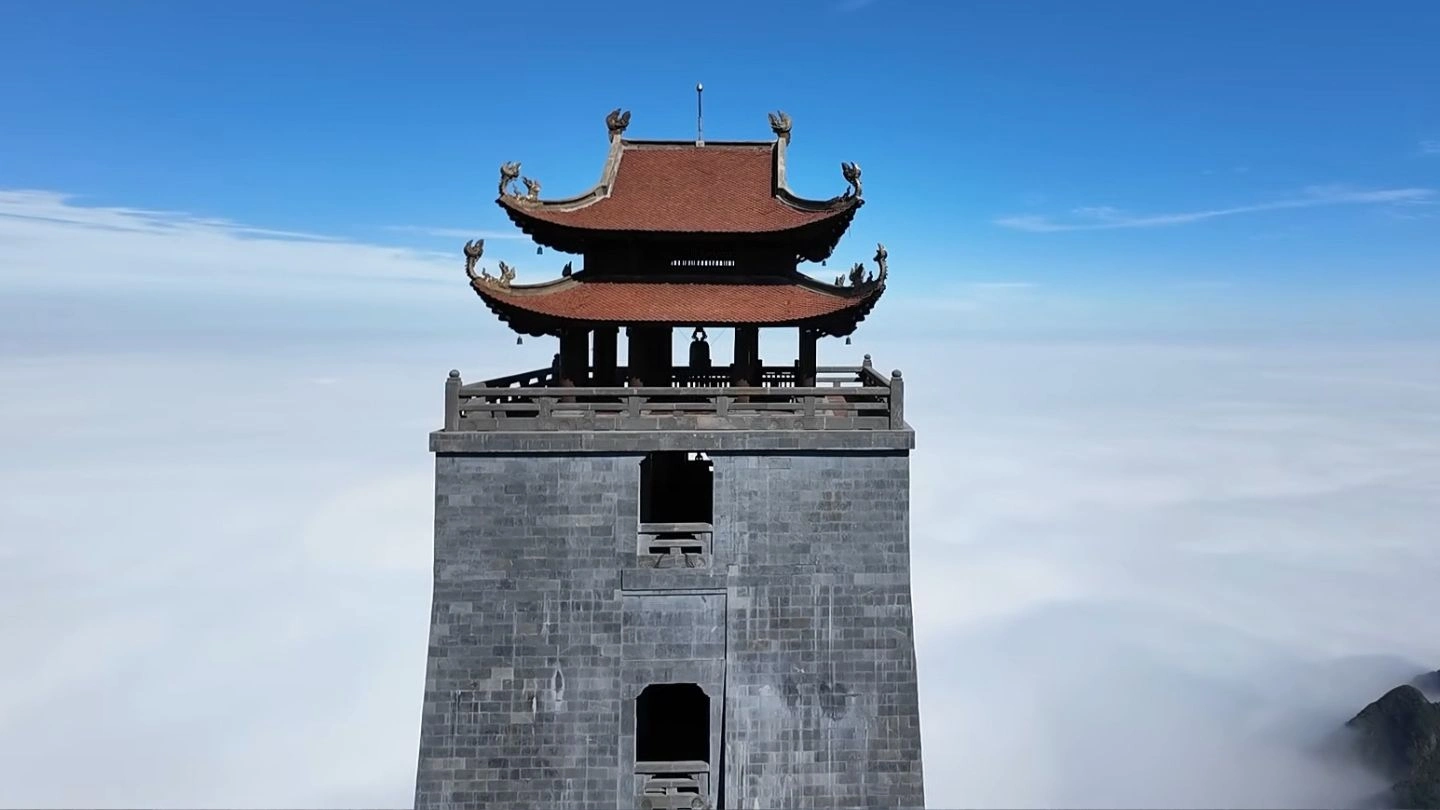
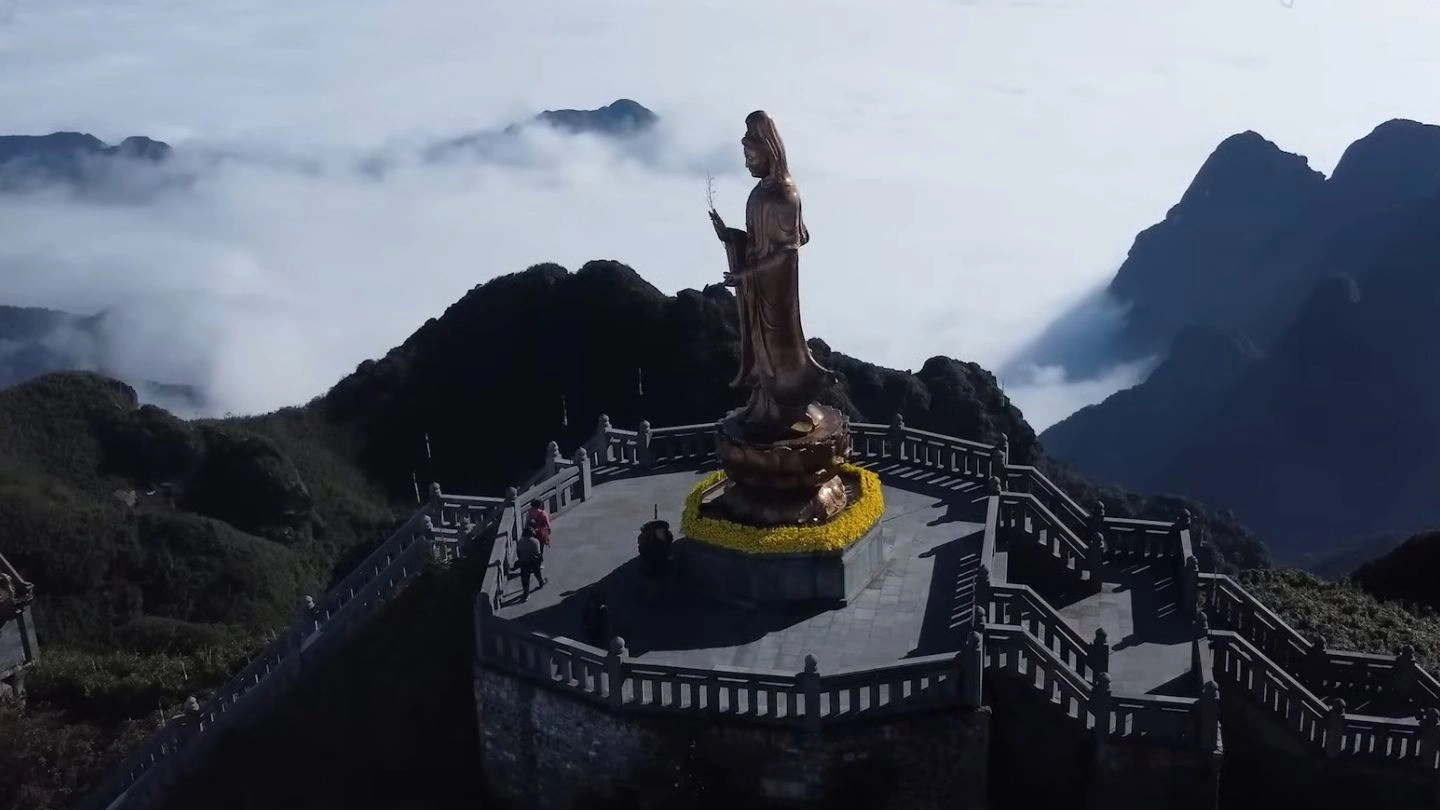
The biggest spiritual site is also the highest: a complex of pagodas, a giant bronze Buddha and stone statues spread across the top of Fansipan. It is dramatic and crowded, reached by the cable car rather than on foot.
For most pilgrims that is the headline. But the older, quieter temples are down in the town and the valley, and they are free.
Pilgrims’ option: reach the summit temples on foot — guided, one or two days:


Mau Thuong Temple

Mau Thuong, on a hillside in Hamlet 3B, is dedicated to the Mother Goddess Lieu Hanh, a central figure in Vietnam’s folk religion. It is one of the town’s most revered shrines, quiet most of the year.
Its festival, around the ninth to fourteenth of the fourth lunar month, fills it with chau van singing, palanquin processions, and offerings.
Hang Pho Temple
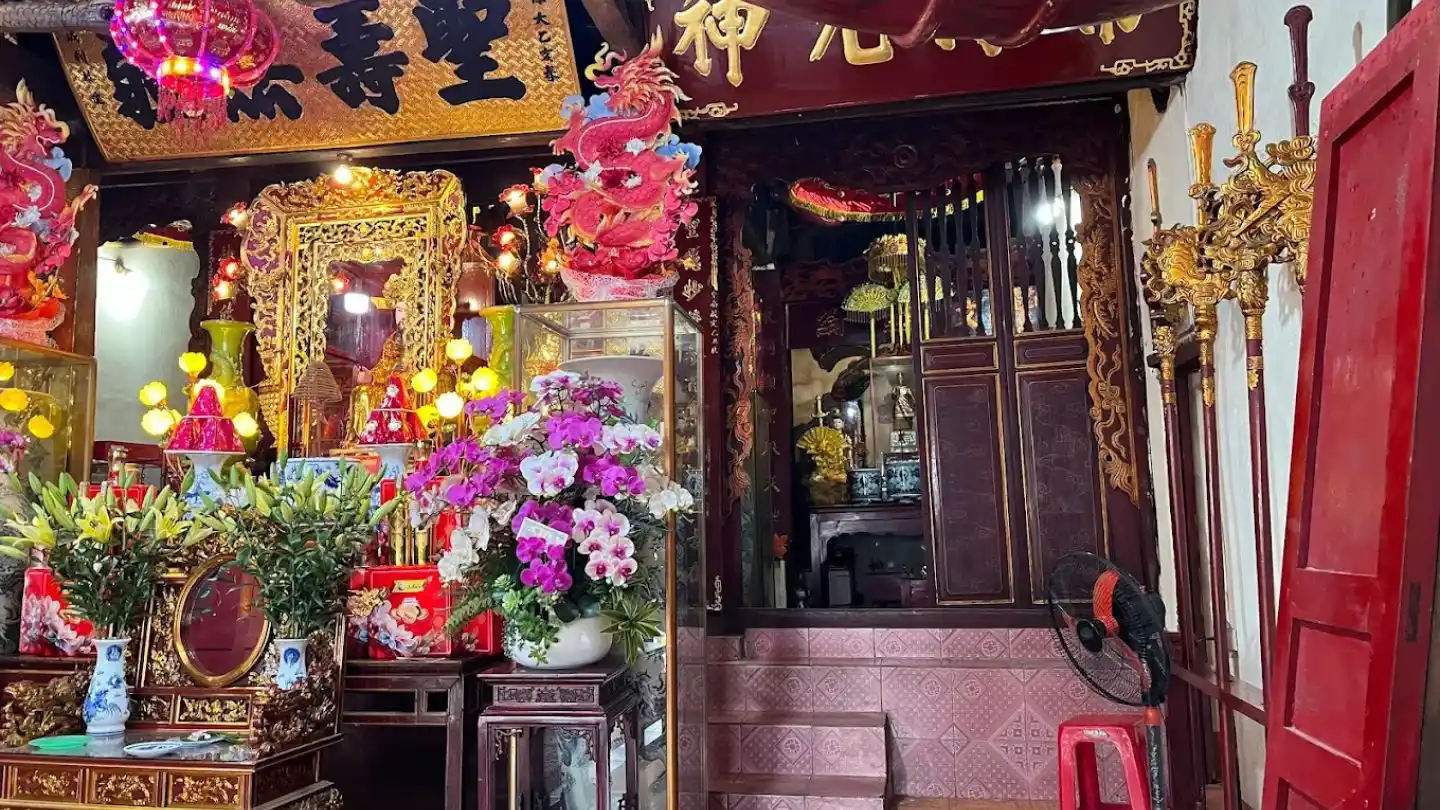
Hang Pho is the oldest, built in the 19th century and recognised as a Lao Cai provincial heritage site in 2005. It faces the Muong Hoa valley with its back against the rock, and honours the general Tran Hung Dao and his commanders.
Its memorial day falls on the twentieth of the eighth lunar month, with traditional rituals and music.
Truc Lam Dai Giac Zen Monastery

The newest of the four, Truc Lam Dai Giac, is a Truc Lam Zen monastery, begun in 2015 and opened in 2020, across some 9,000 square metres. In the Tran-dynasty Zen style, it has a two-storey main hall, a bell tower, and a meditation hall.
It is a working monastery as much as a sight; arrive in the evening, around 7:45, and you may be able to sit in on the meditation.
The stone church

Sapa’s other landmark of faith is Catholic, not Buddhist: the grey stone church in the centre of town, free to step inside, and the easiest spiritual stop of all.
They are the quiet counterpoint to the louder Sapa sights most visitors tick off.
Tips for visiting Sapa temples
- Dress respectfully — cover shoulders and knees at the temples.
- The temples are free; only the Fansipan summit needs a cable-car ticket.
- Time a festival if you can, for the rituals and music.
- Go quietly — these are places of worship, not just photo stops.
→ Full guide: 25 Best Things to Do in Sapa: A Local’s Complete Guide (2026) →
FAQs
What are the main temples in Sapa?
The pagoda complex atop Fansipan, plus Mau Thuong, Hang Pho, and Truc Lam Dai Giac Zen Monastery, and the Catholic stone church in town.
Is there a fee to visit Sapa’s temples?
The temples and the church are free to enter. Only the Fansipan summit complex needs a cable-car ticket.
Which is the oldest?
Hang Pho, built in the 19th century and a provincial heritage site since 2005, honours Tran Hung Dao.
Can non-religious visitors go?
Yes — many come simply for the quiet, the architecture, and the misty mountain setting.
Can I join a meditation?
At Truc Lam Dai Giac, evening meditation around 7:45 PM is sometimes open to visitors. Go quietly and follow the monks’ lead.
None of the Sapa temples will be on the front of a postcard, and that is the point. Slip into a temple between the market and the mountain, stand a moment in the incense and the cold, and Sapa goes quiet around you.
Related Tours & Transport
