


 Sapa Tours & Activities
Sapa in November: Honest Guide to Autumn Beauty, Cool Air & Post-Harvest Quiet
October gets all the credit for Sapa’s photogenic season. But after watching ten Novembers here, I’ve learned this is when Sapa actually relaxes. The harvest is done, tour groups thin out, rates drop — and the cool dry air makes every trek feel easier than it should. Here’s what you actually need to know.
Sapa Weather in November
The honest truth: November is one of Sapa’s most pleasant weather months — cool, dry, clear, and stable. Few weather surprises.
Quick reference
| Metric | November average |
|---|---|
| Temperature | 11°C nights → 18°C daytime (occasional 8°C late-November cold snaps) |
| Humidity | 70–80% (steady, comfortable) |
| Rainy days | 4–6 days (drizzle, brief showers, rarely heavy) |
| Wind speed | 4–6 mph |
| Sunlight | ~11 hours daily |
| Sunrise / Sunset | 6:15 AM / 5:25 PM |
What this means on the ground
November mornings are cool and clear, often with mist in the valleys that lifts by 9 AM. Daytime warms to comfortable 17–18°C — the sweet spot for outdoor activities. Evenings drop fast after sunset (5:25 PM) — bring a light fleece or jacket.
Cloud sea forms 2–3 mornings a week on average — less reliable than December but more comfortable to chase (warmer temperatures, easier to wait outdoors). Late November starts feeling more like winter, with first cold snaps possible.
From what I’ve seen, November is when first-timers say “this is more comfortable than I expected.” Repeat visitors go further: “I should have come in November instead of October.”
What to pack for November
- Light fleece or thin sweater — for evenings (drops to 11°C)
- Long-sleeve shirts + light pants — daytime
- Light jacket or shell — wind/water resistant
- Sturdy walking shoes — dry trails, occasional wet patches
- Hat + sunglasses — autumn sun is sharp
- Light gloves (optional) — late November mornings can feel cold
- Compact umbrella — for occasional drizzle
Skip: full winter coat (overkill for early–mid November), shorts and sandals (too cold for evenings).
Is November a Good Time to Visit Sapa?
Honest answer: November is the best month for travelers who want October’s atmosphere without October’s crowds — and the worst month for travelers who specifically want golden rice terraces.
✅ November’s strengths (what makes it special)
- Post-October crowd drop — Tour groups thin dramatically after October ends. Trails and viewpoints feel empty by mid-November.
- Most stable weather of the year — Dry, cool, predictable. Plans rarely disrupted.
- Hotel prices drop 20–30% vs October peak. Best value of the year outside Jan–March deep winter.
- Comfortable trekking temperatures — Cool air, firm trails, no humidity-haze.
- Buckwheat (tam giác mạch) blooms in early November — Pink-white fields, especially around Ha Giang and some Sapa peripheries. A short window.
- Cloud sea season begins — Less reliable than December, but easier to enjoy in milder temperatures.
❌ November’s weaknesses (be honest with yourself)
- Rice terraces are post-harvest brown — Gold is gone by November 1, regrowth doesn’t start until late spring. Brown stubble dominates.
- Short daylight (~11 hours) — Sunset 5:25 PM. Plan activities tighter.
- Late November feels like winter — First cold snaps possible. Don’t underdress.
- No major festivals — Quieter atmosphere. Some find peaceful, others miss the buzz.
- Some homestay guides take November off — After busy October, some Hmong families rest. Book guides through reputable operators.
My honest verdict: If you missed October by a week or two, November is exactly the second-best alternative — same weather quality, fewer crowds, lower prices. If you specifically wanted the gold rice terrace shot, you’ll be disappointed. But for everything else Sapa offers — trekking, villages, food, atmosphere — November might actually be the better choice.
How to Get to Sapa in November
November has the most reliable transport conditions of any month — dry, no monsoon disruption, no fog issues (until late November). The 5–6 hour drive from Hanoi is smooth.
Option 1: VIP Cabin Bus (most popular, best value)
This is still what most travelers book.
Night buses leave Hanoi between 7–10 PM and arrive very early morning in Sapa. At this point, most cabin operators are fairly similar in comfort. I’d pay more attention to departure timing than marketing photos — that usually affects the experience more.
Mid-week November departures especially tend to stay flexible much longer than people expect.


Option 2: Train via Lao Cai (most scenic)
The train is slower, but some guests still prefer it because the ride feels steadier overnight.
You arrive in Lao Cai around sunrise, then continue another hour uphill to Sapa. I still think the better cabins are worth it here, especially for couples or lighter sleepers. November usually gives more flexibility compared to October, when the best cabins disappear early.


Option 3: Private Car / Limousine
Mostly for small groups or families.
Not much faster, honestly. Just easier. No fixed schedules, no station transfers, no late-night waiting around Hanoi.
I usually only recommend private cars for travelers on shorter trips where timing matters more than budget.
Insider tip: November is one of the easiest months to book last-minute. Tuesday–Thursday departures often have cabin availability the same day. If you booked basic seats, ask about cabin upgrades at the station — November buses are rarely full.
→ Full transport comparison: Hanoi to Sapa Transport Guide
Top 10 Things to Do in Sapa November
By November, Sapa starts slowing down a bit after the busy October season. The weather feels cooler, the trails get quieter, and the whole town becomes easier to enjoy.
1. Admire the Lavender Flowers
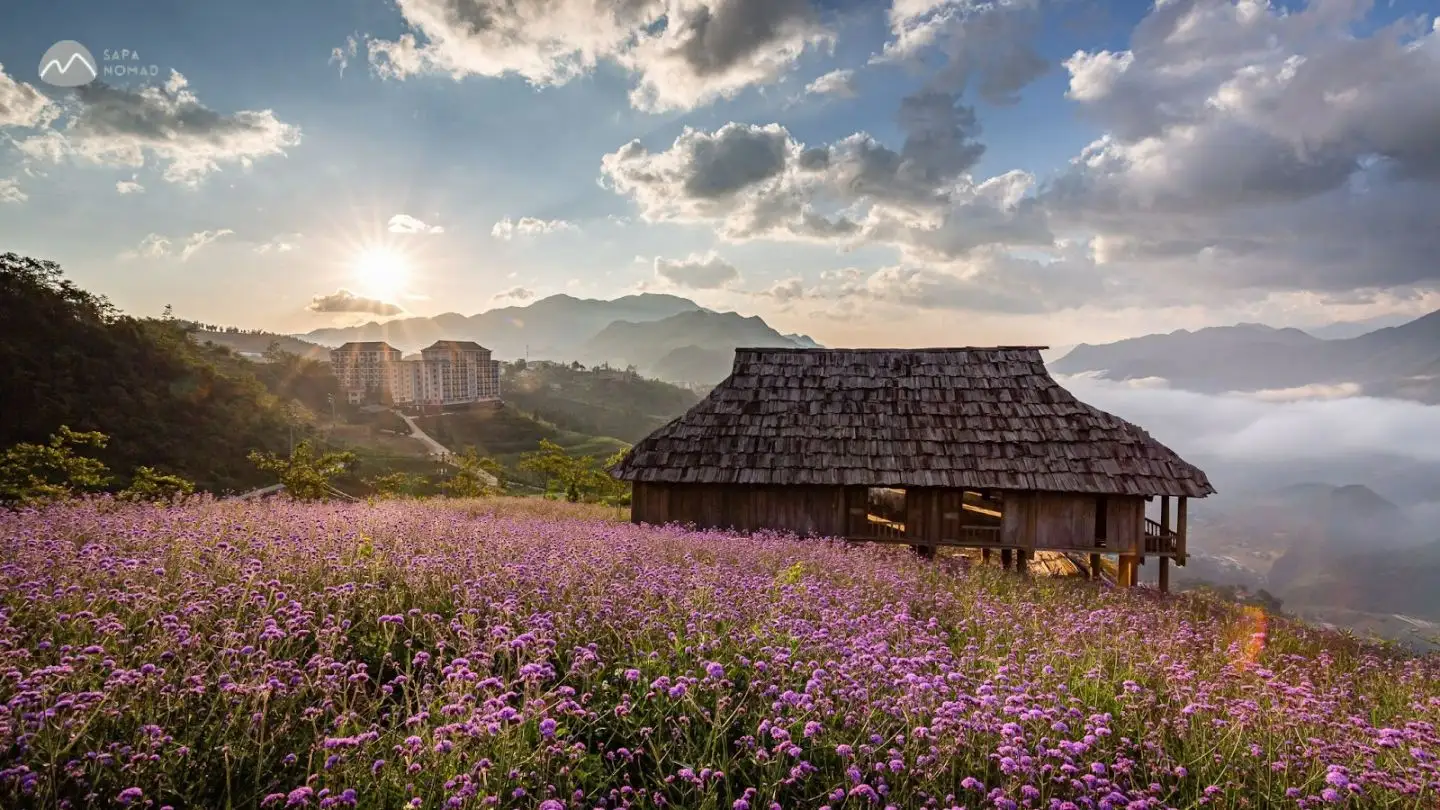
Most guests don’t expect lavender fields in Sapa at all. That’s probably why the gardens get crowded so quickly once people discover them.
November weather usually helps the flowers last longer. Cooler air, softer sunlight, less rain. Morning is the best time to come. After 9 AM, the photo groups from town normally start arriving.
The fields near Muong Hoa are still the busiest, mostly because they’re easy to reach from the center. Guests who come earlier usually enjoy the experience more before the noise and queues start building around the photo spots.
2. Try Sapa’s Cool-Weather Dishes
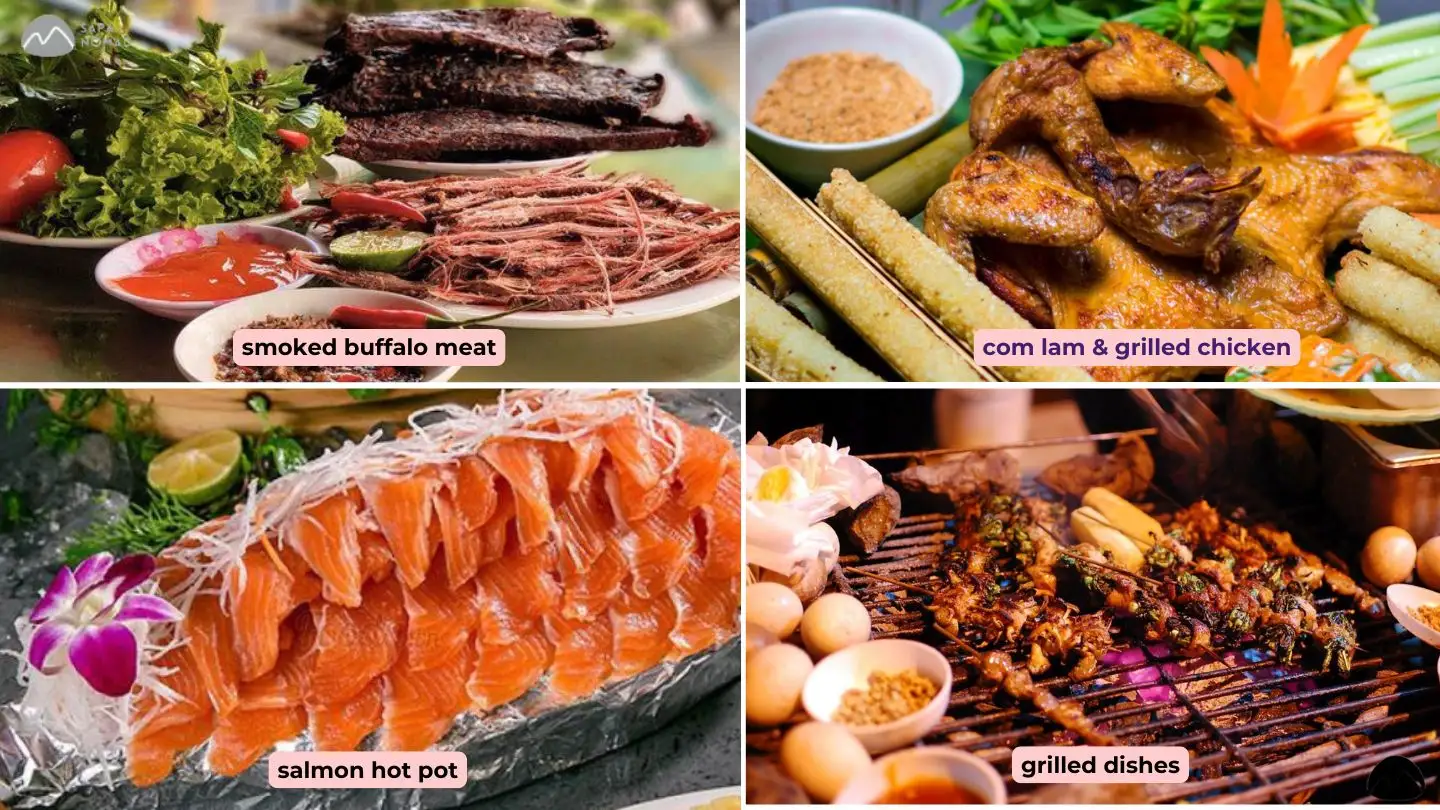
November changes dinner plans in Sapa pretty quickly.
Guests usually spend the day walking around in light layers, then suddenly realize how cold the town feels after sunset. That’s when hot pot restaurants start filling up across the center.
Salmon hot pot becomes the easy default this time of year. Smoked buffalo meat, grilled dishes, and cơm lam also start appearing at almost every table once the evenings cool down.
One thing that changes in November: people stay indoors longer. Meals get slower. The colder mountain air outside naturally changes the rhythm of the town at night.
→ More: Sapa Food Guide | Best Restaurants in Sapa
3. Tao Meo Season in Sapa
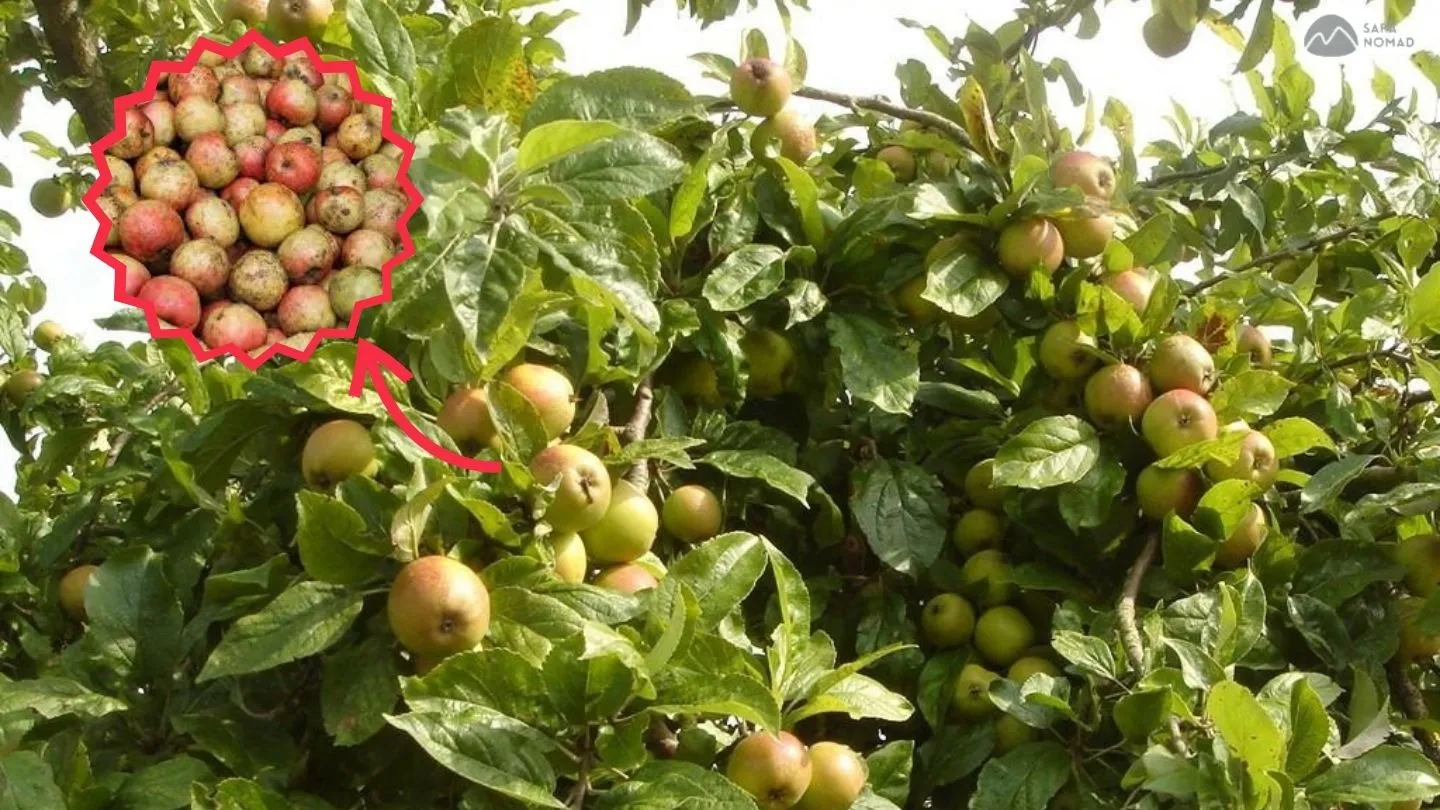
By this time of year, families already know which fruit will become wine, which gets dried, and which ends up sold at the market. The season feels less connected to tourism and more like preparation for the colder months ahead.
If you try tao meo wine in Sapa, you’ll notice most places serve it very casually. No ceremony around it. It simply shows up at dinner once the weather gets cold enough.
>>> See more: Sapa Fruit
4. Experience the Love Market Atmosphere

The Love Market feels quieter now than many old travel guides describe. Travelers expecting a large cultural performance sometimes leave disappointed.
But honestly, that was never really the point of the place.
By Saturday evening, the center of town slowly gets busier. Food stalls open near the church area, local music drifts through the square, and people gather together once the temperature drops.
Nothing feels overly organized here. That’s usually when the town feels most relaxed.
Guests who enjoy the Love Market most are usually the ones who stop trying to “find the event” and simply spend time walking around the center after dark.
5. Trek Hill Tribe Villages (Best Conditions of the Year)
November might be Sapa’s best trekking month — cool air, firm dry trails, no humidity haze, no mosquitoes, no crowds. Morning treks (7–11 AM) are perfect. Even afternoon treks are pleasant.
Top villages to trek in November:
- Lao Chai — Black Hmong, panoramic views (post-harvest landscape dramatic in autumn light)
- Ta Van — Giay and Hmong, riverside, homestays with relaxed November atmosphere
- Ta Phin — Red Dao village, herbal bath essential after cool trek
- Y Linh Ho — small Hmong, lowest crowd density of the trekking-optimal months
Trekking tours that fit November conditions:


6. Catch the Buckwheat Flower (Tam Giác Mạch) Window
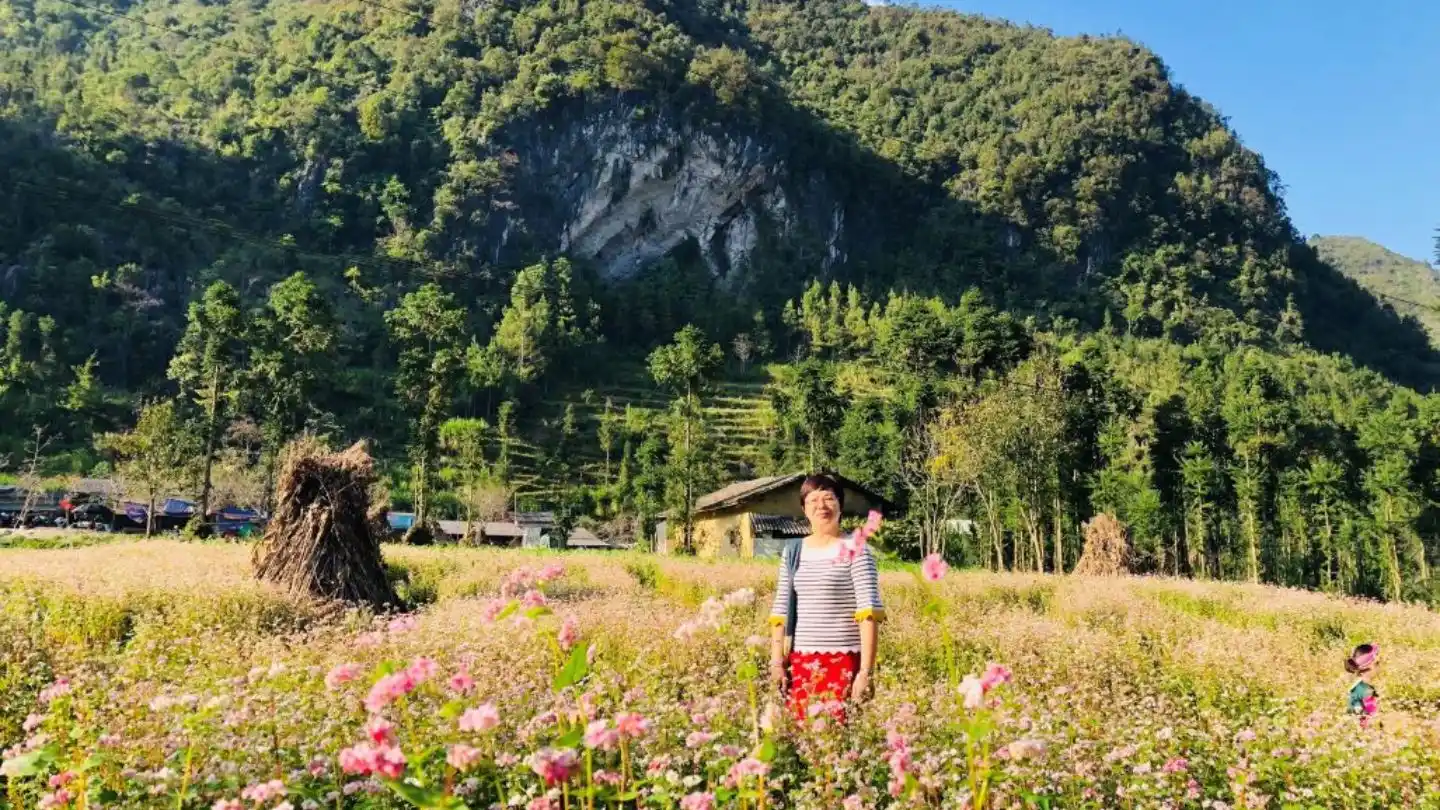
Early November is when buckwheat flowers (tam giác mạch) bloom — pink-white carpets on hillsides. The most famous fields are in Ha Giang province (4 hours from Sapa), but smaller fields appear in some Sapa peripheries and along the road to Bac Ha.
The bloom window is short — usually first 3 weeks of November. For dedicated travelers, a 2-day combined Sapa + Ha Giang trip captures both. Otherwise, smaller local Sapa fields offer the same flower in less spectacular concentrations.
7. Red Dao Herbal Bath (Post-Trek Essential)
November’s cool weather makes the Red Dao herbal bath in Ta Phin village more appealing than ever. A wooden barrel of hot water steeped with mountain herbs — after a cool trek, 30 minutes warms you for the evening.
Best places: Ta Phin village homestays ($5–10, most authentic), Topas Ecolodge spa, Hotel de la Coupole spa.
→ See: Best Spa & Massage in Sapa
8. Cloud Sea Hunting (Less Reliable but More Comfortable)

Cloud sea season officially starts in November — clear cold nights produce valley inversions 2–3 mornings per week. Less reliable than December but more comfortable to chase (no need for thermal base layers yet).
Best spots: Ham Rong Mountain (easy in-town access at 6 AM), O Quy Ho Pass, Fansipan summit (first cable car run).
9. Visit Fansipan Mountain (Excellent Visibility)
Fansipan’s 3,143m summit in November offers excellent visibility — autumn dry air = clear panoramic views. Visibility runs 70–80%, better than spring or summer. The 15-minute cable car ride from 1,600m to 3,000m is comfortable in November temperatures.
November tip: Cable car closures less frequent than December (lower wind days). Morning visits before 11 AM ideal.
→ See: Fansipan Cable Car Ticket Review | Sun World Fansipan Legend
After years of guiding travelers in Sapa, I still think hiking is the best way to truly feel these mountains. Most people only see Fansipan from the cable car. The version you remember for years is the one you earn on foot — when the mountain stops feeling like a checkpoint and becomes a journey.
10. Explore Sapa’s Iconic Attractions
November’s cool weather makes full-day sightseeing comfortable:
- Cat Cat Village (2 km from town): Hmong handicrafts, traditional weaving, easier in autumn temperatures
- Ham Rong Mountain: in-town flower gardens, panoramic viewpoint
- Silver Waterfall (Thac Bac): lower water volume in November (no monsoon feed), but the surrounding forest is beautiful
- O Quy Ho Pass: 2,000m mountain pass, viewpoints of Lai Chau valley
- Love Waterfall: pleasant 1.5 km walk through forest
→ See: Cat Cat Village Guide | Things to Do in Sapa
Where to Stay in Sapa in November
November is one of Sapa’s best-value months — October crowds gone, December Christmas premium hasn’t started. Hotel rates run 20–30% below October peak. Booking 1–2 weeks ahead usually sufficient (except early-November weekends, when buckwheat-flower hunters can fill rooms).
By traveler type
- Budget travelers: Best Hostels in Sapa — $5–15/night
- Mid-range: Best 3-Star Hotels — $25–50/night
- Comfort seekers: 4-Star Hotels in Sapa — $50–100/night
- Luxury: Best 5-Star Resorts — $100+/night (Hotel de la Coupole, Topas Ecolodge)
- Cultural experience: Best Homestays in Sapa — $15–40/night
Insider booking tip: Mid-November (Nov 8–25) is one of the year’s best value windows — same weather quality as late October, prices 30%+ lower. Many luxury properties run promotional rates for direct bookers in November.
→ Full overview: Where to Stay in Sapa
Practical Tips for November Travel
After spending more than 10 Novembers guiding travelers through Sapa’s shifting weather, quiet valleys, and mist-covered mornings, we’ve learned that a good trip here is rarely about luck. Here’s everything worth knowing before your trip.
- Pack a light fleece + jacket — Evenings drop to 11°C. Don’t underdress.
- Plan around 5:25 PM sunset — Push activities earlier.
- Cool dry air = best trekking conditions — Plan multi-day treks here over June/August humidity.
- Early November = buckwheat window — If chasing tam giác mạch, target Nov 1–20.
- Late November starts feeling cold — Bring slightly warmer layers if traveling after Nov 25.
- Sunrise = cloud sea opportunity — Be at viewpoints by 6 AM. Cloud burns off by 9 AM.
- Cable car closures rare — But still check operation morning of, just in case.
- Bring power bank for camera — Cool weather drains camera batteries faster than expected.
The Honest Verdict
November is the most underrated month in Sapa. October gets all the credit for weather — but the gold is an August story, and by October the terraces are already cut. But October also means crowds, premium prices, and trails that feel like queues.
For repeat visitors, November is almost always the better month — same dry cool weather, dramatically fewer crowds, lower prices, and a more relaxed local atmosphere after the harvest rush ends. The trade-off is the bare brown terraces. That trade is easy if you have already seen the gold version. It stings only if you came specifically for that photo.
If this is your first time and you have only 3 days, October remains the safe pick for weather. But the famous gold photo is an August story now — and if you can shift your dates, November gives you the same clear-sky Sapa minus the chaos.
Bring a light fleece, plan around the early sunset, and November will give you October’s atmosphere with the volume turned down.
→ Comparing months? Best time to visit Sapa — the honest month-by-month answer →
Frequently Asked Questions
Is November a good time to visit Sapa?
Yes, especially for travelers who want October’s pleasant weather without October’s crowds. November is one of Sapa’s driest, coolest, most stable months. Not ideal if you specifically want gold rice terraces — the gold ends by early September.
What is the weather in Sapa in November?
Average daytime 17–18°C, nights drop to 11–13°C. Humidity 70–80%. About 4–6 rainy days per month, usually drizzle or brief showers. Sunny, clear, predictable — one of Sapa’s best weather months.
Is Sapa cold in November?
Moderately. Daytime is comfortable (17–18°C), but evenings drop to 11°C and late November can feel cold. Bring a light fleece or sweater for evenings; full winter clothing isn’t necessary until December.
What to wear in Sapa in November?
Long-sleeve shirts or light sweaters daytime, light pants, sturdy walking shoes (waterproof preferred), light fleece or sweater for evenings, light jacket/shell for occasional drizzle or wind. Sunglasses and hat for autumn sun. Light gloves for late November mornings.
Are the rice terraces still gold in Sapa in November?
No. The gold rice season peaks from mid-August to early September. The terraces are cut well before November — harvest wraps up by late September. Brown stubble dominates through winter. For gold terraces, visit mid-August to early September.
Can you trek in Sapa in November?
Yes, November might be Sapa’s best trekking month — cool dry air, firm trails, no humidity haze, no mosquitoes, no crowds. Morning treks (7–11 AM) ideal. Bring a light fleece for trail breaks.
When does buckwheat flower (tam giác mạch) bloom in Sapa?
Early November, with the bloom window usually first 3 weeks. The most famous fields are in Ha Giang province (4 hours from Sapa), but smaller fields appear in Sapa peripheries and along the road to Bac Ha. For dedicated viewing, combine Sapa + Ha Giang in a single trip.
Are there fewer crowds in Sapa in November vs October?
Yes, significantly. Tour groups thin dramatically after October ends. Trails, viewpoints, and homestays feel quiet by mid-November (Nov 8–25). Early November still has some October overflow.
Is November cheaper than October in Sapa?
Yes. Hotel rates run 20–30% below October peak. Mid-November (Nov 8–25) is one of the year’s best value windows. Many luxury properties run direct-booking promotions in November.
Related Tours & Transport
