


 Sapa Tours & Activities
Is Sapa Worth Visiting in 2026? Honest Pros, Cons & 8 Experiences You’ll Love
So, is Sapa worth visiting? After a decade of running trips here, our honest answer: yes — for the right traveler. The terraces, the four living cultures and the mountain cold deliver something no other Vietnamese destination has. Here is the full case, costs and caveats included.
The Suitable Time To Visit Sapa All Year Round
The month you pick decides half the experience — here is the year at a glance:
| Months | Pros | Cons |
|---|---|---|
| December, January, February | Weather: cold and snowing | No good weather or no rice terraces |
| March, April, May |
|
Don’t see rice terraces since this is the time when the rice is planted |
| June, July | Perfect for seeing the Sapa rice terraces |
|
| August, September |
|
|
| October, November |
|
The rice fields will be harvested starting in late September, so don’t expect to see any green terraces. |
>>> Related articles:
Why Sapa Is Worth Visiting?
The Mountains Never Stay the Same
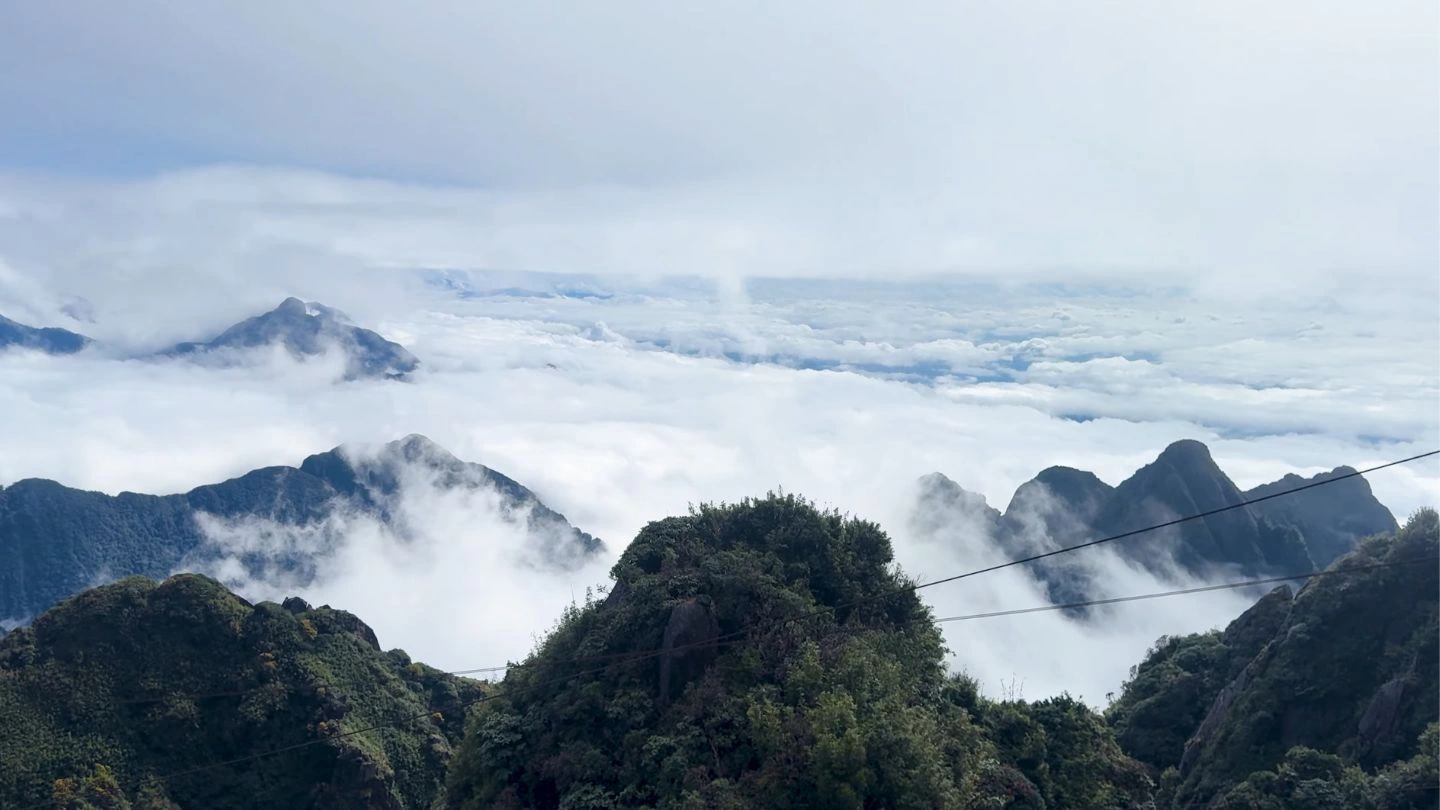
Most people remember the mountains first. Spring brings blossoms, summer turns the valleys green, autumn paints the terraces gold, and winter wraps everything in mist. Ride beyond Sapa town, and the waterfalls, quiet roads, and mountain villages slowly become part of the journey too.
The Villages Feel Like the Real Sapa
The town is only the beginning. Lao Chai, Ta Van, Ban Ho and Nam Cang still follow the rhythm of the seasons. Staying in a local homestay or walking with a village guide often tells you more about Sapa than any viewpoint ever could.
The Best Memories Are Usually Small
Fansipan draws the crowds, but the quieter moments often stay longer. A motorbike ride through Lao Cai. A slow walk between rice fields. A Red Dao herbal bath after the rain. They seem ordinary at the time, yet they’re often what people remember most.
Why Sapa May Not Be for Everyone
Sapa Town Isn’t the Part I Miss Most
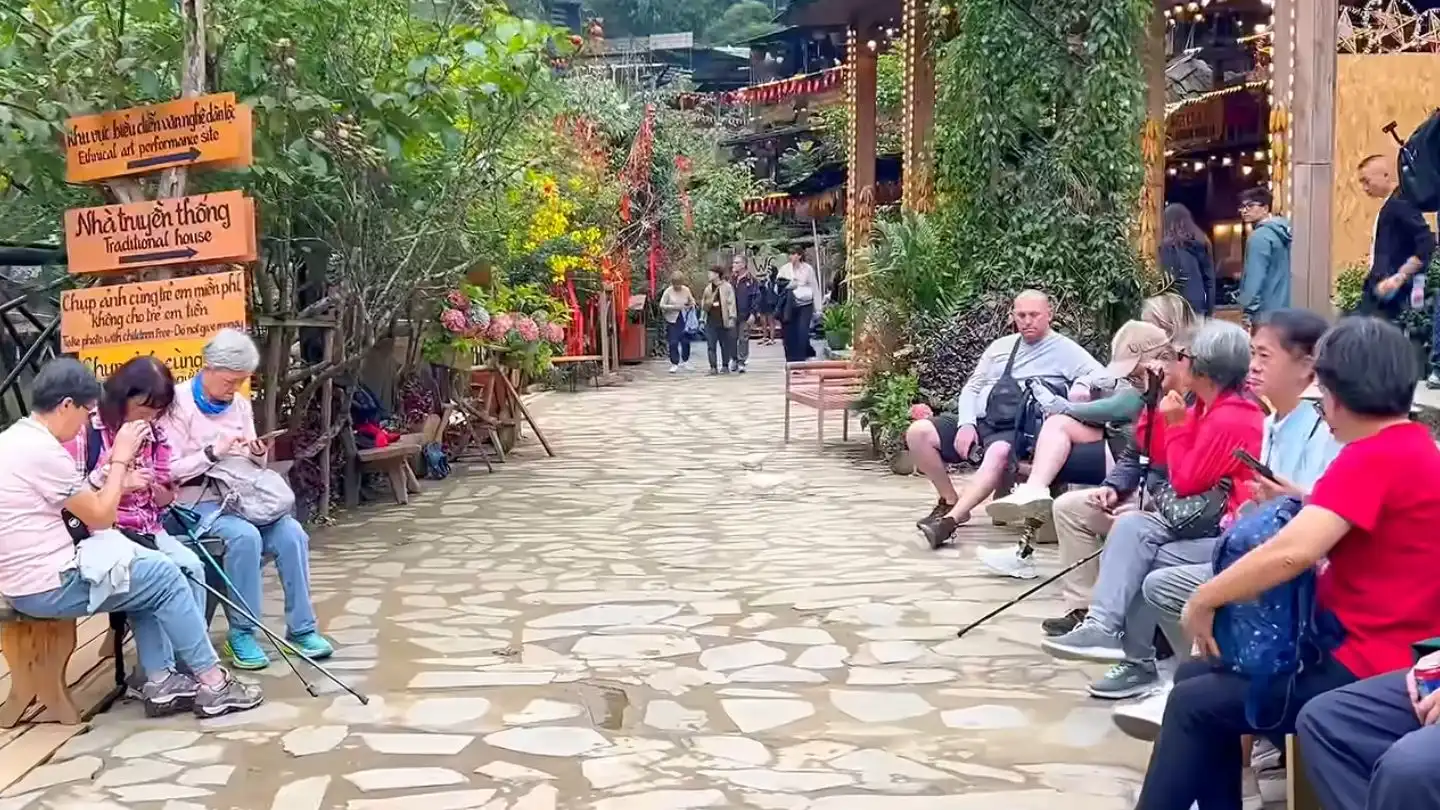
The town has changed a lot over the years. Around the Stone Church, cafés, hotels and souvenir shops fill streets that were once much quieter. It’s lively, especially on weekends, but it doesn’t take long before many travellers find themselves looking for the valleys instead.
Tourist Areas Can Feel Commercial
Cat Cat Village is the easiest example. It’s one of the most accessible places in Sapa, so it’s also one of the busiest. Souvenir stalls line the paths, and a friendly “hello” often turns into an invitation to shop or join a trek. Walk a little farther to villages like Ta Van or Ban Ho, and the mountains begin to feel much quieter again.
The Weather Doesn’t Follow Your Plans
Some mornings, Fansipan disappears behind thick clouds. Other days, rain arrives just as you’re about to start trekking. That’s simply part of travelling in the mountains. Staying two or three days usually gives the weather enough time to change — and it almost always does.
Estimated Costs in Sapa (2026)
- Accommodation: $10–20 for homestays, $40+ for mid-range hotels.
- Food: Local meals $2–5, Western food $6–10.
- Transport: Hanoi–Sapa bus $17–22, train $25–35.
- Activities: Fansipan cable car ~$30, guided trek $15–30/day.
Bottom line: a 3-day trip runs about $120–200 per person, depending on how softly you like to sleep.
Choose The Right Means of Transportation To Sapa
Three ways up the mountain, three different trade-offs:
By Bus
The overnight sleeper bus is the workhorse: 6–7 hours, around $10, reclining berths good enough to sleep in. Our Hanoi To Sapa bus guide ranks the operators worth booking.


By Train
The train is the romantic option — an overnight cabin to Lao Cai, then an hour up the switchbacks by road. Slower door-to-door, but the calmest sleep of the three.


By Private Car
A private car buys flexibility: leave when you want, stop where you want, arrive rested. The pick for families and small groups splitting the fare.


Is Sapa Worth Visiting? 10+ Alluring Things to Do in Sapa
Now the real answer to the question — ten things that justify the journey:
1. Hike the Rice Terraces
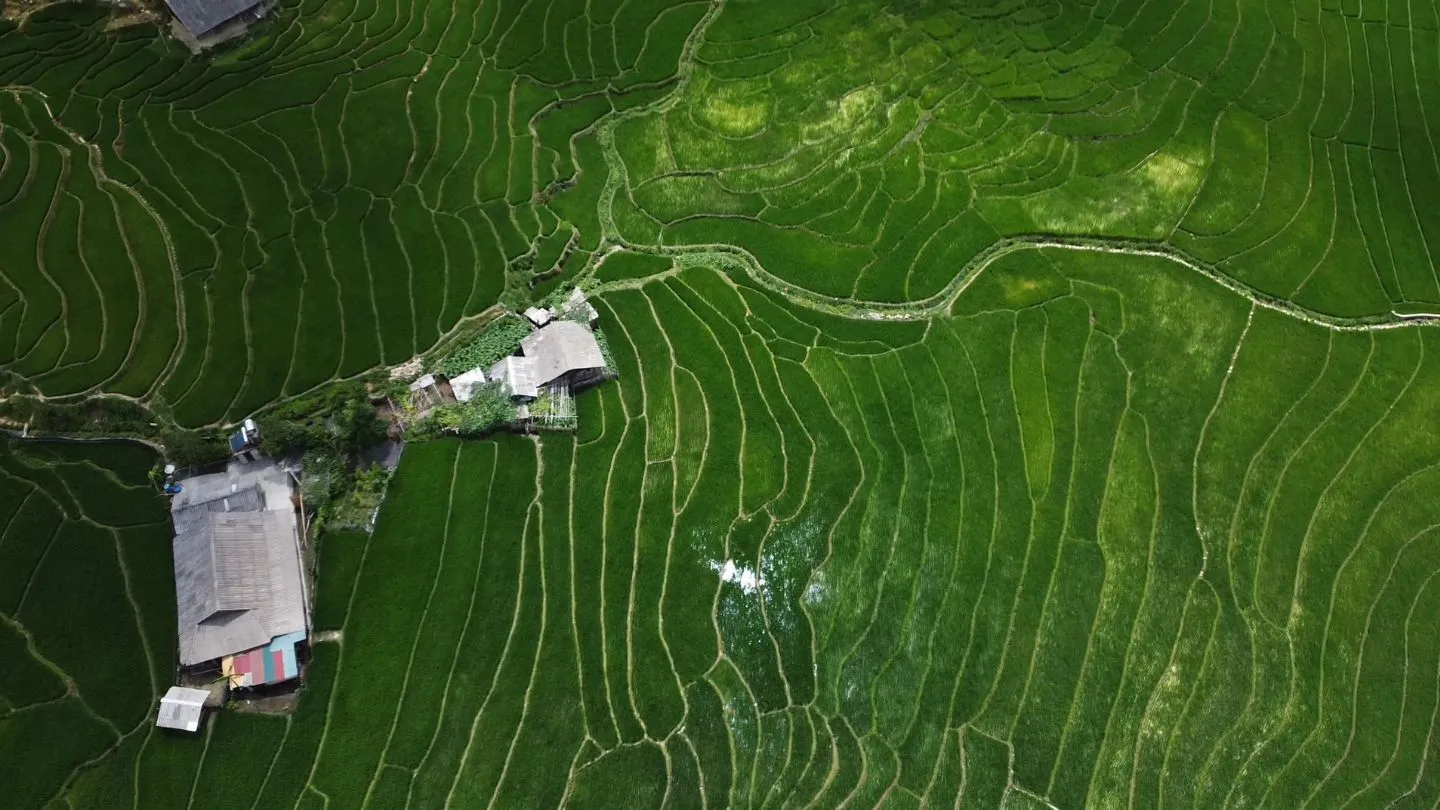
The rice terraces are the headline, and hiking them is the only honest way to see them. Routes run from easy half-days to full village-to-village treks.
The trails pass waterfalls and bamboo forest, and every walk doubles as a culture visit — the paths cut straight through working farms and village yards.
These are the treks we run ourselves, matched to different fitness levels:


2. Cherish a Hostel Experience
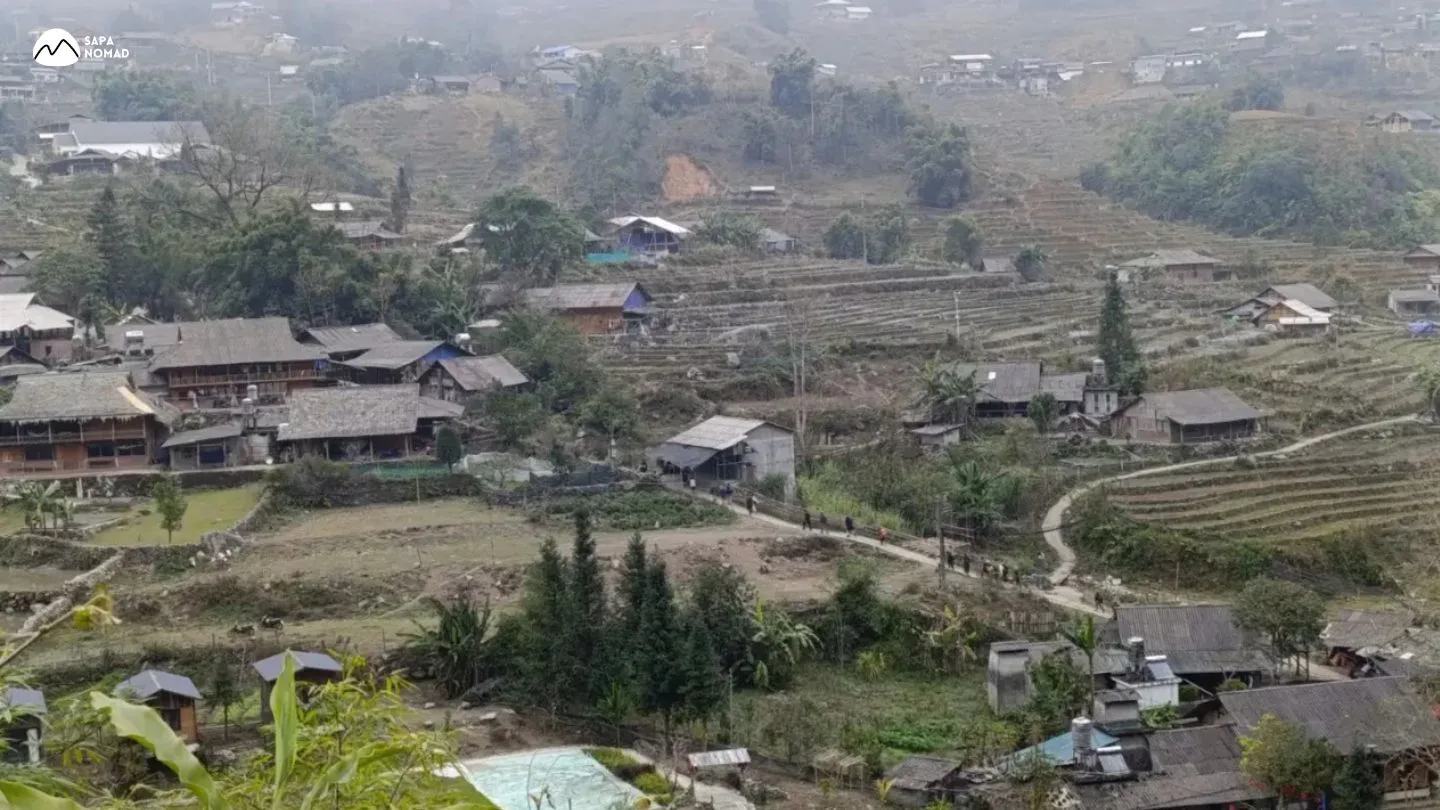
A night in a local homestay is the single most memorable booking here — home-cooked dinner, rice wine offered, stories traded. We would say a Sapa trip without one is incomplete.
3. Visit Mount Fansipan

Fansipan is Indochina’s highest peak at 3,147 m, right above town in the Hoang Lien Son range. Ride the cable car for the view, or climb it over two days for the story.
Fancy the climb? Our Fansipan trek tours pair you with local guides at honest prices.


4. Cozy Cafes in Sapa Town
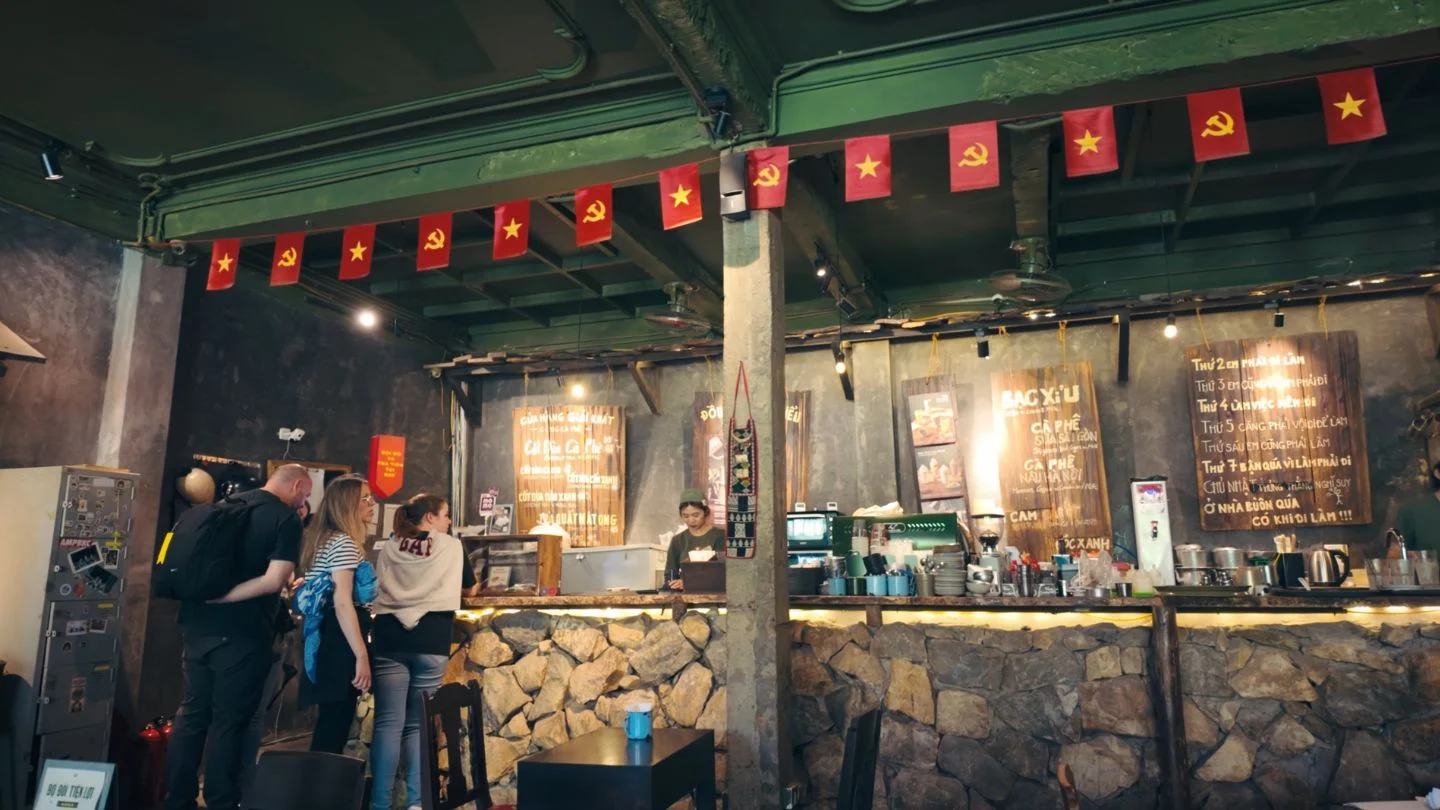
Save an afternoon for Sapa Town’s cafés. Gem Valley earns its reputation — banana pancakes, Vietnamese coffee and a valley view that does the talking. The trendier spots in the center cover the fast-Wi-Fi crowd.
Related articles:
5. Experience Indigenous Crafts
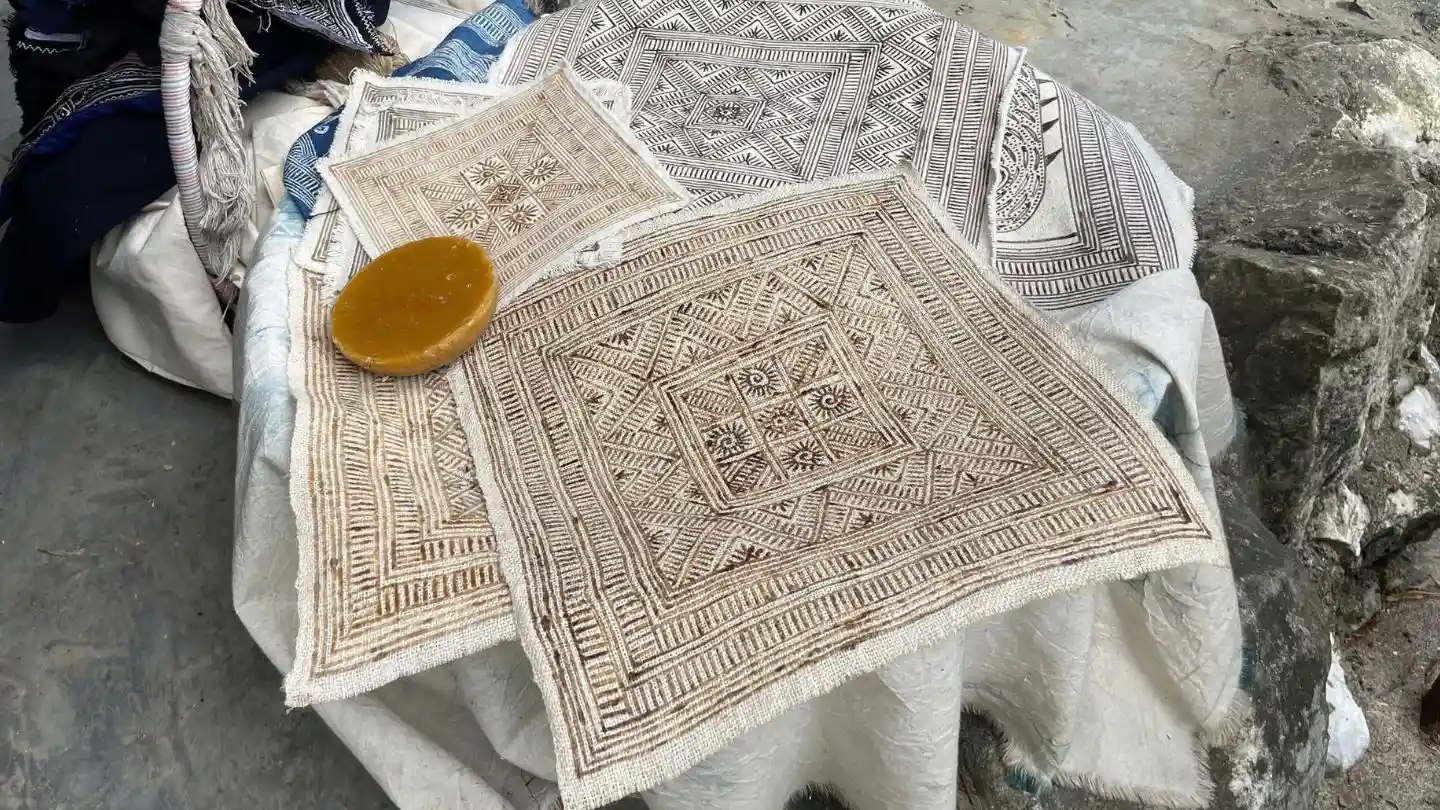
Not every memory begins on a mountain path. Sit beside a Black H’mong artisan and watch indigo leaves become deep-blue cloth. Try a batik workshop, where beeswax is painted by hand before the fabric disappears into the dye. Nearby, weaving and Red Dao embroidery continue the same quiet tradition, one careful stitch at a time.
Gifts sorted: the brocade shops in Sapa carry designs you will not find at the airport.
6. Take a Red Dao Herbal Bath
Among Sapa’s communities, the Red Dao keep the most famous wellness tradition: the Red Dao herbal bath, centuries old and exactly what trekked legs need.
Each family guards its own recipe — a dozen-plus mountain herbs steeped into a bath that works better than any spa menu promises.
7. Visit a Local Market
- Bac Ha Market, the largest in the region, provides a spectacle of ethnic diversity and local delicacies, albeit with the caveat of inflated prices.
- For a more authentic experience, Can Cau Market offers a glimpse into rural life with fewer tourists and an opportunity to observe local trade and traditions.
Our three market tours handle the dawn logistics — you just bring the appetite:


8. Enjoy the local cuisine
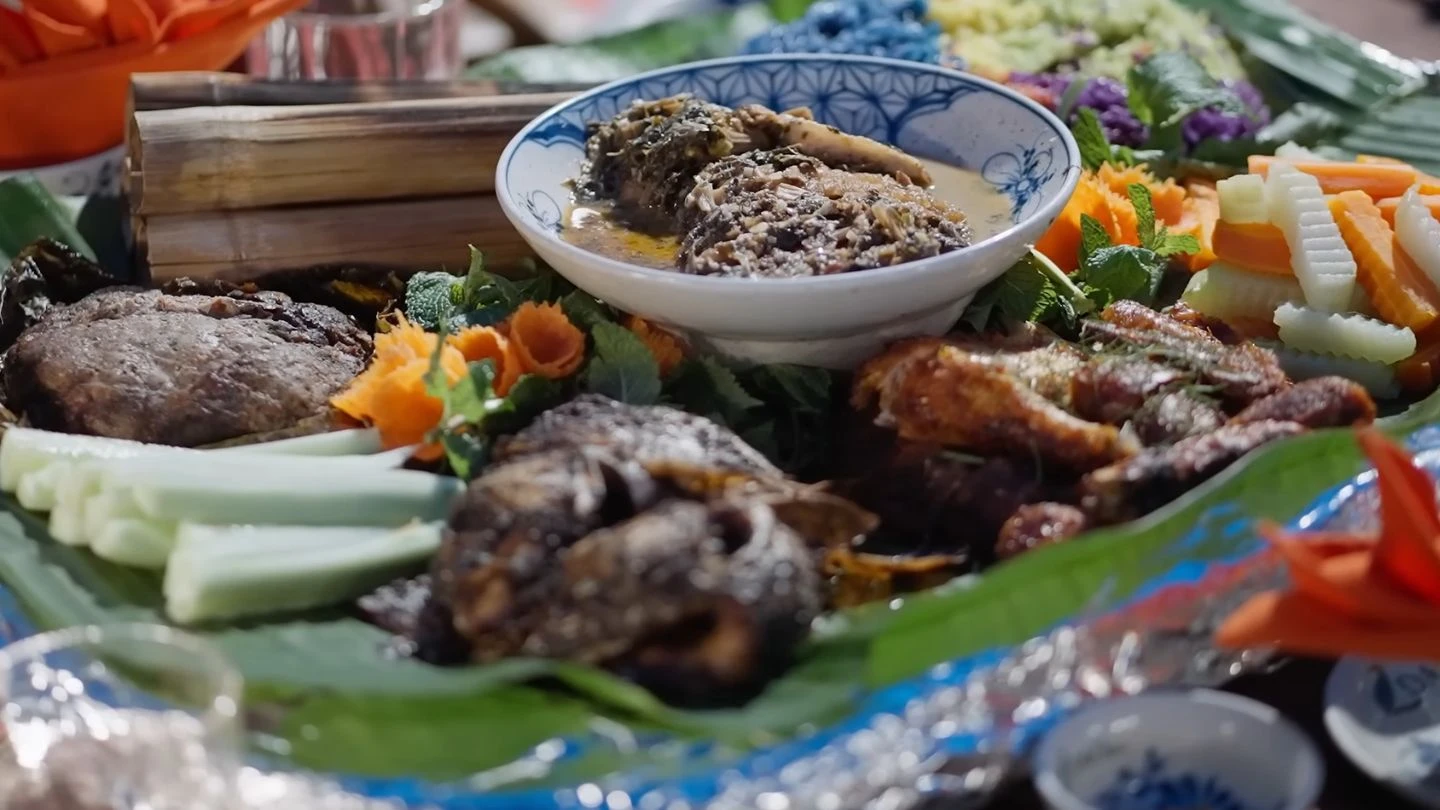
The food is its own argument: thắng cố for the brave, bamboo-tube rice, grilled sticky rice, mountain vegetables and herbal teas grown minutes from the table.
Related articles:
Travel Tips
A few field notes to make the trip go right:
- Come in the right season. March–May and September–November usually bring the clearest skies and the best trekking weather.
- Pack for the mountains. Layers, comfortable shoes, and a light rain jacket are usually all you need.
- Walk with a local guide. The trail stays the same, but the stories along the way become completely different.
- Take your time in the villages. A cup of tea or a short conversation often stays longer than another viewpoint.
- Travel gently. Ask before taking photos, respect local customs, and buy directly from local artisans whenever you can.
Conclusion
Is Sapa worth visiting? For travelers who want their scenery walked, their culture alive and their evenings cold enough for hot pot — without question. Give it the days it deserves and it gives back double.
→ Convinced? Pick your month with the best time to visit Sapa guide.
FAQs
Is Sapa worth visiting for first-time travelers to Vietnam?
Yes, if you enjoy nature, hiking, and cultural experiences. If you only have limited time, you may prefer destinations closer to Hanoi.
How long should I stay in Sapa?
2–3 days is enough to explore villages, do a trek, and visit Fansipan. For full itineraries, see How Many Days is Enough for Sapa.
Is Sapa expensive?
Not really – daily costs are affordable compared to many tourist towns, especially if you stay in homestays and eat local food.
Do I need a guide for trekking?
Not mandatory, but recommended for longer treks or if you want cultural insights.
Related Tours & Transport
