


 Sapa Tours & Activities
Red Dao Herbal Bath in Sapa: Tradition, Prices & Where to Try (2026)
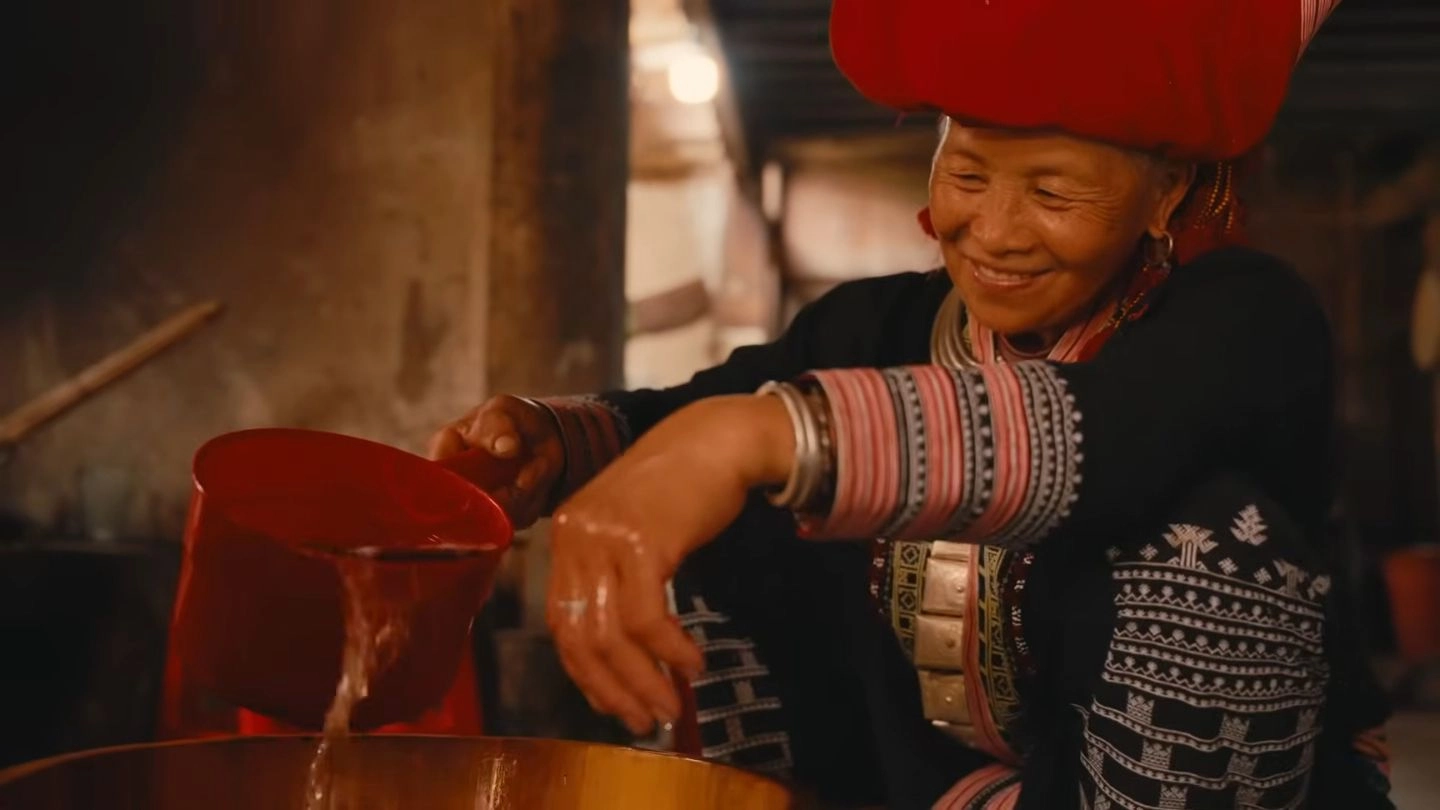
The first thing you notice is the smell — sweet, woody, a little like cinnamon left in the rain. Then the color: water the deep red of young wine, steaming in a wooden tub. A Red Dao grandmother boiled leaves for an hour to get it that way, from a recipe her mother taught her on the same hillside.
What Is a Red Dao Herbal Bath?
In Red Dao villages, the herbal bath is not a spa treatment — it is medicine. Families brew it for aching joints after harvest and for warming the body through Sapa’s freezing winters. Its most famous use is for new mothers: Red Dao women traditionally take herbal baths in the week after giving birth to rebuild their strength.
Tourism found the tradition later and built spa menus around it. The good news: done properly, the bath you get in town is the same brew — same plants, same method, same wooden tub. This guide covers how it is made, what a session feels like, where to get a real one, and who should skip it.
What’s in the Water
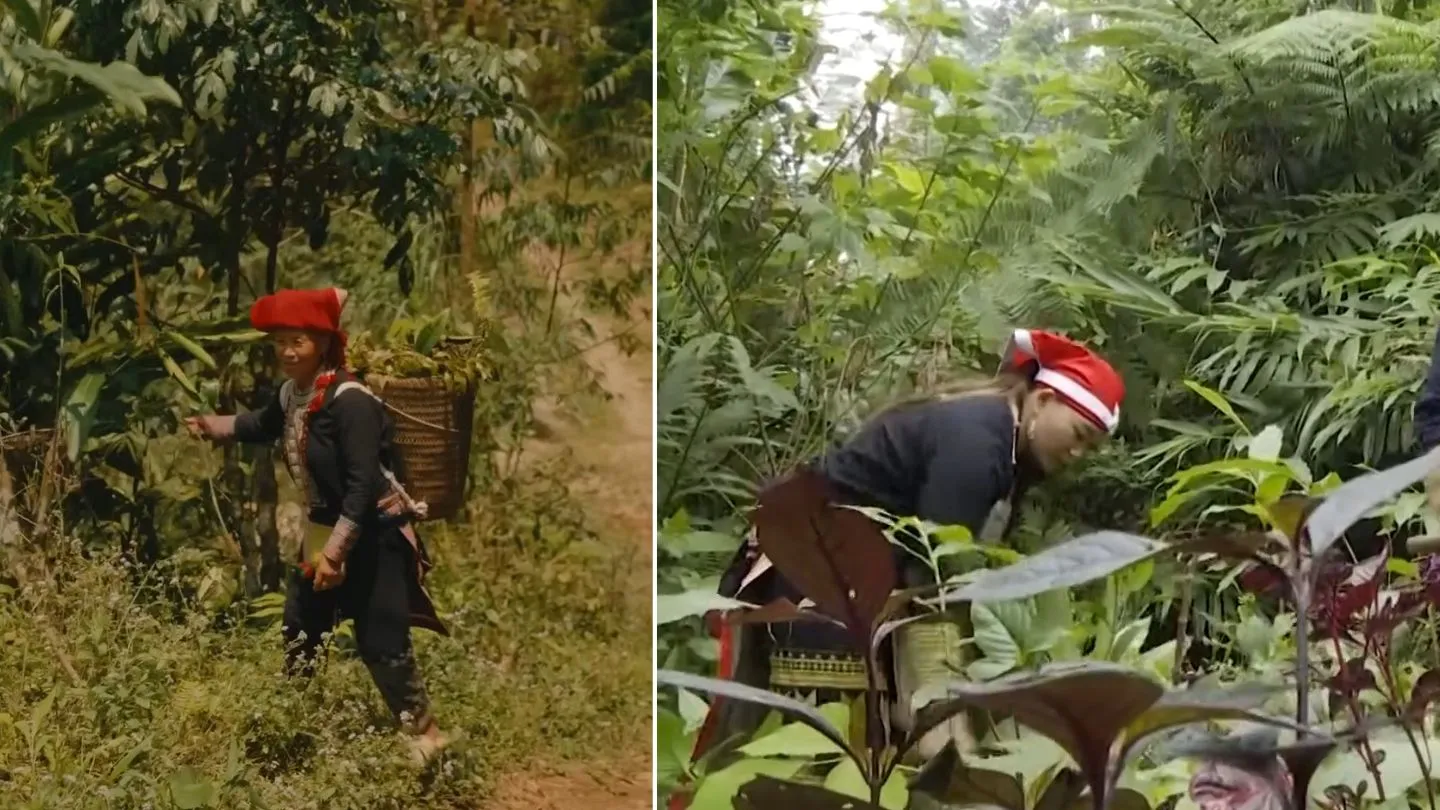
A proper bath uses at least ten plants, often many more: elderberry, Vietnamese balm, fig leaves, wild pepper leaves, bur-reed, tropical dogwood, cinnamon among them. Every family guards its own mix — which hillside, which season, which leaf picked young or old. That is why no two baths smell quite alike, and why the recipe passes from mother to daughter rather than from any book.
The tub matters as much as the brew. Traditional tubs are carved from Pơ mu wood — a fragrant local cypress — and the hot water pulls an earthy scent from the wood itself. Herbs above, cypress below: half the therapy is simply breathing.
How It’s Made
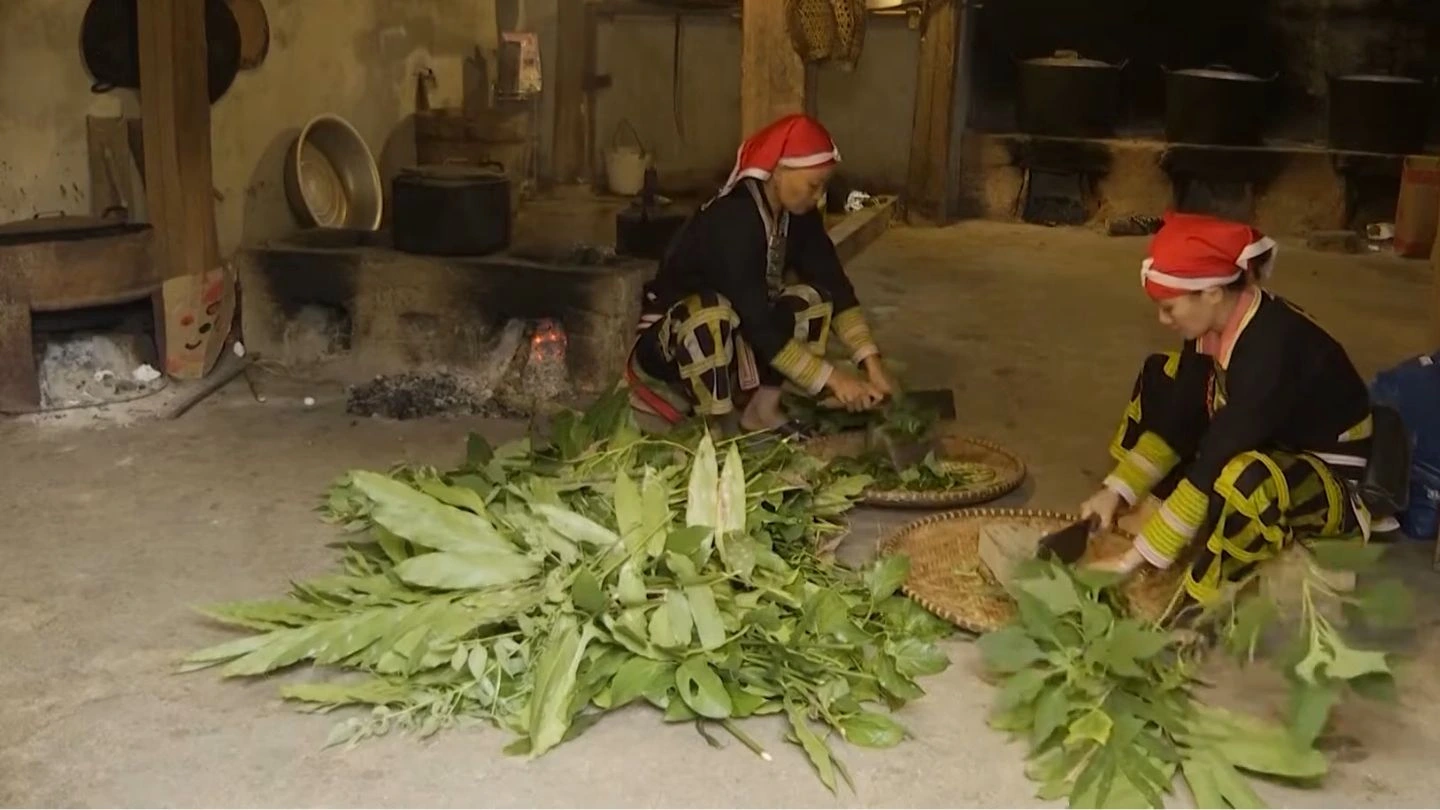
The stems and leaves are chopped and dried in the sun, then boiled — about 30 minutes at the spa, often longer over a village wood fire.
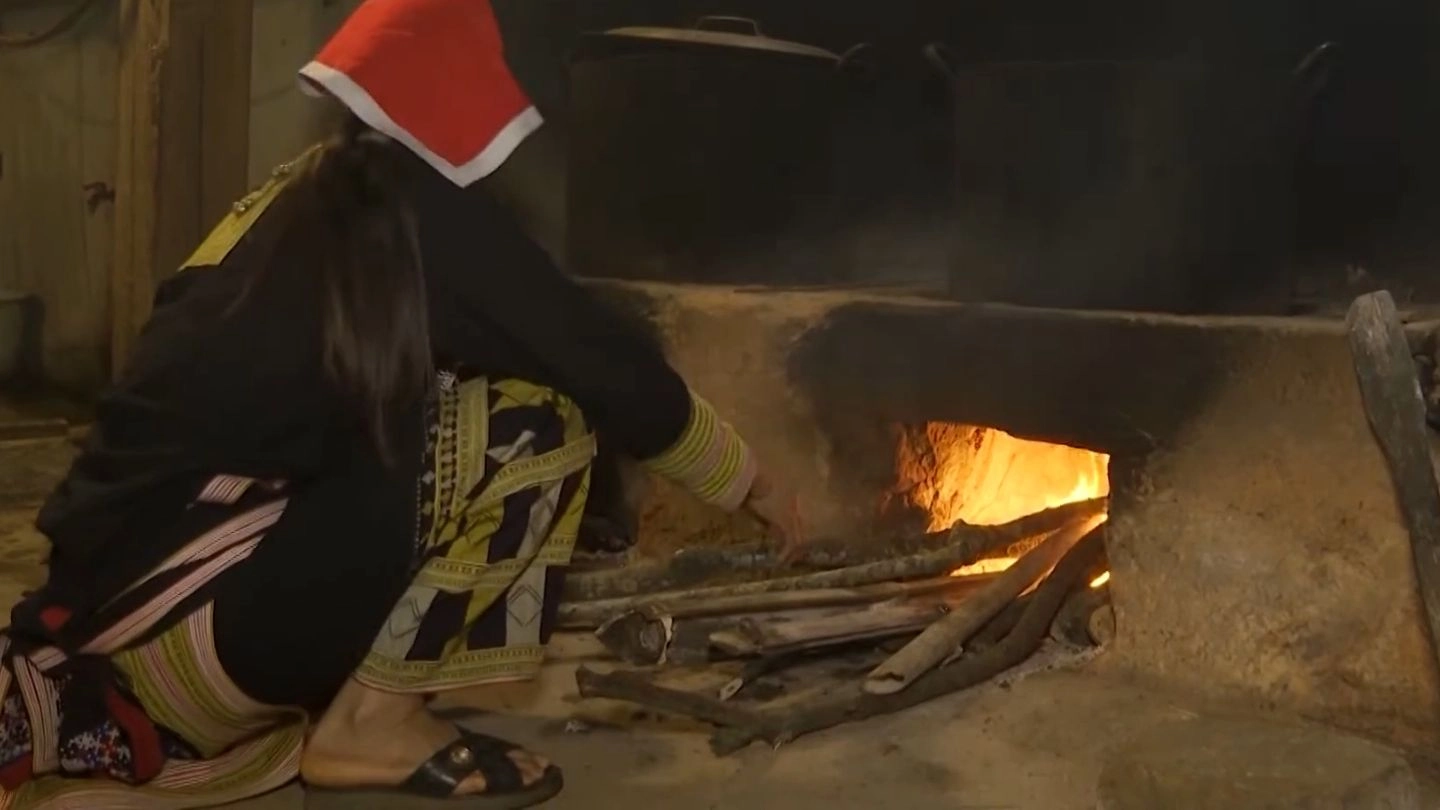
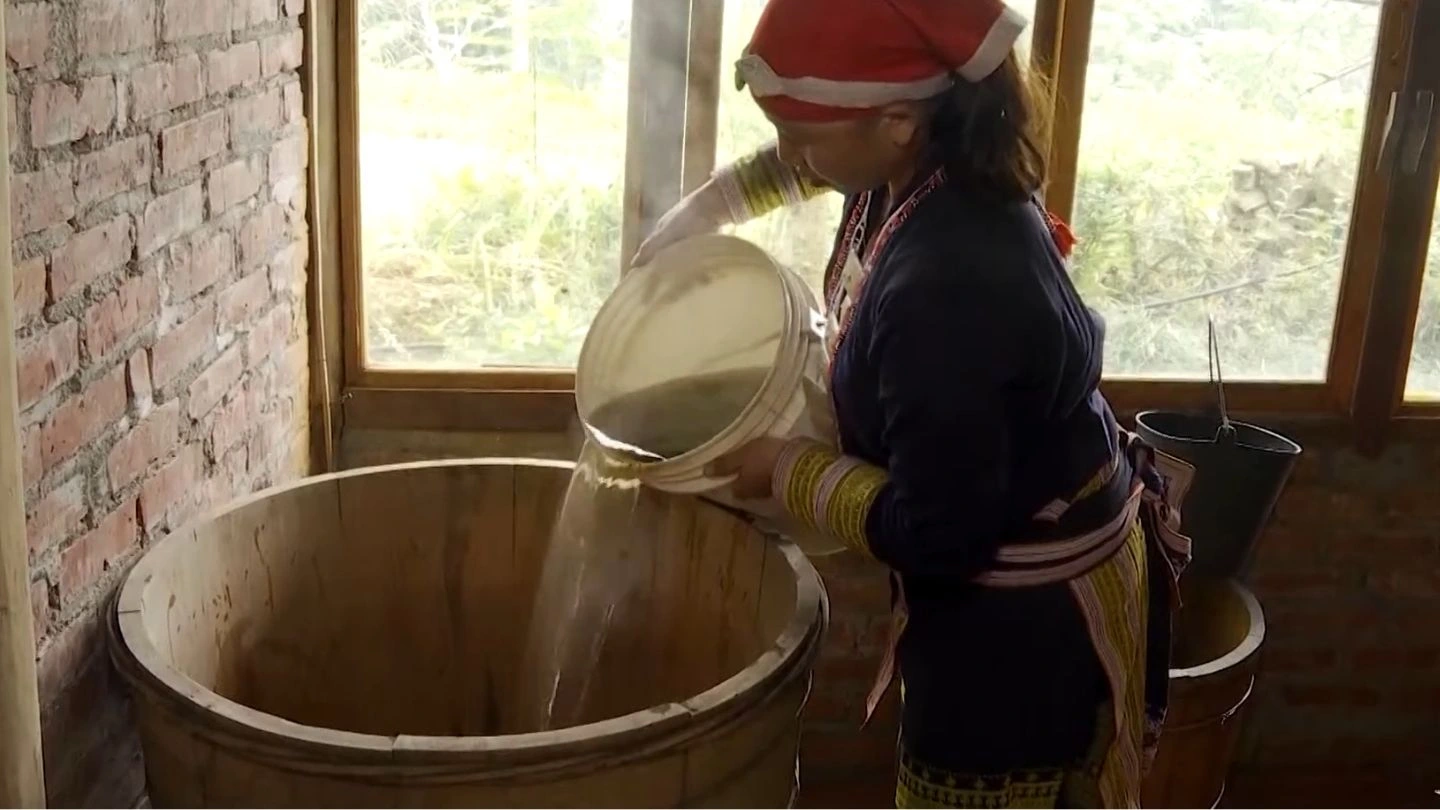
As it cooks, the water turns wine-red, and the whole room smells of it. The brew is poured into the tub and cooled to 37–40°C (99–104°F): hot enough to open you up, not hot enough to hurt.
What a Session Feels Like

You get a small private room, thick with herbal steam. Lower yourself in slowly — the first minute feels too hot, then exactly right. Scoop water over your shoulders, or just lie back. Most places pour you a glass of warm tea. Sessions run 20–30 minutes; if you are short on time, many spas offer the same brew as a strong foot soak.
Afterwards, sit for five or ten minutes before dressing — the heat can leave you pleasantly woozy. Drink water. And do not rinse off: the herbs keep working on your skin after you towel down.
From our guides: on treks that end in Ta Phin, the bath is what guests mention in reviews afterwards — more than the views. Legs go in aching, come out quiet.
Where to Try Red Dao Herbal Bath?
Most spas in Sapa offer the traditional Red Dao herbal bath, so it’s worth comparing a few before deciding where to unwind. These are five spas we’ve visited ourselves, each with something worth coming back for.
| Where | Price (approx.) | What you get |
|---|---|---|
| Ta Phin village homes | 80.000–100.000 VND ($3–4) | The original: wood-fire brew, family tubs, ~40 households offer it |
| Massage Thao Nguyen (147 Thach Son) | ~150.000 VND ($6) | Our in-town pick — proper brew, local crowd |
| Sapa Summit (17 Fansipan) | ~520.000 VND ($20) for 90 min | Bath + full-body massage combo, private rooms |
| La Dao Spa & Coffee House (Ta Van) | mid-range | Bath + valley views + café; make it a half-day trip |
| Dao Spa at Pistachio Hotel | hotel pricing | Fresh-brewed daily, most convenient if staying central |
Ta Phin village is where the tradition lives — about 12 km from Sapa town, a 30–40 minute drive or a beautiful day-trek away. The herbs are boiled over wood fires, and you bathe in a family home, not a spa. It is the cheapest bath on this list and the one you will remember.
The classic way to do it: walk there. Our one-day trek runs through Suoi Ho and Ma Tra villages and ends in Ta Phin — bath optional but strongly advised:


What the Bath Is Good For
Red Dao medicine credits the bath with easing sore muscles and joints, warming the body, improving circulation, and settling the mind for sleep. One soak after a trek makes the muscle part easy to believe. Bathers also swear by it for the skin: the herbal brew leaves it soft without any soap.
The deepest tradition is postpartum care: a course of baths to help new mothers recover, still practiced in Red Dao families today. We will not promise medical miracles — but this is a remedy that survived centuries of cold mountain winters for a reason.
Before You Soak – Who Should Be Careful
The bath is hot and strong. A few honest rules:
- Heart conditions or high blood pressure: skip the full bath — the heat raises your heart rate. Ask for the foot soak instead.
- Pregnancy: not recommended — the heat and herbs can trigger contractions.
- Open cuts, skin infections, or allergies: sit this one out.
- Timing: not on an empty stomach, and not right after a big meal.
- Limits: stay in 20–30 minutes, no longer. Drink water before and after.
- Listen to your body: dizzy or uncomfortable — get out, rest, no heroics.
FAQs
How much does a Red Dao herbal bath cost?
Around 80.000–100.000 VND ($3–4) in Ta Phin village homes, and roughly 150.000 VND ($6) at simple spas in Sapa town. A 90-minute bath-plus-massage combo runs about 520.000 VND ($20). Hotel spas charge more.
Is it better in Ta Phin village or at a spa in town?
Ta Phin is the authentic version — wood-fire brew in a family home, and the cheapest. Town spas win on convenience, privacy, and combos with massage. If you have half a day, go to Ta Phin; if you have an evening, book in town.
Do I need to book, and what should I bring?
Walk-ins work on weekdays; book a day ahead on weekends. Bring nothing special — towels are provided. Take off jewelry first, as the brew can stain silver, and plan a quiet hour afterwards rather than a big dinner.
What are the benefits, according to tradition?
Red Dao families use the bath for muscle and joint pain, cold-weather protection, better sleep, and skin care. Its most important role is postpartum recovery — women traditionally bathe in the week after childbirth to regain strength.
Can pregnant women take a Red Dao herbal bath?
No — the heat and strong herbs are not considered safe during pregnancy. Choose a gentle massage or the herbal foot soak instead, and tell the spa you are expecting.
One last thing. When your Red Dao herbal bath arrives wine-red and smelling of the forest, remember it started as a walk up a hillside — someone’s grandmother deciding which leaves were ready. Climb in, breathe, and let the mountain do what it has done for Red Dao families for generations.
Related Tours & Transport
