


 Sapa Tours & Activities
What Is Sapa Famous For? A Local Guide to Its Best Attractions (2026)
What is Sapa famous for? Ask ten travelers and you get the same first answer — the terraces — and nine different seconds. This is the full list: fourteen things that built Sapa’s name, from the roof of Indochina down to a bowl of thắng cố.
What is Sapa Famous For? 14 Signature Experiences
Fourteen experiences, in the order we would send a first-timer to find them:
1. Reach the Summit of Mount Fansipan

Fansipan — the Roof of Indochina at 3,147.3 m — is the headline. The two-day climb earns it the hard way; the summit complex at the top rewards either route.
Another quick way to conquer this famous mountain is by taking the Fansipan cable car. This is the world’s longest three-rope cable car system. In just 20 minutes, you can reach the summit, enjoying panoramic views of the surrounding mountains and valleys.
2. Explore Muong Hoa Valley
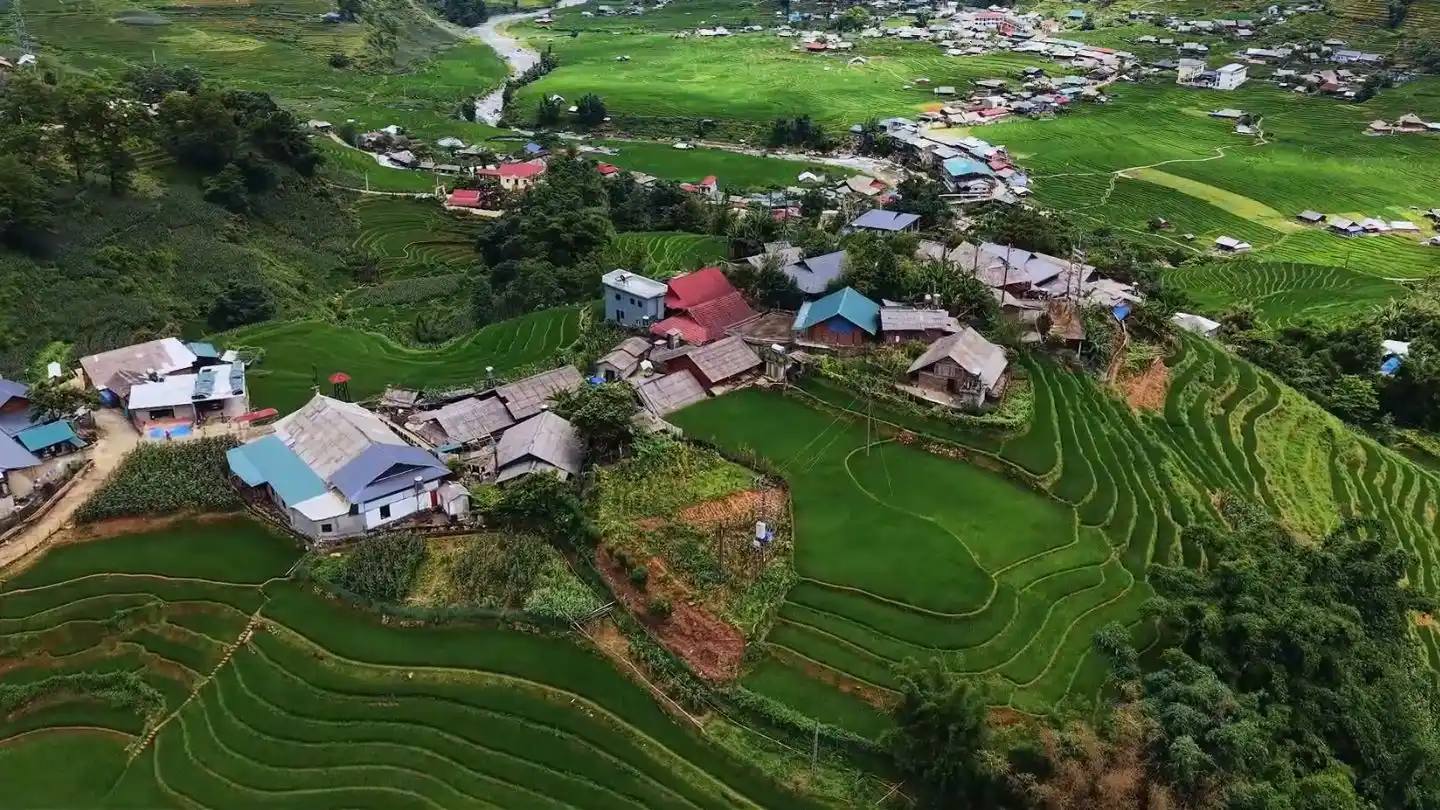
Muong Hoa Valley is such a peaceful place to visit. Picture lush rice terraces, rivers, and tiny local villages. The valley is home to several ethnic groups, like the H’mong and Dao, and you can learn so much about their culture. It’s the perfect spot for a relaxing walk and a taste of authentic Sapa.
3. Conquer the Views from Ham Rong Mountain

If you want the best views in Sapa, Ham Rong Mountain is the place to go. The hike up is totally worth it for the panoramic views of Sapa’s valleys, rice fields, and the town below. Plus, the mountain has some beautiful gardens along the way, making it a peaceful spot to relax and take it all in.
4. Feel the Power of Sapa’s Waterfall

If you’re heading to Sapa, don’t miss Silver Waterfall and Love Waterfall. Silver Waterfall is loud and powerful – super refreshing! Love Waterfall is calmer and surrounded by green trees. Both are great for a little adventure, snapping photos, or just enjoying the peaceful sound of flowing water.
5. Wander Through the Beautiful Sapa Villages

- Ta Phin Village: This village is known for its Red Dao culture, colorful clothes, and herbal baths. You can meet locals, visit ancient ruins, and learn how they make traditional crafts.
- Ta Van Village: Ta Van is peaceful and surrounded by rice fields and rivers. It’s home to the Giay people and a great spot to stay in a homestay and enjoy village life.
- Sin Chai Village: Less touristy than others, Sin Chai gives a quiet look into local life. The scenery is worth the detour, and you’ll see farmers working in fields with a backdrop of green mountains.
- Cat Cat Village: Just a short walk from Sapa town, Cat Cat is perfect for exploring old wooden houses, waterfalls, and craft shops. It’s a mix of beauty, culture, and photo-worthy spots.
6. Walk the Glass Bridge

Want a little thrill? Try the glass bridge in Sapa! It’s high up and see-through, so you can look straight down into the valley below — a bit scary but very cool. The views from up there are amazing. You’ll see mountains, forests, and the whole landscape stretch out before you.
7. Marvel at the Terraced Rice Fields of Sapa

The terraced rice fields in Sapa are famous for a reason — they are the most photographed thing in northern Vietnam. The hills look like giant green (or golden) steps, depending on the season. Farmers grow rice in these layers, and it’s a great place for photos or just soaking in the peaceful mountain vibe.
8. Admire Sapa’s Historic Stone Church

Right in the heart of Sapa is the old Stone Church (Notre Dame Cathedral Sapa). Built by the French, it’s a peaceful, beautiful place to visit. The stone walls and classic design give it a timeless look. It’s especially lovely around sunset, when the light makes everything glow. A perfect stop during your walk around town.
9. Shop and Explore the Colorful Ethnic Market

Sapa’s market is full of colors, sounds, and life. You’ll find handmade clothes, scarves, and souvenirs made by local ethnic groups. People sell fruits, vegetables, and tasty snacks too. It’s a great place to meet locals, take fun photos, and buy something special to remember your trip.
10. Drive Across the Scenic O Quy Ho Pass

O Quy Ho Pass is one of the most beautiful mountain roads in Vietnam. As you drive along, you’ll see tall mountains, deep valleys, and clouds floating by. The view is amazing, especially at sunset. It’s a great place for a road trip or to stop and take pictures.
11. Taste Sapa’s Delicious Local Cuisine

Sapa has many delicious local dishes that reflect the culture of the mountains. One special dish is thắng cố, a traditional stew made with horse meat and herbs — bold and full of flavor. You should also try Sapa’s fresh salmon, often cooked in hotpot or grilled.
Another tasty option is lợn cắp nách, a small pig roasted until the skin is crispy and the meat is tender. For something simple, enjoy cơm lam — sticky rice cooked in bamboo. And don’t miss the Sapa street food: grilled skewers, corn, eggs, and local veggies like cải mèo.
12. Stroll Around the Peaceful Sapa Lake

Sapa Lake is right in town and perfect for a quiet walk. The water is calm and reflects the sky and surrounding trees. You can sit on a bench, watch locals fish, or just enjoy the peaceful vibe. It’s a lovely spot to relax and take a break.
13. Visit the Charming Sun Plaza

Sun World Fansipan Legend stands out with its bright yellow walls and European-style design. It’s not just pretty — inside, you’ll find shops, cafes, and the station for the Fansipan cable car. The building is a popular photo spot, and it adds a bit of city charm to Sapa’s natural beauty.
14. Find Peace at Ta Phin Monastery

Ta Phin Monastery, located about 9 kilometers from Sapa, is a quiet yet fascinating historical site. Built in 1942, it was meant to house a group of Catholic nuns sent by the French, but the building was never finished, and the nuns eventually moved away. Today, its weathered walls and partly ruined structure give it a mysterious charm. Blending French and Vietnamese architectural styles, the monastery sits among beautiful rice terraces and hills.
How To Get To Sapa?
Getting here is the easy part — the options from Hanoi, side by side:
| Mode of transport | Details | Booking |
|---|---|---|
| Train | Take an overnight train from Hanoi to Lao Cai, then a bus or taxi to Sapa (1 hour). | Book Now |
| Bus | Several buses run from Hanoi to Sapa, taking about 5-7 hours. | Book Now |
| Private car | Hire a private car or taxi from Hanoi to Sapa, taking about 5-6 hours. | Book Now |
Conclusion
So, what is Sapa famous for? Terraces you can walk through, a summit you can reach before lunch, four cultures at one market, and air that makes Hanoi feel like another climate. Fourteen answers — and the honest fifteenth is that they are better together than apart.
→ Convinced? Time your trip with the best time to visit Sapa guide.
FAQs
What are Sapa’s top rated attractions?
Sapa is loved for its misty mountains, rice terraces, ethnic villages, scenic passes, and peaceful natural beauty.
Is Sapa, Vietnam worth visiting?
Yes — for the landscapes, cool climate and living ethnic culture. The full case: our Is Sapa worth visiting guide.
What to do in Sapa other than Fansipan?
Besides Fansipan, you can visit Muong Hoa Valley, Cat Cat Village, O Quy Ho Pass, Silver Waterfall, and enjoy relaxing walks around Sapa town.
Related Tours & Transport
