


 Sapa Tours & Activities
Sapa or Hanoi: Mountains or City – Which Is Better?
Sapa vs Hanoi is not really a fight — they are opposite answers to the same holiday. Sapa gives you mountains, terraces and quiet; Hanoi gives you history, street food and a pace that grows on you. Most travelers do both. If you must pick one, this guide settles it by what you want from the trip.
| Aspects | Sapa | Hanoi |
|---|---|---|
| Vibe | Peaceful mountain town, cool weather, slow travel | Capital-city energy, non-stop street life |
| Nature & Scenery | Terraced rice fields, misty mountains, waterfalls, Fansipan Peak | Lakes, parks, tree-lined boulevards, urban landscapes |
| Culture | Rich ethnic heritage (H’Mong, Red Dao, Tay), homestays, local crafts | Deep Vietnamese history, French colonial charm, Old Quarter |
| Food | Unique highland flavors (thắng cố, grilled mushrooms, Sapa salmon) | Famous street food hub (pho, bun cha, cha ca, egg coffee) |
| Activities | Trekking, motorbike rides, caving, ethnic markets | Museums, temples, water puppet shows, night markets |
| Best Time to Visit | Sep–Nov (golden rice harvest), Mar–May (cool trekking) | Oct–Apr (pleasant weather, less humid) |
| Accessibility | 5–7 hrs from Hanoi by bus/train/car | International airport, main transport hub of Vietnam |
| Budget (mid-range) | $25–50/day (homestay, trekking tours) | $30–60/day (hotel, food, attractions) |
| Best For | Nature lovers, adventure seekers, cultural immersion | First-time visitors, foodies, history & culture explorers |
Overview of Hanoi vs Sapa
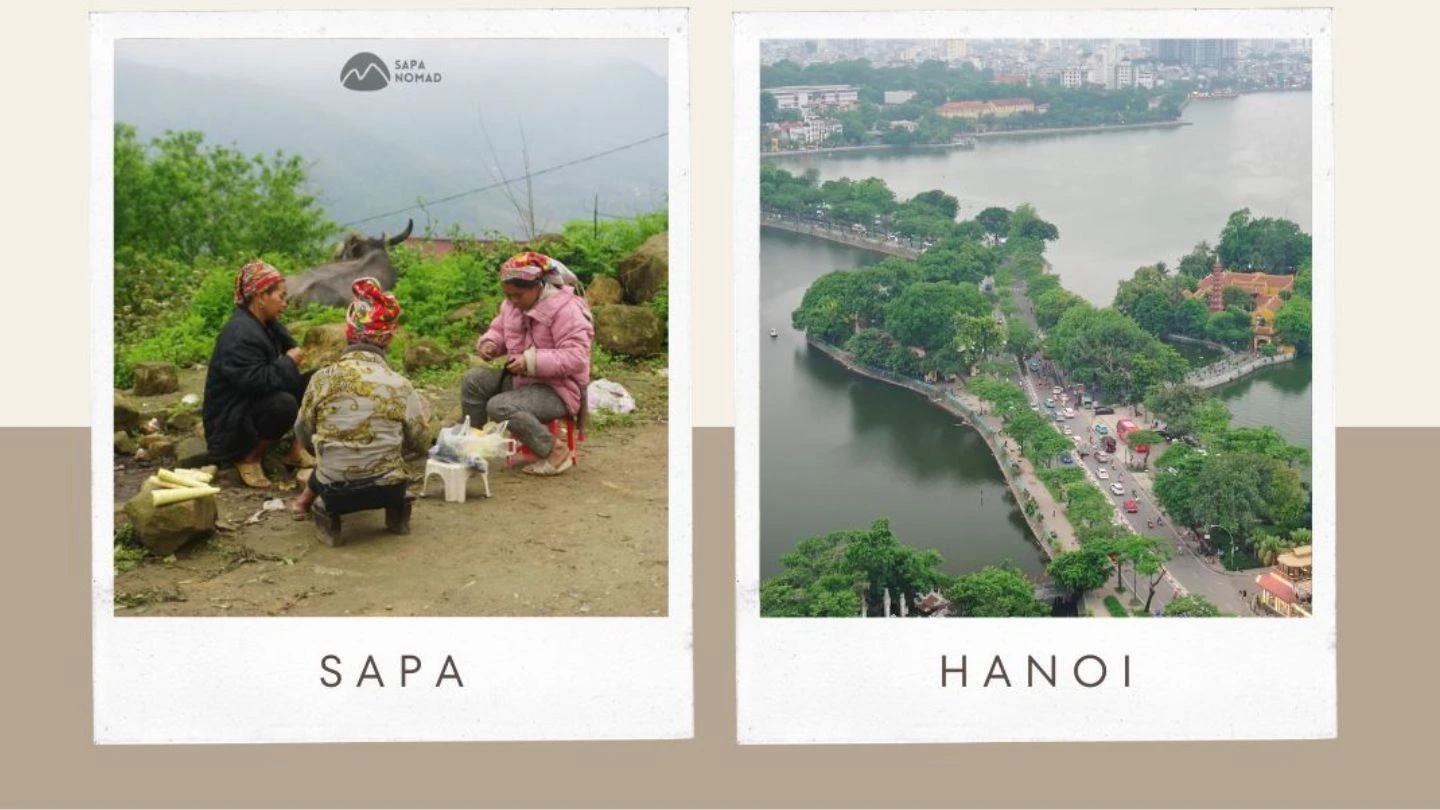
Hanoi runs on momentum — scooters weaving past thousand-year-old temples, pho steaming on every corner, lakeside cafes built for watching it all go by. French colonial bones, modern buzz, and more food and history than any single week can hold.
Five hours up the road, Sapa plays by different rules. At 1,500 m, the air cools, the streets tilt, and the view opens onto terraces and hill-tribe villages. Where Hanoi accelerates, Sapa slows you down — homestay dinners, cold mornings, sunrise over the valley.
What Is Special About Sapa?
Sapa’s case is simple: cool air, big views, and a culture you meet on foot.
1. Terraced Rice Fields

The Vietnam rice terraces around Muong Hoa Valley are Sapa’s signature — flooded into mirrors in May–June, cut into gold from mid-August. Sunrise at Lao Chai Village is the photo people fly here for. Be on the trail by six and you will have it nearly to yourself.
2. Living Ethnic Culture

Five communities – Hmong, Red Dao, Tay, Giay and Xa Pho – share these valleys, each with its own dress, dialect and craft. Walk Ta Van or Cat Cat Village for hand-embroidered textiles and a cup of corn wine. Then sleep in a homestay — the stories come out after dinner, by the fire.
3. Epic Trekking & Outdoor Adventures

The trekking is the point here. Bamboo forest, waterfalls, misty ridgelines — and Fansipan Mountain (3,147 m), the Roof of Indochina, for anyone who wants the full climb. If that sounds like work, the Love Waterfall and Silver Waterfall trails deliver the views without the sweat.
Ready to hit the trails? These are the hiking tours our own guides run — pick the one that fits your legs.


4. Dreamy Cool Climate
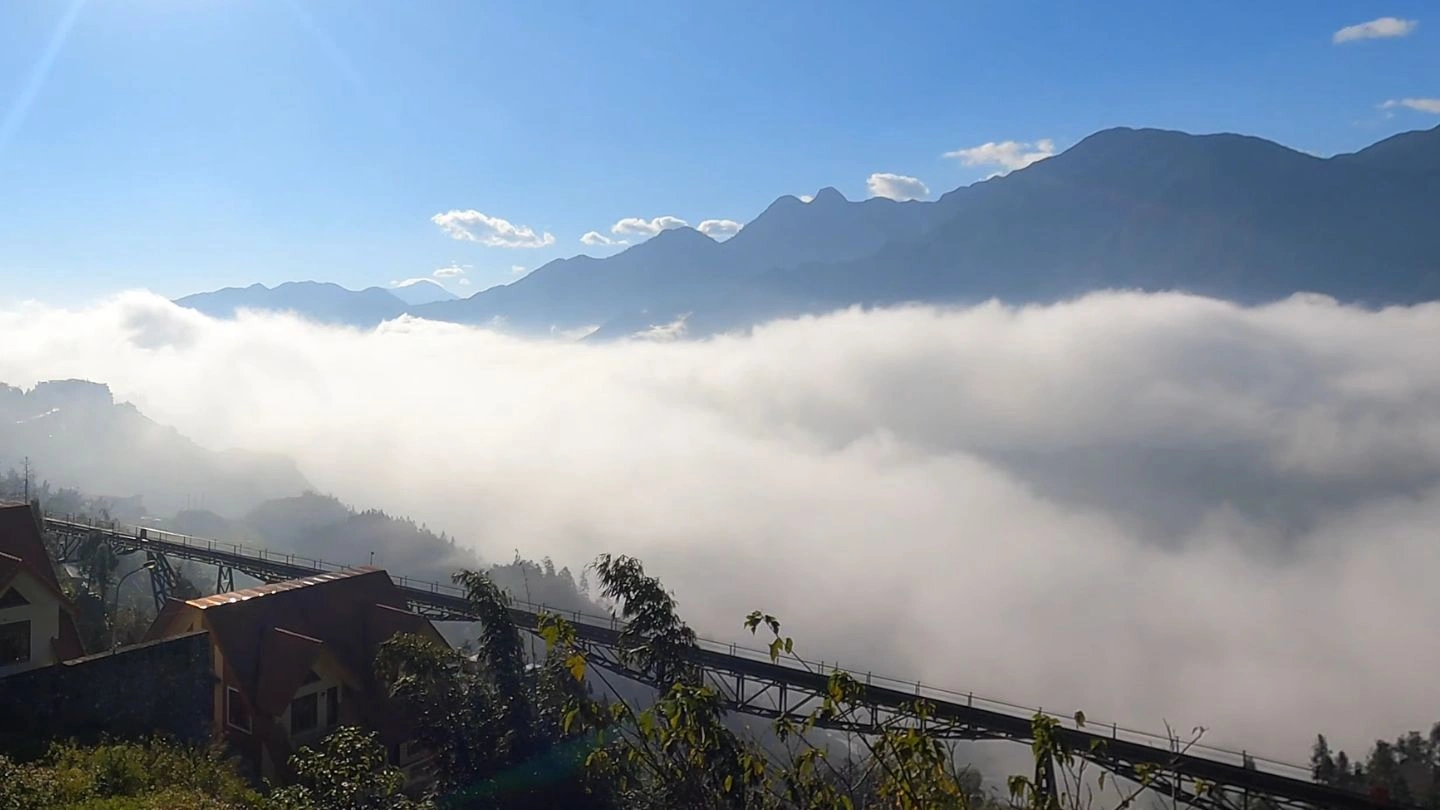
The climate does half the selling. Summer stays crisp while the lowlands cook; winter (Dec–Feb) frosts the hills and, in a lucky year, drops snow. Pack a real sweater — mornings here feel like walking through cloud.
Curious about what the weather is like in Sapa throughout the year? We’ve put together a detailed guide on best time to visit Sapa and climate to help you plan your perfect trip!
5. Hidden Waterfalls & Secret Spots – Sapa’s Untouched Beauty

Past the postcard terraces, Sapa keeps quieter corners:
- Silver Waterfall (Thác Bạc): A 200 m-tall cascade best visited May-October when water flows strongest. The nearby Tram Ton Pass offers Vietnam’s highest mountain views.
- Love Waterfall: Legend says fairies bathed here! The 1.5km forest walk is dotted with wild orchids.
Local secret: ask a Hmong guide about Ta Phin Cave — a limestone gallery of stalactites most visitors never hear of.
Practical note: a rented motorbike (~150K VND/day) or a guided Sapa motorbike tour opens all of these up. Go early — the crowds sleep in.


6. Sapa’s Unique Flavors – A Foodie’s Mountain Paradise
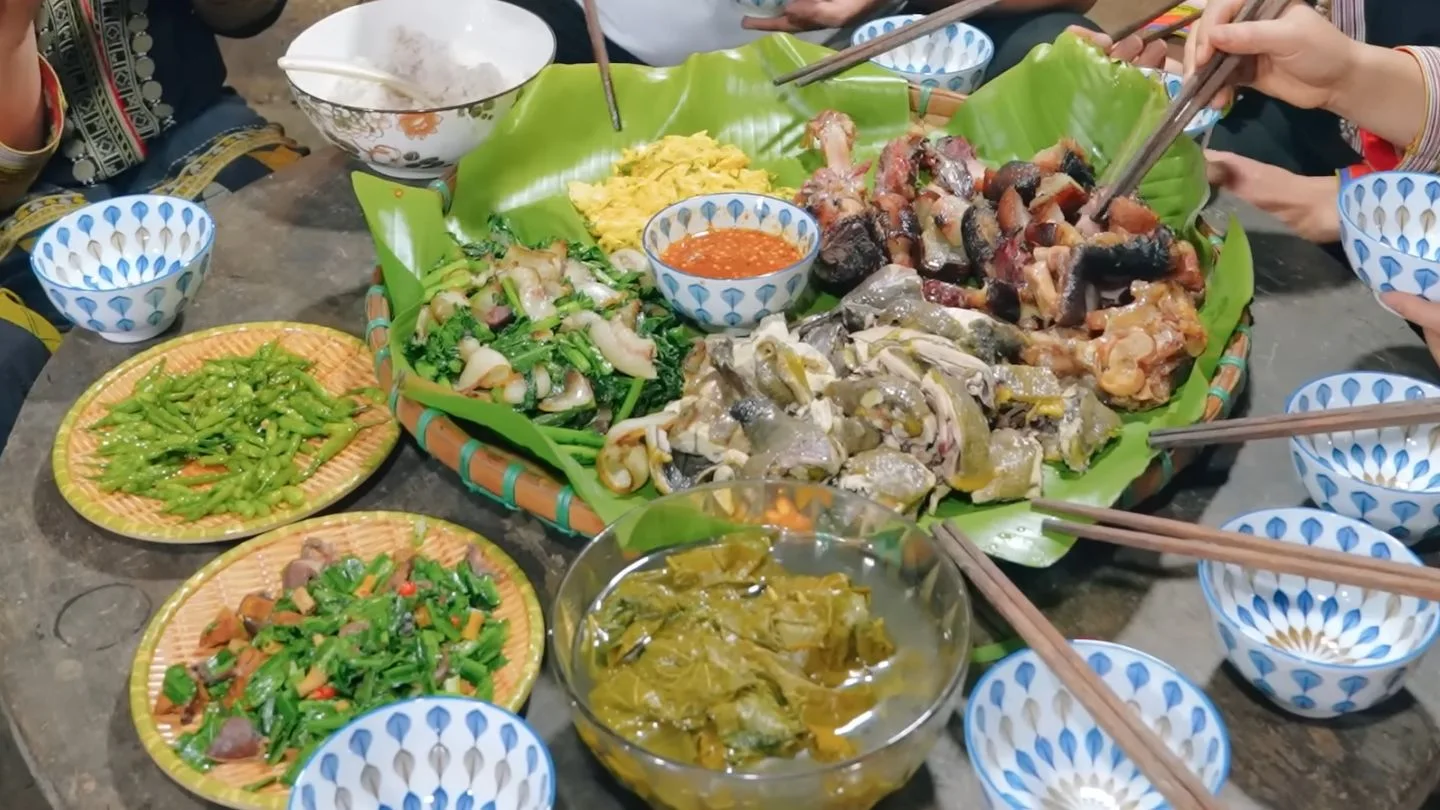
Sapa’s food is highland produce cooked through ethnic tradition:
Must-Try Dishes:
- Thắng Cố: A hearty Hmong horse-meat stew with 20+ herbs, best tried at Sapa Market (warning: strong flavor!).
- Grilled Black Mushrooms: Grown on Sapa’s oak trees, served with mac khen (wild pepper).
- Cá Hồi Sapa: Yes, cold-water salmon! Try it steamed with ginger or in hotpot.
Food Adventures:
- Sunday Bac Ha Market: Ethnic food fair with purple sticky rice cooked in bamboo tubes.
- Dining with a View: Cafe in the Clouds (gem: try their apple cider made from local fruit).
A guided Bac Ha market day handles the early start and the ordering — you just eat.


What Is Special About Hanoi?
Hanoi’s case: a thousand years of history, the best street food in the country, and a rhythm all its own.
1. Rich Historical Landmarks That Tell Vietnam’s Story

- Ho Chi Minh Complex: Beyond the iconic Ho Chi Minh Mausoleum and his simple stilt house, don’t miss the Ho Chi Minh Museum showcasing his life and legacy.
- Imperial Citadel of Thang Long: Explore the grand Doan Gate, the main entrance, and the archaeological center where ancient artifacts were uncovered.
- Hoa Lo Prison: Known as the “Hanoi Hilton,” this historic site offers a deep insight into Vietnam’s struggle against French colonialists and American forces.
Short on time? Our Hanoi day-tour strings the must-sees together so you spend the hours seeing, not navigating.


2. Authentic Northern Flavors You Must Taste

- Pho Hanoi: Famous spots like Pho Thin, Pho Bat Dan, and Pho Ly Quoc Su serve the classic noodle soup with clear, flavorful broth.
- Bun Cha: Try Bun Cha at Bun Cha Hang Manh or Bun Cha Dac Kim for the perfect mix of grilled pork, noodles, and herbs.
- Cha Ca La Vong: Another Hanoi specialty where grilled fish is served with fresh herbs, vermicelli, and a unique shrimp paste sauce.
3. Cultural Experiences That Bring Hanoi to Life
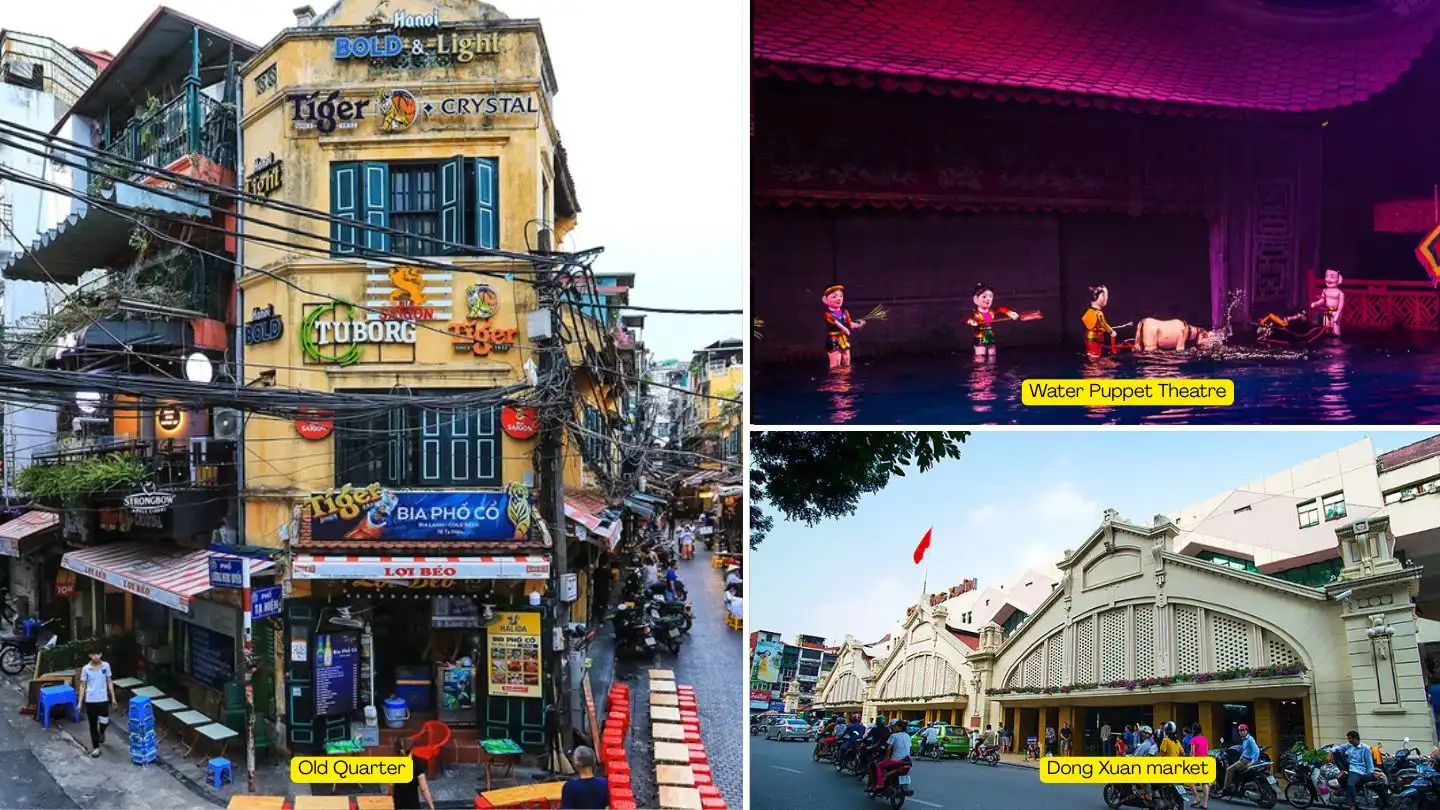
- Old Quarter: Wander the narrow, winding streets and explore Hang Gai Street, famous for its traditional silk shops and handicrafts.
- Water Puppet Theatre: Besides the Thang Long Water Puppet Theater, catch performances at the Vietnam Water Puppet Theater for more folk storytelling.
- Dong Xuan Market: The largest market in the Old Quarter, full of street-food stalls, souvenirs, and local products.
4. Lakes and Parks for Relaxation

- Hoan Kiem Lake: Take a stroll around the lake, visit the iconic Turtle Tower and Ngoc Son Temple, and cross the bright red The Huc Bridge especially beautiful at sunrise or sunset.
- West Lake: Visit the ancient Tran Quoc Pagoda by the lake or relax with a coffee at popular spots like The Note Coffee, soaking in peaceful lake views.
- Thong Nhat Park: A large green space perfect for jogging, relaxing, and joining local outdoor activities.
5. Art Scene and Contemporary Exhibitions

Hanoi’s art scene is quietly excellent — the Vietnam Fine Arts Museum for the classics, Nha San Collective for the experimental edge. One afternoon covers both.
6. Craft Villages: Where Time Stands Still

Within 30 km of the city, whole villages still work a single craft:
- Bat Trang Ceramics: Watch potters shape clay using foot-powered wheels unchanged since the Le Dynasty. Try painting cobalt blue patterns on your own creation
- Van Phuc Silk: The secret to their sheen? Double-weaving with wild mulberry-fed silkworms. Custom ao dai take 3 days with exact measurements
- Quang Phu Cau Incense: Entire streets turn crimson when drying incense sticks in spring. The bamboo-core sticks burn for precise 45-minute temple offerings
Best Time to Visit
- Sapa: Best in September–November (harvest season, golden rice fields) or March–May (cool, clear weather for trekking). Avoid peak rainy season (June–August).
- Hanoi: Most pleasant in October–April, when the weather is cooler and less humid. Summers (May–August) can be hot and rainy.
How to Get There
- Hanoi: Easy — the capital is Vietnam’s main transport hub, with an international airport and direct trains/buses across the country.
- Sapa: Located about 300 km from Hanoi. You can take a sleeper bus (6–7 hours), a train to Lao Cai + bus to Sapa (8–9 hours), or a private car (5–6 hours).
These are the operators we book for our own guests — reliable, fair value:


Typical Travel Costs (per day, mid-range)
- Sapa: $25–50 (homestay or hotel, trekking tours, meals, transport).
- Hanoi: $30–60 (mid-range hotels, street food, attractions, transport).
Sapa vs Hanoi: Which One Promises a Delightful Trip?
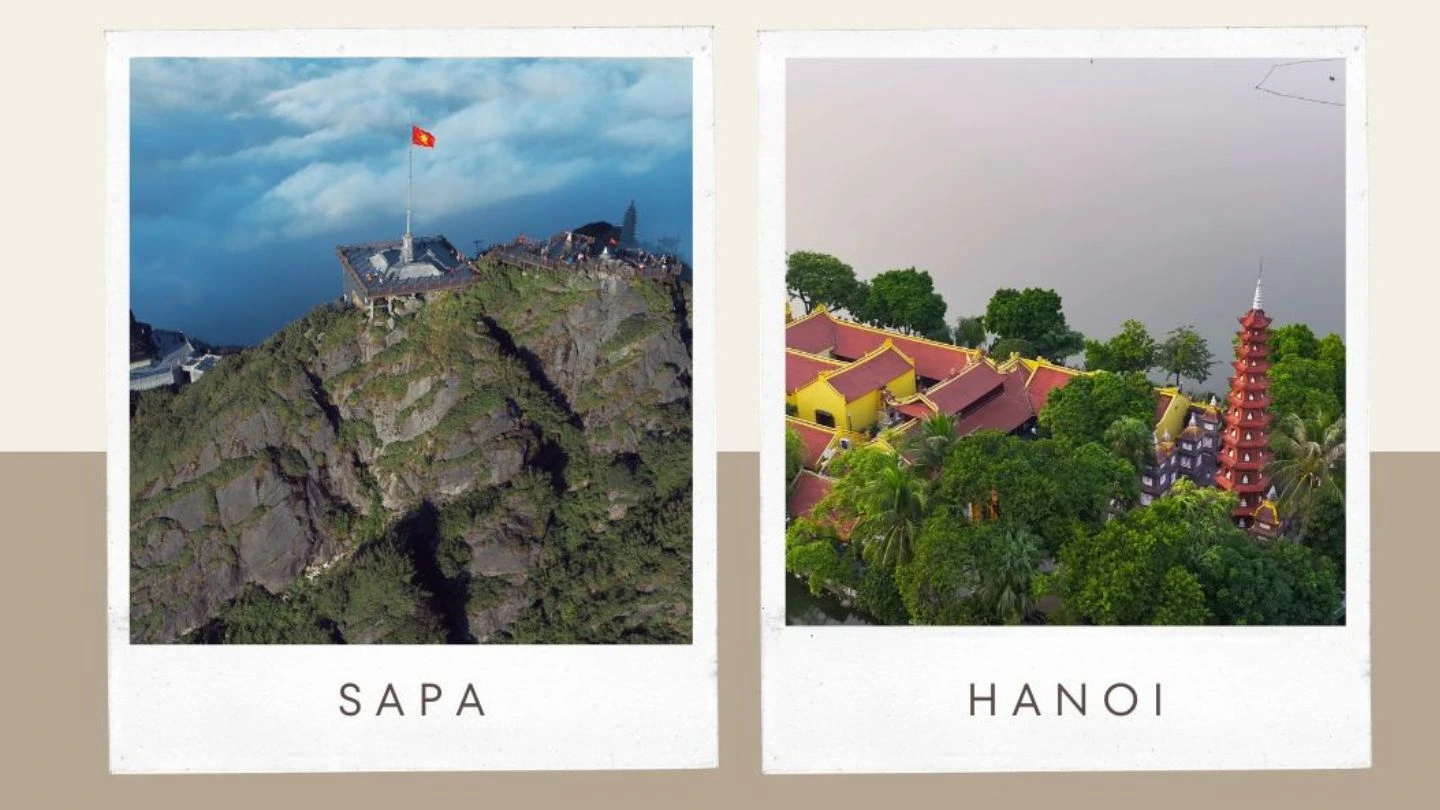
Put side by side, the choice sharpens.
Sapa is the mountain answer: terraces, cool air, living ethnic culture. Trek the valleys, sleep in Cat Cat or Ta Phin, stand on the roof of Indochina. It rewards travelers who like their days earned.
Hanoi is the city answer: a thousand years of history you can walk through, the country’s best street food, and Hoan Kiem Lake at golden hour. It rewards travelers who like their days full.
The honest tiebreaker is time. Under four days, take Hanoi and its day trips. With more, do both — the night bus makes the transfer while you sleep.
Conclusion
There is no wrong door here — only the wrong order. Hanoi is the easier landing; Sapa is the deeper breath. Given four days or more, take both and let the night train do the driving.
→ Doing Sapa? Time it right with the best time to visit Sapa guide.
FAQs
1. Which is better for first-time visitors to Vietnam?
If it’s your first trip, start with Hanoi – it’s easy to access, packed with culture and food, and a great base for other trips.
2. How many days should I spend in each?
Hanoi: at least 2–3 days to explore the city. Sapa: 2–4 days for trekking and homestays.
3. Is Sapa or Hanoi better for food?
Hanoi wins for variety and world-class street food. Sapa’s food is simpler but unique, especially dishes like thắng cố or grilled mountain pork.
4. Which is more budget-friendly?
Both are affordable, but Hanoi has more options across all price ranges. Sapa is cheaper for accommodation but tours and transport add up.
5. Can I visit both?
Yes! Many travelers spend a few days in Hanoi then head to Sapa for trekking — a perfect mix of city and nature.
Related Tours & Transport
