


 Sapa Tours & Activities
Xa Pho Ethnic Group in Sapa: The Smallest Community
Vietnam counts fifty-four ethnic groups. The Xa Pho number only a few thousand people in the whole country. Around Sapa, they live mostly in one place: Nam Sai, far south of town, past where the day-trip traffic turns around.
Small numbers, though, are not a small story.
Who they are, and where they came from
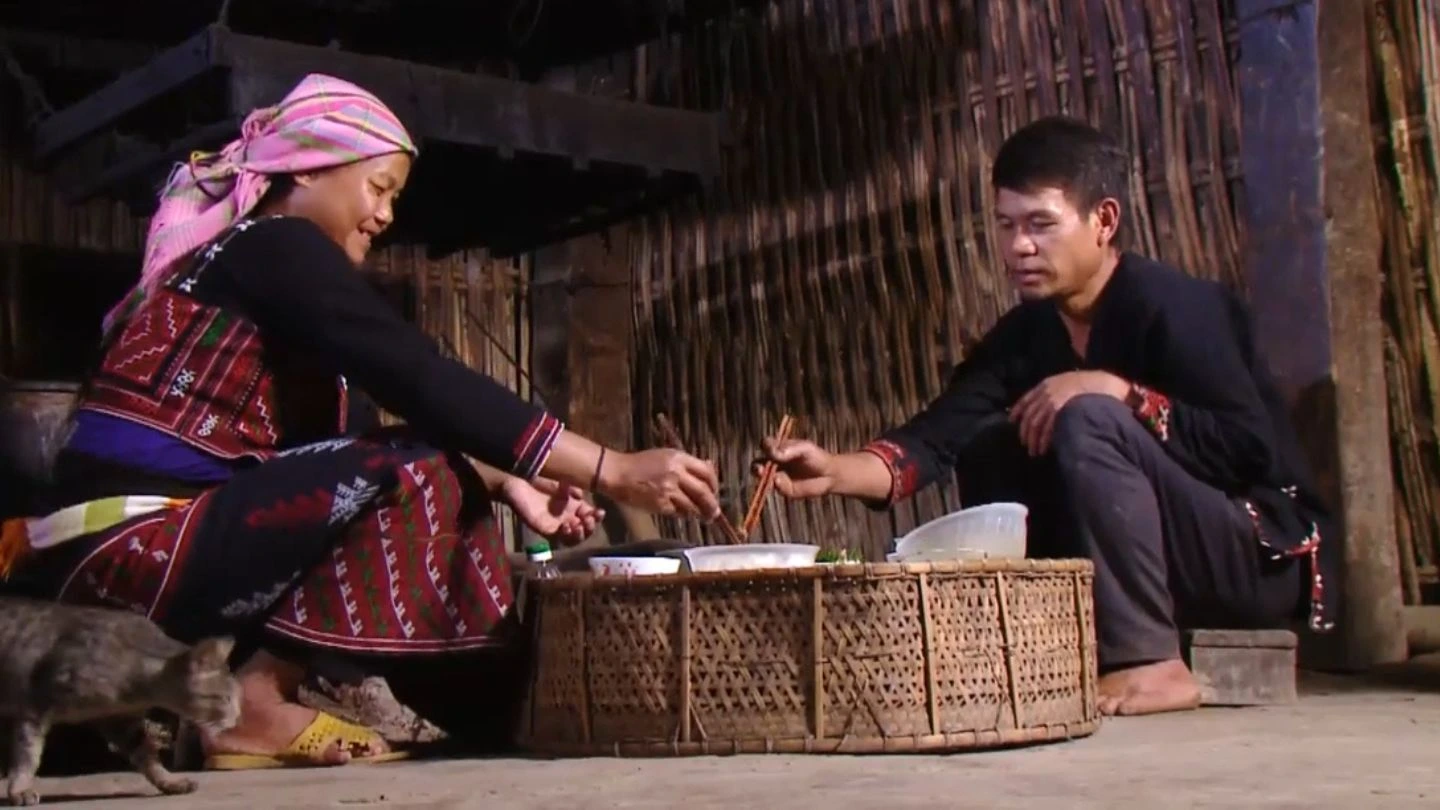
The Xa Pho reached northern Vietnam around 200–300 years ago. Where from, exactly, is still debated — some researchers point to textile patterns with echoes as far away as island Southeast Asia.
Their language belongs to the Tibeto-Burmese family, unrelated to Hmong, Dao, Tay or Giay. Locals describe it as soft and musical — like birdsong in the forest. Most Xa Pho also speak Vietnamese, but the mother tongue still carries daily life.
The beadwork dress

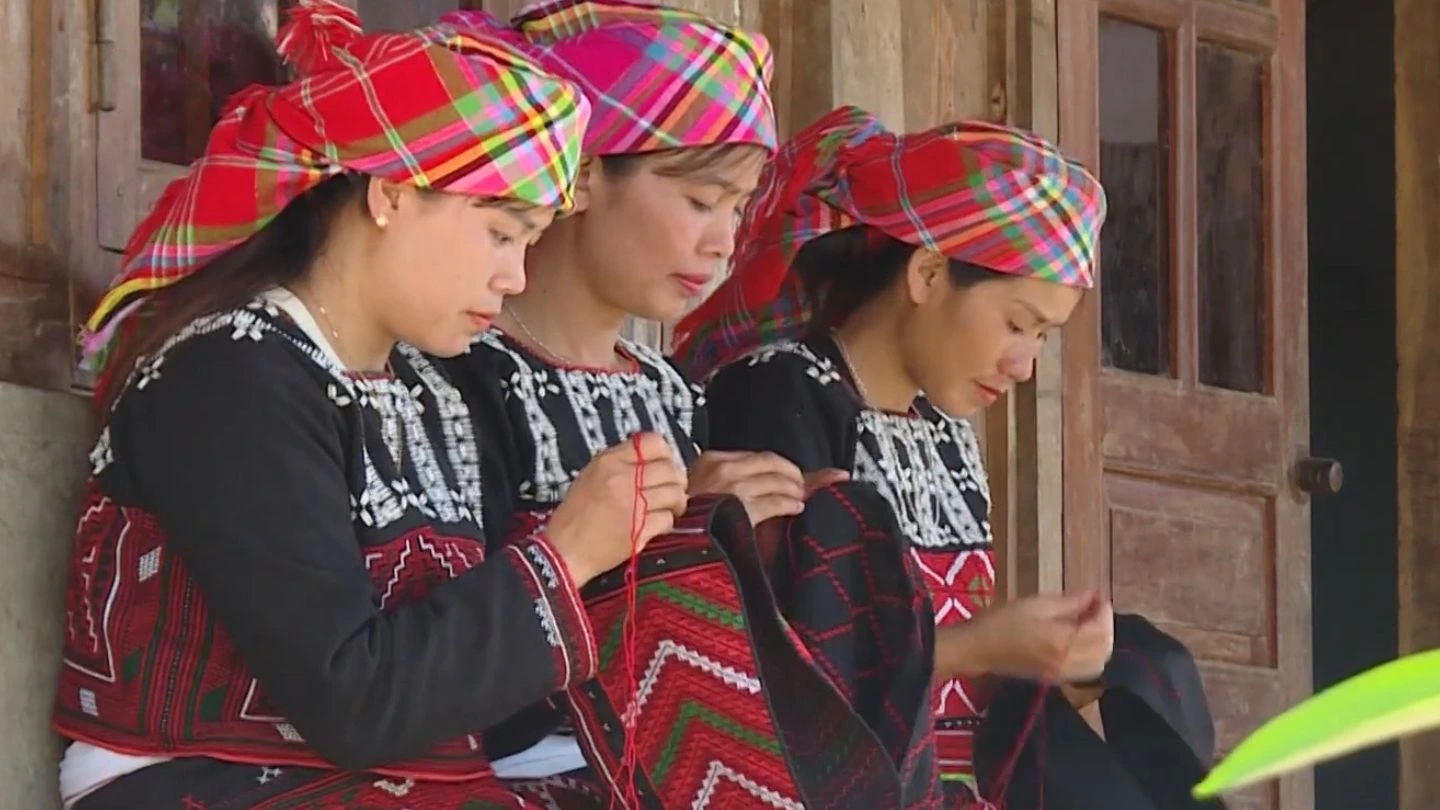
Xa Pho clothing starts in a field. The tiny pearly beads sewn across the women’s tops are seeds from a special grass, planted in February and harvested in autumn. Each one is under a centimeter long, arranged in strict symmetrical patterns.
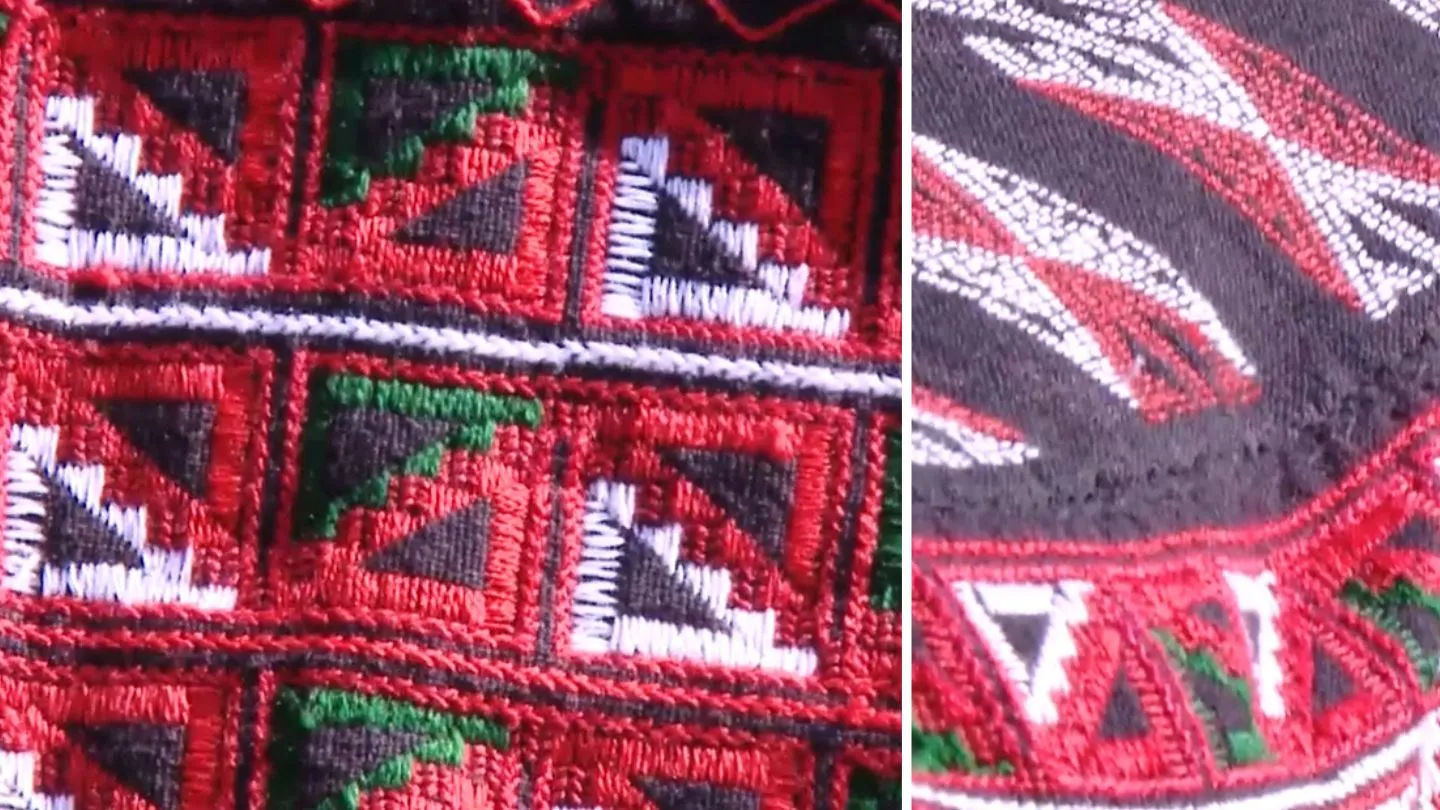
Below the beads, the embroidery tells the landscape. Zigzag lines mark buffalo trails; pine trees, mountains, pangolin scales and olive fruit follow, stitched in yellow, blue and red on the woven skirt. A white cloth belt, embroidered along both edges, finishes the outfit.
A village that shares
Xa Pho village life runs on generosity that would surprise a city visitor. Food is shared freely between households; in lean times, families gather forest vegetables together. When one house prepares meat, the whole village is welcome — no invitation needed.
They farm dry rice, corn and cassava on the hillsides, raise livestock, and weave baskets and textiles. Their houses reflect a semi-nomadic past — built half on stilts, half on the ground, furnished simply in bamboo and rattan.
Rituals from birth to farewell
After a birth, outsiders stay away — a hat or a bundle of leaves at the door is the only sign needed. Twelve days later comes the naming ceremony, and every Xa Pho person receives two names: one for daily life, one for the ancestors.
Courtship is refreshingly practical: premarital relationships are accepted, and weddings often follow the confirmation of a pregnancy. The bride sews her own wedding outfit; the groom answers with livestock and food — responsibility, stitched and fed.
At a funeral, the departed lies at the center of the home facing the family altar, with rice, chopsticks and a roasted chicken prepared for the road. The whole village walks the burial — nobody leaves alone here, not even then.
Festivals of a small village
The Xa Pho year has two anchors. Quet Lang, the village-sweeping ceremony in the second lunar month, drives out bad spirits and invites in a healthy year. The Rice Soul ceremony asks for a full harvest, and smaller rituals honor the spirits of forest, river and stream.
Dates shift with the lunar calendar — the Sapa festival calendar keeps the current ones.

Worth the long trip?
FAQs
How many Xa Pho people are there?
Only about 3,000–4,000 in all of Vietnam, making them one of the country’s smallest ethnic groups. Around Sapa they live mainly in the Nam Sai area, south of town.
What language do the Xa Pho speak?
A Tibeto-Burmese language — completely unrelated to Hmong, Dao, Tay or Giay. Most Xa Pho also speak Vietnamese.
What is special about Xa Pho clothing?
The beadwork: tiny pearly seeds from a grass the Xa Pho plant themselves, sewn into symmetrical patterns on dark cotton. The skirts carry embroidered motifs of buffalo trails, pine trees and mountains.
Can tourists visit Xa Pho villages?
Yes, but it takes intent — Nam Sai is a long drive or a proper trek south of Sapa, with far fewer services than Ta Van or Cat Cat. Go with a guide, bring cash, and expect genuine hospitality rather than tourist infrastructure.
→ See where the Xa Pho fit among Sapa’s five ethnic groups.
A few thousand people, one valley, and a dress you will not see anywhere else on earth. Small numbers. Long memory.
Related Tours & Transport
