


 Sapa Tours & Activities
 Transport Hanoi – Sapa
 Other Routes
 Vietnam Day Tours
 Sapa Guide
Sin Cheng Market: Sapa’s Furthest Wednesday Market
It is barely light. A line of Nung women climbs the last switchback on foot, loads roped high on their backs. Ahead, woodsmoke and the low complaint of buffalo waiting to be sold.
What the market is like
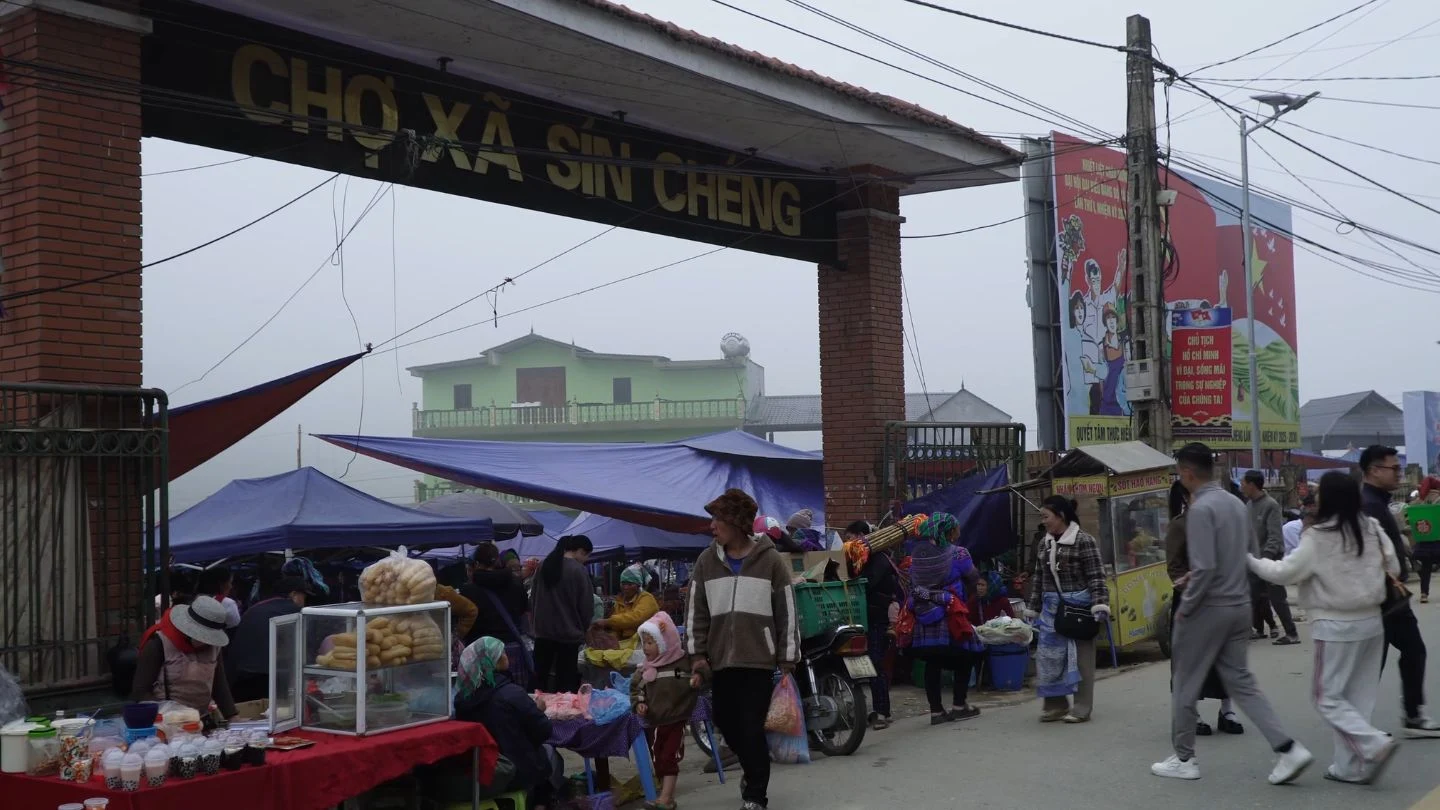
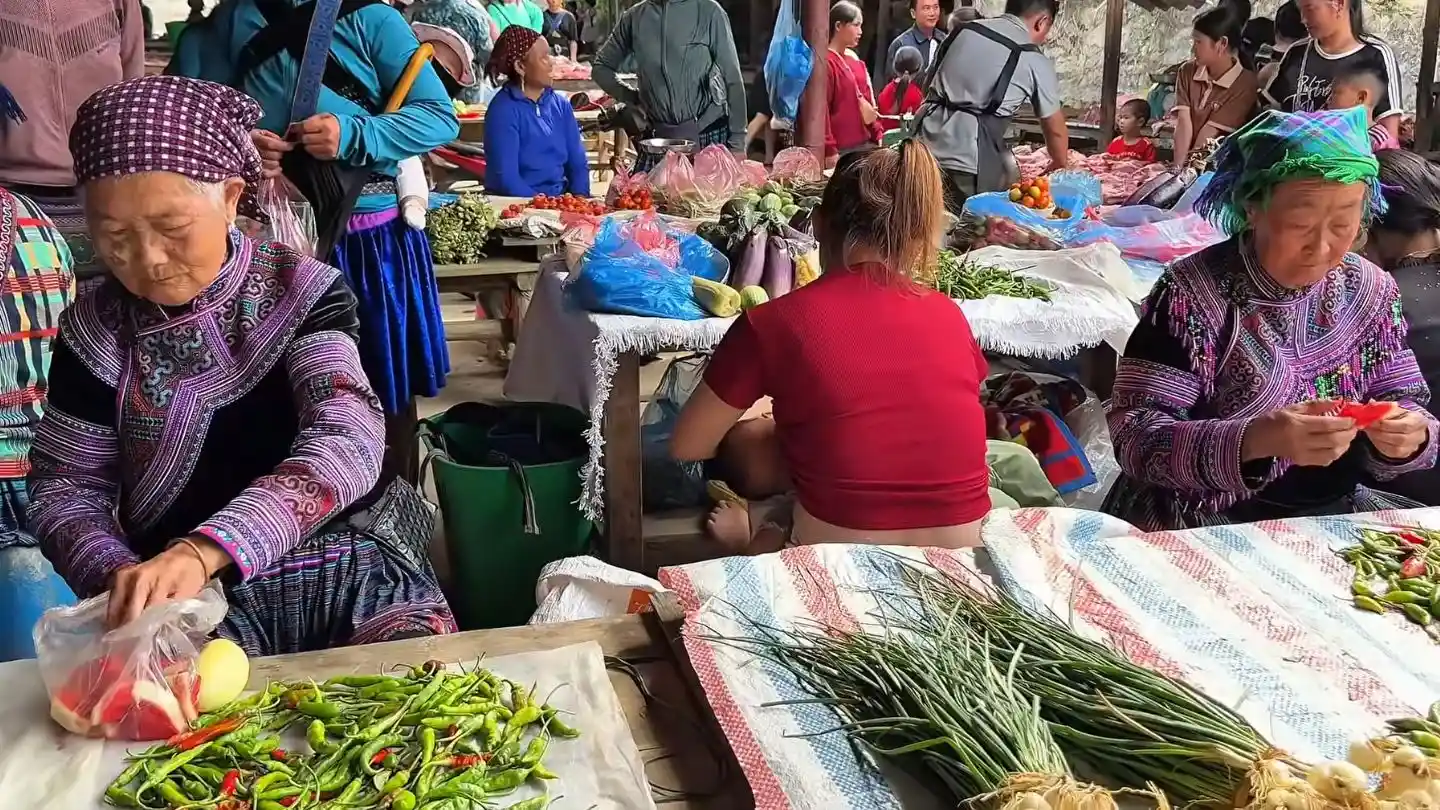
This is a market locals come to for buying and selling, not for visitors. Hmong, Tay, Nung, Thu Lao and Giay traders fill the lanes from first light, their dress the brightest thing against the grey morning. Few outside faces appear among them.
The livestock pens hold most of the noise, while families crouch over bowls of broth nearby. The trade is unhurried but constant. You notice small things: the clink of silver, a basket lined with fern, mud drying on every boot.
What to buy
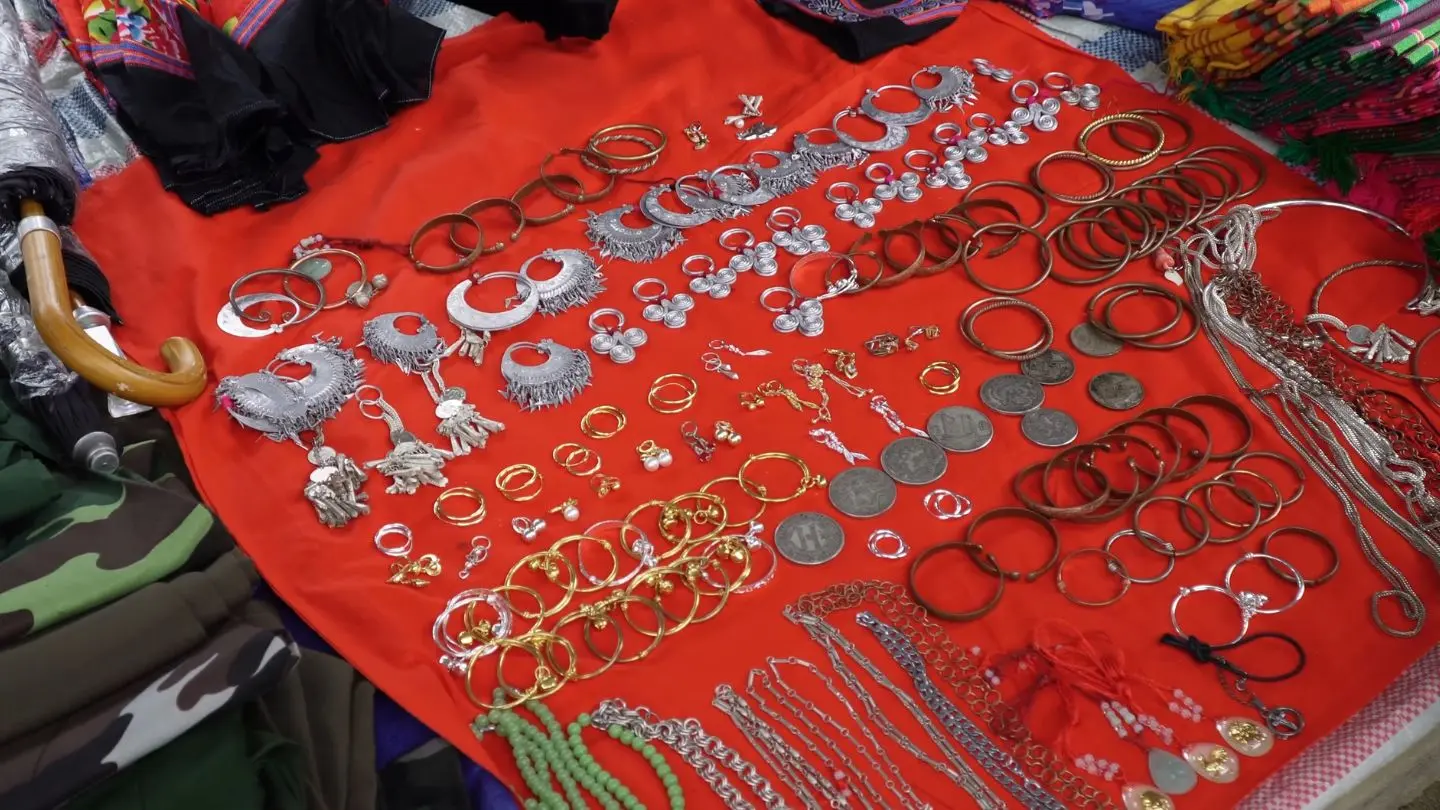
You will come across a few jewellery stalls while wandering through the market. Most sell simple silver bracelets, earrings, and necklaces. It is not a huge section, but people often stop for a closer look before moving on.
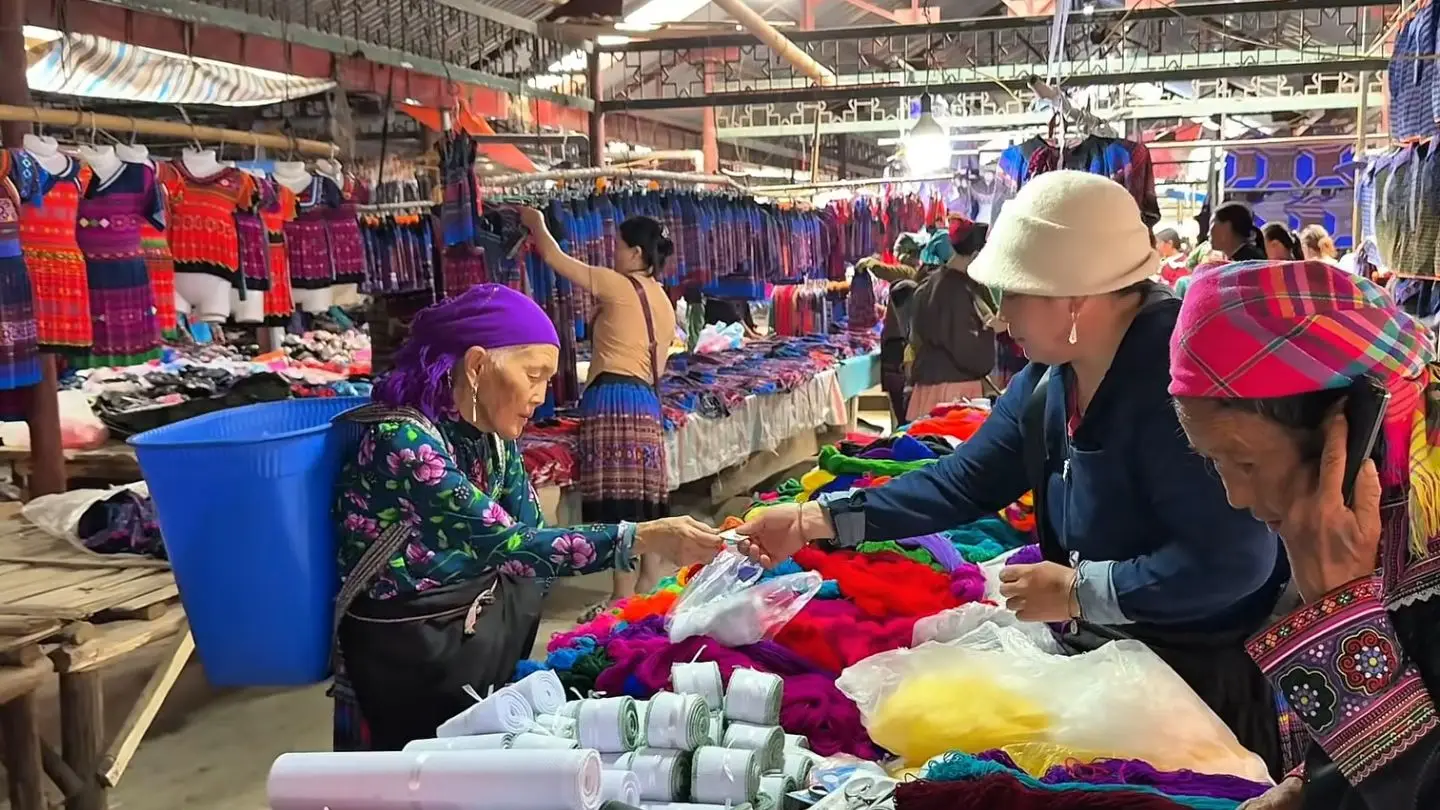
The brocade stalls are among the easiest to spot. Bright fabrics, embroidered bags, and traditional clothing add colour to the market. Even if you are not planning to buy anything, it is worth slowing down for a minute.
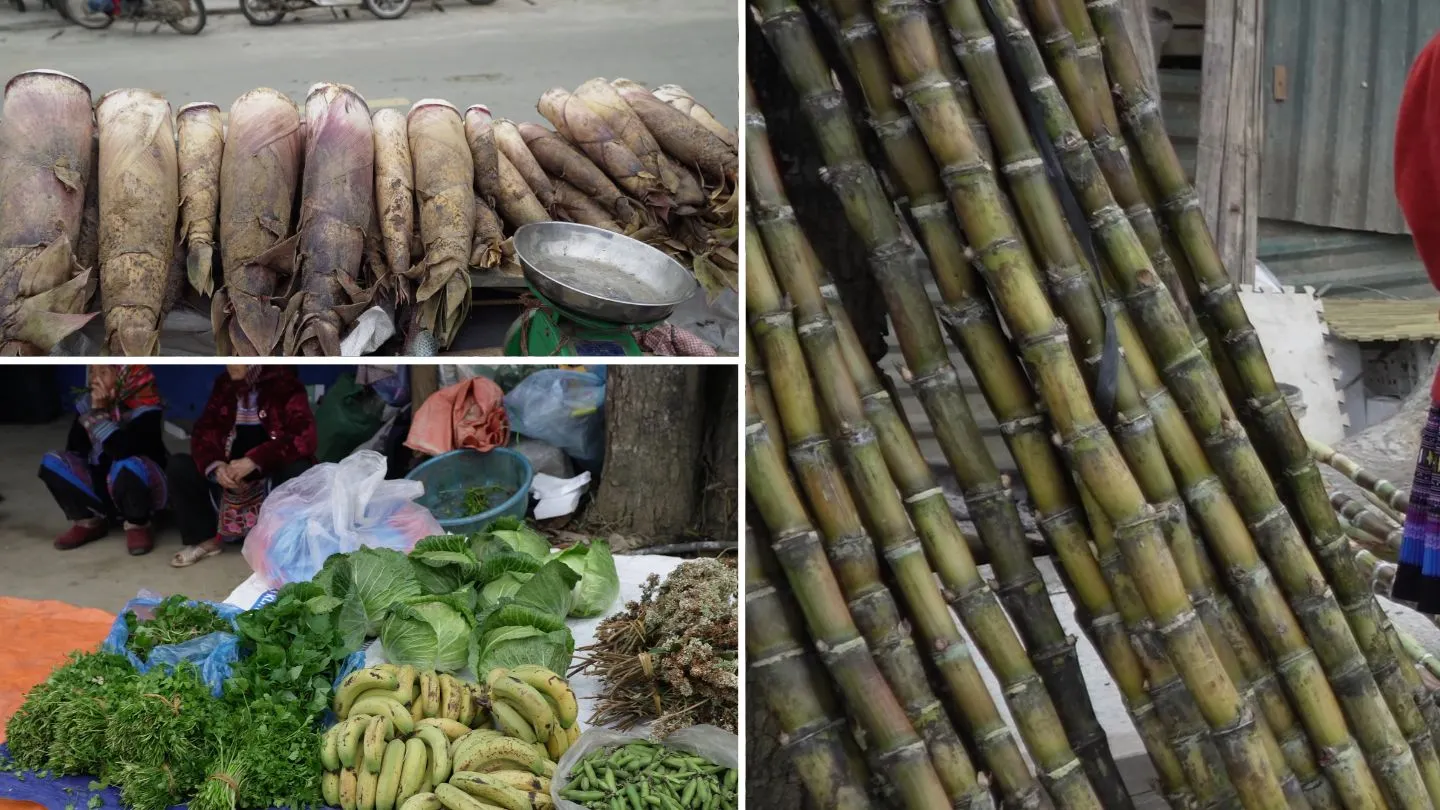
Part of the fun is seeing what people have brought in from nearby villages. Depending on the season, you might find fresh greens, herbs, bamboo shoots, sugarcane, and vegetables picked earlier that morning.
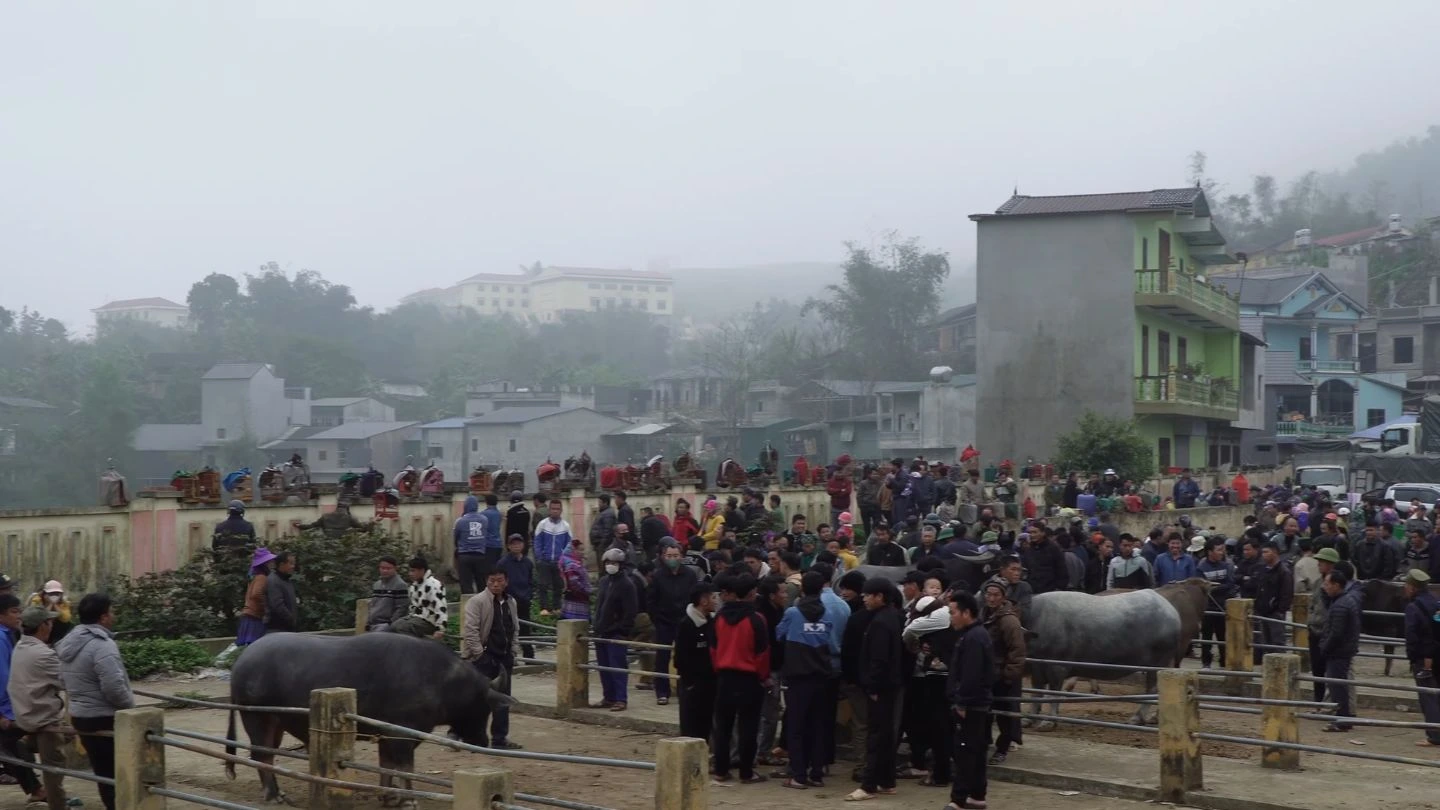
This is usually one of the busiest parts of Sin Cheng Market. People come here to buy and sell pigs, buffaloes, cattle, and other animals. It feels very different from the markets most visitors are used to.
A small row of bird cages often draws a crowd. Some people stop to look, others stop for photos. Either way, it is one of those corners that naturally catches your attention.

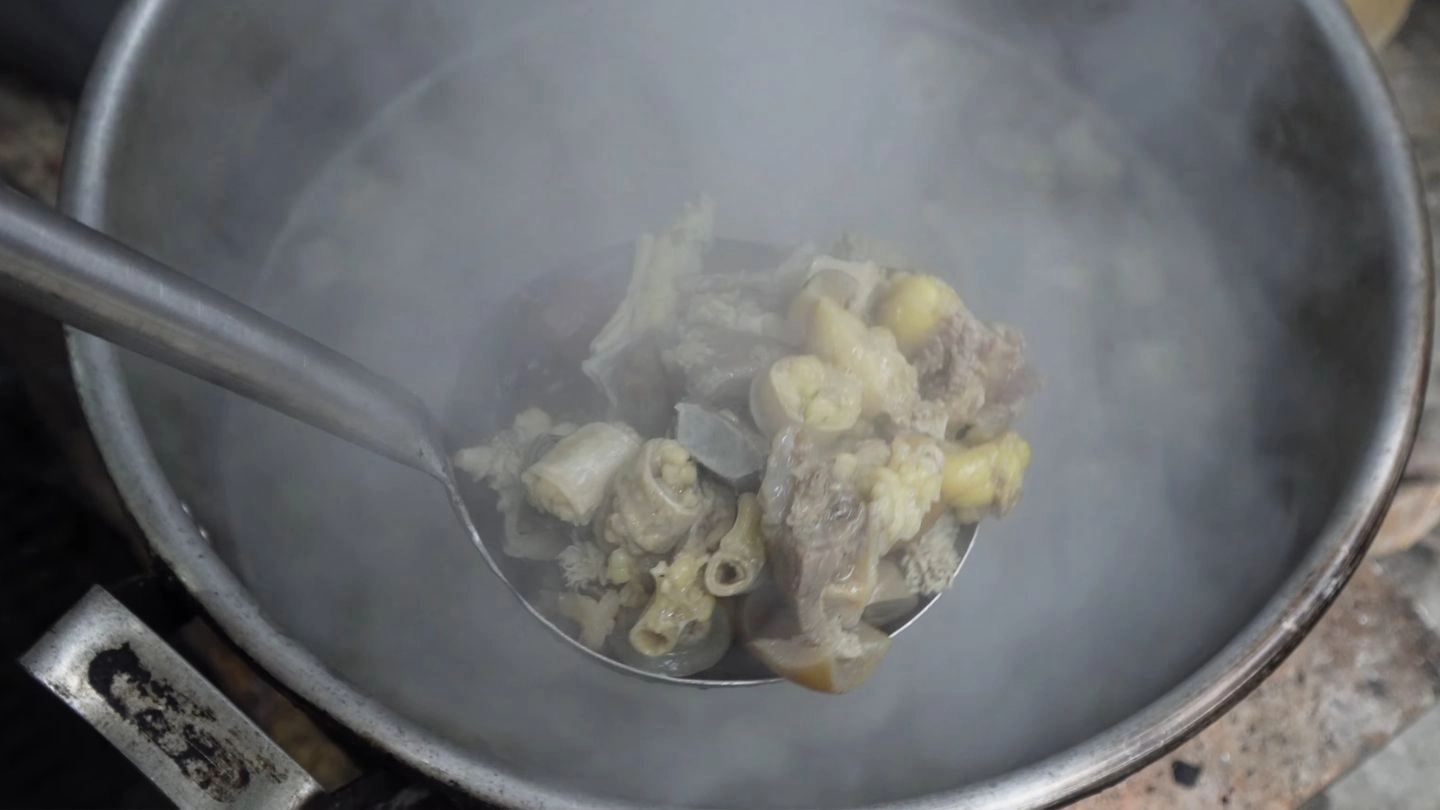
You will probably notice the thang co before you see it. Large pots sit steaming away while locals gather around for breakfast. Whether you decide to try it or not, it is worth a look.
One of the more unexpected stalls sells fresh rice sheets instead of ready-to-eat food. People stop to buy a stack, the vendor cuts what they need, weighs it, and wraps it up before they move on.

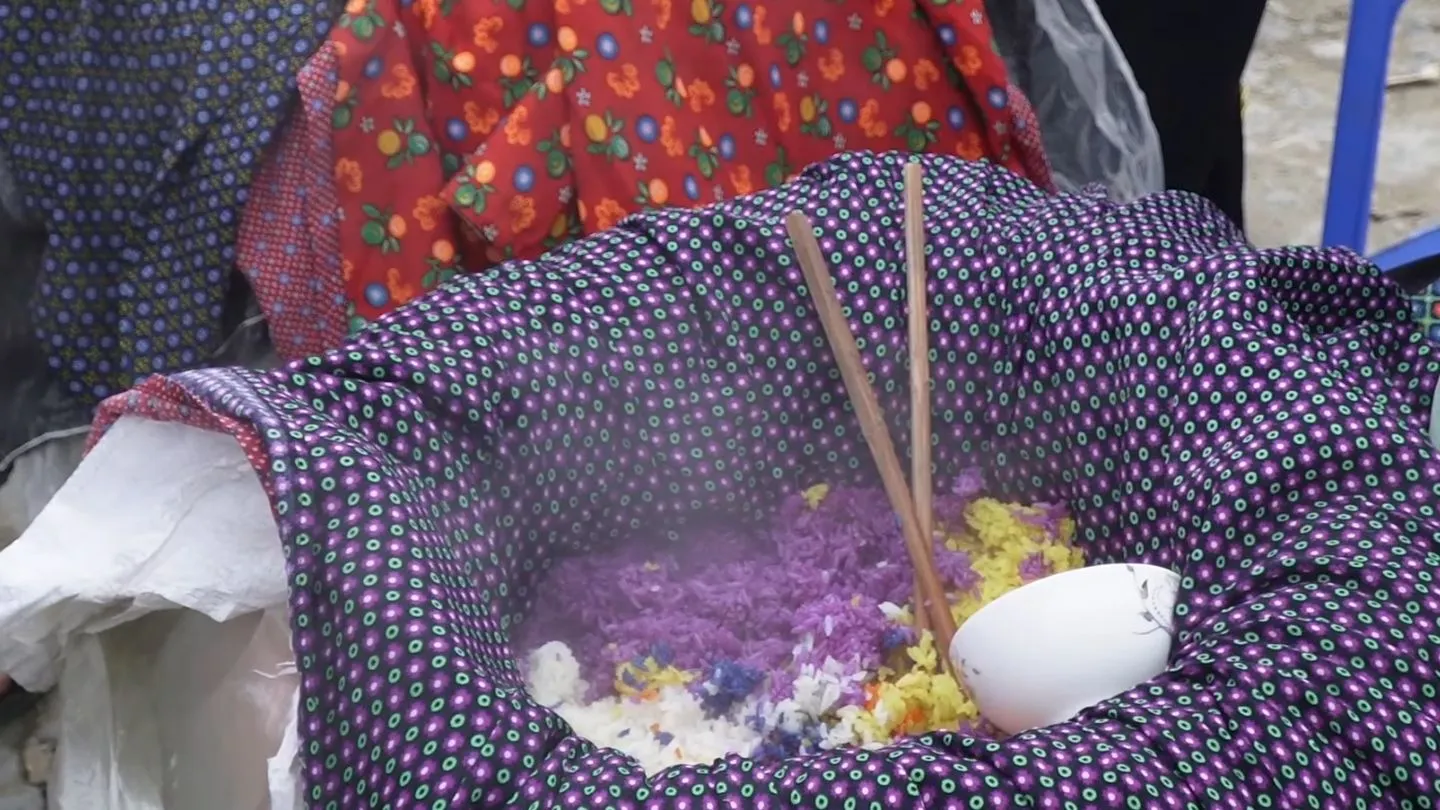
Sticky rice is sold all over the market and makes an easy snack while exploring. Many people buy a portion and keep walking.

Best time to visit

The market trades only on Wednesday, starting around 6 AM. Arrive early, before the day warms, while the stalls are full. For the surrounding scenery at its best, come between September and November, when the rice terraces turn gold.
How to get there from Sapa
Sin Cheng sits roughly 135 km from Sapa, around 3 hours and 30 minutes by road — the longest drive of any market in the region. A private car or hired driver is the only practical way; leave very early to reach it at dawn.
From Hanoi, the journey runs first to Lao Cai (about 8–10 hours by train or sleeper bus), then on by road. Both fall on Wednesday, so you choose between Sin Cheng and the closer Cao Son. See our Sapa markets guide to plan around the week.
Tips for visiting
- Wednesday only, at dawn. The market is fullest in the early morning and quiets by early afternoon.
- Bring cash in Dong. ATMs exist nearby, but small notes work best at the stalls.
- Wear comfortable shoes. The ground is uneven and often muddy.
Frequently Asked Questions
What day is Sin Cheng Market held?
Every Wednesday, beginning at dawn and quieting by early afternoon. The day does not change.
When should I depart for it?
The market is at least a 3.5-hour drive from Sapa Town, so it’s best planned as a two-day trip. You can visit other places along the way and stay overnight nearby, making it possible to reach the market early the next morning for a much better experience.
Which ethnic groups attend?
Hmong, Tay, Nung, Thu Lao, and Giay, along with other regional hill-tribe communities.
What can I buy there?
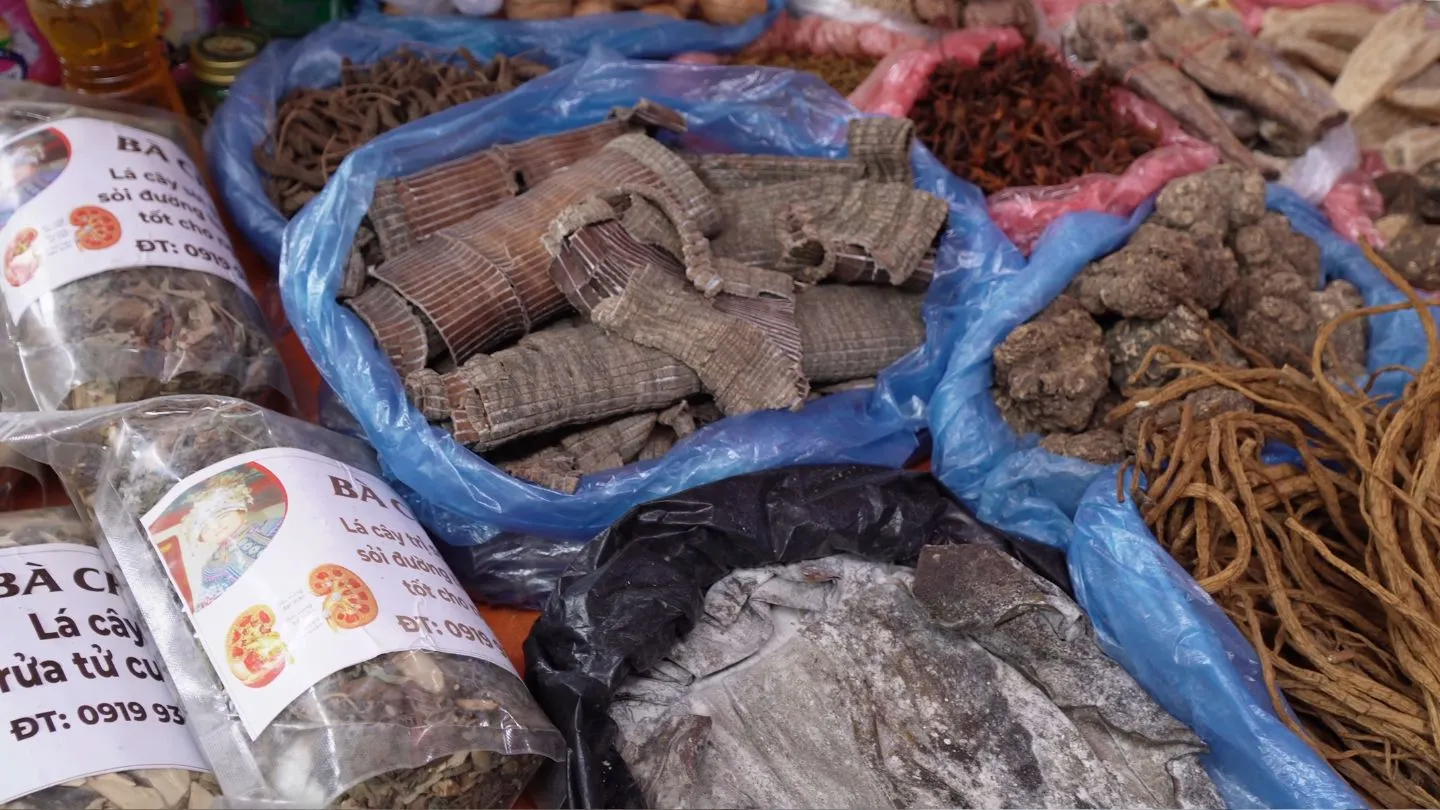
Clothing, silver jewelry, fresh produce and meats, snacks, and medicinal herbs — a local specialty.
Can I combine it with Cao Son Market?
Both fall on Wednesday, but they sit far apart. Most visitors choose one or the other for a single day.
By the time you drive out of Sin Cheng market, the pens are emptying and the hills close back over the valley. What stays with you is the distance — how far you came, and how easily it lets you leave.
Related Tours & Transport