


 Sapa Tours & Activities
What to Do in Sapa Without Trekking: Best Things to See & Do (2026)
What to do in Sapa without trekking? More than most trekkers ever find out. The cable car does the climbing, the markets do the culture, the herbal bath does the recovery — and none of it needs boots. Here is the no-trek playbook we give our own non-hiking guests.
What to Do in Sapa Without Trekking?
No boots required — here is how the non-trekking day actually fills up.
Visit Local Villages (Non-Trekking Options)
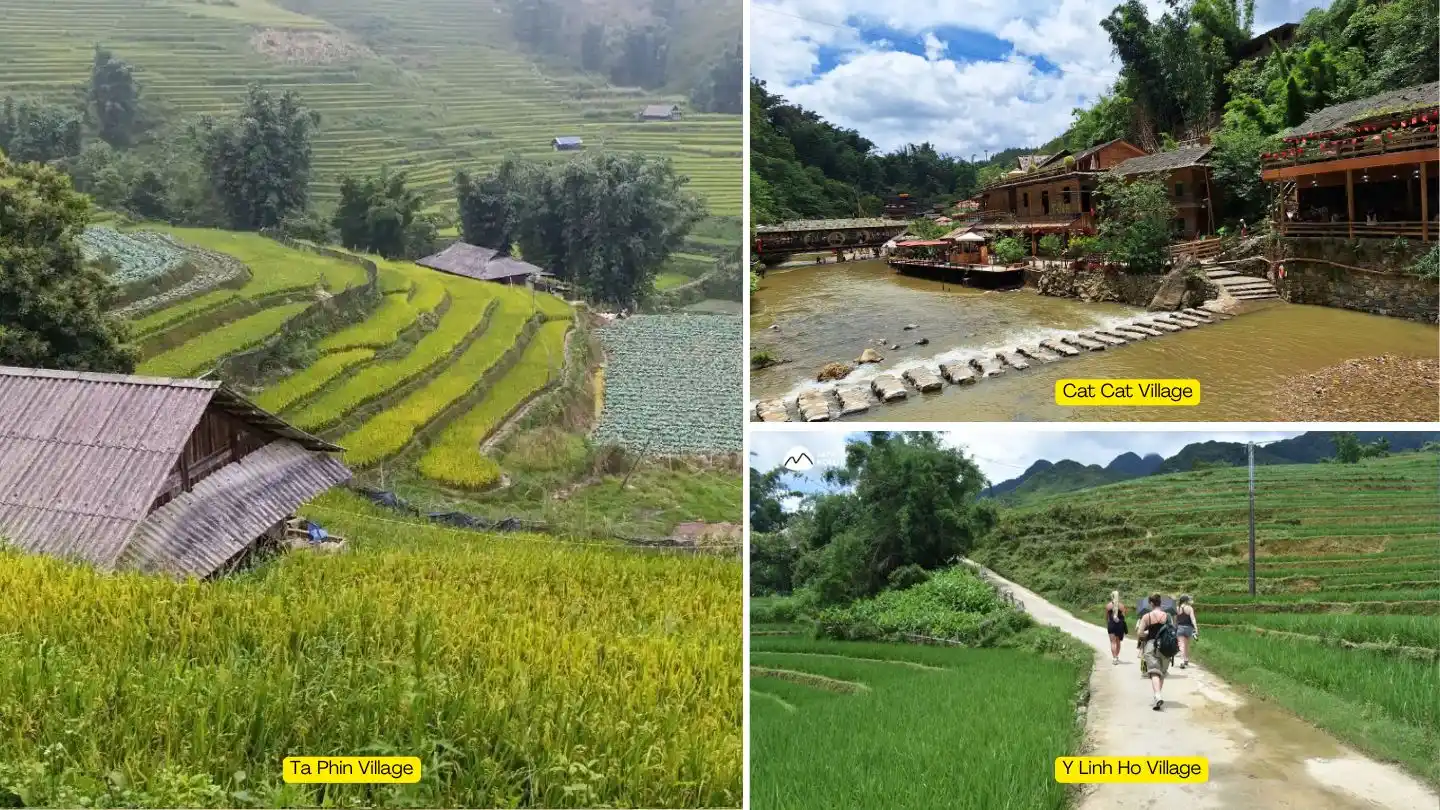
The villages don’t require a trek to reach. Cat Cat sits a short taxi ride from town. Ta Van and Lao Chai take a car or the electric cart down Muong Hoa road — same views, none of the mud.
- Cat Cat Village: One great option is to visit Cat Cat Village, just a short walk away, where you can explore traditional houses, watch local artisans at work, and enjoy views of a powerful waterfall.
- Ta Phin Village: For a deeper dive into local culture, head to Ta Phin Village, home to the Red Dzao people. Here, you can learn about their unique herbal baths and traditions.
- Y Linh Ho Village: Another peaceful spot to explore is Y Linh Ho Village. You can easily reach it by car or motorbike, and it offers wide views of rice terraces and a glimpse into the simple life of rural Sapa.
Enjoy Sapa’s Unique Cuisine & Drinks

- Sapa’s Traditional Dishes: Sapa food offers tasty regional dishes like “thang co” (a savory meat soup), grilled river fish, and fresh vegetables grown in the cool mountain air. These dishes are perfect for food lovers!
- Sapa Street Food: Don’t miss the lively street food scene in Sapa. Try local snacks like grilled skewers, rice cakes, and “banh cuon” (steamed rice rolls) while strolling through the busy market streets.
- Sapa Restaurants: Enjoy a meal at one of Sapa’s cozy cafes or restaurants. Many offer delicious dishes paired with incredible mountain views, making it the perfect spot to relax and take in the scenery.
- Sapa Wine: For something unique, try a glass of Sapa’s local wine. Made from local fruits and berries, it offers a sweet and refreshing taste of the region’s flavors.
- Sapa Café: Take a break at a local café, sipping coffee or tea while admiring the terraced fields and the misty mountains that surround Sapa. It’s a peaceful, scenic experience.
Explore Local Markets

The markets are Sapa’s culture at walking pace: handmade textiles, mountain produce, and street food worth the queue. Go in the morning when the stalls are full and the light is good.
- Sapa Market: Spend time at Sapa Market, where you can meet local vendors and shop for beautiful souvenirs. Enjoy the lively atmosphere while tasting diverse regional foods, including delicious snacks and unique delicacies.
- Bac Ha Market: Take a trip to Bac Ha Market, known for its colors and cultural depth. Here, you can buy handmade crafts, see ethnic minority groups, and savor local delicacies and fresh fruits.
If you would rather spend your morning watching the market than worrying about the road, these Bac Ha Market tours quietly take care of the rest.


Take a Cable Car to Fansipan Mountain

The Fansipan cable car — the world’s longest three-rope line — floats you over the Muong Hoa valley to the roof of Indochina in about 15 minutes. No hiking needed, and the view beats most trails.
Up top, walk the summit complex at your own pace: the flag tower, the copper Buddha and the temple terraces. Give it two unhurried hours.
Relax and Rejuvenate

Recovery is a legitimate itinerary item here. A Red Dao herbal bath, a massage, and a valley-view café afternoon — the trekkers wish they had your schedule.
- Spas and Wellness Centers: Treat yourself to a delightful massage or an herbal bath at a local spa. Many use traditional Red Dzao healing techniques, helping you relax while enjoying authentic local culture.
- Sapa Hot Springs: Just outside of town, you’ll find lovely hot springs. Soaking in the mineral-rich waters surrounded by forest is a perfect way to rejuvenate your body and mind.
How To Go to Sapa From Hanoi?
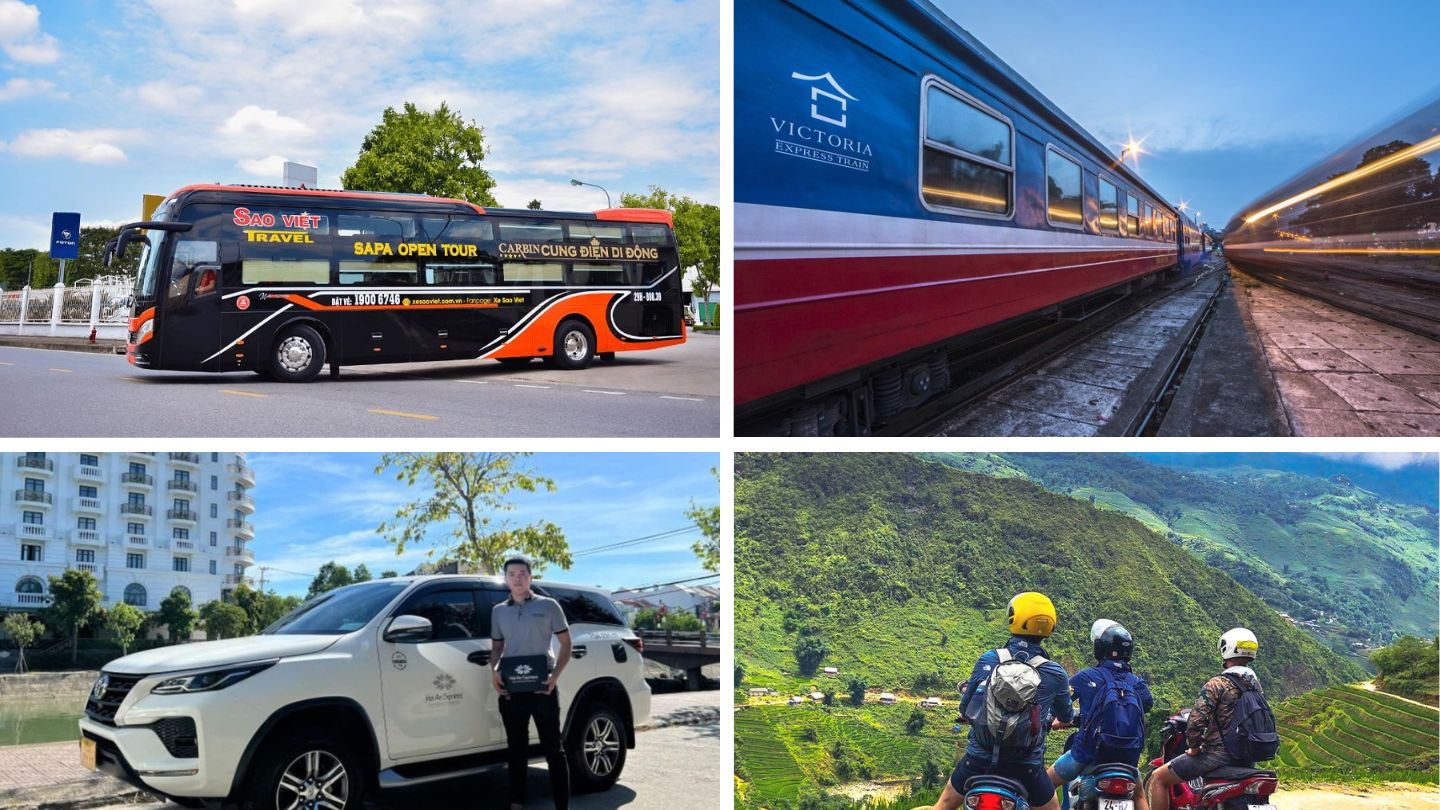
Before the terraces, before Fansipan, before the villages, there is the road from Hanoi to Sapa. Most travelers take the overnight bus or train, arriving as the mountains begin to wake. Others choose the comfort of a private car or the freedom of a motorbike. However you get here, the journey has a quiet way of preparing you for everything that comes next.
Conclusion
In the end, what to do in Sapa without trekking? Sapa without trekking is not Sapa-lite — it is a gentler version of the same mountains: summit views by cable, villages by car, culture by market, recovery by herb-scented bathtub. The terraces do not care how you arrived.
→ Pick your dates with the best time to visit Sapa guide.
→ Browse & book: All Sapa Tours & Tickets →
FAQs
Can I see the rice terraces without trekking?
Yes — the electric cart along Muong Hoa road, a private car to the valley viewpoints, and the cable car all deliver full terrace views without a step of trail.
Is the Fansipan cable car worth it for non-trekkers?
It is the whole point — a 15-minute ride replaces a two-day climb, and the summit complex at the top is paved and easy to walk.
How many days does Sapa need without trekking?
Two full days: one for Fansipan and town, one for villages, markets and a herbal bath. A third day adds Bac Ha’s Sunday market if the calendar lines up.
Is Sapa suitable for older travelers?
Yes, cable car, electric carts, car transfers and gentle village lanes make it one of Vietnam’s most accessible mountain trips.
Related Tours & Transport
