



 Sapa Tours & Activities
 Transport Hanoi – Sapa
 Other Routes
 Vietnam Day Tours
 Sapa Guide
Long Tong Festival: A Reliable Start to Prosperous Harvests
On the 8th day of the first lunar month, the Ban Ho valley stops farming and starts celebrating. The Long Tong Festival — “going to the field” — opens the farming year, and four ethnic groups share one festival ground.
What is the Long Tong Festival?
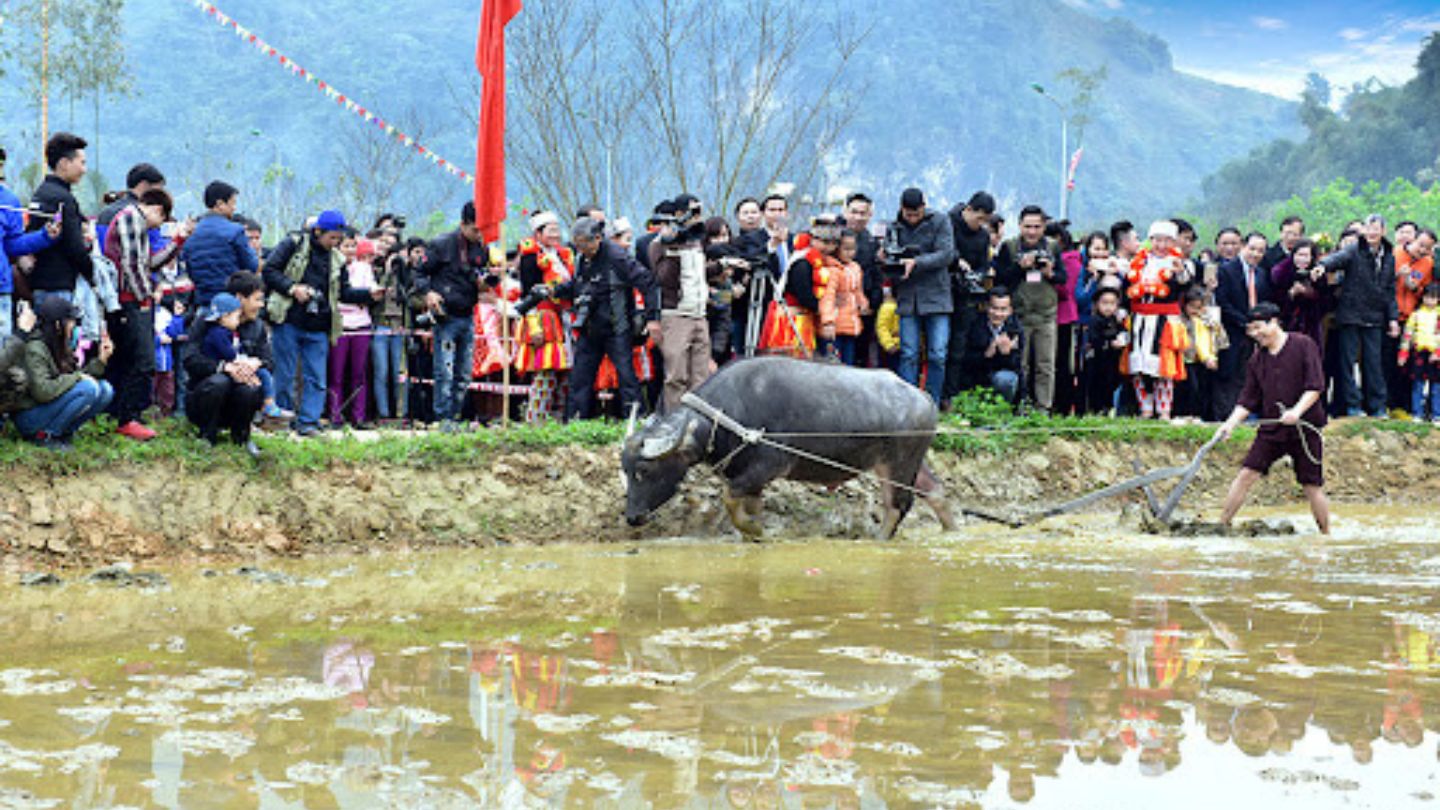
The Long Tong Festival is sometimes called Ooc Tong or Lung Tung. The name joins “long” (down) and “tong” (field). In short, the Sapa festival is about heading down to the fields. It’s a celebration that connects people with the land and the agricultural traditions of the community.
When & Where is the Long Tong Festival Celebrated?
In Ban Ho Commune, south of Sapa Town, the festival is held on the 8th day of the first lunar month, usually falling in February.
Across northern Vietnam, different Tay and Nung communities celebrate Long Tong on slightly different dates, but Ban Ho follows one of the best-known traditions. The festival usually takes place on a wide open field near the village, where both the ceremonies and the folk games can unfold throughout the day.
The History of Long Tong Festival
Long Tong has been celebrated by Tay and Nung communities for generations as a way of welcoming a new farming season. Before work begins, villagers gather to thank Heaven, Earth, the God of Agriculture, local guardian spirits, and their ancestors for protecting the previous year’s harvest.
For farming communities, this is both a spiritual ceremony and a community reunion. Families visit one another, share food, exchange New Year wishes, and celebrate the hope that the coming season will bring enough rain, healthy crops, and peaceful lives.
Major Traditions and Rituals of Long Tong Festival

The morning begins quietly, with prayers before the laughter of the games arrives.
Prayer Ceremony
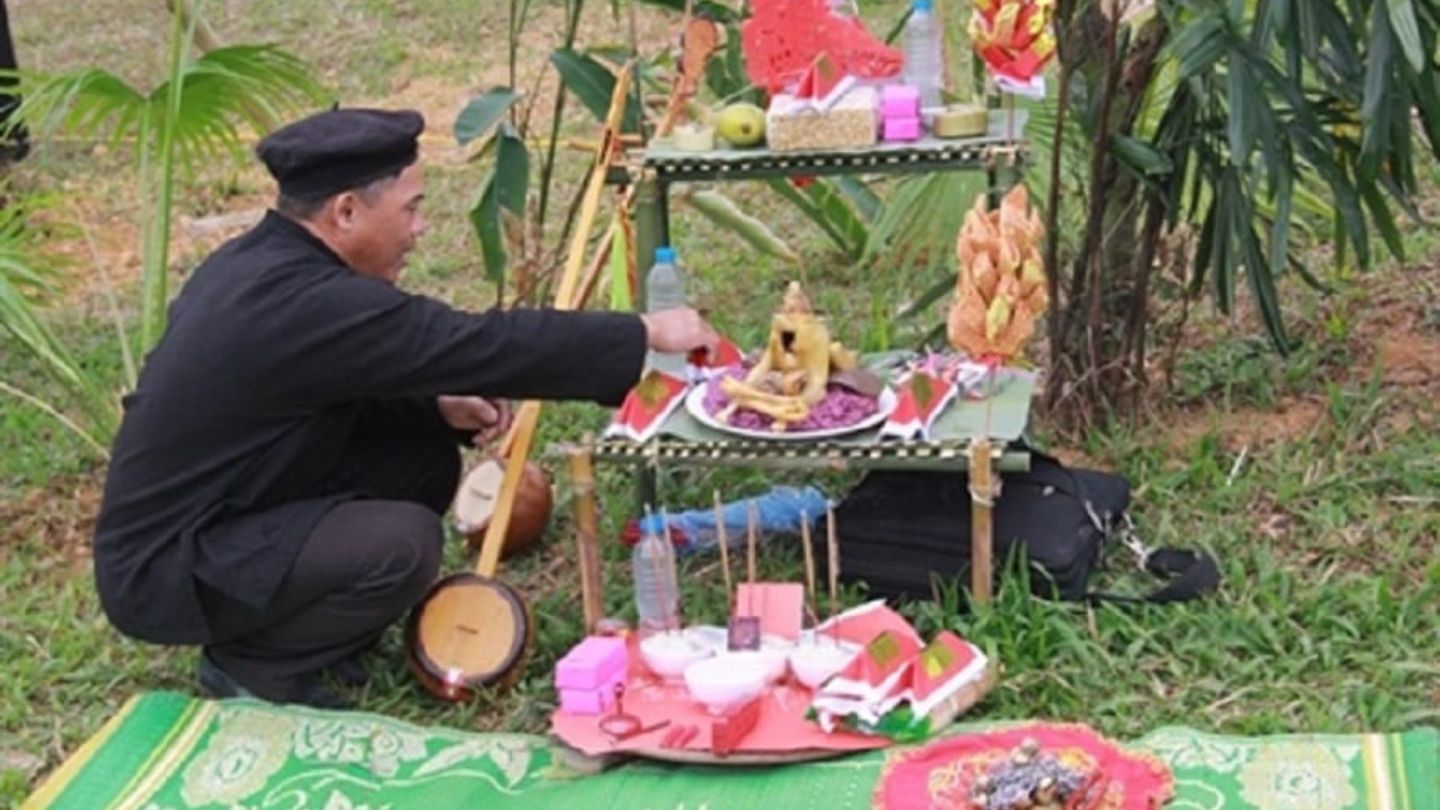
Village elders or ritual masters lead the opening ceremony, offering prayers for favorable weather, healthy crops, and prosperity throughout the coming year.
Offering to Heaven, Earth, and the Ancestors
Offerings are carefully prepared with sticky rice, boiled chicken, pork, traditional rice cakes, fruit, wine, and seasonal produce. These symbolize gratitude for nature’s gifts and respect for the spirits believed to protect the village.
The First Plowing Ceremony
One of the most important moments follows soon after. A respected farmer – often someone known for both skill and good character – is invited to make the first furrow of the year. This symbolic act officially opens the farming season and represents hopes for abundant harvests.
Long Tong Festival Activities and Celebrations
Once the prayers end, the whole valley slowly turns into one big celebration.
Music begins to fill the fields as villagers gather for traditional games, performances, and friendly competitions. Visitors are welcome to join many of the activities, making Long Tong one of the easiest festivals in Sapa to experience as a traveler.
Popular activities often include:
- Con throwing (ném còn) through a high bamboo ring
- Tug of war
- Shuttlecock games
- Spinning tops
- Folk singing and dancing
- Community feasts with traditional Tay dishes
Among them, con throwing remains the best-known tradition. The colorful fabric ball represents wishes for fertility, prosperity, and good fortune as players try to throw it through a small ring suspended high above the field.
Getting to Ban Ho for the festival
Reach Sapa town first — the overnight bus or train from Hanoi arrives at dawn, in time for festival morning. Ban Ho is a downhill ride south of town; any hotel can arrange a car or motorbike taxi.
→ Routes and prices in the Hanoi to Sapa transport guide.
→ Full guide: Sapa Vietnam: The Complete Travel Guide →
FAQs
When is the Long Tong Festival?
On the 8th day of the first lunar month, which usually falls in February. The exact solar date shifts every year — check the lunar calendar or ask any Sapa hotel a week ahead.
Where is the Long Tong Festival held?
In Ban Ho commune, the warm Tay valley about 700 m below Sapa town. The festival ground fills from early morning; the rituals come first, the games after.
Can tourists join the Long Tong Festival?
Yes — it is an open village festival, free to attend. Watch the plowing rite and the procession respectfully, then join the games if invited. Ask before photographing the ceremony itself.
Nine days into the lunar year, the valley goes back to work — and the first furrow, plowed at the festival, finally gets company.